
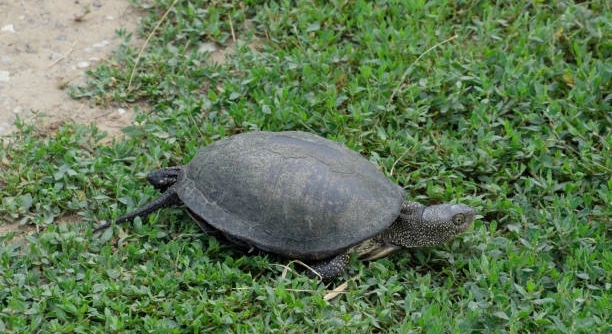
Musk turtles are fascinating creatures that many hobbyists wonder about when it comes to breeding. Understanding their needs is key to successfully raising healthy offspring in captivity. There are several important aspects to consider.
Musk turtles can indeed breed in captivity if the proper conditions are met, such as creating an ideal environment with appropriate temperature, humidity, and space. Careful attention to their diet, behavior, and health can also significantly improve the chances of successful breeding.
Knowing the right steps can make breeding musk turtles easier. These tips will help guide you through the process.
Setting Up the Right Environment for Breeding Musk Turtles
Creating the ideal environment for musk turtles to breed is essential. Start by ensuring they have a spacious tank with a dry basking area and enough water for swimming. The temperature should be carefully controlled—warm enough to encourage breeding but not too high to cause stress. A water temperature between 75°F to 80°F is optimal for breeding. The basking area should be around 90°F. They also need a UVB light for proper shell development and overall health. Maintaining good water quality is also critical, so ensure filtration is efficient and perform regular water changes.
A clean, well-maintained environment helps reduce stress, which is essential for successful breeding. Pay attention to the humidity levels, too, as musk turtles require a certain level of moisture to thrive. Regularly monitor the tank for signs of stress or illness, as these can interfere with the breeding process. Providing a comfortable habitat will give your turtles the best chance to breed successfully.
Setting up a proper breeding environment requires patience and attention to detail. Small changes, like proper lighting and temperature, can make a big difference. Keeping the tank clean is also vital for their health.
Understanding Musk Turtle Behavior During Breeding
Musk turtles exhibit specific behaviors when they are ready to breed. During the breeding season, males may become more active, chasing females and showing interest through visual displays. These behaviors are a sign that they are ready to mate.
It’s crucial to recognize these signs and ensure the female is receptive. The male will often nudge and rub against her shell to get her attention. If the conditions are right, the female may allow the male to mount her. During mating, the turtles will often submerge themselves underwater. Observing these behaviors can help you understand when your turtles are in breeding mode.
Musk turtles can be quite territorial, so make sure there is enough space in the tank to prevent aggression. Keep an eye on their interactions to ensure they are not stressed by one another.
Temperature and Humidity Control
Maintaining the right temperature and humidity is crucial for musk turtle breeding. The temperature should be stable and within the ideal range, with water between 75°F and 80°F and basking areas around 90°F. The humidity in the tank should be around 70-80% to promote healthy egg development.
It’s essential to monitor these conditions regularly using a thermometer and hygrometer. Sudden changes in temperature or humidity can cause stress, which can lead to breeding failure. Musk turtles are sensitive to their environment, so maintaining consistent conditions will ensure a better chance of successful breeding.
If you notice fluctuations, invest in a reliable heater and a humidifier. A thermostat for the water temperature can also help maintain steady conditions. Make sure to regularly check the humidity levels to keep them within the ideal range.
Diet and Nutrition
A balanced diet is vital for breeding success. Musk turtles need a varied diet that includes protein, vitamins, and minerals. This can include insects, small fish, and leafy greens. Make sure the food is nutrient-rich, as poor nutrition can affect their reproductive health.
Feeding them a variety of foods helps to ensure that they receive all the necessary nutrients for breeding. Providing high-quality food not only improves their health but also boosts their reproductive system. Avoid overfeeding as this can lead to obesity, which can disrupt their ability to breed.
Incorporating calcium supplements is also important to promote shell health and support proper egg development. Calcium is essential, especially for females when they are laying eggs. Additionally, ensure they have access to fresh water at all times, as hydration plays a crucial role in their overall health and breeding ability.
Proper Tank Setup
Musk turtles need ample space to thrive. The tank should be large enough to accommodate both the male and female, with enough water for swimming and a dry basking area. A tank size of at least 40 gallons is recommended for two turtles.
In addition to space, the setup should include a filter to keep the water clean and clear. A basking platform should be accessible for the turtles to rest under UVB lighting. Ensure the filter is capable of handling the water volume. Regular water changes will also help maintain cleanliness.
Water Quality
Water quality is key to breeding success. Keep the water clean by filtering it and performing regular water changes. Poor water quality can lead to infections and stress, affecting the turtles’ ability to breed. Test the water regularly for pH and ammonia levels.
A proper filtration system can help maintain healthy water. If possible, avoid using tap water with high chlorine levels, as it can harm your turtles. Opt for dechlorinated or purified water instead. Make sure the water remains clean and clear to prevent any stress or health issues.
Providing a Safe Nesting Area
Creating a proper nesting area is crucial for egg laying. Ensure there’s enough dry land for the female to climb onto and find a place to dig. Musk turtles prefer to nest in soft, moist soil, so use a mix of sand and soil.
If possible, offer a separate nesting box that is private and undisturbed. The female will need a place to lay her eggs in peace, away from the male and other tank mates. Make sure to keep the area humid but not wet, as this will encourage successful egg development.
FAQ
Can musk turtles breed without a mate?
No, musk turtles require both a male and a female to reproduce. The male must court the female and mate with her for successful egg fertilization. Without a male, a female may still lay eggs, but they will be infertile and will not hatch. It’s essential to have both genders in your setup if you want to breed them.
How long does it take for musk turtles to mate?
Mating can take anywhere from a few minutes to over an hour, depending on the turtles. During courtship, the male will show interest by chasing the female and displaying behavior like rubbing or biting her shell. After courtship, the male mounts the female, and mating happens underwater. The process may be repeated multiple times before successful fertilization occurs.
When do musk turtles breed?
Musk turtles typically breed during the spring and early summer months. The breeding season usually begins when the water temperatures rise, signaling to the turtles that it’s time to mate. It’s important to mimic the natural seasons in your tank by adjusting water temperature to encourage breeding. You may notice the males becoming more active during this period.
How can I tell if my musk turtle is pregnant?
Pregnant musk turtles will exhibit changes in behavior and physical appearance. The female may become more restless, searching for a place to nest. You may also notice her abdomen becoming slightly swollen as the eggs develop inside. If the female is gravid, she will need a proper nesting area to lay her eggs.
How often do musk turtles lay eggs?
Female musk turtles generally lay eggs one to two times a year, but it can vary depending on the conditions and the turtle’s age. Each clutch typically contains 2 to 8 eggs. The exact number of eggs can vary based on the health of the female and environmental factors, like food availability and water quality.
What do I do once my musk turtle lays eggs?
Once your musk turtle lays eggs, it’s important to carefully remove them and place them in an incubator to allow them to hatch. The incubator should maintain a consistent temperature between 78°F and 82°F, and the humidity should be high. Do not disturb the eggs during the incubation period. The incubation process typically takes 60 to 90 days. Once the eggs hatch, the baby turtles will be ready to move to a suitable aquatic habitat.
How can I help my musk turtle eggs hatch?
To successfully hatch musk turtle eggs, place them in an incubator with proper temperature and humidity. The ideal temperature is around 80°F, and humidity should be between 80-90%. Make sure the eggs are placed on their side, as they were when laid. Avoid touching the eggs during incubation to prevent damage. Patience is essential, as hatching can take up to three months.
Do musk turtles eat their eggs?
Musk turtles do not typically eat their own eggs. However, if the eggs are not properly cared for or if they are left in an unsuitable environment, they may become damaged and attract mold or bacteria, making them unsafe. It’s important to provide a clean, safe environment for the eggs to prevent contamination.
How long do musk turtles live?
Musk turtles generally live between 20 to 30 years in captivity with proper care. Their lifespan can vary depending on factors such as diet, habitat, and overall health. Keeping your musk turtles in a stress-free, clean environment with the right conditions will ensure they live a long, healthy life.
How do I know if my musk turtle is healthy?
A healthy musk turtle will be active, alert, and show normal behaviors like swimming, basking, and foraging for food. Their shells should be firm and free from cracks or soft spots, and their eyes should be clear without any discharge. If you notice any changes in behavior or physical appearance, such as lethargy or swelling, consult a vet for advice.
Do musk turtles require special lighting?
Yes, musk turtles require UVB lighting to help them synthesize vitamin D3, which is essential for calcium absorption. UVB lights should be on for about 10 to 12 hours a day to mimic natural sunlight. Ensure the light is placed close enough to the basking area to be effective. Without proper UVB lighting, musk turtles can develop shell deformities and other health issues.
Final Thoughts
Breeding musk turtles in captivity can be a rewarding experience with the right knowledge and preparation. These turtles require specific care, including the proper tank setup, diet, and environmental conditions. Keeping the water temperature stable, maintaining the right humidity levels, and ensuring a clean tank are essential to supporting healthy breeding. By providing the appropriate environment, you increase the chances of successful mating and egg laying.
The process can take time and patience, as breeding typically happens during specific seasons, and both the male and female need to be in optimal health. It’s important to understand the needs of your musk turtles, especially when it comes to their diet and nesting habits. Female musk turtles need a safe and comfortable place to lay their eggs, while males must court and mate with the female for fertilization to occur. Monitoring their behavior and physical signs will give you clues about their readiness to breed.
Remember that breeding musk turtles isn’t just about setting up the tank. It requires regular care, attention to detail, and a willingness to adapt to the turtles’ needs. The success of breeding largely depends on maintaining proper water quality, providing a balanced diet, and ensuring that both turtles are healthy. If you plan on incubating the eggs, make sure to have a controlled environment for their development. By taking the right steps, you can create the ideal conditions for musk turtles to thrive and breed successfully.

Hello,
If you enjoy the content that we create, please consider saying a "Thank You!" by leaving a tip.
Every little bit helps us continue crafting quality advice that supports the health, happiness, and well-being of pets around the world, for pets of all shapes, sizes, and species.
We really appreciate the kindness and support that you show us!