
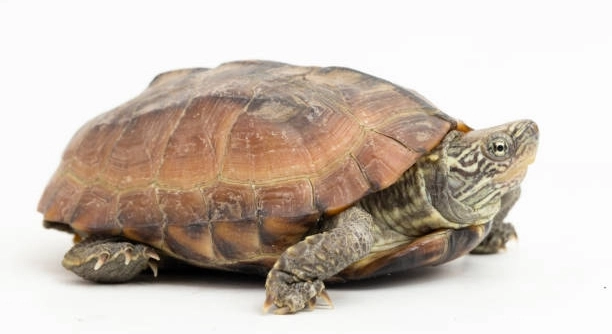
Musk turtles can make delightful pets, especially when they’re thriving in captivity. As an owner, knowing how to monitor their health and happiness is crucial. Observing their behavior closely helps ensure they lead a fulfilling life.
To ensure your musk turtle is thriving in captivity, look for signs such as active swimming, healthy eating habits, a clean shell, and steady growth. Regular basking and social interaction also indicate that the turtle is in good health.
By recognizing these key signs, you’ll be able to provide the best care for your turtle. Keep reading to learn how to create an ideal environment for their well-being.
Active Swimming and Healthy Movement
When your musk turtle is swimming actively, it’s a sign that it’s comfortable in its environment. Healthy movement is key to its well-being. If your turtle is floating or sinking unevenly, it may be a sign of health issues. A turtle that swims with ease is likely in good physical condition.
Sometimes, a lack of movement could be a result of stress or improper tank conditions. Ensure the water temperature is suitable for your turtle’s needs. Musk turtles thrive in water between 75°F and 85°F. A well-maintained water filter is also essential for their activity levels, as they prefer clean water.
If your turtle is constantly basking instead of swimming, it may feel unsafe or stressed. This could be due to inadequate lighting or an overcrowded tank. Ensuring the tank has plenty of space, proper hiding spots, and consistent temperature can encourage swimming. Always monitor the turtle’s behavior to see if it becomes more active over time.
Healthy Eating Habits
A thriving musk turtle eats well and regularly. This includes a varied diet of insects, aquatic plants, and sometimes commercial turtle food.
Turtles that eat well are more likely to stay active and healthy. If you notice your turtle isn’t eating, it may be stressed, sick, or the water conditions might not be right.
Clean and Shiny Shell
A clean, shiny shell indicates a healthy musk turtle. Regular basking helps keep their shells clean and free from algae or fungus. If your turtle’s shell looks dull or discolored, it may be an indication of poor health.
You should also check for any cracks or soft spots. A healthy shell is firm and free of signs of decay. A clean, shiny shell reflects proper care, including an appropriate diet, optimal water conditions, and regular basking opportunities. Proper UVB lighting is essential to maintain a turtle’s shell health, so be sure your turtle has access to it.
If your turtle’s shell begins to look unhealthy, it may be a sign of malnutrition, improper humidity, or inadequate care. Pay close attention to shell health and address any issues quickly to avoid long-term problems.
Steady Growth and Development
Healthy growth is one of the best signs your musk turtle is thriving. If your turtle is growing steadily, it is likely receiving the right nutrition and living in a suitable environment.
Turtles experience growth spurts, especially when they are young. However, if growth becomes uneven or seems stunted, it may be due to poor water conditions or an improper diet. A varied diet, rich in calcium and protein, will promote strong bones and steady growth. It’s also important to regularly monitor your turtle’s weight and size to ensure it is growing appropriately for its age.
Stunted growth could be a sign of inadequate UVB lighting or an unbalanced diet. By maintaining proper care and habitat conditions, you’ll encourage steady growth in your turtle over time.
Regular Basking Behavior
Musk turtles need to bask regularly to maintain their health. If your turtle is spending time on its basking platform, it’s a good sign that it’s thriving. Healthy basking allows for better digestion and shell health.
Your turtle may bask more or less depending on the temperature and light. Ensure it has access to both UVA and UVB light to keep its bones strong and its shell intact. If it consistently enjoys basking, it indicates a well-adjusted environment. However, if your turtle avoids basking, something might be off with its habitat.
Clear Eyes and Active Behavior
Clear eyes and an active attitude are essential signs of a thriving turtle. When your musk turtle is alert and responsive, it is a good indicator of overall health. Any cloudiness in the eyes can signal an infection or environmental issues.
An active turtle that reacts to changes in its environment shows that it is comfortable and healthy. If your turtle’s eyes are red or swollen, check the water quality and adjust tank conditions. If it seems lethargic, it may be stressed, underfed, or dealing with an illness. Ensure proper lighting and temperature for the best health.
Social Interaction
Musk turtles may enjoy limited interaction with their owners. If your turtle shows interest in its surroundings, it’s a positive sign that it’s thriving. You might notice it swimming closer to the tank’s edges or responding when you approach.
However, keep in mind that each turtle has its own personality. Some turtles may be more social than others. It’s important to give your turtle space while also observing its behavior for signs of stress or discomfort. Providing a consistent and calm environment can encourage natural behavior over time.
FAQ
How often should I feed my musk turtle?
Musk turtles are generally fed every other day. Their diet should include a variety of protein sources, such as insects, worms, and aquatic plants. Young turtles may require more frequent feedings, while adult turtles can eat less often. Be sure to feed your turtle an amount it can consume in about 15 minutes to avoid overfeeding and waste buildup in the tank. Regular feeding helps ensure your turtle receives the necessary nutrients for growth and health.
What temperature should the water be for my musk turtle?
The water temperature for musk turtles should be kept between 75°F and 85°F. This range helps ensure your turtle remains active and healthy. Too cold water can slow down their metabolism and make them more susceptible to illness, while water that’s too warm can lead to stress and health problems. A reliable aquarium heater and thermometer will help you maintain the proper temperature range for your turtle’s comfort.
How can I tell if my turtle is stressed?
Signs of stress in musk turtles include excessive hiding, lack of movement, loss of appetite, and lethargy. Stress can also cause a turtle to bask more than usual or avoid basking altogether. Common causes of stress are poor water quality, incorrect lighting, overcrowding, and inadequate basking spots. Addressing these factors and providing a comfortable environment can help reduce your turtle’s stress levels.
Can musk turtles live with other turtles?
Musk turtles can live with other turtles, but it’s important to monitor their behavior closely. They can be territorial and may not always get along with others, especially in a small tank. If you choose to house multiple turtles together, ensure there’s enough space for each one to have its own territory and basking area. Monitor for any signs of aggression or stress and separate them if necessary.
How can I maintain clean water for my musk turtle?
Regular water changes are crucial for maintaining clean water. You should change about 25-30% of the water every week to ensure it remains fresh. A good filtration system can also help reduce waste and improve water quality. Be sure to clean the filter regularly and check water parameters such as pH, ammonia, nitrites, and nitrates. Proper filtration and regular cleaning will help create a healthy environment for your turtle.
Do I need UVB lighting for my musk turtle?
Yes, UVB lighting is essential for musk turtles. It helps them metabolize calcium properly, which is crucial for their shell and bone health. Without UVB light, your turtle may develop metabolic bone disease, which can lead to weak bones and deformities. A proper UVB light should be used during the day, and the bulb should be replaced every 6 to 12 months, depending on the manufacturer’s recommendations.
How do I prevent my musk turtle from getting sick?
To prevent illness, ensure your musk turtle has clean water, proper lighting, and a balanced diet. Regular tank maintenance and water changes are essential to reduce the risk of infections. Avoid overcrowding in the tank and provide adequate space for your turtle to swim and bask. If you notice any signs of illness, such as abnormal behavior or physical symptoms, consult a veterinarian who specializes in reptiles.
What should I do if my turtle’s shell is damaged?
If your turtle’s shell is damaged, it’s important to seek veterinary care immediately. Minor cracks can often heal with proper treatment, but deeper wounds or infections may require professional care. To help prevent further damage, ensure your turtle’s habitat is free from sharp objects. Also, provide it with a balanced diet rich in calcium to support shell health.
How big do musk turtles get?
Musk turtles typically grow to be 4 to 5 inches long, although some can reach up to 6 inches in length. The size of your turtle will depend on factors like its age, diet, and living conditions. Proper care can help your turtle reach its full growth potential.
Can musk turtles live outside?
Musk turtles can live outside, but only in the right conditions. If you live in a warm climate, you can create a safe outdoor habitat with access to a pond, basking areas, and plenty of shade. However, you’ll need to be mindful of predators, extreme temperatures, and the potential for diseases. Bringing your turtle inside during cold months or harsh weather conditions will ensure its safety.
How do I create the right basking area for my musk turtle?
A basking area for your musk turtle should have a platform where it can climb out of the water. The area should be positioned under a UVB light to provide the proper heat and light. Ensure the basking area is large enough for your turtle to move around comfortably and has a heat lamp that keeps the temperature around 85°F to 90°F. The turtle should be able to bask for several hours each day to promote proper digestion and health.
What should I do if my turtle is not eating?
If your musk turtle is not eating, check the water conditions first. Poor water quality or incorrect temperatures can cause a loss of appetite. Stress, illness, and improper diet are other common causes. Try offering different food options and ensure the turtle feels safe in its environment. If the issue persists, it may be time to consult a vet.
Final Thoughts
Musk turtles are relatively easy to care for, but they require the right conditions to thrive. Understanding their natural habitat and replicating it as closely as possible will ensure your turtle’s well-being. The key factors include providing clean water, proper lighting, and a balanced diet. By paying attention to their behavior, you can detect any early signs of distress and address them before they become bigger problems. Regular water changes, maintaining an appropriate temperature, and offering a varied diet will help your turtle stay healthy and happy.
While musk turtles may seem low-maintenance compared to other pets, their environment needs careful attention. A good filtration system and regular cleaning can help maintain water quality, while UVB lighting is essential for their overall health. By keeping an eye on your turtle’s activity level and appearance, you can quickly tell if something is wrong. Basking is another important behavior to observe, as it helps with digestion and provides essential vitamin D3. If your turtle is regularly basking and remains active, it’s a good sign that it’s thriving.
In conclusion, creating a suitable habitat for your musk turtle involves more than just feeding it. Ensuring the right water conditions, temperature, lighting, and tank size are all crucial to keeping your turtle healthy. Regular maintenance and attention to detail will allow you to enjoy the company of your musk turtle for many years. Always be mindful of any changes in your turtle’s behavior or physical appearance, and take action when necessary to keep them in the best condition.

Hello,
If you enjoy the content that we create, please consider saying a "Thank You!" by leaving a tip.
Every little bit helps us continue crafting quality advice that supports the health, happiness, and well-being of pets around the world, for pets of all shapes, sizes, and species.
We really appreciate the kindness and support that you show us!