
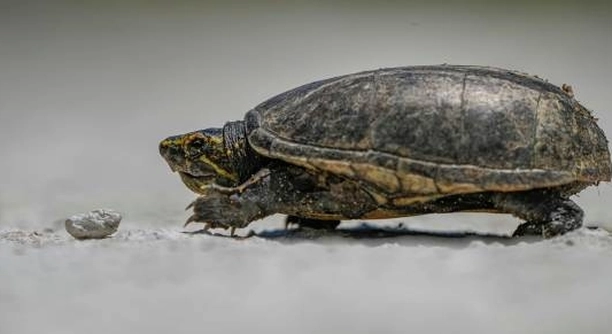
Musk turtles are popular pets, but there is some uncertainty about whether they make noise. This article addresses what you should know about these turtles and their behavior.
Musk turtles are generally silent creatures. However, they can produce subtle noises, particularly when stressed or threatened. These noises are usually low-pitched and are often described as hissing or squeaking, though they are not commonly heard.
Understanding the sounds musk turtles make can help you care for them properly. Keep reading to learn more about their behaviors and how to handle them in different situations.
Do Musk Turtles Really Make Noise?
Musk turtles, unlike many other pets, are not known for being noisy. They tend to keep quiet, making them an ideal pet for those who prefer low-maintenance animals. While they generally don’t vocalize like some other reptiles, they can still make noises in certain situations. The most common sound you might hear from a musk turtle is a hissing or squeaking noise. These sounds are often linked to moments of stress, such as when they feel threatened or are in an unfamiliar environment. However, these noises are subtle and don’t occur frequently.
It’s important to note that a musk turtle’s noise can also be a sign of discomfort or distress. If you notice frequent hissing or other sounds, it may be an indication that something is wrong. Monitoring their behavior closely in such instances can help you address any issues they may be facing.
These turtles are much more likely to make noises during handling, especially if they are not used to being touched. If your turtle is new or not accustomed to human interaction, it might make sounds when you try to pick it up or approach its habitat.
What Causes Musk Turtles to Make Noise?
Musk turtles may make noises when they are scared or feel threatened. This can occur during handling or if they are placed in an unfamiliar environment. The noise is often a defense mechanism, signaling discomfort.
A musk turtle’s behavior can be influenced by several factors, including stress, fear, or pain. If a turtle feels cornered, frightened, or unsure of its surroundings, it may make these sounds to warn off potential threats. These noises, although uncommon, serve as an alert to both the turtle and the surrounding environment that it is uncomfortable. It’s crucial to avoid making them feel trapped or overwhelmed, as this could lead to more frequent vocalizations. With proper care and attention, your turtle will feel safe and less likely to make these noises regularly.
Understanding Musk Turtle Behavior
Musk turtles rarely make noise, but their behavior can give insight into their feelings. Recognizing the signs of stress is key to understanding their vocalizations. A stressed turtle will often display defensive behavior, such as hiding or withdrawing into its shell.
When a musk turtle feels threatened, it may make sounds as a warning or defensive measure. These vocalizations are not typically loud, but they can still be noticeable if you’re close enough. Additionally, the sound can serve as a way for the turtle to communicate its discomfort. It’s important to create a peaceful environment for your turtle to reduce these occurrences. Ensuring that their habitat is clean, quiet, and free of stressors will help them remain calm and avoid unnecessary vocalizations.
A musk turtle’s noise can also be triggered by sudden movements or loud noises from its surroundings. Being mindful of how you interact with the turtle can prevent startling it into making these sounds. Regular handling should be done with care, and the environment should be kept calm to avoid unnecessary stress.
When to Be Concerned About Noises
While some noises are natural, consistent or loud vocalizations may indicate a deeper issue. If your turtle frequently hisses or squeaks, it’s a sign that something may be bothering it.
Pay attention to your musk turtle’s behavior. If it becomes overly active or vocal after certain events, such as water changes or new tankmates, there might be a problem. Frequent vocalizations could signal a health issue, such as respiratory problems or an injury. It’s best to consult with a veterinarian if you notice any significant changes in their behavior. Addressing potential concerns early can prevent further distress and help keep your turtle healthy.
How to Handle a Musk Turtle Safely
When handling a musk turtle, approach it gently to avoid startling it. Slowly place your hand under its body, offering support without squeezing. Avoid sudden movements that might cause stress, which could lead to vocalizations.
Be patient and let the turtle adjust to your presence before attempting to handle it. If it shows signs of discomfort, such as pulling into its shell, give it space. Handling your turtle calmly and infrequently can help reduce stress. Over time, your turtle may become more accustomed to your presence and less likely to make sounds out of fear.
Creating a Comfortable Environment
To keep your musk turtle calm, provide a habitat that mimics its natural surroundings. Include water, basking spots, and hiding spaces to help it feel secure. A clean environment is crucial for its health and well-being.
Musk turtles prefer quiet, low-stress environments. Loud noises and frequent changes in their habitat can cause anxiety, leading to unnecessary vocalizations. Creating a routine for cleaning and feeding can also minimize disruption, allowing your turtle to thrive. Additionally, proper water temperature and lighting are essential for reducing stress and supporting healthy behavior.
What to Do if Your Turtle Is Hissing
If your musk turtle is hissing regularly, take a close look at its environment. Stress, fear, or discomfort are the most common reasons for these sounds. It’s important to identify what might be causing the distress.
Look for any changes that might have upset your turtle, such as new pets, loud noises, or changes in temperature. Providing a stable, quiet environment is the best solution. If the behavior persists, consult a veterinarian to rule out health issues or injuries.
FAQ
Do musk turtles make noise when they’re happy?
Musk turtles are not known to make noise when they are happy. In fact, they are generally silent creatures, and vocalizations are more often associated with stress or discomfort. If a musk turtle seems content, it will usually remain quiet and calm, enjoying its environment. The key to keeping them happy is providing a safe and clean habitat where they feel secure.
What should I do if my musk turtle starts hissing a lot?
If your musk turtle starts hissing frequently, it’s important to assess its environment. A hissing noise is often a sign of stress or discomfort. Make sure the tank is not too noisy or stressful, and ensure the water temperature is ideal. You should also check that there are no other pets or people causing undue stress. If the behavior continues, consulting a veterinarian may be necessary to rule out health problems.
Is it normal for musk turtles to squeak?
While squeaking is not common, it can occur, especially when a turtle feels threatened. If your musk turtle squeaks, it’s likely a reaction to fear or discomfort. Ensuring the turtle feels safe and comfortable can reduce these vocalizations. Creating a peaceful environment with enough hiding spots is key.
Can musk turtles make noise when they are in pain?
Yes, a musk turtle may make noises, including hissing or squeaking, when it is in pain. This could be due to injury, illness, or discomfort. If your turtle is vocalizing in this way, check for signs of injury or infection. A visit to the vet is a good idea if you suspect your turtle is in pain or unwell.
How do I know if my musk turtle is stressed?
Signs of stress in a musk turtle include hissing, excessive movement, hiding, or a refusal to eat. Stress can also manifest through changes in behavior, like increased aggression or frequent attempts to escape its tank. If your turtle is showing these signs, try to eliminate the source of stress, such as sudden environmental changes, loud noises, or handling. A calm and stable habitat is essential for reducing stress.
What are some common causes of stress for musk turtles?
Common causes of stress for musk turtles include sudden changes in their environment, inappropriate water temperatures, loud noises, overcrowding, or even too much handling. Additionally, if the turtle feels threatened by other animals or humans, it may become stressed. Ensuring a calm, consistent environment will help reduce these stressors.
Can musk turtles get lonely?
Musk turtles are solitary creatures by nature and do not typically get lonely in the way that some social animals might. They prefer to live alone and will not necessarily seek out interaction with other turtles or animals. However, they still benefit from regular care and attention from their owners, which can help ensure they remain healthy and content.
Do musk turtles need a lot of attention?
Musk turtles do not require constant attention, but they do need regular care to stay healthy. They need a clean tank, proper water conditions, and occasional handling to keep them comfortable. Too much interaction or handling can stress them out, so it’s important to find a balance between care and giving them space.
What is the best way to handle a musk turtle?
To handle a musk turtle properly, approach it gently and avoid sudden movements that could startle it. Place your hand under the turtle’s body to support it, and avoid grabbing its shell. It’s best to handle your turtle only when necessary to avoid stressing it out. Be mindful of its comfort and keep interactions calm and brief.
Why does my musk turtle hide all the time?
Musk turtles are natural hiders and may spend a lot of time out of sight. Hiding is a normal behavior, especially if they feel threatened or stressed. It’s also part of their natural instincts to find shelter and stay safe. As long as they are eating and behaving normally when they’re out of hiding, there’s generally no need to worry. If your turtle is hiding excessively or showing signs of distress, it could indicate an issue that requires attention.
How can I make my musk turtle feel more comfortable?
To make your musk turtle feel more comfortable, provide a clean, quiet environment with hiding spots and plenty of water. Ensure the water temperature is suitable for the species, and offer basking areas where the turtle can warm up. Reducing handling and avoiding loud noises can help minimize stress and keep the turtle calm. Regular cleaning and maintenance of the tank are also crucial for ensuring a healthy environment.
Can musk turtles be noisy at night?
Musk turtles are generally quiet at night, especially if they are in a comfortable environment. However, if they feel threatened or stressed, they may make noises at any time of day or night. It’s best to keep their habitat undisturbed during the night to avoid unnecessary stress and potential vocalizations.
Final Thoughts
Musk turtles are generally quiet animals, and they do not make noise unless they feel threatened or stressed. The most common sounds they make are hissing or squeaking, which are signs of discomfort, fear, or pain. These noises are typically a reaction to their environment or health issues. If your musk turtle is making noise, it’s important to assess the situation carefully. Changes in their environment, water quality, or temperature can cause stress, leading to vocalizations. Creating a stable, quiet environment will go a long way in minimizing stress and keeping your turtle calm.
Handling your musk turtle too frequently can also cause them to become stressed. These turtles are naturally solitary creatures and do not seek much interaction. It’s best to only handle them when necessary, such as for cleaning or health checks. Allow your turtle to explore its habitat without interference and provide hiding spots where it can retreat if it feels threatened. The more comfortable and secure your turtle feels in its space, the less likely it will be to vocalize. Regularly maintaining the tank and ensuring it is clean and quiet will help create a healthy environment for your turtle.
If your musk turtle’s vocalizations persist, it’s important to look for any potential health problems. A visit to the vet can help rule out any injuries or illnesses that may be causing the distress. In some cases, noisy behavior may indicate an underlying medical issue. Paying attention to their behavior and providing the right care will help you ensure your musk turtle stays healthy and stress-free. By keeping the environment quiet, calm, and consistent, your turtle will be less likely to make unnecessary noise, allowing both of you to enjoy a peaceful, happy coexistence.

Hello,
If you enjoy the content that we create, please consider saying a "Thank You!" by leaving a tip.
Every little bit helps us continue crafting quality advice that supports the health, happiness, and well-being of pets around the world, for pets of all shapes, sizes, and species.
We really appreciate the kindness and support that you show us!