
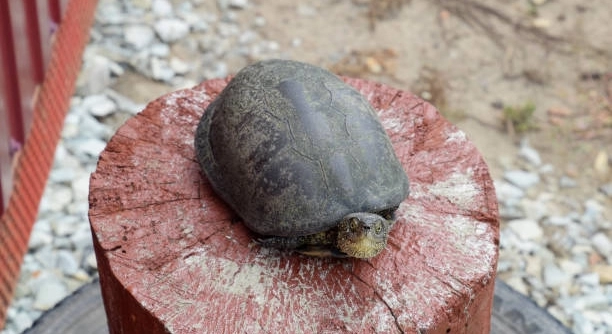
Musk turtles are fascinating pets, but sometimes they can exhibit aggressive behavior. This article explores the possible reasons behind their aggression and how understanding these triggers can help you maintain a healthier relationship with your pet.
Musk turtles may become aggressive due to factors like improper habitat, stress, or territorial behavior. Their aggression is often a result of discomfort, fear, or an instinct to protect their space. Identifying these triggers is key to managing their behavior.
Understanding why musk turtles act out is crucial for improving their living conditions. By learning about these common causes, you’ll be better equipped to prevent and handle aggression in your pet turtle.
Stress from Overcrowding
Musk turtles are known for their territorial nature. When housed with other turtles, they may feel crowded and stressed, leading to aggressive behavior. Overcrowding can cause them to fight over space, food, and basking areas. If your turtle feels like it doesn’t have enough space to claim as its own, this stress can quickly escalate. A smaller tank with too many turtles can result in constant aggression, especially when they are placed in close quarters. In the wild, they are solitary animals, so they need their own space in captivity.
To avoid this issue, make sure that each turtle has enough room. You should aim for at least 10 gallons of water per turtle. If your tank is too small or overcrowded, you might notice more biting, chasing, or aggressive posturing. Consider separating your turtles to reduce stress. Ensuring they have their own private areas in the tank will help reduce tension. In some cases, offering multiple basking spots and hiding places can also provide much-needed space for each turtle to relax.
Poor Water Quality
Musk turtles can be sensitive to poor water quality. If the water in their tank is dirty, it can lead to stress and discomfort, triggering aggression. They are sensitive to high levels of ammonia, nitrates, or low oxygen levels. In poor water conditions, your turtle may act out by becoming more defensive or territorial. Regular water changes and a good filtration system are essential for maintaining a healthy environment. Keep an eye on the water temperature as well, as extremely hot or cold water can add to the stress.
Maintaining clean water helps your turtle feel secure and less stressed, reducing the likelihood of aggressive behavior. Regular tank cleaning and monitoring of the water’s chemical balance are crucial. If the water is not properly filtered or cleaned, your turtle might feel unsafe, leading to more aggression.
Inadequate Basking Opportunities
Musk turtles need to bask to regulate their body temperature. Without a proper basking area, they can become stressed, leading to aggression. If they don’t have access to a dry, warm spot to rest and soak up heat, they can become irritable and defensive. This is a basic need that should not be overlooked.
To prevent frustration, make sure you have a suitable basking platform where your turtle can fully dry out. This area should be close to a heat source, ideally around 85°F to 90°F. If your turtle can’t access this space or the temperature is wrong, it will affect its health and mood. A reliable basking spot is crucial for your turtle’s well-being.
If there’s not enough room for the turtle to bask or if the platform isn’t sturdy enough, the turtle will likely feel trapped. This could lead to aggressive actions toward other tank mates or even directed at you when handling. Basking is essential for both physical and mental health, and any issues with this area can trigger aggression.
Fear or Insecurity
Turtles are naturally cautious animals. If your musk turtle feels threatened or insecure, its first reaction may be aggression. This could stem from sudden movements, loud noises, or even unfamiliar people around its tank. Turtles are creatures of habit, and changes in their environment can cause significant stress. When they feel cornered, they often display aggression as a defense mechanism.
If your turtle has been exposed to unexpected changes, take a step back and give it time to adjust. Don’t approach it too quickly, and avoid making loud noises or sudden movements near the tank. Gradually reintroducing a calm and predictable environment will help your turtle feel more secure. This can reduce any anxiety and help prevent aggressive reactions.
In some cases, handling your turtle too much can also make it feel insecure. Handling should be minimal, especially if your turtle seems anxious. Let your pet move freely and explore its environment at its own pace. A secure, peaceful environment will significantly reduce the chances of aggression.
Improper Diet
Feeding your musk turtle the wrong food can lead to aggression. A diet that lacks the proper nutrients or is overly rich in certain foods can cause discomfort or imbalances. This may increase stress, which can trigger aggressive behaviors.
Make sure your turtle receives a balanced diet, including proteins, leafy greens, and occasional fruits. Overfeeding, especially with high-fat foods, can lead to health issues and stress. This can make your turtle more prone to defensive behaviors. Offering a variety of foods helps meet nutritional needs, reducing the chances of aggression related to diet.
Hormonal Changes
Musk turtles, especially males, may become more aggressive during mating season. Increased hormone levels drive territorial behavior and make them more defensive. During this time, they may show more aggression toward other turtles or even their owners.
Recognizing these changes can help you manage your turtle’s behavior during this period. Providing a calm and controlled environment will reduce stress and aggression. It’s essential to monitor interactions and avoid adding new tank mates during these times. Understanding hormonal changes makes handling easier and less stressful for both you and your turtle.
FAQ
How can I prevent aggression in my musk turtle?
To prevent aggression, ensure your musk turtle has enough space, clean water, and proper basking opportunities. Avoid overcrowding the tank, as this can lead to stress and territorial disputes. Ensure your turtle has hiding spots and basking areas to reduce stress. Also, keep the tank clean and maintain proper water quality. Offering a balanced diet and minimizing handling can help create a peaceful environment.
What is the best tank size for musk turtles?
A single musk turtle should have at least a 40-gallon tank. For each additional turtle, add 10 gallons of water. Having enough space is crucial for reducing aggression. A larger tank also gives your turtle room to swim, bask, and explore. Make sure the tank is well-filtered and provides both shallow and deep areas to cater to their swimming habits.
Can my musk turtle live with other turtles?
Musk turtles can live with other turtles if the tank is large enough and provides enough hiding spots and basking areas. However, they are territorial creatures, so introducing another turtle into their space may lead to aggression. It’s best to observe their behavior closely and separate them if fighting occurs. If they are housed together, make sure each turtle has its own space.
How often should I change the water in my turtle’s tank?
It’s recommended to change 25-30% of the water in your turtle’s tank every week to keep it clean. If the tank is heavily soiled or if the water looks dirty, you may need to change it more frequently. Maintaining good water quality is essential to keeping your turtle healthy and reducing aggression.
Why is my musk turtle not basking?
If your musk turtle is not basking, it could be due to improper water temperature, inadequate lighting, or a lack of a proper basking platform. Ensure that the water temperature is between 75°F and 80°F, and the basking area is around 85°F to 90°F. A good basking spot should be easily accessible and provide enough room for the turtle to fully dry out. If the environment isn’t right, your turtle may avoid basking.
What should I do if my turtle is acting aggressively toward me?
If your turtle is acting aggressively toward you, avoid forcing interaction. Aggression can often be a sign of fear or stress. Let your turtle come to you on its own terms. Ensure the tank is large enough, has proper hiding spots, and that water quality is clean. Handling should be minimized, especially if your turtle is showing signs of distress. Give your turtle time to adjust to its environment.
How do I know if my turtle is stressed?
Signs of stress in musk turtles include swimming erratically, biting, hiding excessively, or acting defensively. A stressed turtle may also stop eating, bask less frequently, or show aggressive behavior. Stress can be caused by poor water quality, overcrowding, improper lighting, or changes in the environment. If you notice these signs, evaluate the tank conditions and make adjustments to reduce stress.
Can temperature changes cause aggression in musk turtles?
Yes, temperature changes can cause musk turtles to become stressed or aggressive. Sudden fluctuations in water temperature can disrupt their behavior and make them feel uncomfortable. Maintaining a stable temperature in the tank is essential. Keep the water at a steady 75°F to 80°F, with the basking area slightly warmer to encourage normal behavior. Avoid placing the tank in areas with fluctuating temperatures.
How can I tell if my turtle is sick or just acting aggressively?
A sick turtle may show signs such as lethargy, loss of appetite, or swelling. If your turtle is acting aggressively, it’s important to consider the overall health and behavior. If it continues to show signs of aggression along with other symptoms like skin discoloration or abnormal swimming, it could be a sign of illness. If you’re unsure, it’s best to consult a veterinarian familiar with reptiles to rule out health issues.
Is it okay to handle my musk turtle often?
Musk turtles prefer minimal handling, as excessive handling can cause stress and aggression. It’s best to handle your turtle only when necessary, like for tank cleaning or a check-up. Let your turtle move at its own pace and give it time to feel comfortable in its space. Avoid forcing contact, especially when it’s displaying defensive behaviors.
Final Thoughts
Understanding why musk turtles become aggressive is essential for maintaining a peaceful and healthy environment for them. Several factors contribute to aggression, such as overcrowding, poor water quality, and stress. Ensuring your turtle has enough space, a clean tank, and proper basking opportunities is crucial for preventing aggression. These are the basic needs that every turtle requires, and by meeting these needs, you can minimize stress and avoid aggressive behavior. Proper care and attention to their environment go a long way in keeping your turtle happy and calm.
It’s also important to remember that musk turtles can be sensitive to changes in their surroundings. Whether it’s a shift in temperature, new tank mates, or sudden movements, anything that disrupts their sense of safety can lead to defensive behavior. Taking small steps to reduce their stress, like avoiding loud noises or sudden actions, can help prevent aggression. Also, observing your turtle closely will help you spot signs of stress early. If you notice any behavioral changes, such as aggression, it may be time to adjust their living conditions to help them feel secure again.
Lastly, while aggression in musk turtles is a natural response to certain conditions, addressing these factors in a timely manner can prevent long-term problems. By providing a well-maintained tank, monitoring their behavior, and giving them space, you can reduce aggressive tendencies. Regularly checking water quality, ensuring the right temperature, and keeping the tank environment peaceful will not only prevent aggression but will also promote your turtle’s overall health and happiness. This approach will allow you to enjoy a more positive experience with your musk turtle and foster a better relationship.

Hello,
If you enjoy the content that we create, please consider saying a "Thank You!" by leaving a tip.
Every little bit helps us continue crafting quality advice that supports the health, happiness, and well-being of pets around the world, for pets of all shapes, sizes, and species.
We really appreciate the kindness and support that you show us!