
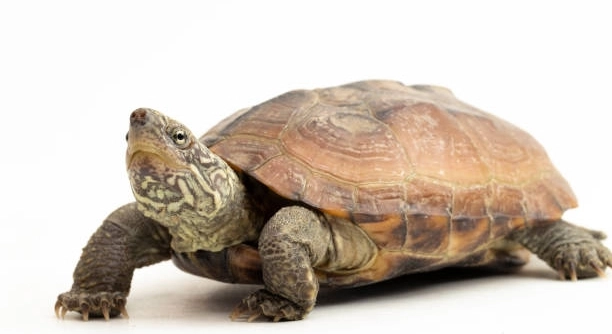
Musk turtles are popular pets, but like any animal, they can experience stress. Understanding the signs early is key to ensuring their well-being and providing the best care.
The most common signs of stress in musk turtles include erratic swimming, loss of appetite, excessive hiding, changes in behavior, and physical symptoms like shell discoloration or open-mouth breathing. Addressing these signs promptly can prevent further complications.
By recognizing stress early in musk turtles, you can take steps to address the underlying issues. Understanding these signs will help you care for your turtle’s health and happiness effectively.
Erratic Swimming Behavior
Musk turtles are known for their calm swimming patterns, often gliding gracefully through the water. When stressed, however, they may exhibit erratic swimming. This can include fast, unpredictable movements or constant circling. If a turtle is swimming frantically or appears disoriented, it could be a sign of anxiety or environmental stress. Changes in water temperature, filtration, or tank setup can trigger this behavior, as they create an environment that is not comfortable for the turtle.
This type of swimming behavior is more noticeable in the presence of other stress signals like loss of appetite or hiding. It’s important to pay attention to these patterns.
Addressing erratic swimming involves checking the water temperature and the overall tank setup. Musk turtles are sensitive to water conditions, and maintaining clean, filtered water is crucial. A stable environment with minimal disturbances will help them feel more secure. Additionally, adding hiding spots or plants to the tank can offer them safe places to retreat when feeling threatened or stressed. Regular monitoring of their tank environment can prevent further stress and ensure they remain comfortable.
Loss of Appetite
A loss of appetite is one of the more noticeable signs of stress in musk turtles. When they stop eating, it’s important to address potential underlying causes.
Stress from an unbalanced environment or too much handling can make them lose interest in food. Keeping their diet varied and ensuring the water temperature is optimal can also help restore their appetite.
Excessive Hiding
When a musk turtle spends too much time hiding, it’s usually a sign of stress. They may retreat into corners or under rocks in the tank. While turtles occasionally need a quiet space, excessive hiding could indicate something is wrong.
The turtle may feel unsafe or threatened by changes in their environment. Stressors such as loud noises, bright lights, or tankmates can trigger this behavior. It’s essential to identify the cause of their anxiety and make adjustments. If hiding becomes persistent, checking water quality and overall habitat conditions is important.
Turtles may also hide more when they’re sick or in pain. In such cases, observing other symptoms, like lethargy or changes in appearance, can help determine the cause. Ensuring your turtle has a safe, quiet space to retreat to is important, but avoid making the tank too isolated, as that can increase stress.
Changes in Behavior
Musk turtles are usually calm and predictable in their actions. However, stress can cause noticeable changes in their behavior, such as aggression, rapid movements, or irritability. These shifts may be caused by environmental changes or handling.
If your turtle starts acting differently, it’s a clear signal that something is affecting their well-being. Stress can be triggered by factors like temperature fluctuations, poor water conditions, or even the presence of unfamiliar tankmates. Stress may also result from changes in the turtle’s diet or handling, which could make them more defensive or skittish.
A change in behavior can sometimes be subtle, like increased biting or constant pacing. If this occurs, it’s important to assess the turtle’s surroundings. Make sure the water temperature is within the recommended range, and the habitat is secure. Reducing stressors by creating a consistent and stable environment will help your turtle return to their normal behavior.
Shell Discoloration
Musk turtles under stress may experience changes in their shell color. A normally vibrant shell can turn pale, dark, or even develop spots. This could be a sign of poor water quality or illness.
Changes in shell color should not be ignored. The shell serves as an indicator of the turtle’s overall health. Discoloration is often linked to stress factors, such as inadequate tank conditions or infections. Make sure the tank is properly filtered, and the water is free of harmful chemicals.
Open-Mouth Breathing
Stress in musk turtles can lead to open-mouth breathing, a clear sign of distress. This behavior often occurs when the turtle is having difficulty breathing or feeling threatened.
Open-mouth breathing may indicate water quality issues or respiratory infections. It’s essential to ensure the water is clean and the turtle has access to sufficient oxygen. If the behavior persists, consider consulting a vet for further examination.
FAQ
What are common causes of stress in musk turtles?
Musk turtles experience stress due to various factors, including changes in their environment, improper water conditions, and poor tank setup. Loud noises, temperature fluctuations, overcrowding, or inappropriate tankmates can also make them feel unsafe. Stress can also result from inadequate lighting or insufficient hiding spaces, leaving turtles feeling exposed. It’s essential to maintain a stable environment and ensure the tank conditions match the turtle’s natural habitat to reduce stress. Regular water quality checks and a proper diet can help minimize stress levels.
How can I tell if my musk turtle is stressed?
Signs of stress in musk turtles include erratic swimming, loss of appetite, excessive hiding, behavioral changes, shell discoloration, and open-mouth breathing. If your turtle is behaving unusually or showing signs of distress, it’s important to act quickly. Assessing their environment and checking for potential stressors can help determine the cause. A stressed turtle may also appear more lethargic or agitated than usual. If these signs persist, it’s best to consult a veterinarian for a proper diagnosis.
How can I reduce stress in my musk turtle’s tank?
To reduce stress, it’s important to provide a stable, clean environment. Ensure the water temperature is within the recommended range (usually between 72°F and 78°F) and the water is properly filtered. Avoid placing the tank in high-traffic areas to minimize disturbances. Additionally, provide enough hiding spots for your turtle to retreat when feeling threatened. Keep tankmates appropriate, as aggressive or incompatible species can add stress. Regular cleaning and water changes are essential to maintaining a healthy habitat.
Should I handle my musk turtle if it shows signs of stress?
Handling should be minimized when your musk turtle is showing signs of stress. Over-handling can increase anxiety and further aggravate the stress response. If you need to handle your turtle, do so gently and for short periods. Giving your turtle space to settle in its environment is crucial. If the stress persists, assess the tank conditions and make necessary adjustments. You can also provide your turtle with a more secure hiding spot to feel safe.
Can poor diet contribute to stress in musk turtles?
Yes, a poor diet can contribute to stress in musk turtles. An imbalanced or inadequate diet can weaken their immune system, making them more susceptible to stress and illness. Musk turtles require a variety of foods, including high-quality pellets, fresh vegetables, and occasional protein sources like insects or fish. A proper diet supports their overall health and helps prevent stress. Make sure to avoid feeding your turtle food that is too high in fat or too low in nutrients, as it can affect their energy levels and overall well-being.
Is it normal for musk turtles to hide a lot?
Hiding is normal for musk turtles, but excessive hiding can indicate stress. If a turtle frequently hides and only emerges briefly for food, it may be feeling threatened or uncomfortable. In such cases, it’s important to assess the tank conditions, including water temperature, lighting, and any potential stressors like other aggressive tankmates. Sometimes, turtles hide because they feel insecure or unwell. Offering more hiding spots or changing their environment slightly can help them feel more at ease.
Can a stressed musk turtle get sick?
Yes, stress can weaken a musk turtle’s immune system, making it more vulnerable to illnesses. Stress can cause a decline in eating habits, and prolonged periods of poor health can lead to infections or respiratory issues. If you notice persistent stress-related symptoms, it’s important to address the cause as soon as possible to prevent further complications. In some cases, consulting a veterinarian might be necessary to ensure your turtle’s health is properly managed.
What can I do if my musk turtle is breathing heavily or with an open mouth?
Open-mouth breathing and heavy breathing can be signs of stress, respiratory infection, or poor water quality. Check the water conditions to ensure they are optimal, with proper oxygen levels and clean water. If the behavior continues, it’s crucial to take your turtle to a vet for a checkup. A respiratory infection can be serious and may require antibiotics or other treatment. Additionally, ensure your turtle’s environment is free from any irritants or sudden changes that could contribute to breathing difficulties.
Why is my musk turtle swimming erratically?
Erratic swimming often indicates stress, whether caused by water quality issues, temperature fluctuations, or a sense of danger. If your turtle is swimming rapidly or darting around the tank without a clear purpose, it may feel threatened or confused. Check for signs of poor water conditions, such as high ammonia levels or improper filtration. Make sure the water is at the correct temperature and that there are no aggressive tankmates. By adjusting their environment, you can help calm your turtle and prevent further stress.
Can stress affect the shell of a musk turtle?
Yes, stress can lead to changes in a musk turtle’s shell. Stress-related shell discoloration is common, often appearing as a paler or darker color, or even the development of spots. These changes may also signal underlying health problems, such as infections or poor nutrition. Regularly monitor the condition of your turtle’s shell and ensure it’s free from cracks or soft spots. Maintaining proper water quality and diet can help improve the overall condition of the shell and prevent stress-related issues.
Final Thoughts
Recognizing the early signs of stress in musk turtles is crucial for their well-being. By understanding how to identify these signs, you can take steps to improve their living conditions and help them feel more secure. Stress can lead to long-term health issues, so it’s essential to act quickly when you notice any changes in behavior or physical appearance. Ensuring a stable, comfortable environment with proper water quality, temperature, and space can make a big difference in preventing stress.
In addition to creating a comfortable habitat, monitoring your turtle’s behavior regularly is key. Small changes like erratic swimming, hiding, or loss of appetite can indicate stress or discomfort. If your turtle is showing signs of illness or persistent distress, it’s important to adjust the tank conditions and, if necessary, consult a veterinarian. Stress is often caused by factors that are easy to correct, like improper water quality or tankmates, so addressing these issues early can help your turtle feel better quickly.
Caring for a musk turtle involves more than just feeding and cleaning the tank. It requires attention to their mental and physical health, which includes watching for signs of stress. By maintaining a calm and consistent environment, providing a balanced diet, and responding to their needs, you can help ensure your turtle thrives. Proper care not only reduces stress but also promotes a longer, healthier life for your pet.

Hello,
If you enjoy the content that we create, please consider saying a "Thank You!" by leaving a tip.
Every little bit helps us continue crafting quality advice that supports the health, happiness, and well-being of pets around the world, for pets of all shapes, sizes, and species.
We really appreciate the kindness and support that you show us!