
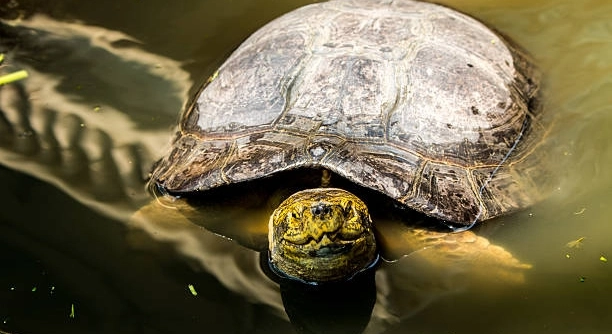
Musk turtles are fascinating creatures, and knowing when they’re about to lay eggs can help ensure their comfort and well-being. Understanding the signs that point to this event can make the process easier for both you and your turtle.
When a musk turtle is preparing to lay eggs, certain behaviors and physical changes become evident. These signs may include digging behavior, increased restlessness, changes in appetite, and a more noticeable roundness in the abdomen.
Recognizing these clues will help you provide a safe, comfortable environment for your turtle. Observing the changes closely allows you to take proactive measures and support her during this natural process.
Increased Restlessness
As your musk turtle approaches the time to lay her eggs, you’ll likely notice a rise in her activity level. She may become more restless, swimming around her tank or pacing along the edges of her enclosure. This behavior can be a sign that she’s feeling the urge to find a suitable spot for egg-laying. While it’s completely normal for her to move around, you may also see her spending more time away from her usual resting places.
Restlessness typically means that your turtle is looking for a place to dig or prepare. Her instincts push her to search for a safe, quiet area where she can lay her eggs without being disturbed. It’s crucial to offer her a comfortable and secure environment during this period.
To help her through this stage, provide her with a soft, damp substrate in her enclosure. Having a place to dig is essential for her, as it gives her the opportunity to create a suitable nesting site. Without this, she may become even more stressed, which could lead to complications. Be mindful of her behavior and allow her the time she needs to prepare.
Physical Changes
Another clear sign your musk turtle is preparing to lay eggs is noticeable changes in her body. As she gets ready to lay, you may observe her abdomen becoming rounder and more swollen. This is because her eggs are developing and filling up her body cavity. You might also notice her becoming less active and avoiding food, a typical behavior when preparing for this natural process.
A round abdomen can sometimes make your turtle appear slightly bulkier, which is a clear indicator of egg development. You might also see her spending more time basking as her body adjusts to the changes happening inside. These physical shifts are essential to the egg-laying process and should be carefully monitored.
When this happens, providing her with a calm environment and offering plenty of space to roam is key. You can also monitor her closely to ensure she’s not in distress. The more comfortable she is during this period, the easier the process will be.
Digging Behavior
One of the clearest signs that your musk turtle is getting ready to lay eggs is her tendency to dig. She may start to dig at the substrate in her tank or enclosure, looking for a place to bury her eggs. This behavior is instinctual and should be expected.
The digging process is necessary for her to create a safe nest. It’s important to have a soft, sandy, or soil-like substrate in her tank. The ideal substrate allows her to easily dig and feel secure. If she doesn’t have an appropriate area, she may become frustrated and stressed. Keep an eye on her, and make sure she has the right conditions to carry out her natural behavior.
It’s essential to give her privacy and time to dig without interference. Interrupting her during this process can cause unnecessary stress. You can also add a nesting box with moist sand to encourage this behavior. By offering a suitable space, you’re ensuring she feels safe and able to complete this stage.
Changes in Appetite
You might notice a drop in your musk turtle’s appetite when she’s preparing to lay eggs. This is common as she enters the egg-laying process. Many turtles naturally eat less or avoid food completely when they are getting ready to nest. It’s important not to be alarmed by this behavior.
During this time, your turtle’s body is focused on egg development, and the change in appetite reflects her shifting priorities. Although she may not be interested in food, make sure she has access to water at all times. Her reduced appetite usually doesn’t last long, and she’ll resume eating once she’s laid her eggs.
Be patient with her as her body adjusts to the physical changes taking place. Offering her favorite foods may help encourage eating once she feels ready. If the reduced appetite continues after laying eggs, consult a vet to make sure everything is on track.
Increased Basking Behavior
As your musk turtle nears egg-laying time, you might notice an increase in her basking behavior. She’ll spend more time resting under the heat source, absorbing warmth. This extra time spent basking helps regulate her body temperature as she prepares for the physical demands of laying eggs.
Basking is crucial for her as it aids digestion and keeps her energy levels stable. It also supports the egg development process. Ensure that she has access to a proper basking spot with the right heat and light, allowing her to rest comfortably.
Nesting Site Selection
A musk turtle may begin to show more interest in finding a specific nesting area once her body is ready. She will often inspect various spots around her enclosure, searching for a safe, quiet place to lay her eggs. This behavior is a natural instinct to ensure a secure environment for egg laying.
Provide her with soft, moist sand or soil to dig into. A dedicated, quiet spot will allow her to focus on nesting. The more suitable the area, the less stressed she’ll feel. Having a well-prepared spot encourages a smooth and successful egg-laying experience.
FAQ
How can I tell if my musk turtle is pregnant?
A pregnant musk turtle will show several physical and behavioral signs. One of the main indicators is a noticeably swollen abdomen, which occurs as the eggs develop inside her. She may also become more restless, moving around her enclosure in search of a good nesting spot. Her appetite might decrease, and she may spend more time basking to regulate her body temperature. These signs are common as she prepares to lay her eggs. It’s important to ensure she has a safe, quiet environment during this time to feel secure.
How long does it take for a musk turtle to lay eggs?
The process of laying eggs typically takes several hours to a day, depending on the turtle. After the eggs are laid, your turtle may spend some time covering them with sand or soil, which is part of her instinctual nesting behavior. The whole process can take a while, so it’s best to provide her with plenty of space and time without interruption.
Do musk turtles lay eggs in water or on land?
Musk turtles lay their eggs on land, usually in a soft substrate such as sand or soil. While they are aquatic turtles, they need to leave the water to find a suitable spot for egg-laying. It’s essential to offer your turtle a nesting area with the right conditions, such as a dry, soft substrate, so she can bury her eggs safely. Avoid providing only a water-filled tank, as she will likely be stressed without a proper land area for nesting.
Can I touch my musk turtle while she’s laying eggs?
It’s best to avoid handling your musk turtle during the egg-laying process. Disturbing her while she is laying eggs can cause stress and potentially interfere with the process. Allow her the space and privacy she needs to dig, lay, and cover her eggs. Interruption during this time could lead to complications, including egg retention, where the turtle may have trouble laying her eggs.
What should I do if my musk turtle refuses to lay eggs?
If your musk turtle is showing signs that she’s ready to lay eggs but doesn’t do so, she might be experiencing stress or an unsuitable environment. Ensure she has access to a comfortable, quiet area to nest. If she continues to show signs of distress or egg retention, consider consulting a vet who specializes in reptiles. Sometimes, turtles need help in releasing their eggs if they are unable to do so naturally.
How often do musk turtles lay eggs?
Musk turtles typically lay eggs once a year, although this can vary. The frequency of egg-laying depends on factors such as age, health, and environmental conditions. Female turtles will usually lay multiple eggs at a time, but the exact number can differ. It’s important to provide the right conditions throughout the year to support her reproductive health.
How can I prepare my turtle’s enclosure for egg-laying?
To help your musk turtle lay eggs, you need to create an appropriate environment. Start by providing a dry area with soft, moist sand or soil where she can dig. The temperature should be regulated, with a basking area and appropriate lighting. It’s also essential to offer privacy and minimize any disturbances, as this will help her feel more secure during the egg-laying process.
What happens after a musk turtle lays eggs?
Once your musk turtle has laid her eggs, she will typically cover them with the substrate and return to her normal behavior. You may notice that she feels lighter and more relaxed after the process. It’s important not to disturb her during this time. If you plan on incubating the eggs, you can carefully collect them and place them in a controlled environment. Otherwise, she may leave the nest on her own.
Can musk turtles lay infertile eggs?
Yes, musk turtles can lay infertile eggs if they have not mated with a male. These eggs won’t hatch, but they are still laid as part of the natural process. If your turtle lays eggs without being mated, it’s generally nothing to worry about. However, you can check with a reptile vet if you’re concerned about her health.
How can I help my musk turtle after she lays eggs?
Once your musk turtle has laid her eggs, give her plenty of rest and space. You should also monitor her behavior to ensure she is recovering well from the egg-laying process. Providing a proper diet and keeping her environment clean will help her regain her strength. If she continues to show any signs of stress or discomfort, consult a veterinarian.
Can my musk turtle get egg-bound?
Yes, musk turtles can sometimes experience egg-binding, which occurs when the eggs become stuck inside her body. This condition can be dangerous and may require veterinary intervention. Signs of egg-binding include a swollen abdomen, difficulty moving, or unusual behavior. If you notice any of these symptoms, seek veterinary help immediately.
How long do musk turtle eggs take to hatch?
Musk turtle eggs typically take around 60 to 90 days to hatch, depending on the temperature and humidity. Warmer temperatures tend to speed up the incubation process, while cooler ones can slow it down. Be sure to provide a stable environment with proper humidity if you’re incubating the eggs yourself.
Final Thoughts
Caring for a musk turtle during her egg-laying process can be a rewarding experience, but it does require attention to detail. Knowing the signs that she’s preparing to lay eggs is essential in ensuring her comfort and health. It’s important to recognize behaviors such as increased restlessness, changes in appetite, and digging. These clues signal that she is preparing for a significant natural event. By providing her with the right environment, you can help reduce her stress and support her through this process. Offering a safe, quiet place with appropriate substrate for digging will allow her to feel secure.
While the process may seem overwhelming at first, observing her and making small adjustments to her environment can make a big difference. Be sure to monitor her physical changes, such as a rounder abdomen, which are indicators that she is carrying eggs. Providing access to proper basking areas and maintaining a comfortable tank temperature will also help her manage the physical changes she is going through. It’s crucial to avoid interrupting her during the egg-laying process, as stress can cause complications. Your patience and careful observation are key during this time.
After your musk turtle lays her eggs, it’s important to give her time to rest and recover. She may not immediately return to her usual behaviors and might need some time to regain her energy. You can support her by providing her with nutritious food and ensuring she has a calm, quiet space to relax. If any unusual behavior or complications arise, such as signs of egg-binding or continued stress, it’s best to consult with a veterinarian. By staying attentive and understanding, you can help ensure a smooth egg-laying process for your musk turtle.

Hello,
If you enjoy the content that we create, please consider saying a "Thank You!" by leaving a tip.
Every little bit helps us continue crafting quality advice that supports the health, happiness, and well-being of pets around the world, for pets of all shapes, sizes, and species.
We really appreciate the kindness and support that you show us!