
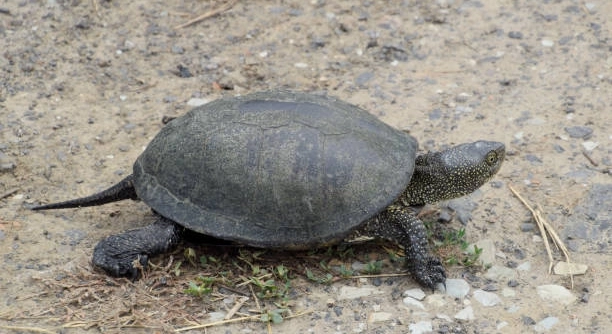
Musk turtles are fascinating creatures, but sometimes they may stop eating. This change in behavior can be concerning, especially for their owners. It’s important to identify the cause to help restore their appetite and well-being.
Musk turtles can lose their appetite for several reasons, including stress, environmental factors, illness, or changes in diet. It’s essential to monitor their conditions closely and investigate potential causes to ensure proper care and timely intervention.
Understanding why musk turtles lose their appetite is crucial for their health. By examining the possible factors, you can better address the issue and keep your turtle thriving.
Stress or Anxiety
Stress can have a major impact on your musk turtle’s appetite. Changes in their environment, such as moving to a new tank or loud noises, can cause them to feel unsafe. This anxiety often results in a refusal to eat. It’s essential to provide a calm, stable habitat for your turtle to thrive in.
A consistent environment with minimal disturbances can help reduce stress levels. Make sure your turtle’s tank is in a quiet area away from loud sounds or constant movement. By doing this, you will help create a more comfortable space for your turtle, promoting better eating habits.
In addition, consider offering a hideout or a space where your turtle can retreat and feel secure. This can further help reduce stress, making them feel more comfortable and less likely to skip meals. Understanding your turtle’s behavior and its needs can greatly improve its appetite and overall well-being.
Temperature and Lighting Issues
Temperature and lighting play a huge role in a musk turtle’s appetite. If the water is too cold or if the lighting is inadequate, your turtle may not feel hungry. Proper heat and light levels are essential for digestion and activity levels.
Ensure that your turtle’s tank has both a basking area with appropriate warmth and a cooler area for swimming. The water temperature should be between 75 and 80°F, while the basking spot should be around 85 to 90°F. Providing these ideal conditions will promote your turtle’s appetite and health.
Lighting is another key factor. Musk turtles require UVB lighting to process calcium and maintain their overall health. If the light is insufficient, it can affect their eating habits and digestion. Regularly check the condition of their bulbs and ensure they are replaced as needed.
Illness or Infection
When your musk turtle isn’t feeling well, it may stop eating. Illnesses like respiratory infections or parasites can cause a loss of appetite. Look for signs like lethargy, abnormal swimming, or changes in behavior, which can help identify if your turtle is unwell.
If you suspect an illness, consult a vet who specializes in reptiles. They can help diagnose the problem and provide appropriate treatment. Illnesses can be serious if left untreated, so it’s essential to act quickly. Ensure your turtle’s tank is clean and hygienic to prevent infections from recurring.
Sometimes, a loss of appetite is the first sign of a bigger issue. A healthy diet and clean environment can help prevent illness, but regular check-ups with a vet are always a good idea. Keeping a close eye on your turtle’s behavior will give you the best chance at catching problems early.
Diet and Nutrition
A poor diet can affect your turtle’s appetite. If their food lacks essential nutrients, they may not feel hungry. Musk turtles need a balanced mix of proteins, greens, and calcium to stay healthy.
Offer a variety of foods like shrimp, insects, and leafy greens. Ensure the food is appropriately sized and easy for them to eat. If your turtle’s diet lacks variety, they might not be motivated to eat, so keep things interesting by rotating their meals. Also, consider adding calcium supplements if your turtle isn’t getting enough from food.
Check that your turtle is eating the right types of food and that it’s fresh. Spoiled food or improper portions can also lead to a loss of appetite. Providing the correct nutrition will keep your turtle healthy and satisfied, promoting a more consistent eating habit.
Overfeeding
Overfeeding your musk turtle can lead to a lack of appetite. When they eat too much, they may feel full and skip meals. It’s important to feed them the right portions to keep them healthy.
Avoid offering food too frequently. Stick to a regular feeding schedule and monitor the amount given. Overfeeding can also lead to poor digestion and health issues, so it’s crucial to find the right balance.
Observe your turtle’s behavior after feeding. If they’re refusing food frequently, it could be a sign they’re eating too much at once. A balanced feeding routine will help maintain their appetite and overall well-being.
Water Quality
The quality of your turtle’s water impacts its appetite. Poor water conditions can cause stress and illness, which may lead to loss of appetite. Regular water changes are essential for maintaining a healthy environment.
Clean the tank regularly to remove waste, excess food, and bacteria. Make sure the water is filtered and kept at the proper temperature. Clear water encourages your turtle to feel more comfortable and eat.
Testing water parameters like pH, ammonia, and nitrite levels ensures everything is within the healthy range. Poor water quality can directly affect your turtle’s health and appetite, so be diligent about its tank maintenance.
FAQ
Why is my musk turtle not eating?
A loss of appetite in musk turtles can be caused by stress, illness, water quality issues, improper lighting or temperature, overfeeding, or a poor diet. Pay attention to their behavior and environment to help determine the cause. It’s important to act quickly to prevent any further health concerns.
How can I help my musk turtle eat again?
To encourage eating, ensure your turtle’s environment is calm and stable. Check the water temperature, lighting, and filtration. Offer a variety of fresh food options, including protein and leafy greens. If symptoms persist, consult a vet.
Can stress cause my musk turtle to stop eating?
Yes, stress can make your musk turtle lose its appetite. Common stressors include loud noises, sudden changes in their environment, or the presence of other animals. Providing a peaceful, secure habitat will help alleviate stress and encourage eating.
What should I do if my musk turtle has been off food for days?
If your turtle hasn’t eaten for a few days, check its environment first. Ensure proper water temperature, cleanliness, and lighting. If there’s no improvement, consult a reptile vet to rule out health issues.
How often should I feed my musk turtle?
Musk turtles should be fed every other day, with portions based on their size and age. Overfeeding can lead to a loss of appetite or health problems. Offering a balanced diet will encourage healthy eating habits.
Can poor water quality cause my musk turtle to lose appetite?
Yes, poor water quality can lead to health problems that affect your turtle’s appetite. Regular water changes, proper filtration, and testing water parameters are essential to maintaining a healthy tank environment.
Should I be concerned if my musk turtle is only eating some of the food I offer?
If your turtle is being selective, it could be due to the type of food, its freshness, or how it’s prepared. Experiment with different foods, but ensure they are properly sized and easy to eat. If selective eating continues, check for underlying health issues.
How do I know if my musk turtle is sick?
Signs of illness in musk turtles include lethargy, changes in behavior, difficulty swimming, abnormal shell condition, or discharge from the eyes or nose. If you notice any of these symptoms, take your turtle to a vet for a check-up.
Can my musk turtle stop eating because of a change in diet?
Yes, a sudden change in diet can cause a loss of appetite. Turtles may take time to adjust to new foods, so gradually introduce new items to their meals. Stick to a balanced, varied diet to encourage eating.
Does temperature affect my musk turtle’s eating habits?
Temperature plays a big role in your turtle’s appetite. If the water is too cold, your turtle may not be hungry. Ensure the water temperature is between 75-80°F and the basking area is around 85-90°F to keep your turtle comfortable and healthy.
What foods are best for my musk turtle?
Musk turtles should have a balanced diet that includes protein (such as insects, fish, and shrimp) and greens (like dandelion, kale, and collard greens). Occasionally offer calcium supplements to support their shell health. Rotate their food to maintain interest and avoid nutritional imbalances.
Can I force-feed my musk turtle if it’s not eating?
Force-feeding is not recommended as it can stress your turtle further and may cause injury. If your turtle refuses to eat for an extended period, consult a vet to identify and address the underlying cause.
How long can my musk turtle go without eating?
Musk turtles can go several days without food, but if they refuse to eat for more than a week, it’s important to investigate the cause. Extended periods without eating can lead to malnutrition and health problems.
Is it normal for a musk turtle to lose appetite during winter?
Some musk turtles experience a reduced appetite during colder months, as their metabolism slows down. This is typically a seasonal change, but if the lack of appetite lasts too long, it’s worth checking for other health or environmental factors.
What happens if my musk turtle doesn’t get enough calcium?
A calcium deficiency can lead to weak bones and shell deformities. Ensure your turtle’s diet includes foods rich in calcium and offer supplements if needed. UVB lighting is also essential for calcium absorption.
Final Thoughts
Musk turtles are fascinating pets, and their care requires attention to detail. If your turtle stops eating, it’s important to assess several factors that could be causing this issue. Problems with their environment, diet, or health may lead to a loss of appetite. By being observant and proactive, you can identify the root cause and help your turtle regain its appetite.
Maintaining a clean, properly lit tank with the right temperature is crucial for your turtle’s well-being. If the water quality is poor or the environment isn’t ideal, your turtle may feel stressed and avoid eating. Ensuring that their diet includes a balance of protein, greens, and calcium will support their health and encourage healthy eating habits. Offering a variety of fresh, appropriately sized foods can also help your turtle stay interested in their meals.
If the issue persists or your turtle shows other signs of illness, it’s best to consult with a veterinarian experienced with reptiles. A professional can identify any underlying health problems and provide treatment. Regular check-ups and careful attention to their diet, tank conditions, and general well-being will help ensure your musk turtle remains healthy and happy for years to come.

Hello,
If you enjoy the content that we create, please consider saying a "Thank You!" by leaving a tip.
Every little bit helps us continue crafting quality advice that supports the health, happiness, and well-being of pets around the world, for pets of all shapes, sizes, and species.
We really appreciate the kindness and support that you show us!