
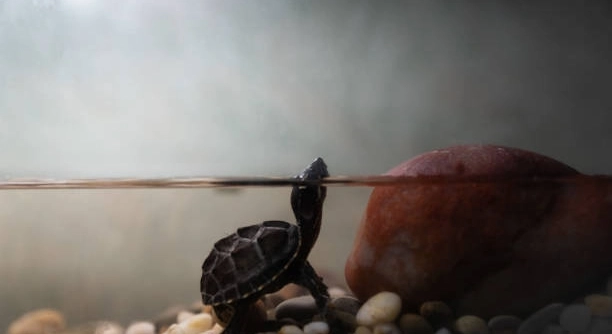
A healthy musk turtle is a joy to care for, but if your turtle isn’t eating enough, it can lead to concerns. Identifying the signs early can help you address the issue and ensure your pet stays happy and healthy.
Your musk turtle may not be eating enough if it exhibits signs like weight loss, lack of interest in food, or lethargy. A decrease in activity and noticeable changes in behavior can indicate poor feeding habits or health concerns.
Understanding why your turtle isn’t eating enough is crucial. Addressing these issues early will not only help your pet recover but also prevent future health problems, ensuring a longer and more vibrant life for your musk turtle.
1. Decreased Appetite and Refusal to Eat
If your musk turtle isn’t eating enough, one of the first signs is a noticeable decrease in appetite. Healthy turtles are usually active feeders, eagerly snapping at their food. However, a sudden lack of interest in food can point to several underlying issues. It could be a result of water temperature fluctuations, stress from tank changes, or even a change in the turtle’s routine. These factors can cause your turtle to lose its appetite.
If your turtle refuses food for an extended period, it can lead to malnutrition. Prolonged refusal to eat can weaken your turtle, making it more vulnerable to illness and infections. Over time, this could affect its overall well-being. It’s important to observe if the lack of appetite continues over several days or weeks. If this is the case, immediate intervention is necessary.
Take action by assessing its environment and diet. Ensure that the water is at the correct temperature and that your turtle has access to proper UV lighting. If all conditions are optimal, but it still refuses to eat, a visit to the vet may be in order.
2. Changes in Activity Levels
Turtles are naturally active creatures. When your musk turtle isn’t eating enough, you might notice a decline in its energy levels. A lack of food often leads to lethargy and inactivity, with the turtle spending more time resting at the bottom of the tank or hiding. This is a sign that your turtle might be underfed.
If your turtle seems less responsive to movement or the presence of food, it’s essential to check for other factors that may contribute to its sluggish behavior. Water quality, diet, and overall tank conditions can all influence how active your turtle is. Make sure your turtle is not just conserving energy but is not sick or stressed.
A drop in activity may also indicate other underlying health issues, such as respiratory infections or shell problems. Monitoring your turtle’s energy levels regularly will help identify any concerning behavior. If it continues to stay inactive despite a healthy environment, it may be time to seek professional advice.
3. Weight Loss and Visible Thinness
If your musk turtle isn’t eating enough, weight loss is a major red flag. You may notice that its body seems thinner than usual, or its shell may look more prominent. Weight loss in turtles often occurs when they aren’t getting enough food, especially over time.
A noticeable reduction in weight can weaken your turtle’s immune system and make it more prone to illnesses. If your turtle appears thinner, check the tank’s temperature, lighting, and water quality. Make sure it has a balanced diet of both plant and animal matter. If the weight loss continues, a vet visit is crucial to ensure your turtle is not suffering from other health issues.
To help your turtle regain weight, offer a variety of foods that meet its nutritional needs. Monitor its eating habits closely and provide a calm, stress-free environment. Maintaining optimal conditions can help it eat better and regain its strength.
4. Abnormal Behavior or Hiding
When a turtle isn’t eating enough, it often exhibits unusual behavior. You may notice your musk turtle hiding more than usual or being less interactive with its environment. This can be a sign of stress or poor health, both of which affect appetite.
Stressors like changes in tank environment, loud noises, or the presence of other aggressive animals can drive your turtle to retreat. Turtles that aren’t eating enough may also display more defensive behavior or spend long periods of time in their hiding spots, avoiding food and interaction.
It’s important to address any environmental changes and monitor your turtle’s reactions. Make sure its habitat is calm, stable, and free of disturbances. A stressed turtle is unlikely to eat and may struggle to recover unless its surroundings are improved. Ensuring the tank is clean and comfortable will help your turtle feel safe and more likely to return to its usual eating habits.
5. Poor Shell Growth
A lack of proper nutrition affects your musk turtle’s shell. When not eating enough, the shell may show stunted growth or become soft and weak. This can lead to deformed shells over time, especially if the turtle doesn’t get enough calcium and other nutrients.
A healthy turtle needs a balanced diet to support proper shell development. If your turtle’s shell growth appears abnormal, it may be missing key vitamins and minerals. You can provide a calcium supplement to promote stronger shell growth. However, poor shell health may also indicate that the turtle is suffering from other health issues like a vitamin deficiency.
To improve shell growth, ensure your turtle is getting a balanced diet with the right nutrients. Offer a mix of aquatic plants, protein, and calcium-rich foods. Regular exposure to UVB light will also help your turtle metabolize calcium properly, keeping its shell strong and healthy.
6. Disinterest in New Foods
If your musk turtle isn’t eating enough, it may show disinterest in trying new foods. Healthy turtles are usually willing to explore different types of food, but a decrease in appetite often leads to this reluctance.
Offering a variety of food options can help stimulate your turtle’s appetite. However, if it consistently refuses new food, there could be an underlying health problem. Pay close attention to the condition of the food you offer, ensuring it’s fresh and properly prepared. A lack of interest could also be a sign of stress or discomfort in the tank.
FAQ
Why is my musk turtle not eating?
There are many potential reasons your musk turtle may not be eating enough. The most common causes are incorrect water temperature, stress, or an unbalanced diet. If the water is too cold, your turtle’s metabolism slows down, and it may not feel like eating. Stress from changes in the environment, tank mates, or even handling can make a turtle refuse food. Additionally, if the turtle isn’t getting the proper nutrients or the food offered doesn’t appeal to it, it might turn away from eating. Ensuring the right water temperature (around 75-80°F) and a consistent, stress-free environment can help improve appetite.
How do I know if my musk turtle is sick?
Signs that your musk turtle is sick include lethargy, weight loss, refusal to eat, and abnormal behavior. If your turtle’s eyes appear swollen or cloudy, it could have a respiratory infection. Additionally, soft or deformed shells can be signs of a calcium deficiency or other health concerns. If you notice any of these symptoms or if the behavior persists for more than a few days, it’s important to visit a vet who specializes in reptiles. A timely diagnosis can prevent further complications and improve your turtle’s chances of recovery.
Can I try feeding my musk turtle different foods?
Yes, trying different foods can help stimulate your turtle’s appetite. Musk turtles are opportunistic feeders and will often eat a variety of foods. You can try offering leafy greens like collard greens or romaine lettuce, protein-rich foods like earthworms, shrimp, or fish, and even commercially available turtle pellets. Ensure that the food is fresh and properly sized for your turtle. Sometimes, changing the type of food can reignite a turtle’s interest in eating, but if disinterest continues, there may be an underlying issue that needs addressing.
What should I do if my turtle refuses to eat for several days?
If your turtle refuses to eat for several days, first check the water quality and temperature to ensure they are within the recommended range. If conditions seem normal, consider any potential stressors in the environment, like changes in tank setup or nearby activity. If the problem persists for more than 2-3 days, it’s time to consult a vet. A prolonged lack of appetite can lead to serious health issues, including malnutrition, so don’t delay seeking professional care.
How can I improve my musk turtle’s diet?
To improve your turtle’s diet, make sure it’s getting a mix of plant-based and animal-based foods. Offer a variety of fresh vegetables like water lettuce, dandelion greens, and kale, along with protein sources like insects, fish, or shrimp. A calcium supplement can also be beneficial for shell health. Additionally, provide high-quality commercial pellets designed for musk turtles to ensure they receive the necessary vitamins and minerals. Keeping the diet varied will help meet all of your turtle’s nutritional needs and encourage it to eat more.
Is it okay to feed my musk turtle only pellets?
While pellets are a convenient option, they should not make up the entire diet of your musk turtle. Pellets are often formulated to provide essential nutrients, but they lack the variety and natural foods that your turtle would encounter in the wild. A diet consisting solely of pellets can lead to nutritional deficiencies over time. Incorporating live food, such as insects, small fish, or worms, along with fresh vegetables, will ensure a more balanced diet and keep your turtle healthy. Always try to give your turtle a variety of food to mimic a more natural diet.
Can water quality affect my turtle’s appetite?
Yes, poor water quality can directly impact your turtle’s appetite. Dirty or improperly filtered water can cause stress, irritate your turtle’s skin, and lead to health problems like infections. Turtles are sensitive to changes in their environment, and low water quality may make them feel unwell or less inclined to eat. Regular water changes, cleaning the tank, and ensuring a good filtration system can help maintain clean water and encourage your turtle to eat. Make sure to test the water regularly to maintain appropriate levels of pH, ammonia, and nitrate.
What temperature should the water be for my musk turtle?
The water temperature for a musk turtle should be between 75-80°F (24-27°C) to promote healthy digestion and activity. If the water is too cold, your turtle’s metabolism slows down, which can result in a loss of appetite or lethargy. On the other hand, water that is too warm can cause stress and health issues. Make sure to use a reliable water heater and thermometer to maintain a stable, comfortable temperature for your turtle. A basking area with a temperature of 85-90°F (29-32°C) is also important for your turtle’s health.
What if my turtle’s shell is soft?
A soft shell can be a sign of a calcium deficiency, which is crucial for a turtle’s shell development. If your musk turtle is not eating enough, it may not be getting the proper nutrients, including calcium, which can lead to a soft or deformed shell. To prevent this, you can offer calcium-rich foods such as leafy greens or calcium supplements. Make sure your turtle has access to UVB light, which helps it process calcium properly. If the shell remains soft despite dietary adjustments, it may be necessary to consult a vet to address the underlying issue.
Final Thoughts
When it comes to caring for your musk turtle, keeping an eye on its eating habits is crucial. If you notice signs like a decreased appetite, weight loss, or lethargy, it could indicate that your turtle isn’t eating enough. This can be caused by various factors, such as improper water temperature, stress, or an unbalanced diet. The sooner you identify the problem, the quicker you can address it and help your turtle return to normal health. Making small adjustments, like changing the tank’s conditions or offering a wider variety of food, can make a significant difference.
If your turtle’s eating habits don’t improve, it’s important to consider visiting a veterinarian who specializes in reptiles. They can help diagnose any underlying health issues that may be affecting your turtle’s appetite. Sometimes, what seems like a simple problem could be the result of a more complex condition. A professional can give you peace of mind and ensure that your turtle is receiving the best possible care. Always monitor your turtle closely and be proactive in seeking help if needed.
In the end, creating a stable and healthy environment for your musk turtle is essential for its well-being. A proper diet, a well-maintained tank, and regular care are all important factors in ensuring that your turtle stays healthy and happy. By staying informed about its needs and addressing any issues promptly, you can help your turtle thrive for years to come. Remember, a little extra attention and care can go a long way in keeping your turtle’s health in check.

Hello,
If you enjoy the content that we create, please consider saying a "Thank You!" by leaving a tip.
Every little bit helps us continue crafting quality advice that supports the health, happiness, and well-being of pets around the world, for pets of all shapes, sizes, and species.
We really appreciate the kindness and support that you show us!