
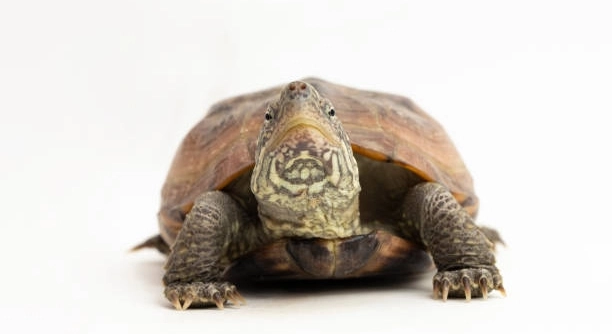
Do you have a female musk turtle and suspect she’s ready to lay eggs? Recognizing the signs can ensure her safety and comfort.
A female musk turtle typically shows nesting behaviors when ready to lay eggs. These include increased activity, digging attempts, and changes in appetite. Providing proper nesting conditions is essential to her health and successful egg-laying.
From preparing the perfect nesting site to understanding subtle behavioral shifts, these tips will help you care for your turtle during this crucial time.
Recognizing the Signs of Egg-Laying Readiness
A female musk turtle displays distinct behaviors when preparing to lay eggs. You may notice her becoming restless, swimming more frequently, or even trying to climb out of her enclosure. These behaviors are natural and signal that she may be looking for a suitable nesting area. Additionally, she might show reduced interest in food as her body prioritizes reproduction over regular activities. Observing these changes early can help you create an environment that supports her needs. Providing proper nesting materials, like moist sand or soil, can make all the difference in her comfort and health.
Creating a safe space is essential. A turtle that feels stressed or lacks an appropriate nesting site may retain her eggs, leading to health complications. Observing her movements closely will help you ensure a smooth process.
Understanding these signs ensures your turtle remains healthy while she navigates this important phase.
Preparing the Nesting Area
A suitable nesting area should mimic the turtle’s natural environment. This includes a warm, soft substrate where she can safely deposit her eggs.
To set up a nesting area, use a container filled with moist sand or soil at least 5 inches deep. Keep the temperature consistent at 80°F to 85°F and ensure the area is private and quiet. Turtles are sensitive to disturbances, and a peaceful setting will encourage egg-laying. Regularly monitor the enclosure for signs that she’s using the nest. After the eggs are laid, remove them carefully to an incubator if you plan to hatch them.
By creating a supportive environment, you’re helping your turtle lay her eggs successfully and maintain her overall well-being.
Behavioral Changes to Watch For
When a female musk turtle is ready to lay eggs, she may become more active and exhibit unusual behaviors. You might notice her scratching at the tank’s edges or digging at the bottom substrate.
Her appetite could also change, either decreasing or focusing more on calcium-rich foods. This dietary shift supports egg development. Additionally, you may observe her basking more often, as heat plays a role in preparing her body for the egg-laying process. These behaviors are all signs that her body is getting ready to reproduce.
Providing close observation during this time is important. If she appears overly stressed or unable to find a suitable nesting area, she could retain her eggs, which is harmful. Responding promptly to these signs ensures her comfort and minimizes health risks associated with retained eggs or improper nesting conditions.
Importance of Proper Nutrition
Calcium is vital for a turtle preparing to lay eggs. Ensure her diet includes foods rich in calcium, like cuttlebone, calcium powder, or commercial turtle pellets designed for breeding turtles.
An imbalance in her diet can lead to weaker eggs and health complications. Supplement her meals with dark leafy greens, as they provide additional nutrients to keep her strong. Always ensure she has access to fresh water to stay hydrated.
By maintaining a balanced diet, you’ll give your musk turtle the support she needs during this demanding time. Proper nutrition not only aids in egg development but also promotes her overall health and recovery post-laying.
Monitoring Stress Levels
A female musk turtle may show signs of stress, like pacing the tank or refusing food, when ready to lay eggs. Creating a calm, secure environment can help her feel more comfortable during this time.
Minimize handling and disturbances in her habitat. Stress can cause complications, so ensure her nesting area is peaceful and undisturbed.
Providing Adequate Hydration
Proper hydration is essential for egg development and overall health. Ensure her tank has clean, fresh water at all times. If you notice her basking more often, consider adding a shallow soaking area to help maintain hydration.
Observing Post-Laying Behavior
After laying eggs, she may appear tired but should gradually return to her normal behavior. If she seems unwell or unusually inactive, consult a veterinarian to ensure there are no retained eggs or health concerns.
FAQ
How can I tell if my musk turtle is pregnant?
Female musk turtles don’t exactly “show” signs of pregnancy like mammals, but you can observe changes in their behavior. She may become more active, looking for a nesting area or trying to escape the tank. Her appetite may also decrease, and she may begin digging or scratching. These behaviors signal that she is ready to lay eggs.
Do female musk turtles always lay eggs?
Yes, female musk turtles can lay eggs even without mating. This is because they can produce eggs through a process known as parthenogenesis. If she is in good health, she may still lay eggs, although they will not be fertilized without a male present.
What should I do if my turtle refuses to eat while laying eggs?
It’s common for a female turtle to lose interest in food during the egg-laying process. However, she should start eating again once she has laid her eggs and recovered. Keep offering nutritious food and fresh water to encourage her to eat. If she continues to refuse food for extended periods, it may be a sign of stress or illness, and you should consult a vet.
Is it normal for my turtle to become more aggressive before laying eggs?
Yes, increased aggression can sometimes be a sign that your turtle is preparing to lay eggs. She may become more territorial or defensive, especially if she feels threatened by other pets or people. This behavior is temporary and should subside once she has laid her eggs and her hormones settle.
Can I move my turtle after she starts showing signs of laying eggs?
It’s best to avoid moving your turtle once you notice signs that she is preparing to lay eggs. Moving her may increase her stress levels and interfere with her natural behavior. Provide a calm, quiet space for her to nest in, and only move her if absolutely necessary, such as for medical reasons.
How long does it take for a female musk turtle to lay eggs?
The egg-laying process can take anywhere from a few hours to a full day. The length of time depends on factors like the number of eggs, her health, and the environment. Once she begins digging and preparing a nest, it may take her several hours to lay all of her eggs.
How can I help my turtle lay eggs successfully?
Provide a suitable nesting area with soft, moist sand or soil. Ensure the area is warm, around 80°F to 85°F, to mimic the conditions she would find in the wild. Keep her tank clean, offer a balanced diet, and minimize stress. Offering her privacy during egg-laying is crucial for her success.
What happens if my turtle cannot lay her eggs?
If your turtle is unable to lay her eggs, it can lead to a condition called egg retention, which can be dangerous. Symptoms of egg retention include lethargy, bloating, and a lack of appetite. If you suspect this, consult a vet immediately to prevent serious complications.
How do I know when my turtle has finished laying her eggs?
Once your turtle finishes laying her eggs, she may bury them in the nesting area and appear exhausted. Her behavior should return to normal shortly afterward, and she may bask or rest more than usual. If you’re unsure whether she’s finished, you can gently check the nest, but avoid disturbing her too much.
Can I incubate the eggs at home?
Yes, if you want to incubate the eggs, you’ll need to remove them carefully from the nesting area. Place them in an incubator set at a temperature of 80°F to 85°F with high humidity. Monitor the eggs for signs of development, and keep the environment stable to encourage hatching.
Final Thoughts
Caring for a female musk turtle during the egg-laying process requires careful attention and understanding of her behavior. When she starts showing signs of readiness, such as increased activity, digging, and a decrease in appetite, it’s crucial to provide her with the right environment. A suitable nesting area with moist sand or soil, a warm temperature, and a peaceful environment will help her lay eggs comfortably. Observing her closely during this time will ensure that she’s not stressed and that any potential issues are addressed early.
While preparing for egg-laying, it’s important to ensure your turtle is well-nourished and hydrated. A balanced diet rich in calcium, along with regular access to fresh water, supports both her health and the development of her eggs. If she seems disinterested in food, it’s often due to her focus on the egg-laying process, which is entirely normal. However, if her appetite doesn’t return after laying, or if she seems unwell, it may be a sign that she needs medical attention.
Ultimately, patience and careful observation are key when caring for a female musk turtle during this period. Providing her with a stress-free, well-maintained habitat can greatly reduce the risk of complications such as egg retention. If you see any unusual behavior or if you’re unsure about her health, don’t hesitate to contact a vet who specializes in reptiles. By offering the right environment, proper care, and monitoring, you can help your turtle through this important and natural process while ensuring her well-being.

Hello,
If you enjoy the content that we create, please consider saying a "Thank You!" by leaving a tip.
Every little bit helps us continue crafting quality advice that supports the health, happiness, and well-being of pets around the world, for pets of all shapes, sizes, and species.
We really appreciate the kindness and support that you show us!