
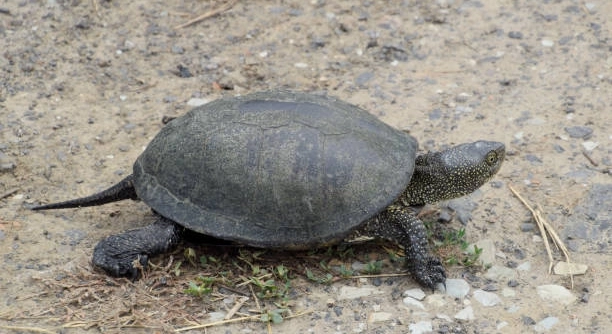
Female musk turtles lay unfertilized eggs due to their biology. These eggs are a natural byproduct of their reproductive cycle, even without male fertilization. This process allows them to maintain regular reproductive health and hormonal balance.
Learning more about this fascinating phenomenon will reveal insights into their unique behaviors and the ecological factors that influence these turtles’ lives. Understanding this process can deepen our appreciation for these intriguing creatures.
The Reproductive Cycle of Female Musk Turtles
Female musk turtles produce eggs even without a male present. This natural process stems from their regular reproductive cycle, ensuring their bodies remain healthy and functional. The absence of fertilization doesn’t stop egg production because it’s biologically driven by hormonal changes. These turtles, like many reptiles, operate on an internal rhythm that triggers ovulation and egg-laying as part of their species’ survival mechanism. This biological system helps prepare their bodies for potential reproduction, maintaining overall health. It’s a fascinating aspect of their life cycle that highlights their resilience and adaptability in various environments.
These unfertilized eggs are laid in safe, natural hiding spots, mimicking what they would do in the wild. This behavior is instinctive and supports the species’ tendency to preserve resources, even if reproduction isn’t occurring.
Understanding their egg-laying patterns sheds light on the complexities of reptilian behavior. It’s a reminder of nature’s intricate design.
Environmental Factors Influencing Egg-Laying
Female musk turtles are influenced by environmental conditions, like temperature and daylight hours. These factors trigger hormonal changes that stimulate egg production, even in controlled or domestic environments.
In their natural habitat, these turtles rely on specific conditions to thrive. Seasonal shifts play a significant role, as the availability of resources like food and nesting sites aligns with their reproductive cycle. In captivity, mimicking these environmental cues can ensure their health. For example, providing the correct lighting and maintaining suitable tank conditions can help regulate their natural processes.
This fascinating connection between biology and environment reveals how deeply intertwined these turtles are with their surroundings. Their behavior offers valuable insights into how species adapt to and rely on their habitats for survival. It’s a compelling look at the balance of nature.
Hormonal Influences on Egg Production
Hormones play a central role in triggering egg production in female musk turtles. Specific hormonal cycles initiate ovulation and drive the production of eggs, even without mating, ensuring their bodies stay active and healthy.
These hormonal changes are influenced by both internal and external factors. Internally, the turtle’s endocrine system regulates the release of reproductive hormones. Externally, environmental cues like temperature and light impact this process, synchronizing their reproductive behaviors with the seasons. These hormonal rhythms are crucial for maintaining their overall well-being, allowing their reproductive system to function optimally throughout their lifespan.
While the eggs laid may not be fertilized, the hormonal processes that drive egg-laying are essential for the turtle’s health. Regular egg-laying prevents issues like egg retention, which can lead to complications. Understanding these hormonal patterns highlights the importance of maintaining a supportive environment for these turtles.
The Role of Diet in Reproductive Health
Proper nutrition supports reproductive health in female musk turtles, ensuring they have the energy and resources for egg production. A balanced diet helps sustain their overall health, directly impacting their ability to produce and lay eggs regularly.
Key nutrients, including calcium and protein, are essential for healthy egg development. Calcium strengthens their shells and helps avoid conditions like soft eggs, while protein supports growth and energy. In the wild, their diet often consists of small aquatic creatures, plants, and insects. In captivity, offering a varied diet that includes pellets, vegetables, and live foods can mimic these needs effectively.
Providing the right nutrition reduces stress on the reproductive system and ensures that egg production doesn’t strain their health. This simple yet vital aspect of care contributes significantly to their well-being and supports their natural reproductive rhythms.
Stress and Its Impact on Egg-Laying
Stress can disrupt the reproductive cycle of female musk turtles. Factors like poor tank conditions, overcrowding, or sudden environmental changes can lead to irregular egg production or health issues, emphasizing the need for a stable, supportive habitat.
Minimizing stress improves their overall health and ensures consistent egg-laying patterns. Providing hiding spots, maintaining water quality, and avoiding unnecessary disturbances can help create a safe and comfortable environment for the turtles to thrive.
Natural Predators and Survival Instincts
In the wild, female musk turtles instinctively lay eggs in hidden locations to protect them from predators. This behavior ensures their reproductive success by reducing the likelihood of predation and preserving future generations.
Importance of Hydration for Reproductive Health
Proper hydration is critical for the health of female musk turtles, as it aids in their overall physiological functions, including egg production and laying.
FAQ
Why do female musk turtles lay unfertilized eggs?
Female musk turtles lay unfertilized eggs as part of their natural reproductive cycle. This process is driven by hormonal changes that occur regularly, even without mating. It helps maintain their reproductive health and prevent complications, such as egg retention, which can harm their well-being.
How often do musk turtles lay eggs?
The frequency of egg-laying varies based on the species, environment, and individual health. Typically, female musk turtles lay eggs multiple times during the breeding season, which is influenced by temperature and daylight. In captivity, with optimal care, they may exhibit similar seasonal patterns.
What happens if a musk turtle retains her eggs?
Egg retention, or dystocia, can lead to severe health issues, including infections and internal damage. Signs of retention include lethargy, lack of appetite, and visible swelling. Immediate veterinary attention is critical to ensure the turtle’s safety and prevent further complications.
Do musk turtles need males to lay eggs?
No, female musk turtles do not need males to lay eggs. They produce eggs regardless of fertilization due to hormonal cycles. Without a male, these eggs will remain unfertilized and non-viable, but the process is still essential for their health.
Can unfertilized eggs be harmful to musk turtles?
Unfertilized eggs are typically harmless if laid properly. However, issues like egg-binding can arise if the turtle cannot lay the eggs. This can occur due to stress, poor diet, or unsuitable environmental conditions, highlighting the need for attentive care.
What are the best conditions for egg-laying in captivity?
Providing a habitat with appropriate temperatures, lighting, and nesting areas is vital. The enclosure should mimic natural conditions with access to a basking spot, clean water, and substrate for nesting. Balanced nutrition further supports healthy egg-laying.
How can I tell if my musk turtle is about to lay eggs?
Signs include increased activity, digging behavior, and a swollen abdomen. Female musk turtles may also become restless as they search for suitable nesting spots. Observing these behaviors can help you prepare their habitat for egg-laying.
Do female musk turtles eat their eggs?
Occasionally, female musk turtles may consume their eggs, especially in captivity. This behavior can result from stress, lack of proper nutrition, or limited nesting areas. Ensuring their needs are met can help reduce the likelihood of this behavior.
Is it normal for musk turtles to lay eggs in water?
It is not uncommon for musk turtles to lay eggs in water, especially if a suitable nesting area isn’t available. However, this can affect the health of the eggs. Providing a proper nesting spot encourages healthier egg-laying behavior.
What should I do if my musk turtle lays eggs?
If your musk turtle lays eggs, ensure the eggs are safely removed if they are unfertilized, as they can attract bacteria in the enclosure. Monitor the turtle’s health and behavior to ensure she recovers well after laying.
Final Thoughts
Female musk turtles laying unfertilized eggs is a fascinating aspect of their biology. This behavior, driven by natural hormonal cycles, is essential for their health and well-being. While the eggs may not result in offspring, the process helps maintain reproductive system function and prevents health issues like egg retention. Understanding this natural occurrence provides insight into the intricate workings of these turtles and the care they require.
Providing the right environment is key to supporting the health of female musk turtles. Factors such as proper nutrition, stress-free surroundings, and suitable nesting areas play a significant role in their well-being. In captivity, mimicking their natural habitat as closely as possible ensures they can exhibit normal behaviors, including egg-laying, without undue stress or complications. Paying attention to their needs helps prevent problems and contributes to a healthier, more balanced life for these turtles.
Learning about the reasons behind egg-laying in musk turtles helps us better appreciate their unique nature. Whether in the wild or in captivity, these turtles rely on stable conditions and attentive care to thrive. By understanding and supporting their natural processes, we can provide them with the environment they need to stay healthy and active.

Hello,
If you enjoy the content that we create, please consider saying a "Thank You!" by leaving a tip.
Every little bit helps us continue crafting quality advice that supports the health, happiness, and well-being of pets around the world, for pets of all shapes, sizes, and species.
We really appreciate the kindness and support that you show us!