
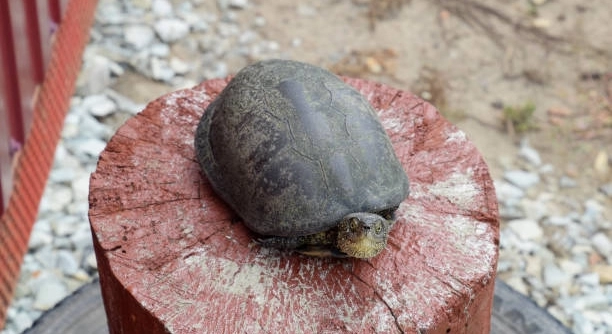
Musk turtles may stop growing for various reasons, including environmental factors, diet, or health issues. Understanding these causes can help you identify potential problems and ensure the well-being of your turtle.
Musk turtles commonly stop growing due to factors such as poor water quality, insufficient diet, low temperatures, or stress. Additionally, metabolic or genetic conditions can impact growth. Ensuring optimal care conditions is essential for healthy growth.
Addressing these issues can help improve your turtle’s growth rate and overall health. Keeping the environment and diet in check will support your turtle’s well-being.
Water Quality and Temperature
Poor water quality is a common reason for growth issues in musk turtles. If the water isn’t clean or contains too many toxins, it can cause stress and hinder growth. It’s essential to maintain water that is free from ammonia, nitrites, and nitrates. This can be achieved by using a good filtration system and performing regular water changes. Additionally, the temperature of the water plays a significant role. Musk turtles thrive in water temperatures between 75°F and 80°F. Anything too cold can slow down their metabolism, causing growth to stall.
A clean, well-maintained habitat is necessary for your turtle’s health. Consistent water changes and proper filtration are key to avoiding growth issues.
If the water is too dirty or the temperature fluctuates, your turtle may stop growing. It’s crucial to set up and maintain a proper environment. This ensures that all conditions align with what your musk turtle needs to grow at a healthy rate.
Inadequate Diet
A poor diet is one of the main reasons your musk turtle may stop growing. If the turtle isn’t getting enough nutrients, it will struggle to grow properly. Be sure to feed them a balanced diet that includes high-quality pellets, fresh vegetables, and occasional protein like insects or small fish.
Overfeeding or underfeeding can both cause issues. Too much food can lead to obesity, while too little can prevent proper growth. The right amount of food will help maintain a healthy weight and ensure proper nutrition.
Turtles need calcium, protein, and essential vitamins to thrive. Without these, their shell, bones, and overall health can suffer. Make sure to supplement their diet with calcium, especially if they’re not getting enough from their food. This helps them grow strong and healthy.
Stress and Environmental Factors
Stress is another factor that can halt growth. Turtles that are stressed may stop eating or basking, both of which affect their health. Common causes of stress include an overcrowded tank, aggressive tank mates, or a lack of hiding spots.
Stress can weaken their immune system and lead to a slowdown in their growth. Make sure to keep their environment calm and peaceful, with enough space to swim and rest. Regularly check for signs of distress or health problems. Addressing these concerns early can prevent growth issues in the future.
Illness or Infection
Health problems can easily disrupt your turtle’s growth. Infections or underlying diseases can lead to a lack of appetite, weakness, or difficulty absorbing nutrients. These symptoms prevent the turtle from growing properly.
Common illnesses include respiratory infections, parasites, or shell rot. If you notice signs of illness, such as lethargy or unusual behavior, consult a vet immediately. Early intervention can prevent growth issues from worsening.
Genetics
Genetics also play a role in your turtle’s growth rate. Some turtles simply have slower growth patterns due to their genetic makeup. These turtles may take longer to reach full size.
If your turtle is otherwise healthy, there may be no need to worry. Growth patterns vary by individual, and some turtles naturally develop at a slower pace.
FAQ
Why isn’t my musk turtle growing?
There could be several reasons why your musk turtle isn’t growing, such as poor water quality, inadequate diet, stress, illness, or genetics. Ensuring the water is clean and at the right temperature, feeding a balanced diet, and reducing stress can help promote growth. If your turtle is still not growing, consider consulting a vet.
How can I improve my musk turtle’s growth rate?
To improve growth, focus on providing clean water, proper lighting, and a balanced diet. Offer a variety of foods, including high-quality pellets, fresh vegetables, and protein sources like insects. Additionally, ensure the tank is spacious, with adequate hiding spots and no aggressive tank mates. Keeping the water temperature steady between 75°F and 80°F is essential for a healthy growth rate.
What is the ideal water temperature for a musk turtle?
Musk turtles thrive in water temperatures between 75°F and 80°F. Water that’s too cold can cause metabolic issues and slow growth. If the water is too warm, it can lead to other health concerns. A reliable aquarium heater can help maintain a consistent temperature for your turtle.
Can musk turtles stop growing due to stress?
Yes, stress can significantly affect your turtle’s growth. Stress from overcrowding, aggressive tank mates, or a lack of proper hiding spots can lead to loss of appetite and poor health. Creating a calm and peaceful environment is essential for encouraging healthy growth.
How do I know if my musk turtle is sick?
Signs of illness in musk turtles can include lethargy, loss of appetite, unusual swimming behavior, and physical symptoms like swelling or discoloration of the skin. If you notice any of these signs, it’s best to consult with a vet specializing in reptiles for a proper diagnosis and treatment.
Can a poor diet cause my turtle to stop growing?
Yes, an inadequate diet is one of the primary reasons for stunted growth. Musk turtles require a balanced diet that includes protein, vegetables, and supplements like calcium for healthy shell and bone development. A diet lacking in essential nutrients can lead to growth problems.
Do musk turtles need UVB light?
Yes, musk turtles need UVB lighting to help them produce vitamin D3, which is essential for calcium absorption and overall health. Without UVB light, they may develop shell deformities or weakened bones, which can interfere with growth. A proper light source should be provided daily for 10 to 12 hours.
How long does it take for a musk turtle to reach full size?
Musk turtles typically reach full size between 5 to 7 years, depending on their environment and care. However, some turtles may take longer to grow, especially if they are slow developers or have health issues. Patience and proper care are key for ensuring steady growth.
Can my musk turtle grow faster if I feed it more?
Overfeeding your musk turtle can lead to obesity and other health problems, such as shell deformities and internal stress. It’s important to feed your turtle the right amount of food based on its age, size, and activity level. Overfeeding won’t necessarily speed up growth, but proper nutrition will support healthy development.
What if my musk turtle’s shell isn’t growing properly?
Improper shell growth can be a sign of calcium deficiency, poor diet, or insufficient UVB light. If your turtle’s shell is soft, deformed, or not growing properly, you may need to adjust its diet and lighting conditions. Supplementing with calcium and ensuring proper UVB exposure can help correct the issue.
Is it normal for my musk turtle to grow slowly?
Some turtles naturally grow at a slower pace due to genetics, environmental factors, or age. As long as your turtle is otherwise healthy, slow growth isn’t necessarily a cause for concern. It’s important to monitor its behavior, diet, and habitat to ensure it’s receiving optimal care.
Final Thoughts
Musk turtles, like all pets, require proper care to ensure they grow and thrive. While there are several factors that can impact their growth, from water quality to diet and stress, understanding and addressing these issues can make a significant difference. Ensuring clean water, a balanced diet, and a stable environment are key to promoting healthy development. Proper lighting, especially UVB light, is also essential to support bone health and overall growth.
It’s important to remember that each musk turtle is unique. Some may grow faster than others due to their genetics, while others may take longer to reach their full size. As long as your turtle is active, eating well, and shows no signs of illness or distress, slow growth might simply be part of their natural pattern. Regularly monitoring their health and making adjustments to their care as needed will help keep them on track for a healthy life.
In any case, patience is crucial. With proper care, most growth issues can be addressed, and your musk turtle will likely continue to grow at a steady pace. If you notice persistent problems or signs of illness, consulting a vet who specializes in reptiles is always a good idea. By providing your turtle with the best possible environment and diet, you can help ensure that they grow strong and healthy, no matter the challenges they may face.

Hello,
If you enjoy the content that we create, please consider saying a "Thank You!" by leaving a tip.
Every little bit helps us continue crafting quality advice that supports the health, happiness, and well-being of pets around the world, for pets of all shapes, sizes, and species.
We really appreciate the kindness and support that you show us!