
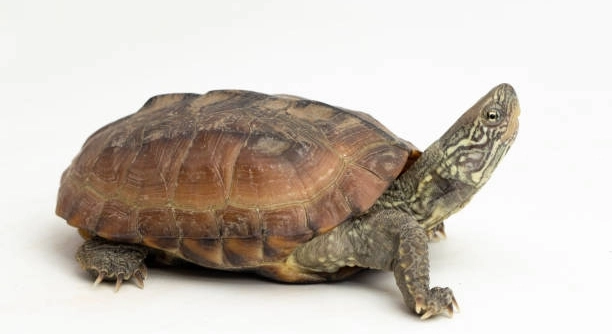
Do you ever find yourself wondering what treats are safe and healthy for your musk turtle at home?
Musk turtles can enjoy a variety of healthy treats, such as leafy greens, small pieces of fruit, and cooked proteins. These options provide essential nutrients, keeping your turtle happy and thriving in its aquatic habitat.
Providing nutritious treats helps ensure your musk turtle’s diet remains balanced and beneficial. Let’s explore these simple and healthy options together.
Leafy Greens for a Nutritional Boost
Leafy greens like romaine lettuce, kale, and dandelion greens are excellent for musk turtles. These greens are rich in calcium and vitamins, promoting strong shell growth and overall health. Avoid spinach as it can hinder calcium absorption. Ensure the greens are fresh, rinsed thoroughly, and cut into small, manageable pieces for easy consumption. Offering greens two to three times a week is ideal, ensuring a balanced diet without overloading on one type of food. Monitor your turtle’s preferences, as individual tastes may vary, and adjust accordingly to keep them happy and healthy.
Leafy greens are a convenient treat to offer since they’re often available at home. They’re easy to prepare and provide essential nutrients your musk turtle needs to thrive.
Incorporating leafy greens into your turtle’s diet not only benefits their health but also adds variety, making mealtime more engaging and satisfying for them.
Fruits as a Sweet Treat
Fruits like apples, bananas, and berries are safe for musk turtles when given in moderation. They are rich in natural sugars and vitamins, providing a healthy energy boost.
While fruits are nutritious, limit their portion to once a week. Excessive sugar can disrupt their diet and lead to potential health issues. Always peel and remove seeds before serving.
By offering fruits occasionally, you give your musk turtle a delightful change from their regular meals. The bright colors and sweet taste can spark their interest and enhance their diet. Always observe their reactions to ensure they tolerate these treats well, adjusting portions as necessary to maintain balance.
Cooked Proteins for Strong Muscles
Cooked proteins like chicken, fish, and boiled eggs are excellent for musk turtles. They support muscle development and provide essential nutrients. Always serve proteins unseasoned, in small portions, and ensure they are fully cooked.
When preparing cooked proteins, focus on lean options. Remove any bones or excess fat to prevent digestive issues. Offering proteins once or twice a week balances your turtle’s diet without overloading on animal-based nutrients. Be sure to chop proteins into small, bite-sized pieces to make it easy for your turtle to eat. This ensures they get the nutrients they need without any risk of choking or overeating.
Proteins are especially important during growth stages or after illness when your musk turtle may need extra nutrients to recover. Including them in the diet provides variety and supports your turtle’s active and healthy lifestyle.
Aquatic Plants for Natural Feeding
Aquatic plants like duckweed, water lettuce, and hornwort are excellent food sources. They replicate a natural diet and keep your turtle entertained as they forage. Ensure the plants are free from pesticides and contaminants.
Adding aquatic plants to their tank promotes a natural feeding environment. These plants are easy to grow, and your turtle can nibble on them at their own pace. Beyond being a food source, they also improve water quality by reducing waste and providing oxygen.
Including aquatic plants adds variety and keeps your turtle stimulated. It’s a low-maintenance and eco-friendly option that benefits both your turtle and their habitat.
Insects for a Protein Boost
Insects like mealworms, crickets, and earthworms are a natural protein source for musk turtles. They mimic the turtle’s wild diet and provide essential nutrients. Offer live or dried insects sparingly, about once or twice a week, to avoid overfeeding.
Insects are easy to source and require minimal preparation. They also provide mental stimulation as your turtle hunts for live ones, mimicking their natural feeding behavior. Ensure insects come from a safe, pesticide-free source to prevent any health risks.
Vegetables for Essential Fiber
Vegetables like carrots, squash, and green beans add fiber and variety to your turtle’s diet. Chop them into small, manageable pieces, and steam or blanch harder vegetables to make them easier to eat. Offer vegetables two to three times a week alongside other foods.
Pellets for Balanced Nutrition
High-quality commercial turtle pellets are a convenient and reliable food option. They contain essential nutrients to support your turtle’s health. Choose pellets formulated specifically for aquatic turtles to ensure a balanced diet.
FAQ
What can I feed my musk turtle every day?
Musk turtles can be fed a mix of leafy greens, vegetables, and small amounts of protein. Offering a variety of foods ensures they receive a balanced diet, promoting good health. A daily meal could include greens like romaine lettuce or dandelion greens, with occasional additions of fruits and cooked proteins. Avoid feeding them too much fruit or animal protein every day, as this can lead to an imbalanced diet.
How often should I feed my musk turtle?
Generally, adult musk turtles should be fed every other day, while juveniles may need daily feedings due to their higher energy needs. Always monitor your turtle’s weight and appetite to adjust their feeding schedule. Offering a variety of foods, including leafy greens and proteins, helps keep the diet balanced. Keep in mind that musk turtles are opportunistic feeders, so they may eat whenever food is available, but overfeeding can lead to obesity and other health issues.
Can I give my musk turtle store-bought pellets every day?
Yes, you can feed your musk turtle store-bought pellets every day, but they should not be the only food provided. Pellets should be part of a varied diet that includes fresh vegetables, leafy greens, and occasional proteins. Pellets are formulated to provide essential nutrients like calcium, vitamins, and minerals, but they lack the variety found in a natural diet. Offering a mix of foods ensures your turtle gets the right nutrients for optimal health.
Are there any foods I should avoid giving my musk turtle?
Avoid feeding your musk turtle any processed or sugary foods, such as junk food or anything too high in fat. Additionally, some vegetables like spinach should be avoided in large amounts as they can inhibit calcium absorption. Other harmful foods include onions, garlic, and citrus fruits, which can upset their digestive system. Stick to fresh, pesticide-free produce and avoid anything that may harm their health.
How do I know if I’m feeding my musk turtle enough?
Your musk turtle should have a healthy, slightly rounded shell and be active. If it’s not eating or seems lethargic, you may be underfeeding or overfeeding. It’s important to offer appropriate portion sizes and observe their behavior. An adult musk turtle may eat less frequently but still maintain a healthy weight. If you notice excessive weight gain, try cutting back on high-fat foods like protein. If they seem too thin, you may need to increase the variety or frequency of meals.
Can I feed my musk turtle live insects?
Yes, feeding your musk turtle live insects such as crickets, mealworms, and earthworms is a great way to provide protein. These insects mimic their natural diet and encourage hunting behavior. Ensure that any live insects are from a safe, pesticide-free source to prevent harm. Live insects should be offered sparingly, as part of a balanced diet that also includes vegetables and leafy greens.
How can I make my musk turtle’s diet more interesting?
You can make your musk turtle’s diet more exciting by offering a variety of textures and flavors. Mix up leafy greens, fruits, cooked proteins, and insects. Adding aquatic plants to their habitat for them to forage is another way to encourage natural behavior. Providing different types of food will not only make feeding time more enjoyable for your turtle but also stimulate their curiosity. You can also try varying the presentation of food, such as offering food in different locations or floating vegetables in the water.
Is it okay to feed my musk turtle fruit?
Yes, fruit can be a tasty and nutritious treat for your musk turtle, but it should only be given in moderation. High sugar content in fruits can cause digestive issues if fed too often. Stick to low-sugar fruits like apples, berries, or bananas. Always peel and remove seeds from the fruit, as these can be harmful to your turtle. A small portion of fruit once a week is generally safe and provides some variety to their diet.
How do I prepare vegetables for my musk turtle?
Vegetables should be chopped into small, manageable pieces to avoid choking hazards. Harder vegetables, like carrots and squash, can be steamed or blanched to make them easier to digest. Raw vegetables are acceptable as well, but ensure they are pesticide-free and thoroughly washed. Serve vegetables a few times a week as part of a balanced diet, offering them alongside greens and occasional proteins. Be sure to vary the vegetables you offer to avoid repetition and encourage a more interesting diet for your turtle.
How do I know if my musk turtle is eating enough?
Look for signs of healthy growth, activity, and a slightly rounded shell. If your turtle seems lethargic, refuses food, or looks too thin, it may not be eating enough. Make sure the food is appropriate for their size and age. Juvenile turtles often need more food than adults due to their rapid growth. If they consistently leave food behind, you might be offering too much or the wrong type of food. Keep track of their eating habits and adjust portions based on their needs.
Final Thoughts
Taking care of a musk turtle requires a bit of attention to its diet and habits. By offering a variety of healthy treats, you can keep your turtle strong, active, and happy. From leafy greens and vegetables to occasional protein, a balanced diet ensures your turtle gets the right nutrients it needs. It’s important to remember that each turtle is unique, and their preferences may vary. Some turtles may love fruits, while others might prefer leafy greens. It’s all about observing their behavior and adjusting your feeding routine accordingly.
When feeding your musk turtle, always consider their age and size. Juvenile turtles tend to have faster metabolisms and may need food more frequently, while adults can be fed every other day. Overfeeding can be as harmful as underfeeding, so it’s essential to measure portions carefully. Offering too much protein or too many sugary fruits can lead to health problems, such as obesity or shell issues. By sticking to a routine of well-balanced meals and providing treats sparingly, you can ensure your turtle remains in good health for years to come.
Lastly, keep in mind that feeding is only one aspect of your turtle’s well-being. A proper habitat with clean water and a safe, stimulating environment is just as important. Aquatic plants, rocks, and hiding spots can provide mental stimulation and encourage natural behaviors. Make sure to regularly check the water quality, and keep an eye on your turtle’s shell and overall condition. With the right care and attention, your musk turtle will thrive, and you’ll be able to enjoy its company for many years.

Hello,
If you enjoy the content that we create, please consider saying a "Thank You!" by leaving a tip.
Every little bit helps us continue crafting quality advice that supports the health, happiness, and well-being of pets around the world, for pets of all shapes, sizes, and species.
We really appreciate the kindness and support that you show us!