
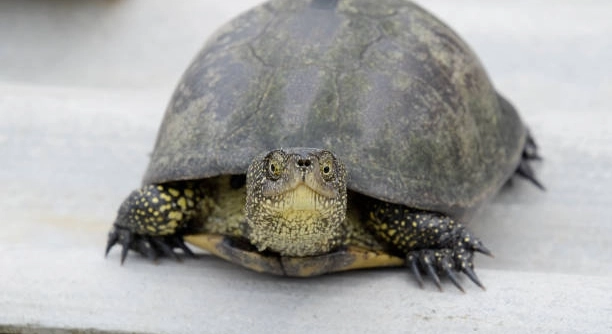
Is your musk turtle constantly digging in its tank, leaving you puzzled by this behavior?
Musk turtles often dig as part of their natural instincts, which include searching for food, creating a comfortable burrow, or preparing for reproduction. Environmental factors like substrate type, temperature, and stress levels can also influence this behavior.
Understanding the reasons behind your musk turtle’s digging can help you create a better habitat and ensure its well-being. Let’s explore the possible causes and how to address them.
Natural Instincts of Musk Turtles
Musk turtles are naturally inclined to dig. In the wild, they burrow to seek shelter, forage for food, or protect themselves from predators. This instinct is deeply rooted in their behavior and often carries over to captive environments. If your turtle has access to soft substrates like sand or gravel, it’s likely to dig as part of its natural habits. Sometimes, digging helps them regulate body temperature by finding cooler or warmer spots depending on their needs.
Environmental conditions play a role in how often your turtle might dig.
Providing a habitat that mimics their natural environment, such as offering hiding spots and a variety of substrate types, encourages healthy and instinctive behavior. It’s important to understand that this action is not unusual but rather a reflection of their wild instincts.
Exploring for Food
Musk turtles may dig when they’re searching for hidden food.
In the wild, musk turtles forage by digging through sediment to uncover insects, worms, or small aquatic creatures. This natural behavior often persists in captivity, especially if food is scattered in their substrate. Offering a mix of sinking pellets and live food can simulate this process, encouraging their natural digging instincts.
Creating a feeding routine that incorporates food items buried in the substrate can promote physical activity and mental stimulation.
Stress or Discomfort
Musk turtles may dig more when they feel stressed or uncomfortable.
Stress can be caused by factors like excessive noise, improper water conditions, or a lack of hiding spots. Discomfort may stem from substrate that’s too rough or sharp, irritating their skin. Addressing these issues helps reduce stress-related digging behaviors.
Ensure your turtle’s habitat offers a quiet, stable environment. Provide plenty of shaded areas or caves to allow for hiding and rest. Check water quality regularly, maintaining proper temperature, pH, and cleanliness. Opt for a soft, natural substrate to prevent irritation or injury. Small adjustments in these areas can significantly improve your turtle’s comfort and well-being.
Reproductive Behavior
Digging may signal reproductive activity in musk turtles.
Females often dig when preparing to lay eggs. Even if they haven’t been with a male, they may exhibit this nesting behavior. Males may dig as part of courtship rituals or to assert territory. This behavior is more likely during warmer months when breeding is common.
If your female turtle is displaying nesting behaviors, provide a suitable area with soft, damp substrate to encourage egg-laying. For males, ensure adequate space and hiding spots to reduce territorial disputes. Observing and understanding these behaviors allows you to provide a habitat that supports their reproductive instincts naturally.
Temperature Regulation
Musk turtles may dig to adjust their body temperature.
If the water is too warm or cold, they instinctively seek out substrate to find a more suitable temperature. Ensuring proper water temperature helps minimize unnecessary digging behavior.
Substrate Exploration
Digging can be a sign of curiosity or substrate exploration.
Musk turtles often dig to investigate their surroundings, especially if the substrate is new or different. Providing varied textures in their habitat can keep them mentally stimulated and encourage healthy behaviors.
Boredom
A lack of stimulation can lead to digging out of boredom.
Enriching the environment with plants, tunnels, and interactive feeding options can help keep your turtle engaged and reduce excessive digging.
FAQ
Why is my musk turtle digging excessively at night?
Musk turtles are naturally more active during dusk and dawn, so it’s common for them to dig more at night. This behavior helps them feel secure, as they may associate darkness with hiding from predators. Providing ample hiding spots can help them feel safer.
Is digging a sign of illness in musk turtles?
Digging isn’t usually a sign of illness, but if it’s accompanied by lethargy, loss of appetite, or other unusual behaviors, it could indicate a health issue. Monitor your turtle closely and consult a vet if you notice persistent signs of discomfort or changes in activity.
Should I change the substrate if my musk turtle digs too much?
Yes, if the substrate seems to irritate your turtle or is too difficult for them to dig through. Use softer materials like fine sand or smooth gravel to encourage natural digging behaviors while preventing injuries. Changing the substrate can also provide a stimulating environment.
Can digging affect my turtle’s health?
Excessive digging in unsuitable substrates can cause skin irritation or damage to their claws. Ensuring the substrate is safe and providing a balanced environment with proper temperature and water quality helps prevent health issues related to digging.
Do all musk turtles dig, or is mine unusual?
Most musk turtles dig as part of their natural instincts. It’s a common behavior in both wild and captive turtles. Each turtle has its own personality, so some may dig more frequently than others, but it’s generally nothing to worry about.
How can I tell if my musk turtle is digging due to stress?
Signs of stress include frantic or repetitive digging, lack of appetite, and increased hiding. Check for environmental factors like noisy surroundings, poor water conditions, or overcrowding in the tank. Addressing these can help reduce stress-related behaviors like excessive digging.
What can I do to stop excessive digging?
Ensure your turtle has a comfortable habitat with proper water conditions, hiding spots, and a soft substrate. Enrich their environment with plants, tunnels, and interactive feeding methods to reduce boredom and provide mental stimulation. These steps can help limit unnecessary digging.
Is it normal for musk turtles to dig even if they’re well-fed?
Yes, digging is not always related to hunger. Even well-fed turtles dig to explore their environment, regulate temperature, or follow natural instincts. Providing opportunities for exploration and hiding can keep them happy and reduce the frequency of digging.
Can digging behavior change over time?
Yes, digging behavior may change based on age, health, or environmental conditions. Young turtles may dig more as they explore, while older turtles might reduce digging if they feel secure. Monitoring their behavior helps identify any changes that require attention.
How deep should the substrate be for a digging musk turtle?
A substrate depth of 2–4 inches is generally sufficient for most musk turtles. This allows them to engage in natural digging behavior without becoming overwhelmed or stressed. Adjust the depth based on your turtle’s size and preferences.
Final Thoughts
Musk turtles are fascinating creatures with unique behaviors, and digging is one of their most common instincts. Whether it’s for comfort, exploration, or temperature regulation, this behavior reflects their natural tendencies. Understanding the reasons behind your turtle’s digging can help you create a more suitable and enriching environment for them.
Providing a habitat that mimics their natural surroundings is key to their well-being. From selecting the right substrate to maintaining proper water conditions, every detail plays a role in supporting their health and comfort. Observing their behavior and making small adjustments when needed can go a long way in ensuring your turtle thrives.
By paying attention to their needs and offering plenty of stimulation, you can reduce excessive digging and keep your musk turtle happy. With the right care and environment, their digging will remain a healthy, natural part of their daily routine.

Hello,
If you enjoy the content that we create, please consider saying a "Thank You!" by leaving a tip.
Every little bit helps us continue crafting quality advice that supports the health, happiness, and well-being of pets around the world, for pets of all shapes, sizes, and species.
We really appreciate the kindness and support that you show us!