
Introduction
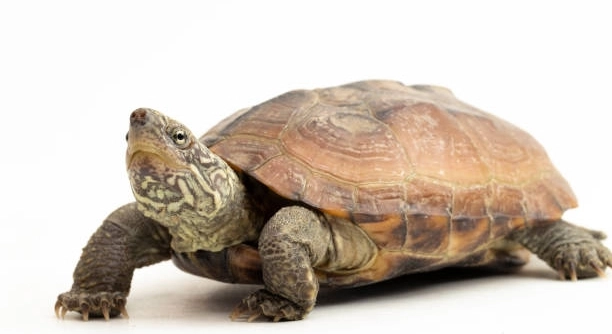
Do you have a musk turtle and wonder if they prefer tanks with a steady water flow or calmer surroundings? Understanding their natural behavior can help you create the perfect habitat for your aquatic companion.
Musk turtles typically prefer still or slow-moving water. Their natural habitats, such as ponds and marshes, provide them with calmer environments, which align with their swimming and foraging behaviors. Ensuring the right tank flow is essential for their comfort.
Creating the ideal environment involves balancing water movement and other essential factors. From tank setup tips to flow management, let’s explore how you can keep your musk turtle happy and healthy.
Do Musk Turtles Like Moving Water?
Musk turtles are aquatic creatures that thrive in environments mimicking their natural habitats. These include calm ponds and marshes with minimal water movement. While they can tolerate some water flow, too much can cause unnecessary stress. They prefer still or slow-moving water that allows them to swim and forage comfortably. Mimicking this in a tank helps ensure their well-being.
Too much water movement can tire your musk turtle, making it difficult for them to rest and feed. A gentle flow from a filter is sufficient to keep the water clean without overwhelming them.
When setting up a tank, focus on creating calm areas with plants, rocks, or driftwood to block strong currents. This setup not only meets their needs but also creates an environment that promotes natural behaviors like hiding, basking, and exploring.
Tank Flow Tips for Musk Turtles
A moderate tank flow is essential for your musk turtle’s comfort and health. Aim for a balance that maintains water quality while avoiding stressful conditions.
To achieve this, use a filter with adjustable flow settings, allowing you to customize water movement. Position the filter outlet near the tank’s corner or direct it towards a wall to minimize strong currents. Adding plants and decorations can further disperse water flow and create hiding spots for your turtle.
Consider the tank size when choosing equipment. Larger tanks may require additional filtration, but remember to keep the flow manageable. Testing water movement with floating objects can help you gauge its intensity. Finally, regular maintenance of the filter ensures it remains effective without overburdening the tank.
Creating the right tank flow improves your musk turtle’s quality of life while keeping their habitat clean and safe.
Adjusting Tank Setup for Minimal Stress
Musk turtles feel secure in tanks with plenty of hiding spots and obstacles to break water flow. Rocks, driftwood, and aquatic plants can help create a more natural and calming environment while ensuring water remains clean and manageable.
Ensure your tank has areas of low flow by strategically placing decorations near the filter output. This setup reduces direct currents and provides your turtle with calmer zones to rest and explore. Additionally, choosing a filter with adjustable settings allows you to fine-tune water flow to meet your turtle’s needs. Test the setup with floating items to observe the current strength and make adjustments as necessary.
Lighting and temperature also play a role in reducing stress. Use a UVB lamp to simulate natural sunlight and maintain a steady water temperature between 72–78°F. This balance supports your musk turtle’s comfort and overall health.
Choosing the Right Filter for Your Tank
A filter with adjustable flow is a reliable choice for a musk turtle tank. It allows you to control water movement and keeps the tank clean without creating strong currents that can overwhelm your turtle.
Look for canister or sponge filters designed for tanks larger than your setup. These options provide efficient filtration without excessive flow. Position the filter outlet towards a wall or corner to diffuse the current further. Adding pre-filter sponges to the outlet can also soften water flow.
Regularly clean the filter to ensure proper functioning. Neglecting maintenance can result in poor filtration or increased water movement. By selecting the right equipment and keeping it in good condition, you create a stress-free environment for your musk turtle.
Managing Water Temperature and Quality
Maintaining the correct water temperature is crucial for your musk turtle’s health. Keep the water between 72–78°F, using an adjustable aquarium heater to regulate it consistently. Extreme fluctuations can stress your turtle and weaken its immune system.
Clean water is equally important. Perform partial water changes weekly to remove waste and debris. Pair this with an efficient filtration system to maintain optimal water quality and prevent harmful bacteria or algae growth.
Providing a Restful Environment
Musk turtles need basking spots to dry off and rest. Use a stable platform with easy access from the water. Position it under a UVB light to simulate sunlight, which supports shell health and vitamin D3 production.
Monitoring Your Turtle’s Behavior
Watch for signs of stress, such as lethargy or reduced appetite. Adjust tank conditions if you notice unusual behaviors.
FAQ
Can musk turtles live in tanks with strong water flow?
Musk turtles are not well-suited for tanks with strong water flow. Their natural habitats are calm, with little current, and they may struggle or become stressed in high-flow conditions. Always aim for a gentle water movement.
How can I reduce water flow in my musk turtle tank?
To reduce water flow, use a filter with adjustable settings or position the outlet towards a wall. Adding decorations like rocks, driftwood, or aquatic plants can also help break up strong currents and create calmer zones.
What type of filter is best for a musk turtle?
Canister and sponge filters are excellent options. They provide efficient filtration without generating excessive water flow. Filters with adjustable flow rates allow for precise control, ensuring the water stays clean and the flow remains turtle-friendly.
Do musk turtles need a water heater?
Yes, musk turtles need a consistent water temperature between 72–78°F. An adjustable aquarium heater ensures the temperature stays within this range, preventing stress and supporting their health. Extreme temperature changes can lead to illness.
How often should I clean the tank?
Perform partial water changes weekly to remove waste and maintain water quality. A clean tank reduces the risk of bacterial growth and keeps your musk turtle healthy. Also, clean the filter regularly to ensure it functions effectively.
Do musk turtles need UVB lighting?
UVB lighting is essential for musk turtles. It supports shell health, aids in calcium absorption, and prevents metabolic bone disease. Provide a UVB lamp over their basking area, ensuring they have access to light for 10–12 hours daily.
What should I feed my musk turtle?
Musk turtles are omnivores and thrive on a varied diet. Offer commercial turtle pellets as a staple, supplemented with protein sources like insects, worms, or small fish. Include leafy greens or aquatic plants for additional nutrients. Feed them in moderation to prevent overfeeding.
How do I know if my musk turtle is stressed?
Signs of stress include lethargy, reduced appetite, or excessive hiding. If you notice these behaviors, check the tank conditions, such as water temperature, flow, and cleanliness, and make adjustments as needed to create a more comfortable environment.
Can I keep multiple musk turtles in the same tank?
Yes, but it requires careful planning. Provide a large enough tank with plenty of hiding spots to prevent territorial disputes. Monitor their interactions and separate them if you notice aggression or stress.
How much space does a musk turtle need?
A single musk turtle needs at least a 30-gallon tank. For multiple turtles, increase the tank size to provide ample swimming and resting areas. A spacious tank reduces stress and promotes natural behaviors.
Can musk turtles live with other species?
Musk turtles can sometimes coexist with peaceful fish or other turtles of similar size. However, avoid aggressive species or those that could harm or outcompete them. Always monitor interactions to ensure compatibility.
Do musk turtles need basking areas?
Yes, musk turtles require a dry basking area where they can rest and regulate their body temperature. Use a stable platform with easy access, positioned under a UVB light for optimal health benefits.
How do I maintain proper water quality?
Use a reliable filtration system and perform weekly partial water changes to maintain water quality. Test the water regularly for pH, ammonia, and nitrate levels to ensure they remain safe for your musk turtle.
Why is my musk turtle hiding all the time?
Excessive hiding may indicate stress. Check for issues like strong water flow, improper temperature, or lack of hiding spots. Providing a more suitable environment can encourage your turtle to explore and behave naturally.
Final Thoughts
Creating a comfortable environment for your musk turtle is key to keeping them healthy and happy. These turtles thrive in calm, natural-like habitats with minimal water flow and plenty of places to hide and bask. By mimicking their natural surroundings, you not only reduce their stress but also encourage natural behaviors like swimming, foraging, and resting. A thoughtful setup ensures your turtle feels secure and thrives in its tank.
Regular maintenance is just as important as the initial setup. Keep the water clean by performing partial water changes and maintaining your filter. Check the water temperature, lighting, and flow regularly to ensure everything is within the ideal range. Observing your turtle’s behavior will also help you spot any potential issues early. Adjusting their environment as needed can make a big difference in their well-being.
Taking the time to understand your musk turtle’s needs helps build a stronger connection with them. Whether you’re adjusting tank conditions or monitoring their health, small changes can lead to big improvements in their quality of life. With proper care and attention, your musk turtle can live a long and content life in the home you’ve created for them.

Hello,
If you enjoy the content that we create, please consider saying a "Thank You!" by leaving a tip.
Every little bit helps us continue crafting quality advice that supports the health, happiness, and well-being of pets around the world, for pets of all shapes, sizes, and species.
We really appreciate the kindness and support that you show us!