
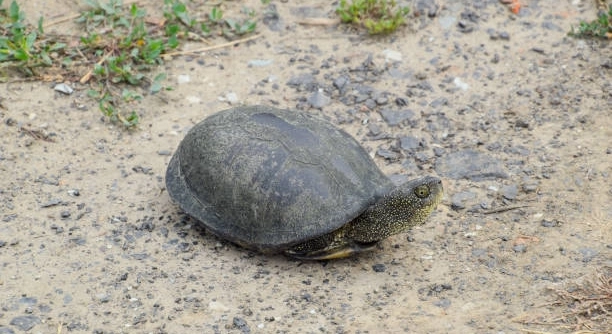
Musk turtles and snapping turtles are both popular species among pet owners. Each has its own unique characteristics, especially when it comes to longevity and care. Understanding the differences can help determine which turtle might be a better long-term companion.
Musk turtles generally have a shorter lifespan than snapping turtles. While musk turtles can live between 20 to 30 years, snapping turtles typically have a lifespan of 30 to 50 years. This difference highlights their varying growth rates and life expectancy.
Knowing the differences in lifespan and care needs will help you provide the best environment for your turtle. Keep reading to learn more about how musk turtles and snapping turtles compare across different aspects.
Lifespan: Comparing the Longevity of Musk and Snapping Turtles
When it comes to longevity, snapping turtles generally outlive musk turtles by a significant margin. Musk turtles, typically smaller in size, have a lifespan of about 20 to 30 years in captivity. Their smaller size often correlates with a faster metabolism, leading to a shorter lifespan. On the other hand, snapping turtles are larger and can live for 30 to 50 years. They have slower metabolisms, which contributes to their longer life expectancy. The difference in lifespan also highlights their distinct care needs.
Musk turtles need less space, which can be more manageable for many pet owners.
However, snapping turtles require larger tanks due to their size. Their longer lifespan means they need a more consistent and long-term commitment to care, including a stable environment, appropriate diet, and regular health monitoring. If you are considering one of these species, think about the level of responsibility you’re ready to take on.
Size and Growth Rate: Musk Turtles vs. Snapping Turtles
Musk turtles are much smaller than snapping turtles, typically reaching 4 to 5 inches in length. Snapping turtles, however, can grow up to 18 inches, making them a more demanding species to house.
Musk turtles’ smaller size allows them to thrive in smaller tanks, but they are still active swimmers and need adequate space to move. They do not require as much room as snapping turtles, but they should still have a proper setup to ensure their health.
In contrast, snapping turtles require large aquariums with deep water to accommodate their growth. They also need more room to roam on land. Their larger size and powerful bite mean that they can become more aggressive, especially during mating seasons.
As they mature, snapping turtles also require more substantial dietary needs, making them a more complex species to care for.
Habitat Requirements: Space and Setup
Musk turtles can thrive in smaller tanks, ideally between 20 to 40 gallons. Their smaller size makes it easier to create a comfortable environment without needing excessive space. Musk turtles require both aquatic and terrestrial elements, including a basking spot.
While a smaller tank may suffice, a musk turtle’s water quality is crucial. Regular water changes and a strong filtration system are essential to avoid health issues. Temperature regulation is also important, as musk turtles prefer warmer water and basking areas.
Snapping turtles, however, need significantly more space. A tank of 75 gallons or larger is recommended for one adult. As they grow, they require deeper water for swimming and space for roaming. A large tank setup with ample basking areas will help ensure their well-being. Water filtration must be more robust to maintain cleanliness due to their larger size and higher waste production.
Diet: Musk Turtles vs. Snapping Turtles
Musk turtles are omnivores, feeding on both plant matter and small invertebrates. Their diet consists of insects, worms, small fish, and aquatic plants.
A balanced diet is necessary for their growth and health. You can supplement their food with pellets made specifically for aquatic turtles. However, it’s essential to offer variety to ensure they receive all the nutrients they need. Feedings should happen 3 to 4 times a week, but the amount of food will depend on their size and age.
Snapping turtles also enjoy a varied diet, but they tend to eat larger prey compared to musk turtles. They can consume small fish, amphibians, aquatic plants, and even smaller birds or mammals. Their diet can be more challenging, as they may need fresh meat or live food for a proper nutritional balance. Snapping turtles may also be more prone to overeating if they are not carefully managed, leading to health issues like obesity.
Behavior: Musk Turtles vs. Snapping Turtles
Musk turtles are generally more docile and less aggressive. They tend to be more active in the water, exploring their environment and basking in quieter areas. Musk turtles enjoy interaction but are not known for being overly social.
Snapping turtles, however, can be more territorial and aggressive, especially when threatened. Their defensive nature means they may snap if they feel cornered or unsafe. While they may appear calm at times, their aggressive tendencies should not be underestimated, particularly during feeding or breeding seasons.
Activity Level
Musk turtles are more active swimmers, often moving around in their tanks. They like to explore their environment and may swim or bask frequently. However, they are usually not very demanding when it comes to physical exercise.
Snapping turtles are also active, but their larger size and territorial nature make them less graceful in the water. They can move slowly on land, but in water, they are powerful swimmers. Although they may seem lethargic, they require ample space to roam and explore, which keeps them more engaged.
Health Considerations
Musk turtles are generally hardy but can face issues like shell rot or respiratory infections if kept in poor conditions. Proper tank maintenance, clean water, and regular monitoring of their temperature can prevent most health problems.
In comparison, snapping turtles are more prone to injuries, especially from their aggressive nature. They might bite if not handled correctly, and injuries from their powerful jaws can be serious. Additionally, they require careful attention to water quality to avoid issues like shell rot. Keeping their environment clean is crucial for preventing bacterial infections.
FAQ
Do musk turtles make good pets?
Musk turtles can make good pets for those who have the space and commitment to care for them. They are relatively small, easy to handle, and not as aggressive as other turtle species. However, they require a well-maintained tank with clean water and a proper diet. Their active swimming behavior means they also need a tank with enough space to move freely. As long as you’re prepared to meet these needs, musk turtles can be a rewarding and low-maintenance pet.
How often do musk turtles need to eat?
Musk turtles typically eat every other day. However, younger turtles may need to eat daily, while adults can often go two or three days between feedings. Their diet should be balanced, consisting of a variety of aquatic plants, small invertebrates, and protein-rich foods like insects or fish. Overfeeding should be avoided as it can lead to health problems like obesity.
What kind of tank do musk turtles need?
Musk turtles need an aquarium with both land and water areas. A tank that holds at least 20 gallons of water is recommended for one adult musk turtle, though larger tanks are better for more than one. The water depth should be enough to allow them to swim comfortably, and there should be a dry basking spot where they can climb out of the water to rest. Good filtration is necessary to keep the water clean.
Can snapping turtles be kept in a small tank?
Snapping turtles need much larger tanks compared to musk turtles. A 75-gallon tank is the minimum size for one adult snapping turtle. As they grow, they require even larger spaces to swim and move around. Because of their large size and territorial nature, they are not ideal for smaller setups. Their tank should also have a deep water area and ample land space for basking.
Are snapping turtles aggressive?
Yes, snapping turtles are known for their aggressive behavior, especially when they feel threatened. They have powerful jaws and will bite if they are handled too roughly or cornered. Snapping turtles are more likely to exhibit aggression during feeding, breeding, or when they are disturbed in their territory. Proper handling and tank setup can reduce aggressive encounters.
How do you care for a snapping turtle?
Caring for a snapping turtle requires a large tank with both deep water and land for basking. They also need a proper filtration system to maintain clean water, as they produce a significant amount of waste. Their diet should consist of both protein and plant-based foods, such as fish, insects, and aquatic plants. Snapping turtles require a warm environment, so the tank’s water temperature should be carefully monitored. Handling them should be done cautiously to avoid getting bitten.
What is the lifespan of a snapping turtle?
Snapping turtles can live up to 50 years or longer in captivity, making them a long-term commitment. Their slow metabolism and large size contribute to their longevity. With the right care, they can live for several decades, so it’s important to be prepared for the responsibility of a long-term pet. Regular veterinary check-ups are also recommended to ensure their health over the years.
Do snapping turtles need a lot of space?
Yes, snapping turtles need plenty of space to thrive. A minimum of 75 gallons of water is needed for one adult turtle, and they require a large area for both swimming and basking. As they grow, their space requirements increase. It’s important to provide them with enough room to move and explore their environment comfortably.
Can musk turtles live with other turtles?
Musk turtles can generally live with other musk turtles or compatible species that share similar water and environmental needs. However, they should not be housed with aggressive turtles, such as snapping turtles, as they may become stressed or injured. If housing multiple musk turtles, it’s important to monitor for signs of territorial behavior or aggression.
Are musk turtles easy to breed in captivity?
Musk turtles can be bred in captivity, but they require specific conditions to encourage mating. A suitable tank environment with appropriate temperature, water quality, and lighting is essential for breeding. Additionally, a basking area where the turtles can rest and a proper diet will help in the breeding process. While musk turtles can breed in captivity, it may take some time and patience to achieve successful breeding.
How can you tell if a turtle is male or female?
In many turtle species, including musk and snapping turtles, males are smaller than females, with longer tails. The tail of a male is thicker and extends further beyond the back legs, while females have shorter, thinner tails. During mating seasons, males may also display more active behavior to attract females. However, the best way to determine the sex of your turtle is by comparing its size, tail, and behavior.
What do snapping turtles eat in the wild?
In the wild, snapping turtles are opportunistic feeders and have a varied diet. They will consume fish, amphibians, small mammals, birds, and even carrion. Snapping turtles are also known to eat aquatic plants and invertebrates. Their powerful jaws allow them to catch prey easily, making them effective hunters. In captivity, their diet should mimic this natural feeding pattern, with a focus on protein-rich foods.
How do I keep a snapping turtle’s tank clean?
Keeping a snapping turtle’s tank clean requires a good filtration system and regular water changes. Snapping turtles produce a lot of waste, so having a strong filter that can handle their size is essential. Regularly cleaning the substrate and removing uneaten food will also help maintain water quality. Changing 20-30% of the water every week will prevent the buildup of harmful toxins and keep your turtle’s environment healthy.
How do snapping turtles breathe?
Snapping turtles, like most turtles, breathe air through their lungs. However, they are also capable of holding their breath for extended periods while submerged. They may also “breathe” through their cloaca, which allows them to absorb oxygen directly from the water. Despite this, they still need to come up to the surface for regular air exchanges.
Final Thoughts
When comparing musk turtles and snapping turtles, it’s clear that both species have their unique characteristics and care requirements. Musk turtles are generally easier to handle and less aggressive, making them a good choice for people with limited space or experience with turtles. Their smaller size, calmer behavior, and lower space needs make them more manageable in a typical home aquarium. However, their care still requires attention to water quality, tank size, and diet, which is important for keeping them healthy and active. For someone looking for a more hands-off pet, a musk turtle might be a better fit.
On the other hand, snapping turtles are much larger and more aggressive, which requires more careful consideration before choosing them as a pet. Their tank needs are extensive, requiring more space and a secure environment to prevent escape or injury. Snapping turtles are known for their defensive behavior, so they are not the best choice for someone looking for a docile companion. They also need a varied diet and regular maintenance of their water environment to thrive. These turtles are best suited for experienced reptile owners who understand their behavior and the demands of keeping them.
Ultimately, whether you choose a musk turtle or a snapping turtle depends on your preferences, available space, and experience with caring for reptiles. Musk turtles offer a more peaceful and manageable option for most households, while snapping turtles, though more challenging, can be a rewarding pet for those ready to handle their size and temperament. It’s important to fully understand the needs of each species to ensure they live healthy and happy lives in your care. Both turtles can thrive if their needs are met, but the commitment required for a snapping turtle is far greater.

Hello,
If you enjoy the content that we create, please consider saying a "Thank You!" by leaving a tip.
Every little bit helps us continue crafting quality advice that supports the health, happiness, and well-being of pets around the world, for pets of all shapes, sizes, and species.
We really appreciate the kindness and support that you show us!