
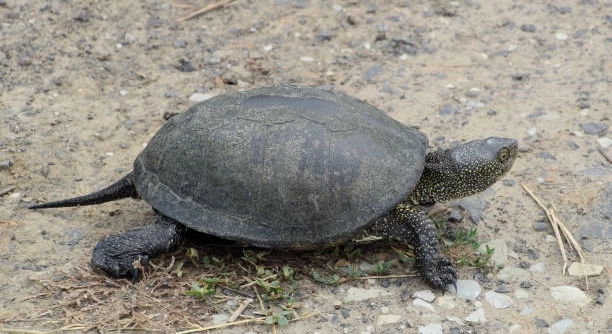
Monitoring your musk turtle’s growth is essential for ensuring its health and development. This process helps you track changes over time, providing insights into its care needs and overall well-being.
Using specific tools like scales, calipers, and growth charts allows for accurate tracking of your turtle’s development. These tools provide measurable data, ensuring you can monitor and address any potential health issues effectively and promptly.
Understanding these tools will equip you with the knowledge needed to care for your turtle confidently and ensure its optimal growth.
The Importance of Tracking Your Musk Turtle’s Growth
Regularly monitoring your musk turtle’s growth ensures its health and helps you identify changes that may signal underlying issues. Growth patterns can reveal whether your turtle is receiving adequate nutrition, proper care, and living in optimal conditions. Neglecting this monitoring can lead to missed signs of illness or poor development, impacting your turtle’s quality of life.
Keeping consistent records allows you to track progress accurately and compare measurements over time. This approach ensures you can address potential concerns early and provide the best care for your pet.
By using the right tools and methods, you’ll stay informed about your turtle’s health. Tracking growth is a simple yet effective way to ensure it thrives in its environment.
Tools You’ll Need for Accurate Monitoring
Reliable tools like digital scales and calipers are essential for precise growth tracking. These tools provide measurable data, helping you assess your turtle’s progress effectively.
A digital scale allows you to measure your turtle’s weight consistently. Choose a model designed for small animals, ensuring it provides accurate readings. Calipers are ideal for measuring the turtle’s carapace length, offering precise data on its size. Growth charts help organize these measurements, making it easy to track trends over time.
Together, these tools enable detailed monitoring. With regular use, you’ll be equipped to provide proper care based on your turtle’s individual needs.
Measuring Weight with a Digital Scale
A digital scale is essential for tracking your musk turtle’s weight. Regular weight checks help you identify changes that may indicate growth issues, illness, or dietary concerns, ensuring your turtle remains healthy.
To measure weight accurately, place the turtle on the scale while ensuring it stays still. Use a soft towel or container if the turtle is active, and subtract the container’s weight to get the correct reading. Record the weight in a dedicated logbook to monitor changes over time. Consistency is key, so measure at the same time and under similar conditions weekly.
Tracking weight helps ensure your turtle is receiving proper nutrition and care. Sudden weight loss or gain can indicate health problems, such as infections or improper diet. Early detection allows you to address these issues promptly, keeping your turtle healthy and thriving.
Measuring Length with Calipers
Calipers are effective tools for measuring your turtle’s carapace length. Regular size checks help you track growth rates and ensure development stays within a healthy range.
Use calipers to measure the straight-line distance from the front to the back of the carapace. Avoid following the curve for accuracy. Record these measurements consistently in your logbook. Repeating this process every few weeks ensures you notice any irregularities in growth patterns.
Monitoring length is a simple yet crucial step in ensuring your turtle’s care is effective. Abnormal growth could indicate environmental or dietary adjustments are necessary to meet its needs.
Using a Growth Chart
A growth chart helps you organize and track your turtle’s weight and length over time. Visualizing the data makes it easier to spot trends and identify any irregularities in development.
Update the chart regularly with measurements. Ensure accuracy by noting the date and maintaining consistency in your recording method.
Monitoring Behavior for Growth Clues
Behavioral changes can signal growth-related concerns. A lack of appetite or reduced activity may indicate health issues affecting development. Observing your turtle daily helps you catch these signs early and take appropriate action.
Consistent monitoring of both behavior and physical growth ensures you have a complete understanding of your turtle’s overall well-being.
Adjusting Care as Needed
If growth rates slow or seem irregular, consider adjusting your turtle’s diet or habitat conditions. Simple changes can make a significant difference in promoting healthy development.
FAQ
How often should I measure my musk turtle’s growth?
You should measure your musk turtle’s growth every 2 to 4 weeks. This frequency ensures you can track any significant changes in weight or size and address potential health concerns early. Regular monitoring provides a clearer picture of your turtle’s development over time, ensuring it remains on the right track.
What tools are necessary to track my turtle’s growth?
To track your turtle’s growth, you’ll need a digital scale, calipers for measuring length, and a growth chart to record the data. These tools are essential for accurate monitoring and help you observe trends in your turtle’s development. Each tool serves a specific purpose, making it easier to detect any issues.
Can I use a regular household scale for my turtle?
It’s best to use a digital scale designed for small animals. Household scales may not provide accurate readings for small creatures like musk turtles. A pet-specific scale will allow for precise measurements and help you track your turtle’s weight over time.
How can I tell if my turtle is growing too slowly?
If your turtle is not growing as expected, look for signs such as weight loss, a lack of appetite, or minimal size increase over several weeks. Slow growth can be linked to improper nutrition, incorrect habitat conditions, or health problems. It’s essential to address these concerns promptly.
What should I do if my turtle is not gaining weight?
If your turtle isn’t gaining weight, review its diet and environmental conditions. Ensure it’s getting a balanced diet with the proper amount of protein, vegetables, and calcium. Also, check that the habitat is at the correct temperature, as improper conditions can affect growth.
Is it normal for my turtle to stop growing after a certain age?
Yes, musk turtles will stop growing once they reach adulthood, typically around 4 to 5 years old. However, they may still go through slight growth spurts during certain seasons. Monitoring growth patterns during this period is still important for overall health.
How can I help my turtle grow at a healthy rate?
Ensure your turtle has a proper diet consisting of protein, vegetables, and calcium supplements. Providing the right environmental conditions, such as adequate temperature and lighting, is also key to healthy growth. Regular monitoring helps you make adjustments if growth slows or seems abnormal.
What signs should I look for if my turtle’s growth is stunted?
If your turtle’s growth seems stunted, signs to watch for include a lack of size increase, lethargy, or a soft shell. These could be indicators of nutritional deficiencies or environmental issues. Early intervention can help correct these problems and encourage healthy growth.
Can stress affect my turtle’s growth?
Yes, stress can negatively impact your turtle’s growth. Factors such as overcrowded conditions, improper water quality, or a sudden change in its habitat can lead to stress. This, in turn, can stunt growth and impact overall health. Keeping your turtle’s environment stable is essential for healthy development.
What should I do if my turtle’s carapace is growing unevenly?
Uneven carapace growth could indicate an imbalance in diet, water quality, or environmental factors. Make sure your turtle has access to clean water, proper UV lighting, and a balanced diet. If the issue persists, consult a vet to rule out any underlying health problems.
How does water quality affect my turtle’s growth?
Poor water quality can negatively affect your turtle’s growth by increasing stress and lowering its overall health. Contaminated water can lead to infections or other health issues that stunt development. Regular water changes and monitoring the pH and temperature are crucial for maintaining a healthy environment.
Can I speed up my turtle’s growth?
You cannot force your turtle to grow faster, but you can ensure it grows at a healthy rate by providing optimal care. A balanced diet, proper habitat conditions, and regular monitoring will help your turtle reach its full growth potential. Rapid growth may lead to health problems, so slow, steady progress is best.
How can I tell if my turtle is too large for its tank?
If your turtle appears cramped or has limited movement, it may be time for a larger tank. Turtles need enough space to move freely, bask, and swim. If your turtle seems uncomfortable or stressed, upgrading its tank size will improve its well-being.
What kind of diet supports healthy growth for my turtle?
A balanced diet for musk turtles should include a mix of protein, leafy greens, and calcium. Offer foods like worms, insects, fish, and vegetables. Ensure that the diet is varied to meet nutritional needs. Calcium supplementation, such as cuttlebone, is also essential for shell development.
How can I monitor my turtle’s shell health?
Regularly check for signs of shell deformities, discoloration, or softness. A healthy shell is hard and smooth, without any visible damage or scarring. If you notice changes in the shell’s condition, it could indicate nutritional deficiencies or health problems that need attention.
Should I be concerned if my turtle is smaller than others of the same species?
Size variation is normal, but if your turtle is significantly smaller than others of the same species, it could be a sign of growth issues. Monitor its diet, environment, and health closely. If you have concerns, consult a veterinarian to ensure everything is in order.
Final Thoughts
Monitoring your musk turtle’s growth is an important part of ensuring its health. By regularly measuring weight and length, observing behavioral changes, and keeping track of its progress, you can spot potential issues early and address them before they become serious problems. Using tools like a digital scale, calipers, and a growth chart will help you stay organized and track your turtle’s development over time. It’s also essential to maintain the right environment, providing a balanced diet and proper water conditions to promote healthy growth.
Remember that growth is not always linear, and there may be periods of slower development. However, if you notice consistent patterns of slow or uneven growth, it’s crucial to assess your turtle’s diet, habitat, and health. An imbalance in any of these factors can have a negative impact on growth. In some cases, stunted growth can be a sign of nutritional deficiencies or environmental stress. Monitoring your turtle’s shell and behavior is equally important, as these factors can offer clues to its overall well-being.
Lastly, growth should not be rushed. Allow your turtle to develop at its own pace within a healthy range. Encouraging slow and steady growth through proper care is the best way to ensure its long-term health and vitality. If you have any concerns, don’t hesitate to consult with a veterinarian who specializes in reptiles. Regular check-ups and adjustments to your turtle’s care routine will help it thrive and continue to grow healthily over time. Keep in mind that your turtle’s needs may change as it matures, and staying informed will allow you to provide the best care possible.

Hello,
If you enjoy the content that we create, please consider saying a "Thank You!" by leaving a tip.
Every little bit helps us continue crafting quality advice that supports the health, happiness, and well-being of pets around the world, for pets of all shapes, sizes, and species.
We really appreciate the kindness and support that you show us!