
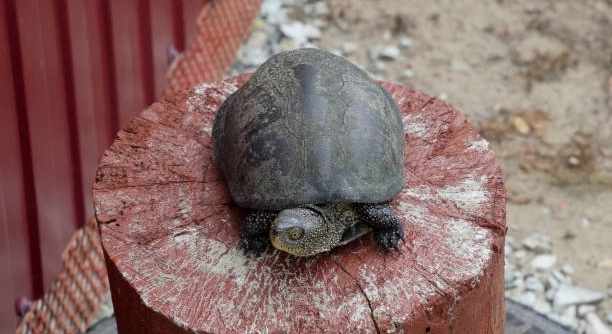
Are your musk turtles suddenly less active, spending more time hiding or resting than exploring their habitat? This shift can be concerning for any turtle owner, especially when their usual curiosity seems to fade.
Musk turtles may stop exploring due to stress, poor habitat conditions, illness, or boredom. Addressing these factors involves creating an enriching environment, ensuring proper diet and care, and addressing potential health concerns to restore their natural behavior.
Identifying the root cause will help you revive your musk turtle’s sense of adventure. Let’s explore effective ways to encourage their activity and well-being.
Common Reasons Musk Turtles Stop Exploring
Musk turtles may become less active due to stress, improper tank conditions, or health issues. Stressors include sudden changes in the environment, excessive noise, or the presence of aggressive tank mates. Poor water quality, incorrect temperature, or lack of hiding spaces can also disrupt their natural behavior. Health problems, such as infections or injuries, may cause discomfort, discouraging movement. Additionally, a monotonous habitat without stimulation can lead to boredom, further reducing their exploration.
Observing your musk turtle’s behavior closely is essential to identify signs of stress or illness. Early intervention ensures you can address these concerns effectively and promptly.
By understanding the factors affecting your turtle’s activity, you can make necessary adjustments to their habitat. These improvements not only enhance their quality of life but also encourage their natural curiosity.
Steps to Restore Your Musk Turtle’s Activity
Begin by evaluating your turtle’s tank setup. Ensure water temperature ranges between 72–80°F, with a basking spot around 85–90°F. Regularly clean the tank to maintain water quality, as poor conditions can affect their health. Provide hiding spots using plants or decorations to create a secure environment.
Once the habitat is optimized, focus on enrichment. Adding varied textures, rearranging décor, or introducing safe live prey can stimulate activity. Monitor your turtle for signs of improvement, and consult a veterinarian if lethargy persists. Proactive care and attention are key to keeping your musk turtle active and thriving.
Enhancing Your Musk Turtle’s Habitat
Ensure your musk turtle’s tank has adequate space, with at least 20 gallons for one adult turtle. A cramped habitat can lead to stress and inactivity, so prioritizing space is crucial for their well-being and mobility.
Incorporate diverse elements like plants, rocks, and tunnels to create a stimulating environment. These additions encourage natural behaviors, such as climbing and exploring. A basking area is essential, offering both warmth and a place to rest. Using a UVB light ensures proper calcium absorption, preventing health issues that may limit activity.
Monitor water conditions regularly with a reliable testing kit. Ammonia, nitrate, and pH levels must be within safe ranges to avoid stress. Consistent water changes and a quality filtration system maintain cleanliness, making the tank a comfortable space for your turtle to thrive.
Stimulating Musk Turtle Activity
Introduce variety in their diet, such as live insects, aquatic snails, and high-quality pellets. A diverse diet provides mental stimulation while meeting nutritional needs. Avoid overfeeding, as obesity can reduce movement.
Add floating objects or submerged platforms to the tank to promote interaction. Rearranging decorations occasionally keeps their environment interesting. If inactivity persists, consider a vet check-up to rule out underlying health concerns.
Monitoring Behavior Changes
Keep track of your musk turtle’s daily habits, including eating patterns and movement. Sudden inactivity or refusal to eat can indicate stress or illness. Observing these changes helps identify issues early, allowing you to address them promptly.
Regularly check for physical symptoms like shell discoloration, swelling, or unusual behavior. These signs often point to underlying health problems. Consulting a veterinarian for a proper diagnosis ensures your turtle receives the necessary care.
Providing Mental Stimulation
Introduce live prey, such as feeder fish or insects, to engage their hunting instincts. This activity keeps them physically and mentally active, reducing boredom. Offering occasional new items like floating logs or different textures in their habitat enhances stimulation further.
Encouraging Interaction
Spend time near their tank daily, allowing them to observe you. Gradually build trust to encourage their curiosity and movement.
FAQ
Why is my musk turtle hiding all the time?
Musk turtles often hide due to stress, feeling unsafe, or illness. Poor water quality, sudden environmental changes, or aggressive tank mates can create discomfort. Ensure the tank setup includes ample hiding spots, clean water, and proper temperatures to make them feel secure.
What should I do if my musk turtle isn’t eating?
A lack of appetite can indicate stress, illness, or a lack of variety in their diet. Check water quality, tank temperature, and overall conditions first. Offering live prey or changing their diet may help. If refusal persists, consult a veterinarian.
How can I keep my musk turtle active?
Provide enrichment through floating objects, varied decorations, or live prey. Rearrange the tank layout occasionally to keep the environment stimulating. Ensure their diet is diverse, and check the water and basking temperatures regularly for optimal comfort.
What are common health problems in musk turtles?
Shell rot, respiratory infections, and parasites are common issues. Symptoms include shell discoloration, wheezing, or swelling. Regular vet check-ups and maintaining a clean, well-regulated environment minimize these risks. Addressing symptoms early prevents complications.
Can musk turtles get bored?
Yes, they can become bored in monotonous environments. Lack of enrichment may lead to reduced activity. Introduce new objects, adjust the tank layout, or provide live prey to stimulate their curiosity and encourage natural behaviors.
Why is my musk turtle swimming frantically?
Frantic swimming often signals stress or discomfort. It could be due to poor water quality, overcrowding, or sudden tank changes. Test water parameters, reduce external disturbances, and ensure the tank has adequate space and hiding spots.
How often should I clean my musk turtle’s tank?
Partial water changes should be done weekly, while a thorough cleaning, including filter maintenance, can be done monthly. Consistent cleaning prevents water contamination, which is essential for your turtle’s health and activity.
Do musk turtles need UVB light?
Yes, UVB light is essential for calcium absorption and overall health. Without it, musk turtles may develop metabolic bone disease. Ensure they have access to a UVB light source for 8–12 hours daily to mimic natural sunlight.
What should I feed my musk turtle?
A balanced diet includes high-quality pellets, live or frozen prey like shrimp and worms, and occasional leafy greens. Variety is key to meeting their nutritional needs. Avoid overfeeding to prevent obesity and related health issues.
Why is my musk turtle not basking?
This can happen if the basking area is not warm enough or easily accessible. Ensure the basking spot temperature is between 85–90°F and provide a stable ramp or platform for easy access. If the issue persists, check for health problems.
Final Thoughts
Musk turtles are fascinating pets that require proper care and attention to thrive. Ensuring their environment meets their physical and mental needs plays a significant role in maintaining their overall health and activity. Providing a spacious tank, clean water, and adequate heating and lighting creates a comfortable habitat where they can feel secure. Regular observation of their behavior and physical condition allows for early detection of any potential issues.
Inactivity or changes in behavior should never be overlooked, as these could indicate stress or underlying health problems. Enriching their environment with new decorations, live prey, and rearranged setups encourages natural exploration and keeps them engaged. A balanced diet tailored to their needs ensures they remain healthy and active. Additionally, routine vet check-ups help prevent serious health conditions, offering peace of mind to owners.
Caring for a musk turtle can be a rewarding experience when their unique needs are understood and met. By maintaining a consistent routine and addressing issues promptly, you can ensure your turtle’s well-being. With proper care and attention, your musk turtle can lead a happy and healthy life, bringing joy and interest to your home.

Hello,
If you enjoy the content that we create, please consider saying a "Thank You!" by leaving a tip.
Every little bit helps us continue crafting quality advice that supports the health, happiness, and well-being of pets around the world, for pets of all shapes, sizes, and species.
We really appreciate the kindness and support that you show us!