
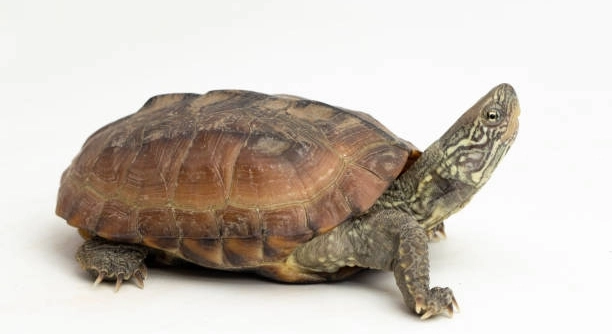
Musk turtles are fascinating creatures, and understanding their mating behavior can be intriguing. If you’re a turtle enthusiast, learning how to spot mating in musk turtles can be both interesting and informative.
Mating in musk turtles typically involves distinct behaviors such as circling, nipping, and head movements. Male musk turtles may also exhibit courtship rituals, including dancing and displaying specific body postures, all aimed at attracting a mate during breeding season.
Recognizing these behaviors will help you better understand the fascinating world of musk turtles.
Common Signs of Mating Behavior
Musk turtles display several clear behaviors during mating, and it’s important to pay attention to these signs. One of the most common is the male turtle’s head bobbing or rapid neck movements, often in an attempt to impress the female. The male may also swim in circles around the female, which is part of the courtship ritual. Another sign is the occasional nipping or gentle biting of the female’s shell or limbs, signaling the male’s interest. These behaviors typically intensify during the breeding season when the turtles are most active.
The courtship rituals, such as circling and head bobbing, are essential for communication between the turtles. They help the male signal his readiness to mate and attract the female’s attention. These behaviors often start when the turtles are in the water, where they feel most comfortable.
Male musk turtles also use specific body postures to indicate interest. These postures can include the male extending his neck and tilting his head to show his dominance. The movements may seem exaggerated, but they are important in attracting a mate.
Why Timing Matters
Timing is crucial when it comes to musk turtle mating. The breeding season usually occurs in warmer months, when turtles are more active. During this period, male turtles become especially competitive and may intensify their courtship efforts. Turtles that are not actively participating in mating behavior may withdraw from social interactions altogether.
Musk turtles are typically most active during spring and early summer, when environmental conditions are most favorable for mating. Male turtles, in particular, become more persistent in their efforts to find a mate. Temperature and water conditions play a significant role in stimulating these behaviors. However, environmental factors can also affect the frequency of mating rituals, as turtles may take longer to find suitable mates in cooler conditions.
How Males Attract Females
Male musk turtles often engage in specific behaviors to attract females. These behaviors include circling, nipping, and performing a distinctive head-bobbing movement. These actions serve to communicate the male’s interest and readiness for mating. Females may respond by either showing interest or ignoring the advances.
The head-bobbing is a key part of the courtship ritual. The male performs this repetitive motion as a way to signal his intentions. While circling the female, he may gently nibble on her limbs or shell, further demonstrating his interest. These actions are meant to gain the female’s attention and elicit a response, often during the peak of the breeding season.
In some cases, the male will also display specific postures that emphasize his size and strength. This can involve the male extending his neck or leaning toward the female. The intent is to show dominance, a critical factor in the mating process. The more intense these behaviors are, the more likely it is that mating will take place.
The Role of Water and Environment
The environment plays a significant role in musk turtle mating. These turtles are aquatic and typically engage in courtship and mating in the water. They prefer shallow areas with slow-moving currents, where they can move easily. The water temperature also affects mating behaviors.
Warm water temperatures are key to initiating the breeding season. Musk turtles are most active in spring and summer, when the water is at the ideal temperature for courtship. During these warmer months, males become more aggressive in their attempts to mate, competing for attention from females. The right environmental conditions also encourage the turtles to stay close to the water surface, where they can better interact with each other.
Musk turtles will sometimes engage in mating behavior near the shore, where they feel more secure. These areas provide access to both land and water, allowing the turtles to take brief breaks from swimming. It’s important for any musk turtle keeper to maintain a suitable environment to encourage natural mating behaviors.
Observing Turtles in Courtship
Courtship can last for several hours or even days. Male musk turtles often persist in their efforts to impress the female, sometimes engaging in repetitive actions like circling. Females may show disinterest, but they might eventually respond to the male’s gestures.
During courtship, the male’s behaviors can be very intense, especially when the female is showing signs of interest. He may follow her closely, nibbling at her shell and limbs. If the female is receptive, she may allow the male to get closer or even engage in mating behavior.
Once the female decides the male is acceptable, the courtship intensifies, and mating is more likely to take place. The process can take several attempts before the female becomes fully receptive. Over time, males become more persistent as they compete for the female’s attention.
Gender Differences in Musk Turtles
There are distinct differences between male and female musk turtles. Male musk turtles are generally smaller than females and have longer tails. These physical traits make it easier to distinguish between the sexes, especially during mating season.
Males also have more vibrant colors and a more aggressive demeanor, especially when competing for a mate. These differences become most apparent when the turtles are actively courting or mating. The size difference is noticeable when the males try to approach the females, with their smaller size allowing for easier interaction in tight spaces.
The Mating Process
The actual mating process involves the male mounting the female, typically while they are both submerged in water. The male will align his body with hers and try to position himself on her back. This can be a delicate process that may take several attempts before successful mating occurs.
The male’s long tail is used to secure himself during this phase, while the female remains relatively passive. Once the male successfully mounts, he will mate with the female for a short period before disengaging. This process often takes place in shallow, calm water where both turtles feel safe.
FAQ
What time of year do musk turtles mate?
Musk turtles typically mate during the warmer months, usually in spring and early summer. This is when the water temperature rises and triggers the breeding season. Mating activity can intensify as the temperature reaches its peak, making it the most active period for musk turtles.
How long does the mating season last for musk turtles?
The mating season for musk turtles can last from a few weeks to several months, depending on environmental conditions. It typically occurs in the warmer months, but the exact timing varies. Females may mate multiple times during this period, while males are more persistent in their courtship efforts.
How do male musk turtles attract females?
Male musk turtles use several methods to attract females. One of the most noticeable behaviors is head-bobbing, where the male repeatedly moves his head in a rhythmic motion. He may also swim in circles around the female, nibble on her shell, or display specific body postures to show his dominance.
What signs indicate a female musk turtle is ready to mate?
A female musk turtle typically shows interest in mating when she remains calm or receptive during the male’s courtship behaviors. If she begins to swim away or ignore the male, she may not be ready. However, if she allows the male to get closer, she is likely receptive to mating.
Can musk turtles mate in captivity?
Yes, musk turtles can mate in captivity, but it requires providing the right environment. The water temperature must be maintained within a suitable range for breeding, and the turtles need space to engage in their courtship behaviors. It’s also crucial to have male and female turtles of appropriate age and size.
What do I need to know about caring for a musk turtle during mating season?
During mating season, it’s important to ensure your musk turtles have the right environment. Make sure their habitat is large enough for both turtles to interact comfortably. Keep the water temperature consistent, as sudden changes can disrupt mating behavior. Monitor the turtles closely to prevent aggression, especially if there is more than one male in the enclosure.
Why are musk turtles so aggressive during mating season?
Musk turtles can be aggressive during mating season, especially males competing for a female’s attention. This aggression typically involves chasing, circling, or biting. The males are trying to demonstrate their dominance and show that they are the best mate for the female. Aggression is normal but should be monitored to prevent injury.
How can I tell the difference between a male and female musk turtle?
Male musk turtles are generally smaller than females and have longer tails. The tail length is one of the most noticeable differences, as the male’s tail extends beyond the edge of the shell, while the female’s tail is much shorter. The males may also have more vibrant colors and a more aggressive posture, especially during courtship.
Do musk turtles mate for life?
Musk turtles do not typically mate for life. During the breeding season, males will court multiple females, and females may mate with different males. The relationship is based on the breeding season, and outside of that period, the turtles may go their separate ways. They do not form long-term pair bonds.
How can I tell if my musk turtles are mating?
If your musk turtles are mating, you’ll observe the male displaying courtship behaviors such as circling, nibbling on the female’s limbs or shell, and head-bobbing. During the actual mating process, the male will attempt to mount the female while both are submerged in water. You may notice the male’s long tail used to secure himself.
What should I do if my musk turtles are not mating?
If your musk turtles are not mating, there could be several reasons. The water temperature might not be ideal, or one of the turtles could be showing disinterest. Ensure both turtles are of the right age and health, and provide an environment conducive to mating. If the problem persists, it might be helpful to consult a vet or expert in turtle care.
How do I prevent aggression between male musk turtles?
To prevent aggression, it’s best to provide ample space and hiding spots in the enclosure. If you have multiple males, consider separating them during mating season to reduce competition. You can also monitor interactions closely and step in if any turtle shows signs of injury.
Final Thoughts
Musk turtles have fascinating mating behaviors that can be observed during the warmer months, primarily in spring and early summer. Understanding the signs of courtship and mating can help turtle owners provide a better environment for their turtles. The male’s persistence and the female’s eventual receptiveness are key parts of the process. By recognizing these behaviors, it becomes easier to ensure that the turtles have everything they need during mating season, including proper water temperature, enough space, and the right conditions for successful mating.
In captivity, musk turtles may face challenges during the mating process, but it’s important to create an environment that mimics their natural habitat as much as possible. With the right care, turtles can engage in their courtship rituals and mate successfully. For those with multiple males, monitoring interactions and avoiding aggression is essential. Ensuring that all turtles are healthy and properly housed will contribute to a more successful mating season and a peaceful environment for all turtles involved.
Finally, while musk turtles may not mate for life, the mating process is still a significant event in their life cycle. Understanding how they interact and mate can provide valuable insights into their overall health and behavior. Keeping track of their courtship and mating seasons will not only help you care for them but also allow you to appreciate their unique characteristics. By being attentive to their needs, you can support the well-being of musk turtles and ensure their continued health and happiness.

Hello,
If you enjoy the content that we create, please consider saying a "Thank You!" by leaving a tip.
Every little bit helps us continue crafting quality advice that supports the health, happiness, and well-being of pets around the world, for pets of all shapes, sizes, and species.
We really appreciate the kindness and support that you show us!