
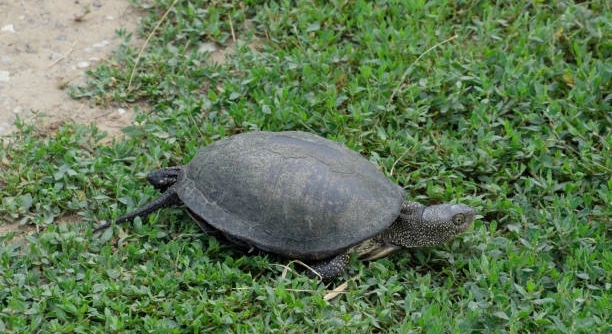
If your musk turtle is refusing vegetables, it can be frustrating. These creatures rely on a balanced diet for proper health and growth, so understanding why they avoid veggies is essential for their well-being.
The primary reason your musk turtle might refuse vegetables is due to their natural diet preferences. They are opportunistic feeders, often preferring meat over plant matter. However, other factors such as temperature or stress can also affect their eating habits.
There are several ways to encourage your turtle to eat vegetables, ensuring they receive the nutrients they need for a healthy life.
Understanding Your Musk Turtle’s Diet Preferences
Musk turtles are often picky eaters when it comes to vegetables. They have a natural preference for protein, including insects and small fish, over plant-based foods. This can make it challenging for owners trying to incorporate leafy greens into their turtle’s diet. It’s important to keep in mind that, although they are omnivores, their nutritional needs can shift depending on their age, activity level, and environment. Younger turtles may be more inclined to eat vegetables as they are growing, but adult musk turtles tend to have a higher preference for protein.
In order to address this, you might need to introduce vegetables gradually. The key is patience and persistence. Understanding their natural instincts can help tailor a more effective feeding routine.
Musk turtles may also be influenced by their surroundings. If they feel stressed or uncomfortable in their environment, they are less likely to eat, including their vegetables. Ensuring the tank is set up correctly and that the turtle feels safe can improve its eating habits. Consider factors like water temperature, tank size, and hiding spots for the turtle to retreat when needed.
Experimenting with Different Vegetable Options
Not all vegetables will appeal to your musk turtle. It’s essential to offer a variety of plant-based foods to determine what they prefer.
Try offering a mix of dark leafy greens like collard greens, dandelion greens, and kale. These are not only nutritious but are more likely to catch the attention of your turtle due to their rich texture. Avoid offering iceberg lettuce as it has little nutritional value.
Incorporating vegetables into your turtle’s diet can take time. You may need to experiment with different textures and methods of preparation. Some turtles might prefer finely chopped veggies, while others may prefer them whole or in larger pieces. Adjusting the way you present the food can make a significant difference. Try adding some vegetables alongside their favorite protein to make the transition easier. Mixing in small amounts of greens with their regular food can also help gradually change their eating habits.
The Role of Water Temperature
Water temperature plays a significant role in your musk turtle’s feeding habits. If the water is too cold, your turtle may feel sluggish and less inclined to eat.
To encourage your turtle to eat, ensure the water temperature is within the proper range, ideally between 75-80°F (24-27°C). Cold water can slow down their metabolism, causing them to become less active, including refusing food. If your turtle’s tank water is too cold, try adjusting the heating equipment to maintain a stable and comfortable temperature. Warmer water can make your turtle more active and increase its appetite, improving its overall feeding habits.
It’s essential to monitor the temperature consistently to avoid fluctuations that could cause stress. A reliable aquarium thermometer will help you keep track of the water conditions. Pairing the appropriate water temperature with a balanced diet can make a noticeable difference in your turtle’s health and feeding behaviors.
Stress and Its Effect on Eating Habits
Stress is another factor that can cause a musk turtle to refuse vegetables. If your turtle feels threatened or anxious, it may avoid eating altogether.
Stress can be caused by various factors, including overcrowded living conditions, loud noises, or changes in the environment. If there are too many turtles in the same tank, competition for food and territory can cause anxiety. Additionally, introducing new objects or changes in the setup of the tank can cause your turtle to retreat and avoid eating. Reducing these stressors can help your turtle feel safer and encourage a better appetite.
Creating a peaceful environment with plenty of hiding spots for your turtle can provide the security it needs to relax. Offering a calm and consistent feeding schedule is another way to reduce anxiety. A peaceful environment is crucial for encouraging good eating habits and overall well-being.
Offering Vegetables in Different Forms
If your turtle is refusing vegetables, try offering them in different forms. Some turtles may prefer their veggies raw, while others may enjoy them steamed or finely chopped.
Chopping the vegetables into smaller, manageable pieces can help your turtle nibble more easily. This method can make the food look more appetizing. Additionally, you can try lightly steaming the vegetables to soften them, making them easier to digest. Experiment with different textures and methods to see what works best.
Supplementing with Tasty Additions
To make vegetables more appealing, you can supplement them with other foods your turtle enjoys. Adding small amounts of protein or a favorite treat can encourage them to eat the veggies.
Try offering small pieces of shrimp, fish, or worms alongside the vegetables. As your turtle begins to eat the protein, it may start nibbling on the surrounding greens. Slowly reducing the amount of protein while increasing the veggies can help your turtle adjust to a more balanced diet over time.
Consider a Change in Diet
If your turtle continues to refuse vegetables, it may be time to consider adjusting its diet. Some turtles may simply need more variety to entice them.
You can try offering different vegetables or switching to specialized turtle pellets that contain a mix of plant-based and protein-rich ingredients. These pellet foods can be a good way to ensure your turtle is still getting the nutrients it needs, even if it’s avoiding some vegetables. Try rotating different food options to keep your turtle’s diet balanced and interesting.
FAQ
Why is my musk turtle not eating its vegetables?
There are several possible reasons why your musk turtle is refusing vegetables. One of the main factors could be its natural diet preferences. Musk turtles tend to favor protein-rich foods such as insects or fish, which can make it harder to introduce vegetables. Environmental factors such as water temperature or stress can also influence their eating habits. If your turtle feels uncomfortable or stressed, it may refuse food altogether. Additionally, the texture, smell, or preparation of the vegetables can impact whether your turtle is willing to eat them.
How can I make my musk turtle eat vegetables?
The best way to encourage your turtle to eat vegetables is by offering them in different forms. Some turtles prefer vegetables chopped, while others may like them steamed or shredded. You can start by mixing small amounts of vegetables with their favorite protein to make the transition easier. Gradually increasing the proportion of vegetables in their diet while reducing protein can help them adjust. Additionally, experimenting with different vegetable types may be necessary to find the ones they like best.
Is it normal for a musk turtle to refuse food?
Musk turtles can go through phases where they refuse food. This is often linked to factors like water temperature, stress, or seasonal changes. If your turtle is not eating for a prolonged period, it’s important to assess its environment, tank setup, and health. A sudden refusal to eat could indicate an issue with their habitat, such as improper water temperature or insufficient hiding spots. If your turtle continues to refuse food for an extended period, a visit to the vet is recommended to rule out health problems.
How do I know if my musk turtle is stressed?
Signs of stress in musk turtles can vary, but common symptoms include a lack of appetite, hiding more than usual, or swimming erratically. If your turtle is stressed, it may also display behaviors such as pacing, excessive basking, or aggression. Stress can be triggered by overcrowded living conditions, a sudden change in its environment, or even loud noises. Keeping your turtle’s environment stable and calm is essential for reducing stress and improving its appetite.
Should I offer different types of vegetables to my musk turtle?
Yes, offering a variety of vegetables is an excellent way to find what your turtle prefers. Musk turtles may become more interested in vegetables if they are presented with different options. Leafy greens like dandelion greens, kale, or collard greens are often favorites, while other vegetables such as squash, carrots, or bell peppers can provide variety. Be sure to avoid offering iceberg lettuce, as it lacks nutritional value. Experimenting with different vegetables allows you to diversify their diet while providing essential nutrients.
Can my musk turtle eat fruits instead of vegetables?
While fruits are not a substitute for vegetables, they can be offered occasionally as a treat. Musk turtles can enjoy fruits such as strawberries, blueberries, or melons, but these should be given in moderation. Fruits are generally high in sugar, which should not make up a large portion of your turtle’s diet. Vegetables are still crucial for your turtle’s long-term health, so fruits should only be used as a supplement, not a replacement.
How can I improve my musk turtle’s diet overall?
To improve your musk turtle’s diet, focus on offering a balanced combination of protein, vegetables, and some fruits. High-quality turtle pellets designed for omnivores can ensure that your turtle receives essential nutrients. In addition to vegetables, you can include protein sources like small fish, shrimp, or worms. To provide variety and ensure your turtle receives a wide range of nutrients, consider rotating different types of foods. Clean water and proper tank maintenance also contribute to your turtle’s health, supporting a better appetite.
Can I feed my musk turtle commercial turtle food?
Yes, commercial turtle food can be a valuable part of your musk turtle’s diet. These pellets are often designed to provide a balanced mix of protein and plant matter, making them a convenient and nutritious option. However, they should not be the sole food source. It’s essential to supplement commercial food with fresh vegetables, fruits, and protein to ensure a varied diet. Make sure to choose a reputable brand with quality ingredients, and monitor your turtle’s health to ensure it’s getting the right nutrition.
How often should I feed my musk turtle vegetables?
Musk turtles should be fed vegetables several times a week, but the frequency depends on their age and activity level. Younger turtles tend to eat more plant matter, while adult turtles may prefer more protein. A good rule of thumb is to offer vegetables 2-3 times a week and provide protein-rich foods like insects or fish more frequently. Keep track of your turtle’s eating habits and adjust their diet as needed based on their preferences and nutritional needs.
Are there any vegetables I should avoid feeding my musk turtle?
Yes, certain vegetables should be avoided as they lack nutritional value or may cause digestive issues. Avoid feeding your musk turtle iceberg lettuce, as it contains little to no nutrients. Additionally, vegetables like rhubarb, potatoes, and spinach should be avoided due to their high levels of oxalates, which can interfere with calcium absorption. Stick to leafy greens, squash, and other nutrient-dense options that will provide the best nutritional benefits for your turtle.
Final Thoughts
Getting your musk turtle to eat vegetables can be challenging, but with patience and a few adjustments, it is possible. It’s important to remember that musk turtles are naturally inclined to eat more protein, so introducing vegetables gradually and creatively is key. Offering a variety of vegetables in different forms—such as raw, steamed, or chopped—can make the process easier. You may also want to experiment with adding small amounts of protein or treats alongside the vegetables to encourage eating. Over time, your turtle may start to accept vegetables as part of its regular diet.
It’s also essential to consider the environment and overall well-being of your turtle. Stress or improper tank conditions can contribute to a loss of appetite. Ensure that the water temperature, filtration system, and tank setup are appropriate for your turtle. A stress-free environment will encourage your turtle to feel safe enough to eat regularly. Regular tank maintenance, along with proper lighting and basking areas, also plays a crucial role in promoting healthy eating habits. If your turtle continues to refuse vegetables, a trip to the vet can help rule out any underlying health issues.
Lastly, variety is vital in maintaining a balanced diet for your musk turtle. Don’t rely solely on vegetables; mix in protein sources and high-quality turtle pellets to ensure they are receiving all the necessary nutrients. While it can take time for your turtle to adjust to new foods, it’s important to stay consistent and patient. With the right approach and a little creativity, you’ll be able to provide your turtle with a well-rounded diet that keeps them healthy and happy.

Hello,
If you enjoy the content that we create, please consider saying a "Thank You!" by leaving a tip.
Every little bit helps us continue crafting quality advice that supports the health, happiness, and well-being of pets around the world, for pets of all shapes, sizes, and species.
We really appreciate the kindness and support that you show us!