
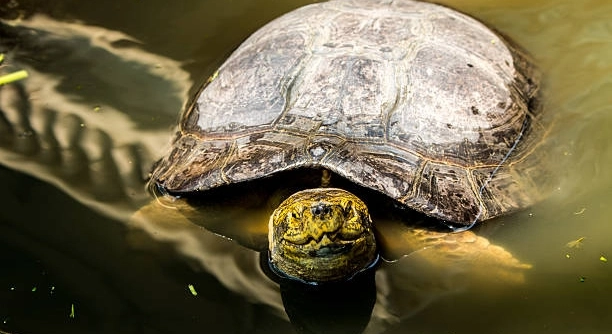
Creating a custom tank divider for your musk turtle can greatly enhance their habitat. It ensures a controlled environment and can improve their overall wellbeing. A DIY project like this is an enjoyable and rewarding experience.
To make a custom musk turtle tank divider, measure the tank’s dimensions carefully and choose appropriate materials like acrylic or mesh. Cut the material to fit and install it securely. Make sure to create openings for water flow and ventilation.
The process involves selecting the right materials, cutting them to size, and securing them in place. You’ll also need to consider water flow and ventilation to maintain a healthy environment for your musk turtle.
Choosing the Right Materials for Your Divider
When selecting materials for your custom tank divider, think about durability and safety. The material should be sturdy enough to hold up in water and provide stability. Acrylic is a popular option because it’s clear and easy to work with, but mesh or plastic can also be good choices depending on your needs. Make sure to avoid any materials that might be harmful to your turtle, like untreated wood or certain plastics that can leach chemicals into the water. The goal is to create a divider that is safe, functional, and long-lasting.
While choosing the material, think about the divider’s design and how it will blend into the tank’s setup. You want the divider to support the turtles’ needs without obstructing their space.
After choosing your material, gather the necessary tools like a saw, ruler, and measuring tape. Precision is key for ensuring the divider fits correctly. Measure the tank’s length, width, and height before cutting the material to the right size. Also, account for water flow when planning the design.
Cutting the Divider to Size
Once you have your material, carefully measure and cut it to the size you need. Ensure the divider fits snugly within the tank without leaving gaps. Gaps can create hazards, allowing the turtle to slip through or escape. Take your time with the cutting process to make sure the divider fits properly.
Next, smooth any rough edges of the cut material. Sharp edges can harm your turtle and create an unsafe environment. Use sandpaper or a file to round off any corners or edges. A smooth finish will also help maintain water quality by reducing the chance of debris collecting around rough areas.
Installing the Divider Securely
Once the divider is cut and smoothed, it’s time to install it. You’ll want to position it carefully within the tank to ensure it stays in place. A secure divider helps prevent water disturbances and minimizes stress for your turtle. Use aquarium-safe adhesive if necessary to hold the divider in place.
If you are using a mesh divider, securing it with small hooks or brackets can help keep it steady. These accessories are easy to install and won’t damage your tank. Consider anchoring the divider to the tank’s sides to avoid shifting when your turtle moves around.
For an acrylic divider, you can use silicone sealant to glue it securely to the bottom or walls of the tank. Let the silicone cure for at least 24 hours to ensure a strong bond. Be sure the adhesive is water-resistant and non-toxic, especially in the environment of your turtle’s tank.
Maintaining Proper Water Flow
It’s essential to keep water flowing properly around the divider. Ensure that there is enough space for water to circulate freely to avoid stagnation. Water movement plays a crucial role in the tank’s overall health, as it helps filter and oxygenate the water for your turtle.
For tanks with filters, check that the divider doesn’t block the flow. A blocked filter can lead to poor water quality, which negatively impacts the turtle’s health. Consider using mesh or perforated acrylic for the divider if you need more water circulation. This will help maintain the balance of the water system.
Test the water flow after the divider is in place, ensuring that the divider doesn’t disrupt the filtration system. Adjust the position if needed to ensure smooth water movement. Proper water flow is key for creating a healthy habitat.
Adding Ventilation to the Divider
Ventilation is crucial to maintain a healthy environment for your musk turtle. If your divider is completely sealed, it can restrict airflow, leading to poor water quality. A few small holes or gaps in the divider will help to keep the water oxygenated.
You can create ventilation by drilling small holes along the top of the divider. Be careful not to drill too many holes, as this could compromise the divider’s strength. Ensure that the holes are large enough for airflow but small enough to prevent the turtle from getting stuck.
Adding Decorations and Hiding Spots
Turtles enjoy hiding, and creating spaces in the tank for them to retreat to is important. Adding some small rocks, plants, or decorations around the divider can help create these hiding spots. This gives your turtle a sense of security and comfort.
Consider adding natural-looking decorations that blend with the environment and don’t overcrowd the space. A few strategically placed items around the divider will provide a sense of privacy without reducing the tank’s open area. Keep in mind that any added items should be securely placed to avoid shifting over time.
Checking for Proper Fit
After installing the divider, ensure it’s properly fitted by observing the tank for a while. A good fit means there will be no noticeable gaps, leaks, or areas where your turtle can escape. Check for any signs of water leakage or disruption.
Also, ensure that the divider doesn’t obstruct your turtle’s movement. If your turtle seems stressed or uncomfortable, you may need to adjust the size or position of the divider. A proper fit is crucial for maintaining a calm and safe habitat.
FAQ
What material is best for a custom musk turtle tank divider?
Acrylic is a popular choice because it’s clear and easy to work with, but mesh or plastic can also be good options. Acrylic provides a solid barrier without obstructing your view of the turtle, while mesh offers better water flow. Be sure to avoid untreated wood or materials that may release harmful chemicals into the water. The divider needs to be durable, water-resistant, and non-toxic to ensure your turtle’s safety.
How can I make sure the divider is securely installed?
To secure the divider, you can use aquarium-safe adhesives or small brackets depending on the material. For acrylic dividers, silicone sealant works well for gluing it in place. For mesh, consider using hooks or clips. Make sure the divider fits snugly to prevent any gaps that could allow your turtle to escape.
How do I ensure proper water flow through the divider?
Ensure the divider does not block the filtration system or obstruct water movement. If you’re using a solid material, consider adding perforations or small gaps to allow water to pass through easily. Mesh dividers naturally provide more flow, but ensure the water circulates evenly throughout the tank. Testing the water flow after installation can help you assess if any adjustments are needed.
Can I use a mesh divider instead of acrylic?
Yes, mesh dividers are a great option for musk turtle tanks. They allow better water circulation and provide a more natural environment. However, mesh might not be as durable or visually appealing as acrylic. It’s also important to check that the mesh is small enough to prevent your turtle from escaping.
Do I need to add ventilation to the divider?
Yes, ventilation is important. Without proper airflow, water can become stagnant, affecting water quality and oxygen levels. If you use a solid material for the divider, consider drilling small holes to allow airflow. Mesh naturally offers ventilation, so you won’t need to add extra holes in this case.
How can I add hiding spots to the tank divider?
You can add hiding spots by placing decorations such as rocks, small caves, or plants around the divider. These hiding spots will provide your turtle with areas to retreat to for safety and comfort. It’s important not to overcrowd the tank, as this could reduce space for your turtle to move freely.
What size should I make the tank divider?
The size of the divider should match the dimensions of your tank. Measure the length and width of the tank and subtract a small amount from each side to ensure the divider fits securely. The height of the divider should also be tall enough to prevent your turtle from climbing over. Always make sure the divider fits well without being too tight.
Will the divider affect the turtle’s movement?
If the divider is properly installed and the size is appropriate, it should not affect the turtle’s movement. It’s important to ensure the divider is tall enough to prevent climbing but does not take up too much space. You want to create a balanced environment where your turtle has enough room to swim and explore.
Can I use a DIY divider for a larger tank?
Yes, you can use a DIY divider for a larger tank, but you may need to adjust the materials and design. A larger tank may require a more secure divider, as the additional space means more water movement. Consider using a sturdier material and ensuring the divider is reinforced to handle the larger space.
Is it necessary to remove the divider for cleaning?
It is generally a good idea to remove the divider periodically to clean it, as dirt, algae, or debris may accumulate around it. However, if you’ve installed it properly, you can often clean the surrounding areas without completely removing the divider. Regular cleaning of the tank and the divider will help maintain a healthy environment for your turtle.
Can the divider help with turtle aggression?
Yes, a well-installed divider can help reduce aggression between turtles. If you have multiple turtles in the same tank, a divider can prevent them from fighting over territory and food. By creating separate spaces, each turtle has its own area to feel secure and less stressed.
How do I know if the divider is safe for my turtle?
To ensure safety, use non-toxic materials, avoid sharp edges, and make sure the divider fits properly. Check for any signs of wear or damage after installation. A safe divider will provide a secure environment without posing any risks to your turtle’s health. Regularly inspect the divider for cracks or sharp edges.
Should I use a tank divider for a baby turtle?
A tank divider can be beneficial for baby turtles as it keeps them separated from larger or more aggressive tank mates. Ensure the divider has small enough gaps to prevent the baby turtle from escaping. It’s important to provide a safe, stress-free environment, especially for smaller turtles that may need more protection.
How often should I check the divider’s fit?
You should check the fit of the divider every few weeks or whenever you perform a tank cleaning. Look for any signs of wear, shifting, or gaps where your turtle could escape. Regular checks will help you maintain a safe environment and ensure the divider is still secure.
Final Thoughts
Creating a custom musk turtle tank divider is a practical and useful solution to ensure your turtle’s safety and comfort. With the right materials, size, and installation, a divider can help divide the tank into different areas, making it easier to manage and maintain. It can also help separate different turtles, if needed, reducing the chance of aggression and territorial behavior. The process of building and installing a divider is straightforward and can be completed with minimal tools. By following a few simple guidelines, you can create an effective divider that meets your turtle’s needs and enhances their environment.
Choosing the right material is key. Acrylic, mesh, and plastic are popular options for tank dividers. Each material has its benefits. Acrylic is durable and clear, allowing for better visibility of your turtle. Mesh, on the other hand, provides better water flow and ventilation, which is important for keeping the tank’s environment healthy. The divider should also be properly sized to fit the tank and should be installed securely to prevent any gaps. Adding ventilation or small holes to a solid divider helps maintain good airflow, which is necessary for a clean and healthy tank. Consider your turtle’s needs, the size of the tank, and the overall setup when selecting the best material and design for the divider.
In the end, the goal of a tank divider is to provide a safe, secure, and comfortable space for your turtle to thrive. While installing the divider, make sure to check for any potential issues, such as gaps, instability, or insufficient ventilation. The well-being of your turtle depends on the quality of its environment. Regularly inspecting and maintaining the divider will ensure your turtle’s habitat remains functional and safe. By investing a little time and effort into creating a proper divider, you’ll contribute to your turtle’s overall health and happiness in the long run.

Hello,
If you enjoy the content that we create, please consider saying a "Thank You!" by leaving a tip.
Every little bit helps us continue crafting quality advice that supports the health, happiness, and well-being of pets around the world, for pets of all shapes, sizes, and species.
We really appreciate the kindness and support that you show us!