
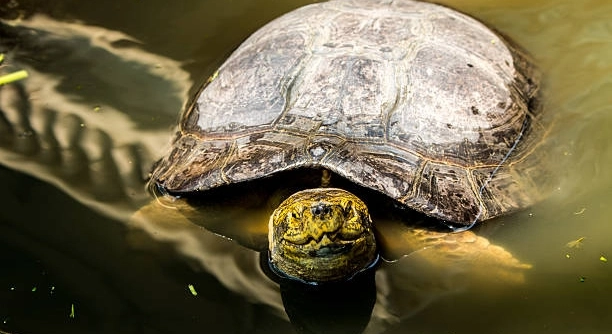
Musk turtles are fascinating creatures that go through distinct stages as they grow. Knowing how long it takes for them to fully mature can be helpful for owners looking to care for them properly.
Musk turtles typically take anywhere from 5 to 7 years to fully grow, with some species reaching maturity in up to 10 years. The growth process can vary depending on factors such as diet, environment, and species type.
Understanding these key facts will help ensure you provide the best care for your musk turtle and monitor its growth effectively.
Growth Stages of Musk Turtles
Musk turtles grow gradually over the years, passing through different stages. In the early years, their growth rate is faster, but it slows down as they age. During their first 1 to 2 years, they are still considered juveniles and may only grow a few inches. As they mature, the growth process becomes more gradual, with an adult size typically achieved between 5 to 10 years, depending on the species. The environment and diet play a major role in determining how quickly they grow. Proper care can help them reach their full potential.
In these early years, keeping your musk turtle in a stable and enriching environment is crucial. A clean, warm habitat with proper UVB lighting will support their overall health and growth.
A balanced diet rich in protein, such as insects and aquatic plants, ensures that they are getting the nutrients they need. Over time, as they mature, their diet may need to shift to accommodate their changing needs. Regular check-ups with a vet also help monitor their progress.
Factors That Affect Growth Rates
Several factors influence how quickly musk turtles grow. These include the species, water temperature, and diet.
Musk turtles thrive in warmer temperatures, with the ideal water temperature being between 75°F and 85°F. Cold water slows down their metabolism and can stunt their growth. Additionally, each species has its own growth rate, with some species naturally growing slower than others.
A well-rounded diet is just as important. A mix of protein sources, such as crickets, worms, and shrimp, combined with vegetables, will help ensure proper nutrition. Overfeeding or underfeeding can both negatively impact their growth. Proper care also means monitoring their health regularly to ensure they are not stressed or ill, as stress can slow down their growth. Keeping a clean tank and providing enrichment will allow them to grow at their full potential.
Species Variations in Growth
The growth rate of musk turtles can differ depending on the species. Some species are naturally slow growers, while others mature more quickly.
For example, the common musk turtle (Sternotherus odoratus) tends to reach full size in about 5 to 7 years, while the razorback musk turtle (Sternotherus carinatus) may take longer, sometimes up to 10 years. Species with smaller body sizes generally grow at a faster rate compared to larger ones. Understanding the specific species of your turtle will help set realistic expectations for its growth.
The growth rate also depends on the care you provide. Offering a proper habitat, diet, and temperature range will support healthy development. Inadequate care can lead to slower growth or stunted development, so make sure to adjust the environment based on the specific needs of your turtle’s species.
Diet and Nutrition Impact on Growth
A proper diet is crucial for your musk turtle’s growth. Without the right nutrients, they may not grow as quickly or healthily.
Musk turtles require a variety of foods to support their growth, such as aquatic plants, insects, and some fruits. Protein sources like worms, crickets, and shrimp should make up a significant part of their diet, especially when they are young. Vegetables like kale and water lettuce are also important for providing necessary vitamins and minerals. Providing a balance of protein and plant matter will ensure your turtle gets the best nutrition to thrive.
Poor diet can lead to malnourishment, causing slower growth and weakening their immune system. Some turtles may develop shell deformities or other health issues if they aren’t getting the right mix of nutrients. Regularly changing their food and offering a variety of protein sources helps them stay healthy as they grow.
Temperature and Its Role in Growth
Water temperature has a significant effect on the growth rate of musk turtles. Maintaining the right temperature is essential for proper metabolism and overall health.
Keeping the water between 75°F and 85°F promotes a healthy growth rate. Colder water slows down their metabolism, which can hinder growth and cause health issues. Always monitor the temperature with a reliable thermometer to ensure it stays within the ideal range.
If the water is too cold, it may also affect their ability to digest food properly, leading to malnutrition. A proper temperature ensures they can thrive and grow at a healthy pace.
The Importance of UVB Lighting
UVB lighting is essential for musk turtles, particularly for their shell and bone development. Without proper UVB exposure, they can develop calcium deficiencies.
UVB light helps them produce vitamin D3, which is necessary for calcium absorption. Without it, they may suffer from shell deformities or weakened bones. A high-quality UVB bulb should be used to mimic natural sunlight, and it should be replaced every 6 to 12 months for maximum effectiveness.
Ensure the light is placed above their basking area, and make sure they spend time basking under it daily to stay healthy.
FAQ
How long do musk turtles live?
Musk turtles typically live anywhere from 20 to 50 years, depending on their species and care. Most musk turtles have a lifespan of around 25 to 35 years in captivity if they receive proper care, including a balanced diet, appropriate temperature, and regular health checks. In the wild, their lifespan may be shorter due to predators, disease, and environmental factors. Proper care can significantly extend their life expectancy.
At what size do musk turtles stop growing?
Musk turtles generally stop growing when they reach their adult size, which varies based on the species. Smaller species, like the common musk turtle, typically reach their full size at around 4 to 5 inches, while larger species, such as the razorback musk turtle, may grow up to 7 to 9 inches. Growth tends to slow down significantly once they reach sexual maturity, usually around 5 to 7 years of age.
How often should I feed my musk turtle?
Feeding your musk turtle every other day is generally recommended for adults, while younger turtles may need to be fed daily to support their rapid growth. Their diet should include a mix of protein, such as crickets, shrimp, or worms, and plant matter like aquatic plants and leafy vegetables. Be sure to adjust the amount based on their age and activity level to prevent overfeeding or malnutrition.
Do musk turtles need to be in water all the time?
Musk turtles are primarily aquatic, but they also need a dry area to bask. They need access to both water and land to stay healthy. A suitable tank should have a water area where they can swim, along with a basking platform where they can dry off and soak up UVB light. This basking area is essential for their well-being, as it helps them regulate body temperature and absorb vital nutrients from the UVB light.
What temperature should I keep the water for musk turtles?
The ideal water temperature for musk turtles is between 75°F and 85°F. If the water is too cold, it can slow down their metabolism, making it harder for them to digest food and grow properly. On the other hand, water that is too hot can lead to stress and health problems. A good-quality aquarium heater can help maintain a stable temperature. You should also monitor the temperature regularly with a thermometer.
Can musk turtles live together in the same tank?
Musk turtles are generally solitary animals and may not always tolerate others of their species in the same tank. It’s best to house them individually unless you have a very large tank that allows for plenty of space. If you decide to keep more than one turtle, be sure to monitor them closely for signs of aggression or stress. It’s important to make sure each turtle has its own basking spot and space to swim.
How often should I clean my musk turtle’s tank?
Regular tank cleaning is crucial to your turtle’s health. A good rule of thumb is to change 25 to 30 percent of the water every week, ensuring the tank stays clean and free of harmful bacteria. The filter should also be cleaned or replaced as needed. In addition to regular water changes, you should scrub the tank’s surfaces every month to remove any algae or waste buildup. Keeping the tank clean helps prevent infections and keeps your turtle healthy.
What kind of lighting do musk turtles need?
Musk turtles require UVB lighting to stay healthy, particularly for proper shell and bone development. UVB light helps them produce vitamin D3, which is necessary for calcium absorption. You should provide UVB light for 10 to 12 hours a day. This can be achieved with a high-quality UVB bulb placed above the basking area. Make sure to replace the bulb every 6 to 12 months to maintain its effectiveness.
Do musk turtles need a filter in their tank?
Yes, a filter is highly recommended for musk turtles. Since they produce waste in the water, a good filter helps keep the water clean and reduces the amount of time you need to spend on water changes. It helps maintain a healthy environment by removing waste and excess food, which can build up and lead to water quality problems. Look for a filter that is rated for a tank size larger than your turtle’s habitat to ensure it functions effectively.
How can I tell if my musk turtle is healthy?
A healthy musk turtle will have clear, bright eyes and a clean, hard shell. It should be active, moving around its tank and basking regularly. If your turtle is lethargic, has cloudy eyes, or shows signs of a soft or damaged shell, it may have a health issue. Additionally, if it refuses to eat or has trouble swimming, these could be signs of illness. Regularly check its environment and care routine to ensure it is optimal for health. If you notice any changes, consider consulting a vet.
Final Thoughts
Musk turtles are fascinating creatures that can thrive for many years if given the right care. Understanding the growth process is key to ensuring they reach their full potential. As they mature, factors such as diet, temperature, and species differences play a crucial role in their development. Proper care can help these turtles live healthy, long lives. Whether you are a new turtle owner or an experienced one, paying attention to these details will set the foundation for a thriving turtle.
As you support their growth, it’s important to provide them with a balanced diet, the right lighting, and a clean, comfortable environment. Musk turtles are not particularly demanding, but their needs must be met consistently. The right temperature range, UVB lighting, and appropriate habitat setup will ensure that they grow at a healthy pace. Keep in mind that each turtle is unique, and adjusting their care to suit their specific needs will help them flourish.
Caring for a musk turtle requires attention to detail and patience. They may take years to reach their full size, but with proper care, you can enjoy watching them grow and develop over time. Regularly monitor their environment, diet, and health to make sure they are on track. In doing so, you’ll help ensure that your musk turtle not only survives but thrives.

Hello,
If you enjoy the content that we create, please consider saying a "Thank You!" by leaving a tip.
Every little bit helps us continue crafting quality advice that supports the health, happiness, and well-being of pets around the world, for pets of all shapes, sizes, and species.
We really appreciate the kindness and support that you show us!