
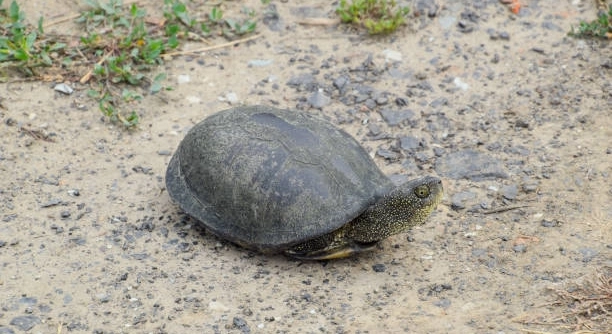
Musk turtles can face various health issues, and spotting early signs of illness is crucial for their well-being. These turtles, though hardy, are susceptible to certain conditions that can quickly worsen without timely attention. Recognizing symptoms early is key.
The earliest signs of illness in musk turtles often include changes in behavior, appetite, or physical appearance. Common symptoms include lethargy, unusual swimming patterns, or discoloration of the shell or skin, which can indicate infection or stress.
Knowing how to identify these symptoms will help you take action before things get worse. Ensuring proper care and monitoring can make a significant difference in their health.
Common Health Issues in Musk Turtles
Musk turtles are prone to several health issues, including respiratory infections, shell problems, and parasites. Respiratory infections are among the most common concerns, often caused by poor water quality or exposure to cold temperatures. Symptoms can include wheezing, labored breathing, and a lack of appetite. Shell problems, like soft or damaged shells, can also arise from improper diet or lack of calcium. Parasites can cause lethargy and weight loss, impacting their overall health. Identifying these issues early can make treatment much more effective and help prevent long-term damage.
A proper diet, clean habitat, and regular health checks are key to preventing these common issues. Keeping the water clean and at the right temperature can avoid many of the diseases musk turtles face.
If you notice changes in your turtle’s behavior or physical condition, it’s important to act quickly. Treating problems early reduces the risk of more serious health complications. A healthy environment and good care are essential for your turtle’s well-being.
Monitoring Behavior and Activity
Behavioral changes in musk turtles can often point to an underlying issue. If your turtle suddenly becomes inactive or displays unusual behavior, it’s worth investigating. These changes can be caused by illness or stress, both of which require attention.
An inactive turtle might be suffering from a respiratory infection, a common problem for musk turtles. If the water temperature is too low or the tank is overcrowded, turtles may become stressed. This stress can lead to lethargy or refusal to eat. On the other hand, a sudden increase in activity or erratic movements could indicate pain or discomfort. Make sure to observe your turtle’s behavior regularly to catch early signs of illness.
Changes in Appetite
A sudden loss of appetite in musk turtles is a strong indication that something is wrong. It could signal illness, stress, or poor water conditions. If your turtle refuses food for more than a day, it’s worth looking into the environment and overall health.
Musk turtles require a balanced diet to stay healthy, with protein and vegetables making up their meals. A loss of appetite often results from poor water quality, leading to stress. A tank with inadequate filtration or water temperature can disrupt their natural feeding patterns. Another common cause is a change in the food provided or the way it’s served. Keep track of any changes to their environment and food, as this can provide clues to the cause.
Monitoring their eating habits will help identify when something is off. If your turtle shows interest in food but struggles to eat, this may indicate mouth or respiratory issues. Offering fresh food regularly and adjusting their living conditions may restore normal appetite.
Physical Appearance Changes
A musk turtle’s shell and skin can reveal a lot about its health. If you notice unusual discoloration, softness, or a build-up of scum, it’s a sign that your turtle may be sick. Physical changes should never be ignored.
Shell discoloration, like yellow or white patches, may indicate a fungal infection, which requires prompt attention. Similarly, a soft shell is a sign of calcium deficiency or an improper diet. Skin shedding, while normal, can also point to stress or environmental issues. If you notice excessive peeling or abnormal marks, it’s crucial to check the water temperature and diet. Dry or flaky skin may suggest dehydration or inadequate humidity levels in their habitat.
Taking quick action when you notice these changes can prevent more severe health problems. Regular health checks and environmental monitoring are key to keeping your turtle in good condition.
Lethargy and Inactivity
Lethargy is one of the first signs that something may be wrong with your musk turtle. A normally active turtle that suddenly becomes sluggish or spends most of its time on the bottom of the tank could be ill.
Lethargy can be a result of poor water quality, improper temperatures, or an internal infection. If your turtle shows signs of weakness or fails to respond to stimuli, it’s essential to investigate the environment and their overall condition. Checking the water parameters, such as pH, temperature, and filtration, is a good place to start.
Respiratory Issues
Respiratory problems in musk turtles are common but need quick attention. Symptoms like wheezing, open-mouth breathing, or nasal discharge indicate that your turtle may be suffering from a respiratory infection.
Respiratory infections can develop from poor water conditions, stress, or prolonged exposure to cold water. They can be dangerous if left untreated, often leading to more severe health complications. Ensuring your turtle has access to clean, warm water will help prevent these issues. If you notice any signs of labored breathing or nasal discharge, taking your turtle to a vet is essential for proper care.
Monitoring Tank Conditions
Ensuring proper tank conditions is key to a healthy turtle. Musk turtles are sensitive to water quality, and improper tank setup can lead to health issues. Regularly monitor their environment.
Water temperature, filtration, and tank cleanliness all affect your turtle’s well-being. If any of these factors are off, your turtle could become stressed or sick. Test the water regularly for parameters like pH, ammonia levels, and temperature. Make sure your turtle’s habitat is spacious and well-maintained for optimal health.
FAQ
What are the common signs of illness in musk turtles?
Common signs of illness in musk turtles include changes in behavior, such as lethargy or lack of appetite, as well as physical changes like discoloration or softness of the shell. Respiratory problems, such as wheezing or labored breathing, and abnormal swimming patterns are also key indicators of potential health issues.
How can I prevent my musk turtle from getting sick?
To prevent illness, maintain a clean tank with the proper water conditions, including stable temperature, pH, and filtration. A balanced diet is essential, offering protein, vegetables, and calcium. Regular health checks can help catch any potential issues early.
What should I do if my musk turtle stops eating?
If your musk turtle stops eating, check the water temperature and quality. Poor water conditions can cause stress or illness, leading to loss of appetite. Ensure they are eating the right types of food. If the behavior persists for more than a day, consult a veterinarian.
How often should I clean my musk turtle’s tank?
Cleaning your musk turtle’s tank regularly is essential to maintaining good health. It’s recommended to change the water every week, clean the filter every two to three weeks, and do a deep clean once a month. Regular cleaning helps prevent bacterial growth and keeps your turtle comfortable.
Can musk turtles live in cold water?
Musk turtles are freshwater turtles that require warmer water. Water temperatures should range between 75°F and 80°F. Prolonged exposure to cold water can lead to respiratory infections and other health problems. It’s essential to maintain a consistent water temperature using a reliable water heater.
Is it normal for my musk turtle to bask?
Yes, basking is a normal behavior for musk turtles. They bask to regulate their body temperature, dry off, and absorb UVB light, which is crucial for calcium metabolism and shell health. Make sure your turtle has access to a basking area with a heat lamp.
How can I tell if my musk turtle is stressed?
Signs of stress in musk turtles include erratic swimming, hiding, loss of appetite, and excessive basking. Poor water quality, overcrowding, or sudden changes in the environment can cause stress. Keeping a stable, clean habitat will help minimize stress and promote your turtle’s well-being.
Can musk turtles get parasites?
Yes, musk turtles can get parasites, which may cause symptoms like lethargy, weight loss, and changes in their skin or shell. Parasites are often introduced through contaminated water or food. Regular tank maintenance and proper hygiene can help prevent parasite outbreaks.
Why is my musk turtle’s shell soft?
A soft shell can indicate a calcium deficiency, which is common in musk turtles that aren’t provided a proper diet. A lack of UVB light or insufficient calcium in their diet can lead to shell problems. To address this, provide calcium supplements and ensure they have access to UVB light.
How do I treat a respiratory infection in my musk turtle?
Respiratory infections in musk turtles require immediate attention. Symptoms include wheezing, nasal discharge, or labored breathing. If you notice these signs, consult a veterinarian as soon as possible. Treatment typically includes antibiotics, and keeping the tank temperature warm and stable can help during recovery.
What is the best diet for a musk turtle?
A balanced diet for a musk turtle includes a variety of protein sources like insects, fish, and shrimp, along with vegetables like leafy greens and aquatic plants. Offering a calcium supplement is also important for maintaining a healthy shell. Avoid feeding your turtle too much processed food, which can lead to nutritional imbalances.
How can I tell if my musk turtle is dehydrated?
Dehydration in musk turtles is often indicated by dry or flaky skin, sunken eyes, and lethargy. If you notice these symptoms, ensure that the water in their tank is clean and at the right temperature. Additionally, soaking your turtle in warm water for 20 minutes a few times a week can help prevent dehydration.
Can musk turtles live with other turtles?
Musk turtles can be kept with other turtles, but it’s important to choose tank mates carefully. Larger, more aggressive species may pose a threat. Always monitor interactions to ensure that they are getting along. It’s also crucial to have enough space and resources to accommodate multiple turtles in one tank.
How can I help my musk turtle shed its skin?
Musk turtles shed their skin regularly, and it’s usually not a cause for concern. If your turtle is having trouble shedding, it could be due to dry conditions or insufficient humidity. You can help by maintaining proper humidity levels and soaking your turtle in warm water.
Why is my musk turtle’s shell turning white?
A white shell could be a sign of a fungal infection or a calcium deficiency. Fungal infections often appear as white patches on the shell. To treat a fungal infection, consult a vet for antifungal treatment. If it’s a calcium deficiency, providing calcium supplements can help restore shell health.
How do I know if my musk turtle has a parasite?
Signs of parasites in musk turtles include lethargy, weight loss, and changes in their behavior. You might also notice unusual stool or visible parasites in the water. A veterinarian can help diagnose and treat the parasite issue through medication. Regular tank cleaning and proper food handling can help reduce the risk of parasites.
Final Thoughts
Caring for musk turtles requires attention to detail, consistency, and a willingness to learn. Recognizing early signs of illness can make a significant difference in your turtle’s health and well-being. Regular monitoring of their behavior and environment is essential. Lethargy, respiratory issues, and skin or shell changes are common signs that something may be wrong. By identifying these signs early, you can take the necessary steps to prevent further complications, often avoiding more severe health problems down the line. Your turtle’s environment, diet, and tank conditions play a major role in their overall health, so maintaining a clean and stable habitat is key.
Musk turtles thrive in environments where water quality is consistently good, and they have access to the right diet and appropriate temperature. Routine checks of the water’s pH, temperature, and filtration ensure your turtle remains comfortable and healthy. It’s essential to provide your turtle with a balanced diet that includes protein, vegetables, and the right supplements. Don’t forget to maintain a basking area with UVB lighting to help them metabolize calcium and keep their shell strong. These steps, though simple, make a big difference in preventing illness and ensuring a long, healthy life for your musk turtle.
When in doubt, don’t hesitate to consult a veterinarian if you notice any unusual behavior or symptoms in your turtle. Early intervention can often lead to a quicker recovery and prevent a minor issue from turning into something serious. With proper care and attention, musk turtles can live long, healthy lives. Understanding the common signs of illness and how to address them will help you keep your turtle in the best condition possible. Ultimately, by following a few basic guidelines and staying observant, you can enjoy a happy, healthy musk turtle for many years to come.

Hello,
If you enjoy the content that we create, please consider saying a "Thank You!" by leaving a tip.
Every little bit helps us continue crafting quality advice that supports the health, happiness, and well-being of pets around the world, for pets of all shapes, sizes, and species.
We really appreciate the kindness and support that you show us!