
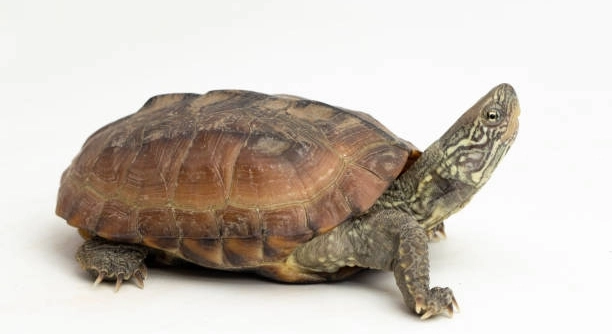
Musk turtles are fascinating pets, but like all animals, they can experience health issues. Being aware of these problems will help keep your turtle happy and healthy for years to come.
Musk turtles are prone to several common health issues, including respiratory infections, shell rot, parasites, and more. These conditions can be serious but are preventable and treatable with proper care and regular monitoring.
Understanding these health problems can help you spot signs early, giving your turtle the best chance for a quick recovery. Keeping a close eye on their behavior and appearance is key to ensuring their well-being.
Respiratory Infections in Musk Turtles
Respiratory infections are a common problem for musk turtles. These infections can be caused by bacteria, fungi, or viruses, and they usually develop due to poor tank conditions, such as inadequate temperature, humidity, or water quality. A turtle with a respiratory infection may show symptoms like wheezing, lethargy, nasal discharge, or difficulty breathing. If left untreated, the infection can worsen and become life-threatening. To prevent respiratory infections, it is essential to maintain a proper environment for your turtle. This includes providing a heat source, proper filtration, and regular tank cleaning.
Respiratory infections can spread quickly, especially in crowded tanks. It’s important to separate any sick turtles to prevent the infection from affecting others.
If your turtle is showing signs of respiratory distress, it’s important to consult a vet as soon as possible. They may prescribe antibiotics or antifungal medications to help treat the infection. Additionally, maintaining optimal tank conditions will support your turtle’s immune system and help prevent future issues. Regularly checking the water temperature and humidity levels is key to preventing infections from developing in the first place.
Shell Rot and How to Handle It
Shell rot is a condition that affects the protective outer layer of a turtle’s shell.
Shell rot is caused by a bacterial or fungal infection that leads to soft, decaying patches on the shell. It’s most commonly seen in turtles with poor tank conditions or inadequate care. Shell rot can also be caused by injuries that allow bacteria to enter. Symptoms include discolored patches, foul odor, and soft areas on the shell.
To prevent shell rot, it’s crucial to regularly clean your turtle’s tank and make sure the water quality is up to par. If shell rot is noticed, the affected areas should be cleaned and treated with an appropriate antibiotic ointment or antifungal cream. In severe cases, a vet may need to remove the infected tissue. Avoiding stagnant water and ensuring your turtle has a dry basking area will help keep the shell strong and healthy. Regularly inspect your turtle’s shell to catch problems early and keep your pet happy.
Parasites in Musk Turtles
Parasites can be a significant issue for musk turtles. Internal parasites, like worms, and external parasites, like mites or ticks, can cause discomfort and health problems. Turtles that are kept in unsanitary conditions are more likely to get parasites. Regular tank cleaning and proper care can prevent parasite infestations.
Parasites in musk turtles can lead to symptoms like weight loss, poor appetite, and lethargy. In some cases, external parasites can be visible as small, moving spots on the skin or shell. Internal parasites can be harder to detect but may cause gastrointestinal problems. If you notice these signs, it’s time to visit the vet for a proper diagnosis.
A vet will likely perform tests to determine the type of parasite. They might recommend medications to eliminate the parasites. Regularly changing the water, providing a clean basking area, and avoiding overcrowding in the tank will reduce the risk of parasite infestation. Additionally, quarantine new turtles to ensure they aren’t bringing parasites into the environment. Keeping your turtle’s habitat clean and monitoring their health are key steps in preventing parasites.
Dehydration in Musk Turtles
Dehydration can be a hidden issue for musk turtles, especially those who spend most of their time basking.
Turtles need access to water not only for swimming but also for drinking. Dehydration can cause them to become lethargic, refuse food, or develop dry skin. To prevent dehydration, make sure your turtle has a clean water source at all times. This helps them stay hydrated and keeps their skin healthy. Additionally, ensure the water is the correct temperature, as cold water can discourage drinking.
A dry basking area is important for regulating hydration levels. If your turtle’s shell becomes excessively dry, consider adding humidity to their habitat or offering occasional misting. Proper water quality, combined with a balanced diet, can also help maintain hydration. Keeping a consistent routine with tank cleaning and monitoring your turtle’s behavior can ensure they stay well-hydrated and healthy.
Eye Infections in Musk Turtles
Eye infections are relatively common in musk turtles. These infections can result from poor water quality or a physical injury. Symptoms often include swelling, discharge, or redness around the eyes. It’s important to act quickly to avoid complications.
To prevent eye infections, maintain proper water cleanliness and remove debris from the tank regularly. If you notice an infection, seek veterinary advice. Treatment may involve topical antibiotics or eye drops. In severe cases, the turtle might need oral antibiotics. Regular tank maintenance and observing your turtle’s eyes will help keep infections at bay.
Vitamin A Deficiency
Vitamin A deficiency is another health issue to watch out for. This can lead to eye problems and immune system weakness.
Vitamin A is vital for overall health. Without it, musk turtles may develop swollen eyes, difficulty shedding, and other serious health concerns. To avoid this, make sure your turtle is getting a balanced diet with appropriate vitamins. A diet rich in dark leafy greens, carrots, and other vitamin A-rich foods can help prevent deficiencies. Consider supplementing their diet with high-quality turtle pellets if necessary.
Obesity in Musk Turtles
Obesity is becoming more common in musk turtles, particularly in those that are overfed or not given enough space to move around.
Obesity can lead to various health issues, including shell deformities, difficulty swimming, and heart problems. Musk turtles have slow metabolisms, so it’s important to feed them the right amount of food. Overfeeding or offering too many treats can contribute to weight gain. Regularly monitor their weight and adjust their diet accordingly.
A proper feeding schedule is key to preventing obesity. Providing them with a balanced diet that includes protein, leafy greens, and occasional fruits will keep them healthy. Also, encourage activity by giving them space to swim and explore.
FAQ
What are the signs of a sick musk turtle?
A sick musk turtle may show several signs, including lethargy, lack of appetite, swollen or cloudy eyes, difficulty swimming, and abnormal behavior. If you notice any changes in your turtle’s appearance or habits, it’s crucial to check their habitat conditions first. Poor water quality, temperature fluctuations, or lack of proper basking areas can lead to health problems. Pay attention to any signs of infection, shell rot, or respiratory issues. If symptoms persist, it’s always a good idea to consult a vet.
How can I prevent respiratory infections in my musk turtle?
To prevent respiratory infections, ensure that your turtle’s tank has a proper temperature gradient with a warm basking area. The water should also be clean, with regular filtration and water changes. Avoid sudden temperature fluctuations or drafts, as they can weaken your turtle’s immune system. A well-maintained habitat is the first line of defense against respiratory issues. Additionally, ensure that your turtle has enough space to swim and bask, which supports their overall health. If your turtle begins showing signs of respiratory distress, visit a vet immediately for treatment.
How often should I clean my musk turtle’s tank?
It’s essential to clean your musk turtle’s tank regularly to maintain water quality and prevent health problems. At a minimum, the tank should be fully cleaned every two to three weeks, but daily or weekly spot cleaning is necessary to remove waste, uneaten food, and debris. Ensure the filter is working correctly, as this helps maintain water quality in between deep cleans. Additionally, be sure to monitor the water’s temperature and pH levels, as changes can impact your turtle’s health.
What is the best diet for a musk turtle?
A balanced diet is key to keeping your musk turtle healthy. Offer a mix of protein, vegetables, and occasional fruits. Protein can include small fish, earthworms, or specially formulated turtle pellets. Vegetables like leafy greens, collard greens, and carrots are excellent sources of nutrients, while fruits like strawberries and melon can be offered occasionally as treats. Avoid overfeeding, as excess food can lead to obesity. Providing a variety of foods helps ensure your turtle gets all the nutrients it needs. Always ensure the food is cut into small, manageable pieces to avoid choking.
How can I tell if my musk turtle is dehydrated?
Dehydration in musk turtles can be tricky to detect. Some signs include lethargy, dry skin, and refusal to eat. If the skin around the neck and legs appears wrinkled, this may indicate dehydration. Ensure that your turtle has access to fresh, clean water at all times. Regularly check the water quality and ensure it’s the proper temperature, as cold water can discourage drinking. If you suspect dehydration, you can mist your turtle’s shell or soak it in shallow water to encourage drinking and help restore hydration.
Can I keep more than one musk turtle together?
Musk turtles can be territorial, especially males, so it’s important to carefully consider the space and dynamics in the tank. In general, it’s best to house them alone, particularly if they are not used to living with other turtles. If you do choose to keep more than one, ensure the tank is large enough to provide plenty of space for each turtle to establish its own area. Keep a close eye on them to ensure there’s no aggressive behavior, such as biting or chasing. Separate them immediately if aggression occurs.
What temperature should my musk turtle’s tank be?
Musk turtles require a temperature gradient in their tank. The water temperature should be between 75°F and 85°F, with a basking area heated to about 90°F to 95°F. Having this gradient allows the turtle to regulate its body temperature by moving between the warm water and basking area. Make sure to use a reliable water heater and a thermometer to maintain these temperature ranges. If the water is too cold, your turtle may become sluggish or refuse to eat. A basking light will also ensure your turtle gets the warmth it needs to digest food properly.
How long do musk turtles live?
Musk turtles can live for quite a long time, with an average lifespan of 20 to 30 years when cared for properly. Some turtles have been known to live even longer with optimal care. Their life expectancy can be influenced by factors such as diet, tank conditions, and overall health. Regular check-ups and maintaining a clean, stable habitat will help ensure your turtle lives a long and healthy life. Providing a balanced diet, proper lighting, and regular water changes all contribute to their longevity.
Why is my musk turtle not eating?
There are several reasons your musk turtle might refuse food. Common causes include stress, illness, water temperature issues, or changes in their environment. If you’ve recently introduced new turtles or made changes to the tank, the adjustment period might affect their appetite. Ensure that the water is at the correct temperature and that the food is fresh and properly sized. If your turtle continues to refuse food, it may be time to consult a vet to rule out any underlying health issues. Make sure the diet you’re offering is suitable for their species and age.
How can I treat shell rot in my musk turtle?
Shell rot is a bacterial or fungal infection that causes damage to the turtle’s shell. To treat it, first remove your turtle from the tank and clean the affected area with warm, clean water. Gently scrub any debris or infected tissue, and dry the shell thoroughly. Apply an appropriate antibiotic or antifungal ointment as directed by your vet. In severe cases, the vet may need to remove infected tissue. Make sure to provide your turtle with a clean and dry environment to prevent further infections and promote healing. Regularly inspect your turtle’s shell for any signs of rot to catch it early.
Taking care of a musk turtle requires attention to detail and a commitment to maintaining a healthy environment. These turtles are resilient, but they are also sensitive to changes in their habitat, diet, and overall care. By being mindful of the water quality, temperature, and humidity, you can help prevent many of the common health issues they face. Regular cleaning of their tank, proper lighting, and ensuring a balanced diet are simple but essential steps that can keep your turtle happy and healthy.
If you notice any unusual behavior or symptoms in your turtle, don’t wait too long to address the issue. Early intervention can make a significant difference in treatment and recovery. Common signs of health problems, such as lethargy, refusal to eat, or shell issues, should be taken seriously. It’s always better to consult a vet if you’re unsure, especially if your turtle shows signs of infection, parasites, or dehydration. A proper diagnosis will help you treat the problem more effectively, giving your turtle the best chance for a quick recovery.
Maintaining good health for your musk turtle is a long-term commitment. While there may be occasional health challenges, the key is to stay proactive. Regularly checking your turtle’s shell, eyes, and overall behavior, along with maintaining a clean and comfortable living space, will help avoid most issues. A healthy musk turtle can live for many years, and with the right care, they can thrive in your home, bringing joy and companionship for a long time. Stay attentive and patient, and your turtle will reward you with its well-being and unique personality.

Hello,
If you enjoy the content that we create, please consider saying a "Thank You!" by leaving a tip.
Every little bit helps us continue crafting quality advice that supports the health, happiness, and well-being of pets around the world, for pets of all shapes, sizes, and species.
We really appreciate the kindness and support that you show us!