
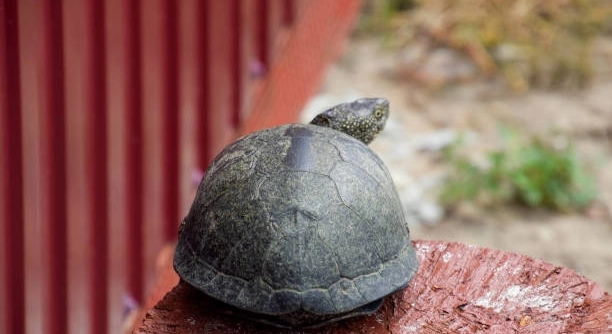
Some musk turtles seem to prefer deeper waters, but the reasons behind this behavior are not always obvious. Understanding their preferences can help ensure their well-being and provide valuable insights into their natural habitat needs.
Musk turtles prefer deeper water mainly because of their need for safety, feeding, and comfort. Deeper areas offer protection from predators, a stable environment for foraging, and the ability to regulate their body temperature more effectively.
Learning more about why these turtles seek deeper waters can help improve their care in captivity and offer a glimpse into their natural behaviors.
Why Deeper Water Feels Safer for Musk Turtles
Musk turtles naturally seek deeper waters for a sense of security. In shallow areas, they are more vulnerable to predators like birds or larger fish. The depth of water provides a safe haven, where they can easily hide in crevices or submerge themselves to avoid danger. With deeper water, they feel more protected and at ease. This instinct to hide and stay safe is especially evident in the wild, where survival depends on being able to evade threats.
Musk turtles, like many other aquatic species, are more likely to feel calm and secure in deeper waters. They can also take advantage of the water’s depth to rest and remain hidden without the fear of being easily detected.
As for their feeding habits, deeper water can provide a better foraging environment. Many aquatic invertebrates, their primary food source, are found in these areas. Additionally, deeper regions often offer cleaner water, which is essential for their health. Being in these environments allows musk turtles to maintain a balanced diet while also staying out of harm’s way. The depth offers stability and support for their overall well-being.
The Importance of Temperature Regulation
Musk turtles prefer deeper water because it helps regulate their body temperature more effectively. Shallow areas tend to heat up quickly in warm weather and cool down just as fast when temperatures drop. Deep water offers a more stable temperature, which is crucial for their metabolism and overall health.
Temperature regulation plays a key role in maintaining their energy levels and supporting digestion. When water remains consistent in depth, it prevents extreme fluctuations in temperature. This stability encourages normal behavior, making the environment more comfortable for the turtle. It allows them to maintain proper bodily functions, reducing stress.
Turtles that are unable to regulate their temperature effectively may experience health problems. These issues can range from digestive discomfort to impaired immune function. As cold-blooded creatures, musk turtles rely on external temperatures to regulate their internal body heat. Having access to deeper water ensures they can find a comfortable space to regulate their temperature without drastic changes affecting their health. The deeper the water, the better their chances of staying in an optimal environment.
Better Access to Oxygen
Deeper waters offer musk turtles better access to oxygen. As water depth increases, the oxygen concentration remains more stable, especially in areas with less water movement. Shallow waters, in contrast, may have fluctuating oxygen levels that make it harder for turtles to breathe comfortably. The consistency of oxygen in deeper environments supports their respiratory needs, especially when they are active and foraging.
In deeper waters, oxygen tends to stay at a more balanced level, making it easier for musk turtles to maintain their normal activity. This ensures they have the energy needed for swimming, hunting, and other essential behaviors. Shallow waters may cause stress due to oxygen depletion, leading to a less stable environment.
Additionally, deeper waters offer turtles the ability to move freely without encountering obstacles that might hinder their breathing. In contrast, shallow water can cause them to surface more often, which disrupts their natural swimming patterns. Being in deeper water ensures a smoother experience, with fewer interruptions to their natural rhythms.
Protection from Temperature Extremes
Deeper waters provide protection from sudden temperature changes, especially during extreme weather conditions. In shallow waters, temperature fluctuations can be drastic, making it harder for musk turtles to stay comfortable. They are more susceptible to the effects of hot or cold spells, which can affect their health.
The ability to stay in deeper, cooler regions of water ensures that musk turtles are protected from rapid temperature shifts. This stability allows them to remain in their ideal temperature range, supporting their digestion, metabolism, and overall health. Sudden shifts can cause stress or health issues, especially when turtles are unable to find refuge in deeper areas.
In natural habitats, temperature control is vital for their survival. Musk turtles often seek deeper waters to escape rising surface temperatures, which may be too extreme for their tolerance. The water’s depth offers consistent conditions, enabling them to maintain their comfort and well-being. This is an essential factor for their ability to thrive.
Suitable Foraging Areas
Deeper waters often contain more food options for musk turtles. These areas are home to a variety of aquatic invertebrates and plants that make up a significant part of their diet. Shallow waters may not offer the same abundance of food sources.
The deeper the water, the more likely it is to host a diverse ecosystem, providing the turtle with a greater variety of nutrients. Musk turtles search for food at the bottom, where they can find insects, mollusks, and small fish. This food-rich environment supports their health and energy levels.
Musk turtles rely on these deeper zones for constant access to food. Shallow areas may lack the resources necessary to sustain them in the long run. In deeper water, they are better equipped to maintain their feeding habits, which are vital for their overall survival.
Better Hydration
Deeper water generally offers better hydration levels for musk turtles. Shallow water tends to heat up quickly under the sun, causing it to evaporate faster. This leaves turtles in a situation where they must rely on small, quickly-depleting water sources.
Deeper environments maintain more stable water levels. This stability helps prevent dehydration by offering a consistent supply of water for the turtle. It also supports the natural process of osmoregulation, where they can control the balance of water and salts in their body. Keeping hydrated is vital for their survival and comfort.
Reduced Stress Levels
Musk turtles experience less stress in deeper waters. These areas provide more hiding spots, which allows them to retreat when they feel threatened. Shallow water environments are more exposed, leaving them vulnerable to predators and disturbances.
In deeper water, turtles feel secure and can avoid unnecessary stress. This sense of security enhances their overall well-being. It reduces the likelihood of them becoming anxious or unhealthy, which is crucial for maintaining their energy and active behaviors.
FAQ
Why do musk turtles prefer deeper water over shallow water?
Musk turtles prefer deeper water because it offers a sense of security, better access to oxygen, and stable temperatures. In shallow water, they are more vulnerable to predators and may struggle with fluctuating oxygen levels. The depth provides a more consistent environment for their physical well-being and overall comfort.
How does the depth of water affect the temperature for musk turtles?
Deeper water remains cooler and more stable than shallow areas. Shallow waters heat up quickly during the day and cool down rapidly at night. Musk turtles need stable temperatures to regulate their metabolism, and deeper waters offer that consistency, helping them avoid extreme temperature changes that could cause stress or health problems.
Can musk turtles live in shallow water?
While musk turtles can survive in shallow water, they generally prefer deeper areas for the reasons mentioned. Shallow water can expose them to predators and rapid temperature fluctuations. However, if deep water isn’t available, they may adapt to shallower zones, though it might not be ideal for their health in the long run.
Do musk turtles need to be in deep water to find food?
Musk turtles are more likely to find their preferred food sources in deeper water. These areas tend to have a wider range of aquatic plants, insects, and small fish that form a large part of their diet. Shallow waters may not offer as much variety, which is why deeper environments are more suitable for their feeding needs.
How does deeper water help musk turtles with oxygen levels?
Deeper water provides more consistent oxygen levels compared to shallow areas, where the oxygen concentration can fluctuate due to changes in temperature or water movement. This stability helps musk turtles maintain steady breathing and remain active, which is important for their overall health.
What are the signs that a musk turtle is stressed in shallow water?
In shallow water, musk turtles may exhibit signs of stress such as erratic swimming, frequent surfacing for air, or attempting to escape the water. These behaviors often occur when they feel threatened or uncomfortable due to the exposure and fluctuating environmental conditions in shallow zones.
Can musk turtles tolerate extreme water temperatures?
Musk turtles are sensitive to extreme water temperatures. While they can tolerate a range of temperatures, extreme heat or cold can cause stress or harm. Deeper waters offer more temperature stability, preventing the rapid fluctuations that can lead to discomfort or health issues for the turtles.
What do musk turtles do in deeper water to stay safe?
In deeper water, musk turtles have access to hiding spots such as rocks, plants, and other underwater structures. They use these areas to evade predators and feel secure. The depth allows them to submerge fully, staying hidden from potential threats.
How does deeper water affect musk turtles’ overall health?
Deeper water provides musk turtles with a more stable environment for hydration, temperature regulation, and feeding. This stability supports their metabolic processes and reduces stress. As a result, they are less likely to experience health issues that could arise from inconsistent or uncomfortable conditions in shallow water.
Is it important for musk turtles to have access to both shallow and deep water?
While musk turtles prefer deeper water, having access to both shallow and deep areas can offer a variety of benefits. Shallow water provides opportunities for basking in the sun, while deeper water offers safety and stability. A combination of both environments allows musk turtles to fulfill all their needs for food, hydration, and relaxation.
Final Thoughts
Musk turtles naturally prefer deeper water due to the stability it offers. The depth ensures a consistent supply of oxygen, helps maintain a comfortable temperature, and provides better access to food. These factors contribute to the overall well-being of the turtle. In shallow water, temperature changes and fluctuating oxygen levels can create an unstable environment, causing stress or discomfort for the turtle. By choosing deeper water, musk turtles are able to thrive in an environment that meets their basic needs more effectively.
Deeper waters also offer musk turtles better protection from predators. In shallow areas, the lack of hiding spots and the exposure to open space can make them more vulnerable. In contrast, deeper waters often contain submerged plants, rocks, and other structures where they can hide. These natural shelters help them feel secure and reduce the risk of being preyed upon. The ability to hide and move freely in deeper waters also supports their behavioral needs and allows them to engage in more natural activities without the constant threat of danger.
While musk turtles can survive in shallow waters, their health and behavior are optimized in deeper environments. The consistent temperature, food availability, and protection from predators make deeper waters the preferred choice. Understanding these factors is essential for creating a suitable habitat for musk turtles in captivity or for conservation purposes. By mimicking the conditions of their natural deep-water habitats, we can ensure that musk turtles remain healthy and thrive in their environments.

Hello,
If you enjoy the content that we create, please consider saying a "Thank You!" by leaving a tip.
Every little bit helps us continue crafting quality advice that supports the health, happiness, and well-being of pets around the world, for pets of all shapes, sizes, and species.
We really appreciate the kindness and support that you show us!