
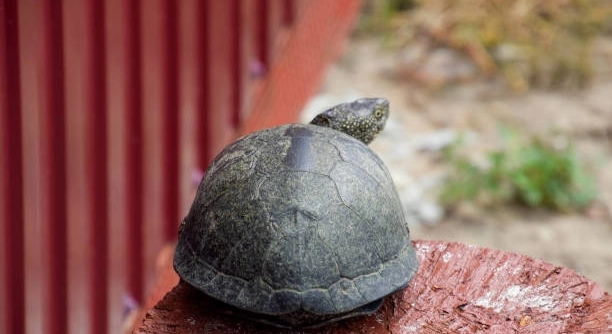
Musk turtles are fascinating creatures, but they require specific care to stay healthy and thrive. Knowing how to handle them properly can make a big difference in their well-being and your experience as a pet owner.
When handling musk turtles, it is important to avoid common mistakes that can cause stress or harm. Mishandling can lead to injury, infections, or anxiety, which negatively affect their health. Proper care ensures they live a happy life.
There are a few simple rules to follow for a stress-free turtle experience. Learning these will help keep your musk turtle comfortable and safe in your care.
1. Avoid Overhandling Your Musk Turtle
Musk turtles are delicate creatures, and handling them too much can cause them stress. While they may seem small and tough, they can get overwhelmed easily. Overhandling can lead to anxiety, which can impact their health, making them more susceptible to illness. They are naturally shy, and excessive handling takes away from their ability to feel secure in their environment. It’s best to keep handling to a minimum, allowing your turtle to adjust to its new surroundings at its own pace. Let them explore and feel safe before interacting too much.
It’s crucial to respect their space and avoid constant interaction.
Musk turtles also tend to get stressed when they are handled roughly or improperly. If you need to move them, make sure you do so gently. Use both hands to support their body and avoid grabbing them by the shell. These creatures feel most comfortable when they are left to navigate their habitat with minimal disturbances. If you want your turtle to trust you, let it approach you on its own terms. Once they become more comfortable with you, the occasional interaction will be much more rewarding.
2. Don’t Ignore Their Habitat Needs
A proper environment is vital for the well-being of your musk turtle. Without a suitable habitat, they may not thrive or behave naturally. Make sure they have access to clean water and a proper basking area. Turtles rely on both these features to maintain their health. A lack of cleanliness can lead to skin infections or other complications. It’s important to ensure the water temperature is stable, and that they have both shallow and deep areas to move around in. Without the right setup, your turtle will struggle to adapt.
A well-maintained tank is essential for their health.
When setting up a tank, make sure it mimics the natural environment as much as possible. You should provide a filter to keep the water clean and an area where they can come out of the water to bask. A good basking spot should have enough space for your turtle to dry off completely and warm up. Keep in mind that a stable water temperature between 75 and 80 degrees Fahrenheit is ideal. This warmth helps their immune system and promotes healthy shell growth. A UVB light will also ensure they get the necessary vitamins to stay strong. Changing the water frequently is just as important. Clean water will prevent diseases and help your turtle live a long, healthy life.
3. Don’t Feed Them the Wrong Diet
Feeding your musk turtle the wrong food can lead to health issues. They are omnivores, meaning they require a balanced diet of both plants and small animals. If they’re fed too much protein, they may develop shell deformities. On the other hand, a diet with insufficient protein can stunt their growth. The right balance of vegetables, aquatic plants, and proteins like worms or small fish is crucial. You can supplement their diet with commercially prepared turtle food, but always make sure it meets their nutritional needs. Additionally, be mindful of portion control. Overfeeding can cause obesity, which puts extra strain on their bodies.
A proper diet keeps them healthy and active.
Offering a variety of food is key. Fresh vegetables like leafy greens, carrots, and peas are great choices. You can also offer aquatic plants like water lettuce and duckweed. Small live prey like feeder fish, snails, or earthworms provide the protein they need. Be cautious of processed foods that contain unnecessary additives or artificial ingredients. Avoid feeding them food like bread, lettuce, or spinach, as these do not provide the nutrients they need. Proper feeding habits will ensure your turtle grows strong and lives a long, healthy life.
4. Don’t Neglect Their Shell Care
The shell of a musk turtle needs regular attention. It’s essential for their protection, and keeping it healthy is part of your responsibility. Dirt and bacteria can accumulate on their shells, potentially leading to infections or shell rot. A clean shell helps them stay in good shape and prevents unnecessary health risks.
Cleaning your turtle’s shell is important for their overall well-being. If your turtle’s shell looks dirty or there are patches of algae, gently clean it with a soft toothbrush or cloth. Be careful not to scrub too hard, as this could damage the shell. A bath in clean, warm water can help loosen any debris stuck on it. Regular shell care can also help you spot potential issues early, such as cracks or fungus, before they become serious problems. Pay attention to the condition of your turtle’s shell, as it reflects their overall health.
5. Don’t Keep Them in Too Small of a Tank
Musk turtles need enough space to move and explore. A small tank limits their freedom and can lead to stress. A cramped environment makes it harder for them to stay healthy, as they need room to swim and bask. A large tank allows for a more natural lifestyle and keeps your turtle active and happy.
Providing a larger tank is a must for their well-being.
Choosing the right tank size is critical. Aim for at least a 20-gallon tank for a single musk turtle. If you have multiple turtles, you will need a larger tank, up to 40 gallons or more. A bigger tank ensures that they have enough space to swim, find their food, and retreat to a basking area when needed. It’s also easier to maintain water quality in a larger tank, helping keep your turtle healthier. Giving them the freedom to move around also reduces the chance of stress, making it a happier environment for them overall.
6. Don’t Expose Them to Loud Noises
Musk turtles can be sensitive to loud or sudden noises. High noise levels can cause them stress, making it harder for them to adjust to their environment. Prolonged exposure to loud sounds can even impact their health and behavior. It’s important to provide a peaceful environment.
Keeping noise to a minimum will benefit your turtle.
Avoid placing your turtle tank in high-traffic areas or places with loud sounds, like near a television or speakers. Musk turtles are most comfortable in quiet, calm spaces where they feel safe. The more relaxed their environment, the healthier they will be.
7. Don’t Use Harsh Chemicals Around Their Tank
Cleaning products with harsh chemicals can be dangerous to musk turtles. These chemicals may leak into their water or stick to their habitat, harming their delicate skin and overall health. It’s essential to use safe, non-toxic cleaning supplies that will not endanger your turtle.
Choose safe, natural cleaning methods.
When cleaning the tank, use mild, pet-safe cleaners, or simply warm water. If you need a stronger cleaner, make sure it is safe for aquatic animals and rinse everything thoroughly. Avoid using bleach or ammonia, as they can be toxic. Proper cleaning will keep your turtle safe and healthy without exposing them to harmful substances.
FAQ
How often should I feed my musk turtle?
Musk turtles typically eat every other day. It’s important not to overfeed them, as obesity can lead to health problems. Offer a balanced diet of vegetables, aquatic plants, and protein sources like small fish or worms. Keep portions appropriate for their size and avoid feeding them too much at once. Monitor their weight and adjust food intake accordingly. A healthy feeding routine will keep your turtle in good shape.
What size tank is best for my musk turtle?
A 20-gallon tank is the minimum recommended size for one musk turtle. If you have more than one, you’ll need a larger tank, such as a 40-gallon one, to ensure they have enough space to swim and explore. It’s important that the tank is large enough to accommodate both their swimming needs and a basking area. This will help reduce stress and ensure your turtle has enough room to live comfortably.
Can I keep more than one musk turtle in the same tank?
Yes, you can keep more than one musk turtle in the same tank, but it’s essential to provide enough space to avoid territorial disputes. Ensure the tank is large enough to accommodate each turtle comfortably, with separate basking areas to prevent competition. Some turtles may be more aggressive than others, so monitor their behavior closely. If you notice any signs of aggression or stress, it may be necessary to separate them.
How can I tell if my musk turtle is sick?
A sick musk turtle may show signs such as lethargy, loss of appetite, difficulty swimming, or unusual behavior. Pay close attention to their shell; if you notice any soft spots, cracks, or unusual discoloration, it could indicate a health issue. If your turtle seems unwell, it’s crucial to consult a veterinarian who specializes in reptiles. Early intervention can help prevent more serious problems from developing.
Do musk turtles need a heat lamp?
Yes, musk turtles need a heat lamp to regulate their body temperature. This helps them digest food properly and maintain a healthy immune system. A basking area with a heat lamp should be set at around 85 to 90 degrees Fahrenheit. Ensure that the temperature remains stable, as fluctuations can cause stress and health issues.
What kind of substrate should I use in my musk turtle’s tank?
For musk turtles, it’s best to use a natural substrate such as river rock, sand, or fine gravel. These materials mimic their natural environment and are safe for them to move around on. Avoid using sharp rocks or large pebbles, as they can cause injury. Be sure to clean the substrate regularly to keep the water clean and prevent the growth of harmful bacteria.
How can I tell if my musk turtle is stressed?
Stressed musk turtles may exhibit behaviors such as hiding more than usual, swimming erratically, or refusing to eat. Other signs of stress include abnormal basking patterns, aggression, or excessive scratching at the sides of the tank. To reduce stress, make sure their habitat is appropriate, they’re not being handled too much, and that they’re not exposed to loud noises or sudden temperature changes.
Can musk turtles live in a tank with other animals?
Musk turtles can live with other animals in the same tank, but it’s important to be cautious. Avoid keeping them with aggressive species that might harm them, such as larger fish or aggressive reptiles. Peaceful tank mates like certain types of fish, snails, or other non-aggressive turtles can coexist well with musk turtles if the environment is properly managed. Ensure that each species has enough space and resources in the tank.
How often should I clean my musk turtle’s tank?
You should clean your musk turtle’s tank regularly to ensure a healthy environment. Perform partial water changes at least once a week, and clean the entire tank every 4 to 6 weeks. Check the water quality regularly for ammonia or nitrate buildup and make sure the filtration system is working effectively. Keeping the tank clean helps prevent diseases and ensures your turtle has a safe and comfortable home.
What is the lifespan of a musk turtle?
Musk turtles typically live for 20 to 30 years when properly cared for. Their lifespan can vary based on factors such as diet, tank size, and overall health. With the right environment, nutrition, and care, your musk turtle can live a long, happy life. Regular vet check-ups and a well-maintained habitat are key to ensuring their longevity.
Final Thoughts
Caring for a musk turtle requires attention and patience, but it’s well worth the effort. These small creatures can bring a lot of joy and interest to your home. By creating the right environment, feeding them properly, and avoiding common mistakes, you can ensure they live a long, healthy life. Understanding their basic needs will help you become a responsible turtle owner and keep them comfortable in their habitat.
Musk turtles are naturally shy and sensitive, so it’s important to respect their space. Handling them too much or exposing them to loud noises can cause stress, which impacts their well-being. Keeping their environment clean and providing them with enough space to move and swim freely is essential for their health. A large tank with the right water conditions and basking areas will allow your turtle to thrive. Regular shell care and monitoring their health will also make a big difference in their quality of life.
In the end, taking care of a musk turtle means providing them with a safe, stable, and nurturing environment. By following the tips outlined above, you can help your turtle feel secure and healthy. They may be small, but they have unique personalities and can form strong bonds with their owners. With the right care, your musk turtle will remain a happy and active part of your family for many years to come.

Hello,
If you enjoy the content that we create, please consider saying a "Thank You!" by leaving a tip.
Every little bit helps us continue crafting quality advice that supports the health, happiness, and well-being of pets around the world, for pets of all shapes, sizes, and species.
We really appreciate the kindness and support that you show us!