
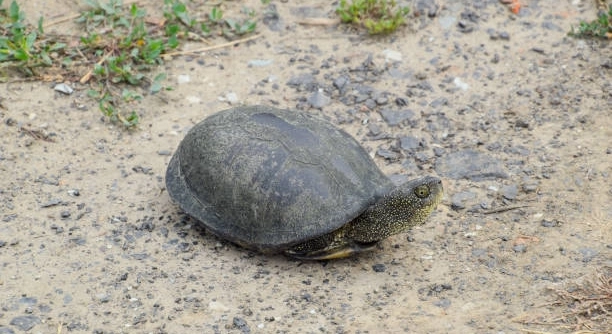
Incubating Musk turtle eggs requires careful attention to their environment. Proper temperature, humidity, and monitoring are essential for successful hatching. This guide will help you navigate the steps needed for the best chance at success.
To successfully incubate Musk turtle eggs, maintain a temperature range between 80-85°F (27-29°C) and humidity around 70%. Ensure proper substrate for egg laying, and check eggs regularly for signs of development or potential issues. Consistency is key.
Following these steps will help you ensure the health of the eggs and increase the chances of healthy hatchlings.
Choosing the Right Incubation Substrate
The right substrate for incubating Musk turtle eggs is crucial for their development. Materials like vermiculite, perlite, or sand work well as they allow for proper drainage and moisture retention. A depth of around 2–3 inches ensures the eggs are comfortable without the risk of being buried too deep. Place the eggs gently on the substrate, keeping them in the same orientation as they were laid. Any disturbance can harm the developing embryos. Check the substrate regularly to ensure it remains moist but not soggy, as excessive moisture can lead to mold growth or egg rot.
Choosing the correct substrate will help keep the eggs stable and prevent contamination. Use materials that hold moisture without becoming overly wet.
A stable environment prevents any dramatic shifts that could stress the developing embryos. Using the right substrate makes this process easier and ensures that you don’t have to make constant adjustments.
Maintaining the Proper Temperature
A consistent temperature range is vital for the successful incubation of Musk turtle eggs. Keeping the temperature between 80-85°F (27-29°C) is ideal for their development. Using an incubator with a thermostat can help regulate this range and prevent temperature fluctuations that could harm the embryos.
If the temperature is too low, the eggs may not develop properly, or hatching could be delayed. Too high, and the eggs could overheat, potentially causing death to the embryos. A small fan or air circulation within the incubator can also help distribute the heat evenly across the eggs.
The temperature should be checked regularly using a reliable thermometer. It’s also important to avoid opening the incubator frequently, as this can cause temperature shifts. Maintain a stable environment for the best chance of successful hatching.
Humidity Control for Successful Hatching
Humidity plays a significant role in the incubation process. The ideal humidity for Musk turtle eggs is around 70%. Too little moisture can dry out the eggs, while too much can cause the eggs to rot.
Monitoring the humidity inside the incubator can be done using a hygrometer. Regularly misting the substrate lightly can help maintain the right level of moisture. Make sure not to overdo it, as excess moisture can lead to mold or fungal growth, damaging the eggs.
If you notice that the humidity is dropping, add a small amount of water to the incubator. Be cautious with water levels, ensuring they are not too high, which could cause drowning. Humidity control should be steady throughout the incubation period.
Egg Orientation and Handling
When handling Musk turtle eggs, it’s crucial to maintain their natural orientation. Turning or shifting them can harm the embryos and prevent proper development. Always mark the top side of each egg before moving them.
Use soft, clean gloves when transferring the eggs to avoid damaging their delicate shells. Be as gentle as possible during handling to minimize stress on the developing embryos. If you must move them, ensure they are placed back in the same orientation on the substrate.
Monitoring Egg Development
Regularly check the eggs for signs of development, such as slight changes in shape or firmness. While you shouldn’t open the eggs, visual inspection can help confirm their progress.
If the eggs start to soften, become mushy, or show any discoloration, they might not be viable. In such cases, remove the affected eggs to avoid affecting the others. Tracking the progress of the eggs will help ensure they are developing correctly and will allow for early identification of issues.
Incubator Setup and Maintenance
The incubator setup should be checked frequently to ensure it maintains the desired temperature and humidity. Make sure the fan, heating, and humidity systems are functioning properly and are consistent throughout the process.
Keep the incubator clean to avoid contamination or mold buildup. Gently wipe down surfaces and change the water source regularly. A clean environment prevents fungal growth, ensuring the eggs remain healthy throughout the incubation period.
FAQ
How long does it take for Musk turtle eggs to hatch?
Musk turtle eggs typically take 60 to 90 days to hatch, depending on the temperature and humidity levels. Warmer conditions can speed up the process, while cooler temperatures may slow it down. The key is maintaining a consistent environment throughout the incubation period. Be patient and avoid disturbing the eggs, as this can impact their development.
What should I do if the eggs are not hatching?
If your Musk turtle eggs aren’t hatching, the first step is to check the temperature and humidity levels in the incubator. Ensure they are within the ideal range of 80-85°F (27-29°C) and around 70% humidity. If these conditions are correct, give it more time, as some eggs may take longer than others. If you see signs of mold or the eggs are soft and discolored, they may be non-viable. In this case, remove the affected eggs to prevent further issues.
Can I assist the eggs in hatching if they are taking too long?
It’s important not to try to assist Musk turtle eggs in hatching by opening them or trying to help the hatchlings out. Opening the eggs too early can lead to the loss of the embryo or infection. Let the hatchlings emerge naturally. If the eggs haven’t hatched after 90 days, consult with a reptile expert or veterinarian to check for potential issues.
Is there any way to speed up the hatching process?
While it may be tempting to try to speed up the hatching process, it is essential to maintain a steady environment. Rushing the process by altering the temperature or humidity can harm the developing embryos. Consistent, ideal conditions will lead to a higher chance of successful hatching. It’s best to remain patient and let the process unfold naturally.
How can I tell if the eggs are viable?
To check if Musk turtle eggs are viable, look for any signs of development, such as slight changes in shape or firmness. The eggs should feel firm, not squishy or soft. If they are discolored, soft, or leaking, these are signs that the eggs may not be viable. It’s also essential to monitor the humidity and temperature levels, as these factors greatly affect viability.
What should I do if an egg is leaking?
If an egg is leaking, it is likely a sign of poor development or contamination. Leaking eggs should be removed from the incubator immediately to prevent the spread of bacteria or mold to the other eggs. It is best to dispose of the leaking egg, as it will not hatch successfully.
Can I store Musk turtle eggs before incubating them?
Yes, you can store Musk turtle eggs before incubating them, but only for a short period. Ideally, eggs should be incubated as soon as possible after being laid. If necessary, you can store them for up to a week in a cool, dry place with moderate humidity. Ensure the eggs are kept in the same orientation they were laid to avoid disturbing the embryos. Prolonged storage can impact the egg’s viability.
What if I accidentally disturb the eggs during incubation?
If you accidentally disturb the eggs, try to return them to their original position gently. If you’re unsure of the orientation, mark the eggs before moving them next time to avoid this issue. Disturbing the eggs may not always result in failure, but it can cause stress to the developing embryos, so it’s best to handle them with care.
Do Musk turtle eggs need a specific type of incubator?
Musk turtle eggs do not require a specialized incubator, but using one designed for reptiles ensures the correct temperature and humidity settings. A simple setup with a heat source, thermostat, and humidity control can work as long as you monitor the environment regularly. Make sure the incubator has proper ventilation to prevent mold buildup. Regularly check for stability in temperature and humidity.
What should I do once the eggs hatch?
Once the eggs hatch, carefully remove the hatchlings from the incubator and place them in a suitable enclosure. The enclosure should have water, basking areas, and proper heat sources to mimic their natural habitat. Be sure to give the hatchlings time to acclimate before feeding. Their diet should consist of small insects, worms, and other appropriate foods for young turtles. Ensure the water is clean and free of any contaminants that could harm the newly hatched turtles.
How do I know if the eggs are ready to hatch?
As the incubation period nears its end, the eggs will start to show slight changes. The eggs may become slightly softer, and you might notice subtle indentations or cracking on the surface. This is a sign that the hatchlings are preparing to emerge. Avoid opening the eggs at this stage and allow them to hatch naturally. Keep monitoring the temperature and humidity during this final stage to ensure the hatchlings’ safety.
Final Thoughts
Successfully incubating Musk turtle eggs requires attention to detail and patience. Maintaining consistent temperature and humidity levels throughout the incubation period is critical for the development of healthy hatchlings. The right environment can make the difference between successful hatching and potential failure, so it’s important to monitor the conditions regularly. Adjusting the temperature or humidity slightly based on the season or other factors may be necessary, but avoid drastic changes, as stability is key. Make sure to provide the eggs with proper care, including gentle handling, to reduce stress on the embryos.
Even with the best care, some eggs may not be viable, and this is a natural part of the process. Be prepared for the possibility of unsuccessful hatching attempts. If eggs show signs of mold, discoloration, or leakage, remove them from the incubator promptly. If all eggs seem viable, don’t rush the process. Be patient and allow nature to take its course. The incubation period typically lasts between 60 and 90 days, and during this time, the eggs will naturally develop. In some cases, eggs may take longer to hatch, so patience is vital.
Once the eggs hatch, it’s essential to provide the hatchlings with a suitable environment to thrive. This includes setting up an appropriate aquatic habitat with clean water, a basking area, and a stable temperature. Young Musk turtles need time to adjust to their new surroundings, so avoid overhandling them. Keep in mind that each hatchling is different, and some may require additional care or attention. With proper care, your Musk turtles will grow and thrive, providing you with the opportunity to enjoy watching them grow into healthy adults.

Hello,
If you enjoy the content that we create, please consider saying a "Thank You!" by leaving a tip.
Every little bit helps us continue crafting quality advice that supports the health, happiness, and well-being of pets around the world, for pets of all shapes, sizes, and species.
We really appreciate the kindness and support that you show us!