
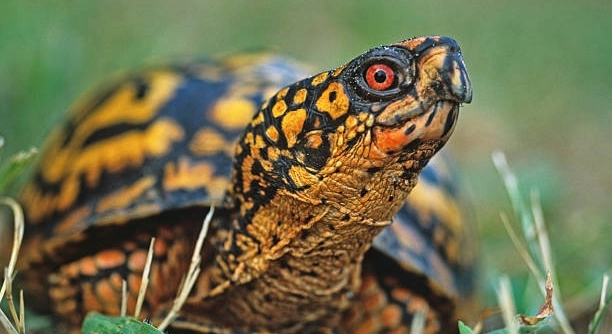
Box turtles are fascinating creatures with many unique traits. One of the most remarkable is their ability to fully retract into their shells. This behavior has long captured the curiosity of nature lovers and animal enthusiasts alike.
Box turtles can retract fully into their shells due to the unique structure of their bodies. Their shells are hinged at the back, allowing them to close tightly and create a secure refuge. This feature helps protect them from predators.
Understanding how and why box turtles can do this reveals much about their survival strategies. There are many benefits that come from this ability, which play a key role in their protection and overall well-being.
The Anatomy of a Box Turtle’s Shell
The ability of box turtles to retract into their shells is a result of their unique anatomy. Their shells are not just rigid, but have a hinged part at the back, known as the plastron, which allows them to close the shell tightly. The upper part of the shell, or carapace, curves over their bodies to form a protective dome. When faced with danger, box turtles can pull their heads, legs, and tail completely inside, securing themselves in this safe space. This feature is crucial for their survival, as it shields them from predators and harsh environmental conditions.
While the shell is an essential part of the turtle’s defense mechanism, it also plays a role in their mobility. The flexible hinges allow for movement while still offering complete protection. This combination of defense and mobility is part of what makes box turtles such resilient creatures. Their retractable shell is a natural evolution that maximizes their chances of survival in the wild.
How Box Turtles Use Their Shell for Protection
Box turtles’ ability to fully retract into their shells is an instinctual defense mechanism. When they sense danger, they can retreat into their hard, protective shell to avoid harm.
This feature is particularly beneficial for deterring predators like foxes or raccoons, which might otherwise pose a threat. By pulling everything inside the shell, the turtle reduces its vulnerability, especially its soft underbelly. This immediate reaction helps box turtles stay safe, even in environments where predators are common. However, not all predators are deterred. Some may still try to dig or pry the turtle out, but the chances of survival are higher when the turtle fully retracts.
Box turtles rely on their shells not only for protection but also for temperature regulation. The hard shell prevents them from overheating during the hottest days. It also shields them from cold weather, allowing them to survive in a variety of climates. This combination of defense and environmental adaptability makes box turtles highly specialized creatures that are well-equipped for life on land.
How Retracting Benefits Box Turtles’ Survival
The ability to retract into their shells is a crucial survival tool for box turtles. This instinctive response helps them avoid becoming prey. With a hardened, nearly impenetrable shell, they are less vulnerable to attacks from many predators, giving them a significant advantage in the wild.
When box turtles pull their head, limbs, and tail into their shells, they rely on this armored defense to protect themselves from a wide variety of threats. It’s a life-saving reaction that allows them to stay safe during times of danger. Their shell acts like an impenetrable fortress, making it nearly impossible for predators to harm them. However, it’s not just predators that box turtles need to worry about. Environmental factors such as extreme weather conditions also pose risks, and the ability to retract ensures that they remain safe from the elements, too.
Retracting also offers box turtles a break from the stresses of the outside world. It’s a way to find peace and safety in their own protective space. In stressful situations, having a safe retreat helps to keep them calm and conserve energy.
How Shells Offer Long-Term Protection
A box turtle’s shell provides long-term protection against numerous dangers. The ability to seal itself completely within its shell ensures that it is safe from predators over extended periods. It is this continuous safety that plays a major role in the turtle’s long lifespan.
The shell’s hard surface is made of bone and keratin, which makes it both sturdy and durable. Over the years, the shell naturally grows, further enhancing the turtle’s protective abilities. Since box turtles spend much of their time foraging and nesting, having a safe haven allows them to feel secure and focus on finding food and reproducing. This extended protection also allows them to adapt to different habitats. Whether they are in forests, grasslands, or wetlands, the retracting mechanism helps them survive in a wide range of environments. With such long-lasting protection, box turtles can thrive in the wild for many decades.
The Role of Box Turtle Shells in Their Daily Lives
Box turtles’ ability to retract into their shells is not just for defense but is essential for their daily lives. It offers them a secure environment for resting and staying safe when they feel threatened.
When box turtles feel stressed or unsafe, retracting into their shells provides them with an immediate retreat. This feature allows them to protect themselves from predators, giving them the time needed to assess the situation. Beyond safety, the shell serves as a personal space where the turtle can rest or recover, particularly after foraging or long movements.
The Impact of Shell Retraction on Behavior
The ability to retract fully into their shells influences the behavior of box turtles. This trait allows them to remain calm and composed in uncertain situations. Without this feature, they would be more exposed and vulnerable.
For box turtles, being able to retreat into their shells helps them manage stress. If they encounter a dangerous situation or even feel threatened by other animals, they instinctively close themselves off. This behavior gives them time to wait out the threat and avoid danger without needing to flee or fight. It’s a simple yet highly effective survival strategy that keeps them safe in a world filled with potential predators.
Shell Retraction and Box Turtle Longevity
Box turtles are known for their impressive lifespan, and their ability to retract into their shells plays a role in this. It shields them from threats that could otherwise shorten their lives.
By avoiding predators and environmental threats, box turtles have a better chance of living for decades. The protection their shells provide reduces the risk of injury, disease, or death from external dangers. This contributes to the overall longevity of box turtles, allowing them to live a long and healthy life in their natural habitat.
FAQ
Why can box turtles fully retract into their shells?
Box turtles can fully retract into their shells due to a hinged plastron and their flexible body structure. The plastron is the lower part of their shell, and its hinge allows the turtle to close its body tightly. This mechanism is unique to box turtles and gives them protection from predators and environmental threats.
How do box turtles use their shells for protection?
Box turtles use their shells primarily as a defense mechanism. When faced with danger, they retract into their shells to hide their soft body parts, like their head, legs, and tail. This helps them avoid being captured by predators such as foxes, raccoons, or birds of prey, which might otherwise harm them. The shell acts as an impenetrable barrier, making it difficult for predators to get to the turtle.
Do box turtles ever get stuck in their shells?
It is rare for box turtles to get stuck in their shells. Their shells are designed to protect them, not restrict their movement. However, if a turtle is stressed or injured, it might not be able to retract as smoothly as it usually would. In such cases, the turtle may need help to ensure it is safe and can move freely again.
Can box turtles retract their heads all the way?
Yes, box turtles can fully retract their heads into their shells. The turtle has strong muscles and a flexible neck that allow it to pull its head entirely inside its shell for safety. This complete retraction is an effective way for the turtle to protect itself from potential threats, as it shields its head, which is a vulnerable area.
Are box turtles always able to retract into their shells?
Most of the time, box turtles can fully retract into their shells when they feel threatened. However, there are some situations where a box turtle may not be able to retract completely. For example, if the turtle is very young or injured, it might not have the strength to fully close its shell. As they grow older and stronger, their ability to retract becomes more efficient.
How long can a box turtle stay inside its shell?
A box turtle can remain inside its shell for a long time, depending on the circumstances. When they retreat, they may stay inside their shells until they feel the danger has passed. This could take anywhere from a few minutes to several hours, depending on the threat level. However, box turtles do not stay in their shells indefinitely and eventually emerge when they feel safe.
Can a box turtle’s shell break?
While a box turtle’s shell is incredibly tough and made of bone and keratin, it can still break if subjected to extreme pressure or trauma. If a box turtle is dropped from a significant height, hit by a vehicle, or attacked by a large predator, its shell could fracture. A cracked shell can cause serious injury to the turtle, so it’s essential to handle them carefully and keep them safe from such risks.
What makes a box turtle’s shell so strong?
The strength of a box turtle’s shell comes from its unique structure. The shell is made up of two layers: the outer layer made of keratin (the same material as human nails) and an inner bony layer. The shell is also a result of the turtle’s evolutionary adaptation, designed to provide protection from predators. The hard outer layer provides a tough, durable shield, while the inner bony layer offers strength and support.
How do box turtles retract their limbs into their shells?
Box turtles retract their limbs by using strong muscles in their neck, legs, and tail. When they feel threatened, they pull these body parts inside the shell through the flexible hinges in the plastron. This allows them to close off their body completely, offering maximum protection from potential dangers.
Can box turtles live without retracting into their shells?
Box turtles rely on their ability to retract into their shells as a primary form of defense. Without this capability, they would be much more vulnerable to predators. The retracting mechanism is essential for their survival, helping them stay safe and protect themselves from harm. While they can still survive without fully retracting, it would significantly reduce their chances of avoiding threats in the wild.
How do box turtles feel safe inside their shells?
When a box turtle retracts into its shell, it feels safe and secure due to the physical protection it provides. The turtle is shielded from potential threats, such as predators or sudden changes in temperature. This feeling of security allows the turtle to remain calm and relaxed, knowing it is protected by its natural armor.
Final Thoughts
Box turtles have evolved to rely on their ability to fully retract into their shells as a key defense mechanism. This unique trait not only helps them avoid predators but also offers protection from extreme weather conditions. The ability to pull their head, legs, and tail inside their shell allows them to create a safe space where they can stay secure until the threat passes. This clever adaptation has helped them survive in a variety of environments, from forests to grasslands.
While the retracting shell is an essential part of their survival, it’s important to remember that box turtles need more than just protection. They also rely on their shells for temperature regulation, keeping them safe from both heat and cold. This means that the retracting feature is part of a broader system that ensures their overall well-being. Box turtles are well-equipped to handle many challenges in the wild, thanks to their physical adaptations.
However, despite their strong and protective shells, box turtles still face threats from habitat loss, predators, and human activities. It’s important to ensure that they have the space they need to thrive. Conservation efforts are necessary to protect these creatures and their habitats so that future generations of box turtles can continue to enjoy the same safety their shells provide. By understanding how box turtles use their shells to survive, we can better appreciate the remarkable ways they adapt to their environment.

Hello,
If you enjoy the content that we create, please consider saying a "Thank You!" by leaving a tip.
Every little bit helps us continue crafting quality advice that supports the health, happiness, and well-being of pets around the world, for pets of all shapes, sizes, and species.
We really appreciate the kindness and support that you show us!