
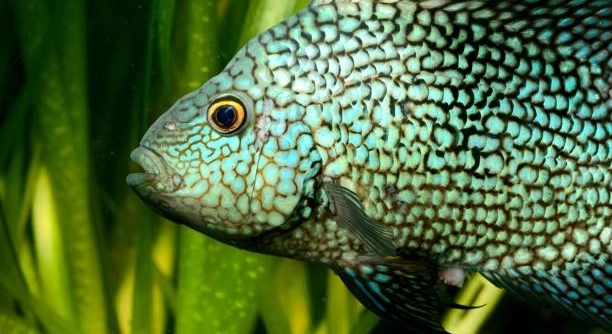
Have you ever noticed your Jack Dempsey fish moving sand around the tank? Their bright colors and active nature make them entertaining to watch, and their behaviors often show just how much they interact with their environment.
Jack Dempsey fish flick sand mainly as part of their natural nesting and territorial instincts. This behavior allows them to create suitable breeding sites, remove unwanted debris, and assert dominance, ensuring their habitat remains clean and structured.
Observing this behavior can help you better understand your fish’s needs and create a more comfortable, thriving environment for them in your aquarium.
Understanding Sand Flicking Behavior
Jack Dempsey fish often flick sand as a natural part of how they interact with their tank. This behavior usually starts when they are preparing a spot for laying eggs or marking their territory. By moving sand around, they can clear small debris, create depressions for nesting, and signal other fish about their presence. Watching them can be fascinating because each flick shows intention, whether it is cleaning, creating space, or asserting dominance. This behavior is instinctive and common in cichlid species, which are known for their territorial habits. Tank conditions can also influence how often sand is flicked. A clean, well-maintained aquarium with soft substrate will encourage natural behaviors, whereas overcrowded or poorly set-up tanks might increase stress and cause excessive digging. Observing this action closely can give insight into the fish’s comfort level and health, helping caretakers adjust the tank to support natural habits and reduce stress.
Sand flicking is mainly a territorial and nesting behavior in Jack Dempsey fish. It maintains their habitat and ensures breeding conditions remain optimal.
This behavior is not random. Each flick, push, or shift of sand reflects the fish’s efforts to shape its surroundings. They often choose a specific area and repeatedly work on it, ensuring it meets their preferences. Over time, a tank may show noticeable depressions or patterns where they have focused their energy. Recognizing these signs helps in understanding the fish’s instincts and needs. Providing enough space, a proper substrate, and hiding spots can reduce stress while allowing them to express natural behaviors. Additionally, sand flicking may improve oxygenation and prevent buildup of waste in the substrate, contributing to overall tank health. Watching this behavior can be rewarding, showing a glimpse of how Jack Dempsey fish think and interact with their environment.
Factors That Influence Sand Flicking
Tank size and substrate type play a major role in how often Jack Dempsey fish flick sand.
Stress, water quality, and social interactions can all affect this behavior. A small tank or aggressive tankmates may increase digging frequency. Proper care, regular maintenance, and thoughtful tank design allow the fish to display natural behaviors safely. Sand flicking is a form of communication and environmental management, so it is important to observe these factors carefully.
Providing a spacious tank with fine sand is crucial for the fish’s comfort. Jack Dempsey fish need room to explore and establish territories without interference. Hard or sharp substrates can discourage natural digging and cause injury. Water temperature and quality also impact activity levels, as healthy, stable conditions support normal behaviors. Observing interactions with other fish is essential; aggressive tankmates or overcrowding can lead to excessive sand movement or stress-related digging. Creating a balanced environment encourages natural behaviors, including sand flicking, while minimizing stress. Over time, caretakers may notice preferred areas for nesting and territorial displays, helping to tailor the tank to the fish’s instincts. Proper feeding schedules, hiding spots, and substrate depth all contribute to a stable, healthy aquarium where Jack Dempsey fish can thrive naturally.
Common Reasons Jack Dempsey Fish Flick Sand
Jack Dempsey fish flick sand to mark territory, prepare nesting areas, and remove debris. This behavior helps them stay comfortable in their environment and signals their presence to other fish. It is instinctive and often increases during breeding or when establishing dominance.
Some fish flick sand more than others depending on their individual temperament and tank conditions. Overcrowding, lack of hiding spots, or sharp substrate can increase digging frequency. A calm, spacious tank with soft sand encourages natural behavior without causing stress. Observing these patterns helps identify environmental adjustments to support healthier, more comfortable fish.
Sand flicking also serves as a way to clean and aerate the substrate. By moving sand around, Jack Dempsey fish prevent waste buildup and help oxygenate the bottom layers. This is especially important in tanks with fine sand, as compacted material can trap harmful bacteria. Providing a proper substrate depth, along with regular cleaning, allows the fish to maintain their habitat efficiently while expressing natural instincts.
How to Manage Sand Flicking
Providing proper tank size, hiding spots, and soft substrate can reduce excessive sand flicking. Maintaining stable water conditions is also crucial for calm behavior.
Adjusting tank layout, monitoring tankmates, and ensuring sufficient space are effective ways to manage this behavior. Fish that feel secure and comfortable tend to flick sand less frequently. Introducing natural decorations like rocks or driftwood can create defined territories, reducing territorial disputes. Regular water changes and careful observation of interactions between fish can prevent stress-induced digging. By observing patterns and making small adjustments, caretakers can maintain a balanced tank where Jack Dempsey fish express instincts safely without causing damage.
Substrate Selection
Choosing the right substrate is key for Jack Dempsey fish. Fine sand allows natural digging and flicking behaviors without harming their mouths or fins. Coarse gravel can discourage digging and may lead to injuries. Proper substrate supports both health and instinctive activity.
A deep layer of sand gives the fish room to create nests and rearrange their territory. It also helps maintain cleanliness by allowing waste to settle below the surface. Observing how your fish interact with different substrates can guide adjustments and ensure they are comfortable and able to display natural behaviors safely.
Breeding Behavior
During breeding, Jack Dempsey fish flick sand to prepare a smooth, clean area for laying eggs. This behavior is intensified by instinctual drives to protect and maintain the nest. Sand flicking ensures eggs remain safe and properly positioned for hatching.
Tank Maintenance
Regular cleaning and water changes reduce excess debris in the sand. This prevents over-flicking caused by stress or environmental discomfort, keeping the tank balanced and the fish healthy.
FAQ
Why does my Jack Dempsey fish flick sand constantly?
Jack Dempsey fish flick sand constantly primarily due to territorial or nesting instincts. If the tank is spacious and the substrate is soft, this behavior is normal. However, excessive flicking can indicate stress, overcrowding, or discomfort with tankmates. Observing other behaviors and the environment helps determine the cause.
Is sand flicking harmful to my fish?
Sand flicking is a natural behavior and generally harmless. Problems arise only when the substrate is sharp or gravel-like, which can damage their fins or mouths. Providing a fine sand substrate ensures they can flick sand safely and display natural instincts without injury.
How can I reduce sand flicking in my tank?
Reducing sand flicking involves creating a calm environment. Ensure there is enough space, soft sand, and hiding spots. Avoid overcrowding and aggressive tankmates. Structured decorations like rocks or driftwood can define territories, limiting excessive digging while still allowing the fish to feel secure and express instincts naturally.
Does sand flicking indicate stress or illness?
Not always. Sand flicking is mostly normal, but sudden increases in frequency can be a stress signal. Check water parameters, temperature, and tank conditions. If the fish shows other signs like lethargy, loss of appetite, or unusual color, it may indicate health issues requiring attention.
Will Jack Dempsey fish damage plants while flicking sand?
Yes, sand flicking can uproot delicate plants. Hardy plants planted deeply or artificial decorations are better choices. Providing dedicated sand areas for digging helps protect plants while letting fish maintain their natural behaviors without interfering with vegetation.
Do all Jack Dempsey fish flick sand the same way?
Individual personalities and tank conditions affect how each fish flicks sand. Some are more active, while others show minimal movement. Observing their habits over time allows you to understand preferences and adjust the environment to suit their needs, keeping them healthy and comfortable.
Is sand flicking more common during breeding?
Yes. Breeding pairs intensify flicking to prepare nests. They create flat, clean areas for eggs and remove debris. This behavior helps eggs remain safe and improves the chances of successful hatching. Observing these patterns can indicate when breeding behaviors are occurring in your tank.
Can sand flicking improve tank cleanliness?
To some extent, yes. Flicking sand prevents debris from settling in one place and helps oxygenate the substrate. However, it does not replace regular cleaning or water changes. Maintaining proper tank hygiene is essential to complement natural behaviors and ensure overall health.
How deep should the sand layer be for Jack Dempsey fish?
A 2–3 inch layer of fine sand is generally ideal. It allows the fish to dig, flick, and create nests without reaching the hard bottom of the tank. Deeper layers can support natural behaviors better, while shallow layers may discourage flicking or nesting.
Do tankmates influence sand flicking behavior?
Yes. Aggressive or territorial tankmates can increase digging as Jack Dempsey fish assert dominance. Peaceful, compatible tankmates and adequate space reduce stress-related flicking while allowing natural interactions. Observing social dynamics helps maintain a balanced and comfortable environment.
How do I know if sand flicking is excessive?
Excessive sand flicking occurs when the fish constantly rearranges the substrate without clear purpose or shows signs of stress. Overly disturbed sand, missing plants, or constant movement are indicators. Adjusting tank layout, substrate, and monitoring interactions can reduce unnecessary flicking while supporting natural instincts.
Can Jack Dempsey fish be trained to flick less?
Behavior cannot be “trained” like with mammals, but environmental adjustments can reduce excess flicking. Providing structured territories, sufficient space, hiding spots, and calm conditions allows fish to display natural behaviors appropriately without excessive disturbance.
Does the type of sand affect flicking behavior?
Yes. Fine, soft sand encourages natural flicking and nesting, while coarse gravel may discourage digging or cause injuries. Observing how fish interact with different substrates can guide choices, ensuring their environment supports instincts safely.
What signs show that sand flicking is healthy?
Healthy sand flicking involves controlled, purposeful movements to clean, dig, or create nests. Fish remain active, alert, and maintain normal appetite and color. Random, frantic, or destructive movements may indicate stress or environmental issues that need attention.
Should I cover the tank floor with decorations to prevent flicking?
Some decorations help define territories and reduce excessive flicking, but blocking all sand areas can stress the fish. Balance open sand for natural behavior with strategically placed rocks, driftwood, or plants to support instincts safely.
Does water flow affect sand flicking?
Strong currents may make flicking difficult or stressful. Moderate flow is ideal, allowing natural digging while maintaining oxygenation. Observing how your fish responds to water movement helps determine the optimal flow level for healthy activity.
Can sand flicking damage aquarium equipment?
Usually no, but frequent digging near filters or heaters can expose cords or shift equipment. Secure items and provide open areas for flicking to prevent damage while allowing the fish to maintain normal behavior.
How often should I change sand to manage flicking?
Sand generally does not need frequent replacement if kept clean. Regular siphoning and water changes prevent debris buildup and reduce stress-induced flicking. Complete replacement may be necessary only if the substrate becomes compacted, contaminated, or unsafe.
Is sand flicking more common in younger fish?
Juvenile Jack Dempsey fish often flick more as they explore territory and practice instincts. Adult fish may flick less frequently but still maintain nest and territorial behaviors. Providing space and proper substrate accommodates both age groups safely.
Can sand flicking be fun to watch?
Yes, it can be very engaging. Observing how fish interact with their environment and shape their surroundings provides insight into their instincts. It also highlights individual personalities, adding a dynamic and natural element to tank keeping.
How does feeding influence sand flicking?
Uneaten food can increase flicking as fish attempt to bury or move it. Proper feeding schedules and quantities help prevent excess substrate disturbance and maintain cleaner tank conditions while supporting natural behavior.
Are there other species that flick sand similarly?
Yes. Many cichlids and bottom-dwelling fish show similar behaviors. Flicking is an instinctive way to manage territory, nesting, and substrate, and observing these actions across species can provide insight into natural fish behavior patterns.
Can flicking sand help prevent algae buildup?
Indirectly. By moving sand and aerating the substrate, fish reduce stagnant areas where algae may grow. Combined with proper lighting, filtration, and maintenance, sand flicking supports a healthier tank ecosystem.
What should I do if sand flicking becomes destructive?
Evaluate tank size, substrate, and tankmates first. Adjusting layout, providing hiding spots, and ensuring calm conditions can reduce destructive flicking. Persistent issues may require consultation with experienced aquarists or reviewing species-specific behavior to ensure the fish remain healthy.
Does temperature affect flicking frequency?
Yes. Optimal water temperature encourages normal activity. Too cold or too warm water can reduce movement or increase stress, impacting flicking. Maintaining stable, species-appropriate temperatures supports natural behaviors and overall health.
How can I encourage natural sand flicking safely?
Provide soft sand, adequate space, and defined territories. Include decorations for shelter, maintain clean water, and observe interactions. Supporting instincts safely ensures fish remain active, healthy, and comfortable while expressing natural behaviors.
Is sand flicking linked to aggression?
Partially. Flicking is often territorial and can coincide with displays of dominance. Monitoring interactions and ensuring compatible tankmates reduce conflict while allowing natural sand movement and nesting behaviors.
Can sand flicking improve fish health?
Yes, indirectly. By moving and aerating sand, fish maintain a clean substrate, reducing harmful bacteria buildup. Combined with proper tank care, this behavior supports a healthier and more balanced aquatic environment.
How do I know if the sand is right for flicking?
Observe your fish. If they flick naturally without injury or frustration, the sand is suitable. Fine, soft sand that allows digging while remaining safe for fins and mouths is ideal.
Can flicking behavior change over time?
Yes. Changes in age, tank conditions, tankmates, or breeding cycles can alter how frequently fish flick sand. Monitoring patterns helps ensure the environment continues to meet their needs safely.
Are there signs that sand flicking is a breeding indicator?
Flattened areas, frequent nest preparation, and increased territorial activity indicate breeding behavior. Recognizing these patterns can help in tank management and supporting healthy reproduction.
Does lighting affect sand flicking?
Bright or harsh lighting may increase stress, causing excessive flicking. Moderate lighting that mimics natural conditions encourages calm, normal behavior and reduces unnecessary substrate disturbance.
Can sand flicking be prevented entirely?
It cannot and should not be fully prevented, as it is instinctive. The goal is to manage it safely, providing appropriate substrate, space, and tank conditions while minimizing stress or damage.
Does sand flicking vary between males and females?
Males often flick more during territorial displays and breeding preparation, while females may participate mainly in nest maintenance. Observing both can help understand social dynamics and reproductive behavior in the tank.
How do I balance sand flicking with planted tanks?
Use hardy plants, deep planting, or artificial plants. Provide open sand areas for digging while protecting fragile vegetation. This allows natural behavior without compromising the tank layout or plant health.
Is sand flicking noisy or messy outside the tank?
It stays contained within the tank but can move small particles. Fine sand is best to minimize cloudiness. Occasional water disturbance is normal and reflects healthy activity.
Can sand flicking affect water clarity?
Yes, it can temporarily increase cloudiness. Regular filtration, proper substrate choice, and cleaning routines maintain clarity while allowing natural flicking behaviors.
Does the type of Jack Dempsey fish influence flicking?
Individual variations exist, but most display similar behaviors. Color morphs or hybrid strains may show slight differences, but instincts for territory and nesting remain consistent across types.
Are there signs that sand flicking indicates boredom?
Occasional flicking is normal, but repetitive, purposeless digging may suggest boredom or lack of stimulation. Adding enrichment, hiding spots, and compatible tankmates can help reduce this behavior.
How do I safely observe sand flicking?
Provide clear viewing areas and avoid disturbing the tank. Watching from outside the tank lets fish behave naturally, giving insight into their instincts and personality while maintaining a calm environment.
Can sand flicking influence fish hierarchy?
Yes. Dominant individuals often control preferred areas and flick sand to mark territory. Submissive fish adjust behaviors accordingly. Observing patterns can help manage aggression and ensure balanced social dynamics.
Does diet influence sand flicking intensity?
A balanced diet keeps fish healthy and active, indirectly supporting natural behaviors. Overfeeding may increase substrate disturbance as fish move uneaten food, while poor nutrition can reduce activity, including flicking.
How long do sand flicking patterns last?
Patterns can persist for weeks, especially near nesting sites. Over time, areas may shift as fish adjust territory or prepare new nests, reflecting ongoing instinctive activity.
Is sand flicking common in all cichlids?
Yes, many cichlid species show similar behaviors. It is an instinctive way to manage territory, nesting, and environmental conditions, though intensity varies among species.
Can flicking behavior indicate readiness for breeding?
Flattened sand areas, frequent movement, and territorial displays are clear indicators. Recognizing these behaviors helps support breeding while maintaining tank stability.
How should I respond if sand flicking disrupts decorations?
Adjust layout or provide open digging areas. Secure items and arrange rocks, plants, or driftwood to balance natural behavior with aesthetic preservation.
Can sand flicking affect water filtration?
Excess movement may temporarily cloud water but rarely harms equipment. Ensure filters are secure and suitable for substrate type to maintain efficiency while supporting natural behavior.
Does temperature fluctuation increase flicking?
Yes, sudden changes can stress fish, increasing sand movement. Maintaining stable temperatures reduces stress-induced flicking and promotes consistent, healthy behavior.
Are there signs that flicking is related to aggression?
Frequent, targeted flicking toward other fish or during disputes may indicate aggression. Observing interactions helps manage conflicts and maintain tank harmony.
Can sand flicking be an enrichment activity?
Absolutely. It allows natural expression of instincts, provides mental stimulation, and helps maintain substrate health, contributing to overall well-being and a dynamic tank environment.
Does sand flicking ever stop completely?
No, it is instinctive. Frequency may change with age, breeding, or environment, but it remains a natural part of Jack Dempsey behavior throughout life.
Can flicking indicate water quality issues?
Increased or frantic flicking can signal poor water conditions. Regular testing and maintenance help identify and address issues, keeping the fish comfortable and healthy.
How can I document sand flicking behavior?
Observing and noting areas of frequent digging, patterns, and tank interactions helps track instincts, breeding activity, and environmental preferences, guiding adjustments for a balanced habitat.
Is sand flicking more frequent at certain times of day?
Yes, fish may be more active during daylight or feeding times. Monitoring daily patterns helps understand natural behavior and adjust tank care accordingly.
Do Jack Dempsey fish flick sand when alone?
Yes, they may flick sand to explore territory, clean the substrate, or prepare nests even without other fish present, showing instincts are not solely socially driven.
How do I differentiate playful digging from nesting flicking?
Playful digging is usually random and brief. Nesting flicking is focused, repeated in one area, and accompanied by territorial or courtship displays, indicating purposeful behavior related to reproduction.
Can flicking behavior damage tank glass or equipment?
No, flicking is confined to the substrate. Problems only occur if items are unsecured or substrate is coarse, so proper setup ensures safety while supporting natural instincts.
How do I encourage healthy sand flicking patterns?
Provide fine sand, sufficient space, hiding spots, and compatible tankmates. Observing interactions and maintaining clean water supports safe, natural behaviors and overall fish health.
Does sand flicking affect tank aesthetics?
Flicking can shift sand and expose areas underneath, but balanced tank design and decorations minimize visual impact while allowing natural behavior.
Can sand flicking help reduce algae in tanks?
Indirectly, yes. Movement prevents stagnation and promotes substrate aeration, helping reduce algae buildup when combined with proper maintenance and lighting control.
Is sand flicking seasonal?
Not exactly, but activity may increase during breeding periods or with temperature changes, reflecting natural instincts rather than strict seasonal patterns.
How do I know if my Jack Dempsey is enjoying flicking?
Signs of healthy behavior include calm, purposeful flicking, normal appetite, alertness, and natural interaction with tankmates. Excessive frantic movement may indicate stress instead of enjoyment.
Can multiple Jack Dempsey fish coexist without excessive flicking?
Yes, with enough space, soft substrate, and defined territories. Proper tank setup reduces conflict and allows natural behavior without excessive disturbance.
Does water chemistry impact flicking frequency?
Yes. Stable pH, hardness, and temperature promote normal activity. Unstable conditions can increase stress, leading to frequent or frantic flicking.
Can flicking behavior be used to identify individual fish traits?
Observing how each fish interacts with the substrate reveals personality, territoriality, and breeding readiness, offering insights into individual instincts and preferences.
How do I protect fragile decorations from sand flicking?
Place decorations in less disturbed areas, secure them, or create defined open zones for digging. This supports natural behavior while preserving tank layout.
Can flicking behavior indicate dominance?
Yes. Dominant fish often control preferred areas and flick sand to assert authority. Observing these patterns helps manage hierarchy and maintain tank harmony.
Does flicking reduce waste buildup in tanks?
Yes, it helps aerate and move debris, complementing regular cleaning and water changes to maintain a healthy tank environment.
Is sand flicking energy-intensive for the fish?
Moderate flicking is normal activity. Excessive or frantic digging can indicate stress or insufficient space, so monitoring behavior helps ensure energy is spent healthily.
Can flicking behavior be modified with tank rearrangements?
Yes, adjusting layout, substrate, or decorations can guide natural behavior while reducing destructive or excessive digging.
Does sand flicking serve social purposes?
Partially. It communicates territory, breeding readiness, and dominance to other fish, influencing social dynamics and interactions within the tank.
How do I prevent flicking from disturbing filtration systems?
Provide open sand areas away from filters, secure equipment, and use fine sand to minimize interference while allowing natural behavior.
Can flicking behavior indicate environmental dissatisfaction?
Frequent, frantic, or destructive flicking may signal discomfort. Checking tank size, substrate, water quality, and tankmates can identify and address the issue.
Does sand flicking impact feeding behavior?
Excessive substrate movement can bury food, but proper feeding techniques and scheduled meals help maintain balance between eating and digging.
How can I safely introduce new tankmates without increasing flicking?
Provide enough space, hiding spots, and observe introductions carefully. Compatibility reduces stress-related digging while maintaining natural sand flicking behavior.
Is sand flicking more intense in male Jack Dempsey fish?
Yes, especially during territorial displays and breeding preparation. Males often shape nesting areas more actively than females.
Can flicking behavior indicate health issues?
Sudden changes in frequency, lethargy, or destructive digging may point to health problems. Regular observation ensures early detection and intervention.
Does flicking affect the lifespan of Jack Dempsey fish?
Not directly. Healthy flicking reflects natural behavior, supporting well-being. Stress-related excessive digging, if unmanaged, can indirectly impact health and longevity.
How do I maintain natural behavior while minimizing mess?
Provide soft sand, open areas, decorations, and hiding spots. Regular water changes and proper feeding balance natural activity with cleanliness.
Can sand flicking indicate happiness in fish?
Purposeful, calm flicking is a sign of comfort and natural instinct expression. Excessive frantic movements indicate stress, not enjoyment.
Does tank depth influence flicking behavior?
Shallow tanks may limit digging space, while deeper sand layers allow more natural, expressive movement and nest creation.
How do I support sand flicking without harming plants or decor?
Designate open sand zones, use hardy or artificial plants, and place fragile decorations in low-activity areas to balance natural behavior with tank aesthetics.
Can flicking behavior change with age?
Yes, juveniles often flick more during exploration, while adults focus on territory and nesting. Behavior evolves but instincts remain throughout life.
Is sand flicking an essential behavior?
Yes.
Observing Jack Dempsey fish flick sand offers a clear glimpse into their natural instincts and behaviors. This activity is a normal part of how they interact with their environment, whether it is creating nests, marking territory, or maintaining the substrate. Flicking sand is an instinctive behavior that helps them stay comfortable and secure in their surroundings. Over time, caretakers may notice patterns in how and where they flick sand, which can reveal their preferences for nesting or territory. Understanding these behaviors allows for adjustments in tank setup, such as providing adequate space, soft sand, and safe decorations. When fish are given the right environment, they can express their instincts naturally, which contributes to their overall health and well-being. Observing sand flicking also highlights individual personalities, as some fish are more active or territorial than others, making the experience of keeping them more engaging.
Proper tank management is essential to support healthy sand flicking behavior. Providing a deep layer of fine sand allows fish to dig and flick without injuring themselves, while coarse or sharp substrates can lead to harm. Decorations, rocks, and driftwood can help define territories, giving fish secure areas to explore and reduce unnecessary stress. Tank size also plays a role, as crowded conditions often increase territorial disputes and lead to excessive flicking. Water quality and temperature must be carefully monitored, as unstable conditions can cause stress and change behavior patterns. Regular cleaning and maintenance complement the natural movement of sand, keeping the environment safe and comfortable. Observing tank dynamics and adjusting conditions based on the fish’s behavior ensures a balanced habitat where sand flicking is expressed naturally and safely.
Sand flicking is more than just a quirky action; it reflects the fish’s instincts, health, and comfort level. During breeding, this behavior becomes more pronounced as fish prepare nesting areas and assert dominance. Even outside of breeding, flicking helps maintain substrate cleanliness, prevent waste buildup, and oxygenate the sand. Understanding these behaviors allows caretakers to provide an environment that meets the fish’s needs without discouraging natural instincts. By observing patterns, adjusting tank setup, and monitoring interactions with tankmates, it is possible to support healthy, purposeful sand flicking while minimizing stress or destructive behavior. Providing space, soft sand, and proper decorations ensures that Jack Dempsey fish can thrive and express themselves naturally, making tank keeping both rewarding and informative.

Hello,
If you enjoy the content that we create, please consider saying a "Thank You!" by leaving a tip.
Every little bit helps us continue crafting quality advice that supports the health, happiness, and well-being of pets around the world, for pets of all shapes, sizes, and species.
We really appreciate the kindness and support that you show us!