
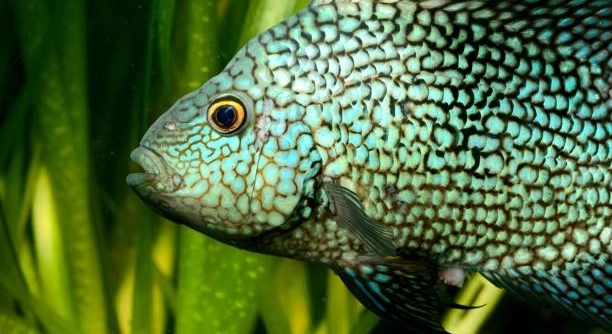
Have you ever noticed how some fish seem to respond differently to their environment compared to others? Jack Dempsey fish are known for their strong personalities and distinctive behavior patterns in aquariums. Their reactions often go beyond simple feeding or social habits.
Jack Dempsey fish may reject filter bubbles because these artificial currents can disrupt their natural territorial behavior and preferred swimming patterns. Avoiding filter bubbles helps them maintain stability, reduce stress, and sustain their typical environmental interactions in captive habitats.
Learning how these fish interact with their surroundings reveals important insights about aquarium care. Observing their preferences can improve tank setups and promote healthier, more balanced aquatic environments for these unique fish.
Understanding Jack Dempsey Fish Behavior
Jack Dempsey fish are naturally territorial and highly sensitive to changes in their environment. They often stake out a particular area in the tank and defend it vigorously. Unlike some other species, these fish prefer calm, stable conditions rather than constantly moving water or artificial currents. When filter bubbles are present, they can interrupt their natural swimming patterns and make them feel exposed. This stress may lead to hiding, aggressive behavior, or avoidance of certain areas in the aquarium. Tank decorations, rocks, and plants can help create comfortable zones that allow Jack Dempsey fish to feel secure. Observing their reactions carefully can provide insight into their preferences and health. Maintaining stable water conditions and minimal disruptions helps them thrive and display natural behaviors, contributing to a more balanced aquarium ecosystem. Their personality and instincts make them fascinating to watch for those paying attention.
Monitoring their environment closely ensures they stay calm and healthy, reducing unnecessary stress in the tank.
Adjusting the water flow and placement of filters can have a major effect on Jack Dempsey fish. Slow, gentle currents are often tolerated better than strong streams, which can upset their routine. By creating hiding spots and using moderate filtration, owners can encourage natural swimming patterns and social behavior. Observing each fish individually is important, as personality can vary significantly. Some may explore more openly, while others remain cautious. Providing adequate space and minimizing unnecessary disturbances ensures these fish are not constantly reacting to their surroundings. Tank layout, decor, and careful water management all play a role in how these fish respond to filtration. Understanding their behavior allows for a healthier environment, fewer conflicts, and improved overall welfare. With proper attention, Jack Dempsey fish can thrive and display their unique traits.
Filter Placement and Tank Design
Proper filter placement helps prevent stress and supports natural behavior. Positioning filters away from key territories reduces constant disturbance.
Choosing the right filter type, adjusting flow rate, and creating structured areas in the tank are essential for Jack Dempsey fish. High-flow filters can create turbulence that disrupts their natural swimming and feeding behaviors. By using adjustable filters and spreading bubbles evenly, it is possible to maintain clean water without stressing the fish. Decorations like rocks, driftwood, and plants can act as natural barriers, breaking up currents and giving them zones to claim as territory. Regular observation and fine-tuning of equipment allow the fish to feel secure while water quality remains high. Balancing tank aesthetics, functionality, and the needs of Jack Dempsey fish results in a more harmonious environment. Over time, fish will adapt to subtle currents if introduced gradually, but sudden changes can trigger aggressive or withdrawn behavior. Thoughtful tank design paired with careful filter management supports healthier, more confident fish.
Adjusting Water Flow for Comfort
Controlling water flow is crucial for Jack Dempsey fish. Strong currents can overwhelm them, causing stress or hiding. Gentle, consistent movement keeps the tank clean while allowing them to swim naturally and maintain territory without interference.
Using adjustable filters or directing output toward tank sides reduces turbulence. Jack Dempsey fish prefer steady areas where they can patrol and explore without constant resistance. Strategic placement of plants and rocks can break up water movement, creating calm zones. Gradual introduction of flow changes allows them to adapt, preventing sudden stress reactions. Observing their response helps ensure the tank environment suits their behavior.
Tank design and water flow work together. Filters should be placed to avoid disturbing central territories, while decorations create natural breaks in currents. By providing both clean water and gentle currents, the fish feel secure and display normal activity. Their comfort depends on balancing circulation and calm areas throughout the aquarium.
Creating Safe Hiding Spaces
Providing hiding spaces reduces stress and supports natural behavior. Rocks, caves, and dense plants give Jack Dempsey fish areas to retreat and feel secure.
Hiding spaces are not just for safety; they help establish territories and reduce aggression. Fish can rest, observe surroundings, and recover from interactions without feeling threatened. Well-placed shelters encourage natural behavior, allowing shy fish to explore gradually while more dominant fish patrol open areas. Proper spacing of hiding spots prevents overcrowding and competition, promoting harmony in the tank. Multiple retreats ensure all fish have access, supporting both physical and mental health.
Hiding areas also enhance the visual appeal of the tank while serving a functional purpose. Driftwood, rock formations, and plant clusters create layers and zones that mimic natural habitats. By planning placement carefully, owners can maintain swimming space while giving fish control over their environment. The result is a balanced aquarium where Jack Dempsey fish exhibit normal behaviors, explore selectively, and feel safe. Combining aesthetics with function supports a healthier, more engaging home for these unique fish.
Monitoring Water Quality
Maintaining stable water conditions is essential for Jack Dempsey fish. Frequent testing for pH, ammonia, nitrites, and nitrates helps prevent stress and illness. Clean water supports natural behavior and keeps fish active and healthy.
Regular partial water changes help maintain clarity and reduce harmful substances. Even small adjustments can make a noticeable difference in comfort and activity levels. Consistent monitoring ensures the tank environment remains safe, allowing the fish to thrive and reduce unwanted behavioral issues.
Balancing Tank Companions
Choosing compatible tank mates prevents aggression and territorial disputes. Jack Dempsey fish are dominant and may intimidate smaller or less assertive species. Keeping fish of similar size and temperament reduces stress and promotes harmony. Proper planning of companions ensures peaceful interactions, healthier social behavior, and a stable aquarium environment.
Observing Behavioral Changes
Tracking swimming patterns, feeding habits, and interactions provides insight into fish health. Changes in behavior often indicate stress, illness, or environmental issues that need attention.
FAQ
Why do Jack Dempsey fish avoid filter bubbles?
Jack Dempsey fish are naturally territorial and sensitive to strong water movement. Filter bubbles create currents that can interfere with their swimming patterns, disturb resting areas, and increase stress. Avoiding these bubbles allows them to maintain control over their space, swim naturally, and reduce energy spent on unnecessary adjustments. Calm zones with minimal turbulence help them feel secure and display normal behavior. Observing how they react to different water flows is key to adjusting filters effectively and creating a comfortable environment.
How can I reduce stress caused by filtration?
Position filters away from primary territories and use adjustable flow settings. Adding plants, rocks, or driftwood can break up currents, creating calm areas where Jack Dempsey fish can retreat. Gradual changes in flow help them adapt without sudden stress, and regular monitoring ensures their behavior remains normal. Combining water circulation with structured spaces supports both cleanliness and comfort.
What types of hiding spots work best for Jack Dempsey fish?
Caves, rock formations, and dense plants are ideal hiding spots. These areas allow fish to retreat, rest, and observe their surroundings safely. Multiple hiding spaces prevent territorial conflicts and give each fish a secure place. Proper placement ensures swimming areas remain open while providing protection. Hiding spots also promote natural behaviors such as exploration and territory establishment.
How often should I test water quality?
Regular testing is essential to maintain stable conditions. Weekly checks for pH, ammonia, nitrites, and nitrates help prevent stress and health problems. Jack Dempsey fish thrive in stable environments, so consistent monitoring allows early detection of imbalances. Adjusting water parameters gradually prevents sudden stress and maintains a safe habitat. Partial water changes support chemical stability, complementing filter efficiency.
Can Jack Dempsey fish live with other species?
Yes, but careful selection is required. They are dominant and can intimidate smaller, less assertive fish. Choosing tank mates of similar size and temperament reduces aggression and promotes harmony. Observing interactions closely helps prevent bullying or territorial disputes. Providing multiple hiding spots and adequate space minimizes stress and allows peaceful coexistence.
What is the best tank size for Jack Dempsey fish?
A tank of at least 55 gallons is recommended for a single adult, with additional space for companions. Larger tanks allow territories to form naturally, reduce aggression, and provide enough swimming areas. Adequate room combined with proper water flow and hiding spots creates a balanced environment where fish can thrive.
How do I know if my Jack Dempsey fish is stressed?
Signs of stress include hiding excessively, reduced appetite, erratic swimming, or aggression. Monitoring these behaviors alongside water quality helps identify causes. Adjusting flow, creating hiding spots, and maintaining clean water usually alleviates stress. Consistent observation allows timely intervention before health problems develop.
Are there special considerations for feeding?
Jack Dempsey fish need a balanced diet of high-quality pellets, live foods, and occasional vegetables. Overfeeding can lead to water quality issues, which increase stress. Feeding in calm areas without strong currents ensures food is accessible. Observing feeding behavior helps gauge health and comfort within the tank.
How can I gradually introduce new filters?
Introduce new filters slowly by starting with low flow and gradually increasing output over several days. Positioning the filter away from central territories helps fish adjust. Monitor their reaction to ensure they do not become stressed. Gradual integration allows them to adapt to water movement while maintaining normal behavior.
What decorations improve tank comfort?
Use rocks, driftwood, caves, and dense plants to create structured spaces. These provide security, break up water flow, and allow territorial behaviors. A mix of open swimming areas and retreats ensures fish feel safe while exploring. Thoughtful decoration supports both aesthetics and functional comfort.
How do I balance cleanliness with minimal stress?
Use moderate filtration and regular partial water changes. Combine this with structured hiding spots to reduce turbulence. Avoid sudden changes in flow or decor. Maintaining chemical balance, observing behavior, and gradually adjusting tank conditions allow Jack Dempsey fish to stay healthy without unnecessary stress.
Can Jack Dempsey fish adapt to stronger currents over time?
Some may adapt if changes are gradual. Sudden high flow often causes stress or hiding behavior. Slowly increasing flow while providing safe zones helps them get used to currents. Continuous monitoring ensures they remain comfortable, healthy, and able to exhibit normal behaviors.
What is the ideal temperature range?
Jack Dempsey fish prefer water between 74°F and 80°F. Stable temperature prevents stress and supports normal metabolism. Sudden fluctuations can cause hiding, aggression, or illness. Using a reliable heater and thermometer ensures consistent conditions for long-term health.
How important is observation in daily care?
Daily observation is crucial. Noticing small changes in swimming, feeding, or interaction patterns helps catch stress or health problems early. Timely adjustments to flow, tank layout, or water quality prevent bigger issues. Consistent attention supports both comfort and well-being.
Can over-decoration affect behavior?
Yes, too many decorations can restrict swimming space, causing frustration or increased aggression. A balance between hiding spots and open areas is essential. Proper arrangement allows natural behavior while reducing stress from overcrowding or territorial disputes.
What should I do if my fish consistently avoid one area?
Investigate possible disturbances, such as strong currents, poor water quality, or aggressive tank mates. Adjusting flow, relocating decor, or redistributing fish can encourage exploration. Observing reactions after changes helps ensure comfort and normal behavior.
How often should hiding spots be cleaned?
Regular cleaning is important to prevent algae and debris buildup. Gently rinse decorations during water changes to maintain hygiene without stressing fish. Avoid harsh chemicals, and monitor fish reactions to ensure comfort remains intact.
Can Jack Dempsey fish recognize tank mates?
Yes, they develop awareness of companions over time. Familiarity reduces aggression and allows more predictable social behavior. Structured spaces and consistent observation help maintain balance among all inhabitants.
Do Jack Dempsey fish need lighting adjustments?
Moderate lighting is best. Bright lights may stress them, while dim or natural cycles support normal behavior. Plants and decorations can provide shaded zones, allowing fish to choose preferred light exposure while remaining comfortable.
How long does it take for them to adapt to new tanks?
Adaptation varies but usually takes a few weeks. Gradual introduction of water parameters, flow, and decorations helps. Providing hiding spots and monitoring behavior ensures a smoother transition and reduces stress during acclimation.
Are Jack Dempsey fish active at certain times of day?
They are generally more active during daylight hours but will explore at any time if the environment feels safe. Consistent lighting cycles and calm areas support natural activity patterns and reduce stress from sudden disturbances.
Can improper filtration affect breeding behavior?
Yes, strong currents or stress from poor filtration can inhibit breeding. Calm areas, stable water, and hiding spots create a supportive environment. Monitoring water quality and behavior increases the chances of successful reproduction.
What is the best approach for long-term health?
Maintain clean water, proper flow, adequate hiding spots, balanced diet, and consistent observation. Adjust tank conditions gradually, respect territorial behavior, and ensure compatible companions. Combining these practices ensures Jack Dempsey fish remain healthy, stress-free, and able to display natural behaviors over time.
How do I prevent aggression in community tanks?
Provide sufficient space, multiple hiding spots, and compatible tank mates. Monitor interactions and adjust layout or flow if necessary. Gradual introductions and careful observation reduce conflicts while allowing fish to coexist peacefully.
Can Jack Dempsey fish live alone?
Yes, they can thrive individually if given sufficient space and stimulation. Solitary fish may exhibit less stress without competition but still require proper water quality, hiding spots, and enrichment to maintain healthy behavior.
How do I know if water changes are effective?
Regular testing before and after partial changes indicates improvements in chemical balance. Fish behavior, such as increased activity and reduced hiding, also signals effectiveness. Consistent water management supports a healthy, stress-free environment.
Are there seasonal considerations for indoor tanks?
Indoor temperature and lighting should remain stable year-round. Avoid sudden changes in water temperature or flow during heating or cooling cycles. Seasonal adjustments may be necessary for plant growth or algae control but should be gradual to prevent fish stress.
Can Jack Dempsey fish recognize routine?
Yes, they respond to feeding times, water changes, and daily activity patterns. Consistent schedules reduce stress and support predictable behavior. Sudden changes may trigger hiding or aggression, so gradual adaptations are preferred.
Is tank size more important than decorations?
Both are essential, but tank size directly affects territory and swimming space. Adequate decorations complement size by providing security and breaking currents. A balance ensures comfort, natural behavior, and reduced stress for all fish.
How do I know if tank companions are compatible?
Observe interactions for aggression, chasing, or avoidance. Compatible companions share similar size, temperament, and swimming patterns. Adjust hiding spots and layout to minimize disputes. Continuous monitoring ensures a harmonious, healthy community environment.
What is the role of plants in behavior management?
Plants provide shelter, break water flow, and reduce stress. Dense foliage offers retreats for shy fish, while open areas allow exploration. Strategically placed plants enhance both comfort and aesthetics, supporting natural behavior in Jack Dempsey fish.
Can Jack Dempsey fish tolerate small fluctuations in water chemistry?
Minor, gradual fluctuations are usually tolerated, but sudden or large changes cause stress. Maintaining stability in pH, hardness, and temperature is essential. Regular monitoring and careful adjustments protect health and support consistent behavior.
Are hiding spots more important than water flow?
Both are important, but hiding spots directly reduce stress and support territorial behavior. Adequate flow is necessary for water quality but should be balanced with calm areas created by shelters to allow natural swimming.
Do Jack Dempsey fish prefer certain substrates?
Soft sand or fine gravel is ideal. Sharp or rough substrates can cause injury or stress. Substrate choice also influences hiding spots and territorial marking, contributing to comfort and natural behavior.
How can I tell if my fish is comfortable with filtration adjustments?
Comfortable fish swim normally, explore territories, and feed regularly. Excessive hiding, frantic swimming, or avoidance indicates flow is too strong. Gradual adjustments and monitoring help find the right balance for long-term comfort.
How often should I observe fish behavior?
Daily observation is recommended. Short, consistent checks allow early detection of stress, illness, or environmental issues. Observing interactions, swimming patterns, and feeding provides essential information to maintain a healthy, comfortable tank.
Can Jack Dempsey fish recognize their owners?
Yes, they can learn to associate humans with feeding and care. Familiarity reduces stress during tank maintenance and feeding routines. Consistent interaction helps them feel secure in their environment.
Are caves or artificial structures better than natural ones?
Both work, but natural-looking rocks and driftwood provide more realistic retreats. Artificial caves are convenient and safe but may lack complexity. A mix ensures functional hiding spots while maintaining visual appeal and comfort.
Do Jack Dempsey fish need extra enrichment?
Yes, additional enrichment like plants, tunnels, or varying territories encourages natural behavior and reduces boredom. Enrichment supports mental stimulation, promotes exploration, and prevents stress-related issues in captivity.
How do I maintain a balance between activity and hiding?
Provide open swimming areas alongside structured hiding spots. Adjust flow to prevent constant disruption and observe behavior. A balanced environment ensures exploration while respecting territorial instincts, supporting healthy behavior and reduced stress.
What should I do if aggression increases despite adjustments?
Reevaluate tank size, companions, hiding spots, and water flow. Temporary separation or reorganization may be necessary. Continuous observation helps identify triggers, and gradual modifications support a calmer, balanced environment.
How important is routine feeding?
Consistent feeding times reduce stress and support predictable behavior. Feeding in calm zones encourages natural patterns, prevents food competition, and ensures all fish receive adequate nutrition.
Can Jack Dempsey fish adapt to different types of filters?
Yes, but gradual introduction is key. Low flow settings and proper placement prevent stress. Observing reactions ensures they tolerate the new system while maintaining normal swimming and territorial behavior.
What signs indicate successful tank adaptation?
Active swimming, regular feeding, minimal hiding, and normal social interactions signal adaptation. Fish explore territories confidently, tolerate moderate flow, and exhibit healthy coloration. Continuous observation confirms long-term comfort and environmental stability.
How do I prevent overstocking issues?
Limit the number of tank mates based on size and temperament. Provide adequate space, hiding spots, and flow management. Overstocking increases stress, aggression, and water quality problems, so careful planning ensures a harmonious, healthy aquarium.
Are Jack Dempsey fish more aggressive in smaller tanks?
Yes, limited space increases territorial disputes and stress. Larger tanks with well-placed hiding spots reduce aggression and allow natural behaviors. Tank size is crucial for maintaining harmony and long-term health.
What is the best way to introduce new fish?
Quarantine new fish first, then gradually introduce them to the main tank. Provide multiple hiding spots, monitor interactions, and adjust flow as needed. Slow introductions minimize stress and prevent aggression.
How does lighting affect hiding behavior?
Bright light may encourage fish to seek shelter, while moderate lighting supports exploration. Shaded areas and plants give control over exposure, allowing fish to feel safe while maintaining natural activity patterns.
Can Jack Dempsey fish live in community tanks long-term?
Yes, with careful planning, adequate space, and compatible companions. Multiple hiding spots, balanced flow, and consistent observation reduce aggression, stress, and health issues, allowing peaceful cohabitation.
How do I know if my fish prefers certain areas?
Observe consistent patterns of swimming, resting, and feeding. Fish choose calmer zones, territories, or shaded areas that feel safe. Adjust flow and decorations to support these preferences for comfort and well-being.
Are stress behaviors reversible?
Yes, with proper adjustments to flow, hiding spots, water quality, and tank companions. Gradual changes and attentive care help fish regain normal swimming, feeding, and social behaviors. Consistent monitoring ensures recovery and long-term comfort.
Can Jack Dempsey fish tolerate temporary disturbances?
Short-term disturbances are usually tolerated if they have access to calm areas. Prolonged stress, however, can lead to hiding, aggression, or illness. Providing retreats and maintaining water quality mitigates negative effects.
How do I balance aesthetics with comfort?
Use decorations that create hiding spots while leaving open swimming areas. Moderate lighting, gentle flow, and structured territories maintain visual appeal without compromising fish well-being. Balance ensures a healthy and engaging aquarium.
What is the role of observation in filtration adjustments?
Observation helps determine the ideal flow rate, placement, and type of filter. Fish reactions indicate whether adjustments reduce stress or disrupt behavior. Continuous monitoring ensures comfort while maintaining water quality.
How do I support natural behavior in captivity?
Provide hiding spots, controlled flow, structured territories, stable water, compatible companions, and proper diet. Observation and gradual adjustments allow Jack Dempsey fish to display swimming, exploration, and social behaviors naturally, supporting long-term health.
Can Jack Dempsey fish recognize areas of high flow?
Yes, they avoid areas with strong currents. Fish naturally select calmer zones for resting and swimming. Strategic filter placement and decoration allow control over flow distribution, reducing stress and promoting comfort.
How often should hiding spots be rearranged?
Occasional rearrangement can provide enrichment but should be gradual. Sudden changes may trigger stress or aggression. Monitor behavior to ensure comfort and maintain established territories.
Are tank companions more important than hiding spots?
Both are important. Compatible companions reduce aggression, while hiding spots provide security. Together, they create a balanced environment supporting natural behavior, comfort, and overall health.
Can Jack Dempsey fish adapt to gradual environmental changes?
Yes, they tolerate slow adjustments in water flow, decorations, and tank mates. Gradual changes prevent stress, allow territorial establishment, and support healthy behavior over time. Continuous observation ensures successful adaptation.
How do I know if my fish feels secure?
Signs of security include active swimming, normal feeding, territory exploration, and minimal hiding. Confident fish display natural behaviors and interact predictably with companions and surroundings, indicating comfort.
Is frequent observation stressful for the fish?
Short, consistent checks are generally not stressful. Observing without sudden movements or tapping allows monitoring of behavior and health while keeping the environment stable and safe.
Can Jack Dempsey fish tolerate high-flow filters if hiding spots are provided?
Partial tolerance is possible if calm zones exist. Fish can choose low-flow areas, reducing stress. Proper placement of shelters and gradual introduction of flow help balance water quality and comfort.
Do Jack Dempsey fish need varied enrichment for long-term health?
Yes, enrichment like tunnels, plants, or rearranged decorations promotes exploration, reduces boredom, and supports natural behavior. Providing diverse environments enhances mental and physical well-being over time.
How do I know if tank layout is effective?
Effective layouts balance open swimming areas, calm zones, and hiding spots. Fish exhibit normal behavior, reduced stress, and healthy interactions. Observing patterns over time confirms the environment supports comfort and natural activity.
What is the best strategy for flow-sensitive fish?
Provide adjustable filters, break currents with decorations, and observe reactions. Gradual introduction and structured spaces allow adaptation, maintaining water quality without causing stress or disrupting territorial behavior.
How do I prevent aggression during water changes?
Perform partial changes gradually, avoid sudden flow increases, and ensure hiding spots are accessible. Observe fish before, during, and after to prevent stress or conflicts. Controlled procedures reduce disruption and maintain comfort.
Can Jack Dempsey fish live with aggressive tank mates?
It is risky. Aggressive species may stress or harm them. If cohabitation is necessary, provide ample space, multiple retreats, and monitor interactions closely to prevent injury or long-term stress.
Are fish more likely to avoid newly introduced filters?
Yes, sudden strong flow or new currents can cause avoidance. Gradual integration, low initial flow, and observation reduce stress and allow acclimation to the new setup.
How important is partial water change frequency?
Regular partial changes are critical to maintain water quality and reduce stress. Weekly or biweekly adjustments support chemical balance, healthy swimming, and feeding behavior, ensuring a stable environment.
Do Jack Dempsey fish recognize territorial boundaries?
Yes, they establish and defend territories. Proper tank size and structured hiding spots allow natural boundary formation, reducing conflicts and promoting security within the aquarium.
Can aggressive behavior be managed without separating fish?
Yes, with ample space, multiple retreats, compatible companions, and controlled flow. Observation and gradual adjustments reduce aggression while maintaining a harmonious environment for all inhabitants.
How do I encourage exploration in shy fish?
Provide calm areas, multiple hiding spots, and gentle water flow. Gradual exposure to open areas and observation allow timid fish to explore safely, building confidence over time.
Are strong currents always harmful?
Not always. Moderate, evenly distributed currents support filtration
Final Thoughts
Jack Dempsey fish are unique and fascinating because of their distinct personalities and territorial instincts. They are not like other aquarium fish that tolerate any kind of flow or setup. These fish are sensitive to strong water currents, especially the bubbles created by filters. Too much turbulence can make them hide, swim erratically, or become stressed. Observing how they move, where they spend their time, and how they interact with their environment is important for creating a tank that meets their needs. Small adjustments in filter placement or water flow can have a big impact on their comfort and behavior. Over time, paying attention to these details allows the fish to display natural swimming patterns, explore their territory, and maintain healthy social interactions. Understanding their behavior is not only helpful for reducing stress but also for supporting their overall well-being.
Providing hiding spots is another essential part of caring for Jack Dempsey fish. Rocks, caves, driftwood, and dense plant clusters give them safe places to rest and feel secure. Hiding spaces allow them to control their environment, reducing aggression and stress from other tank mates or sudden changes in water movement. The number, size, and placement of hiding spots should be carefully considered, ensuring that all fish have access to retreats while leaving enough open swimming areas. Proper tank design also includes stable water quality and moderate lighting, both of which contribute to comfort. Combining these elements creates a balanced environment that supports natural behavior, reduces conflict, and encourages exploration without unnecessary stress. These details may seem small, but they make a significant difference in the long-term health and happiness of the fish.
Daily observation and consistent care are just as important as the physical setup. Watching feeding habits, swimming patterns, and interactions with other fish helps detect early signs of stress or health problems. Subtle changes, like a fish spending more time hiding or avoiding certain areas, can indicate issues with water flow, water quality, or tank layout. Gradual adjustments, rather than sudden changes, allow Jack Dempsey fish to adapt while maintaining normal behavior. Maintaining stable conditions, offering adequate space, and providing enrichment are key practices for keeping these fish healthy. Over time, this careful attention creates a more comfortable and harmonious tank. By respecting their natural instincts and preferences, owners can ensure that Jack Dempsey fish thrive in captivity while displaying the behaviors that make them so interesting to watch.

Hello,
If you enjoy the content that we create, please consider saying a "Thank You!" by leaving a tip.
Every little bit helps us continue crafting quality advice that supports the health, happiness, and well-being of pets around the world, for pets of all shapes, sizes, and species.
We really appreciate the kindness and support that you show us!