
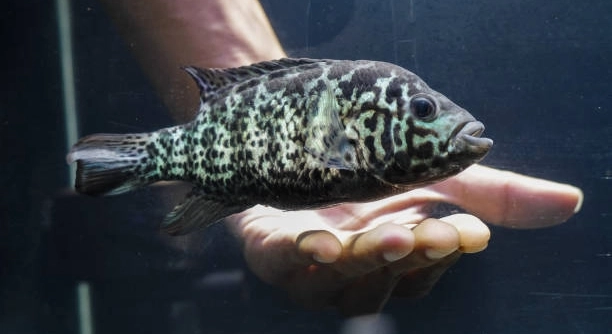
Jack Dempsey fish are colorful and lively additions to any aquarium, admired for their striking patterns and energetic behavior. Keeping them healthy requires understanding their needs and creating a stable environment that supports their natural instincts.
The key factors that make Jack Dempsey fish thrive include maintaining consistent water quality, providing a spacious tank, offering a varied diet, ensuring proper temperature and pH levels, incorporating hiding spots, reducing stress, and monitoring their social interactions regularly.
By paying attention to these essential care aspects, you can create an environment where Jack Dempsey fish remain active, healthy, and visually vibrant for years.
Proper Tank Size and Setup
Jack Dempsey fish need space to move and grow. A tank of at least 55 gallons is recommended for a single adult, with larger tanks needed for multiple fish. They prefer a soft substrate with rocks and caves to explore. Plants should be sturdy, as these fish may uproot delicate species. Filtration is essential, but strong currents should be avoided because Jack Dempseys prefer calmer waters. Decorations and hiding spots reduce stress and allow natural behavior. Lighting should be moderate, reflecting their preference for dimmer areas over bright, open spaces. Regular cleaning and water changes help maintain the tank environment, ensuring waste does not accumulate. Keeping the tank setup stable and consistent allows the fish to feel secure and promotes healthy growth. Paying attention to tank layout from the start prevents issues later and makes maintenance easier. Observation is important to adjust the environment if aggression or stress appears.
A properly sized and thoughtfully arranged tank supports both physical health and natural behavior, keeping Jack Dempseys comfortable.
Setting up the tank carefully can prevent future problems. Decorations, hiding spots, and gentle water flow all contribute to a peaceful, thriving environment. Regular observation helps catch changes early, making care more manageable.
Balanced Diet and Feeding
Jack Dempsey fish thrive on a varied diet that includes high-quality pellets, frozen foods, and occasional live foods. A mix of protein and vegetable matter ensures proper growth and coloration. Feeding small amounts twice a day prevents overfeeding and maintains water quality. Uneaten food should be removed promptly to avoid ammonia buildup. Rotating food types keeps the fish interested and nourished. Certain vegetables, like blanched spinach or peas, can supplement their diet, providing essential nutrients and aiding digestion. Treats like brine shrimp or bloodworms should be occasional to prevent dietary imbalance. Avoid feeding low-quality or filler-heavy foods, as they can affect growth and health. Monitoring the fish while feeding helps identify appetite changes or health issues early. Feeding routines also help establish a sense of security, as Jack Dempseys recognize regular patterns and feel more comfortable in their environment. Consistency in diet contributes to vibrant colors and overall vitality.
Maintaining a balanced diet supports growth, color, and energy levels, keeping Jack Dempseys strong and healthy.
Providing variety and proper feeding amounts ensures the fish receive necessary nutrients. Small, frequent meals reduce waste, and vegetables supplement their protein-based diet effectively. Observing feeding habits can indicate health and prevent issues.
Water Quality and Parameters
Jack Dempsey fish require stable water conditions to stay healthy. Ideal temperature ranges from 74°F to 80°F, with pH between 6.5 and 7.5. Consistent water changes and proper filtration are crucial for removing waste and preventing harmful ammonia buildup.
Maintaining water quality starts with testing parameters regularly. High ammonia, nitrite, or nitrate levels can stress or harm fish quickly. A reliable filtration system helps keep the water clean and oxygenated. Performing 25-30% water changes weekly removes toxins and maintains stability. Avoid sudden temperature or pH shifts, as these can weaken immunity. Observing the fish’s behavior also signals water issues, such as gasping or lethargy. Clean gravel and decorations during changes to prevent debris accumulation, but do not disrupt beneficial bacteria colonies.
Monitoring and adjusting water parameters ensures Jack Dempsey fish remain active and vibrant. Proper equipment and consistent maintenance minimize disease risks. A stable environment supports growth, feeding, and natural behavior.
Tank Mates and Social Behavior
Jack Dempsey fish can be aggressive, so careful consideration of tank mates is essential. Compatible species include other robust cichlids, while smaller or timid fish may be bullied.
Introducing tank mates gradually helps reduce territorial disputes. Providing multiple hiding spots and dividing decorations can prevent fights. Jack Dempseys often establish dominance hierarchies, so observing interactions is necessary. Avoid overcrowding, as it increases stress and aggression. Pairing fish with similar sizes and temperaments reduces risks. Be mindful during breeding periods, as aggression often rises. Keeping a close eye on the community allows timely intervention if conflicts escalate. Balancing social dynamics ensures all fish remain healthy.
Managing social behavior prevents stress and injuries. Proper selection, tank layout, and monitoring create a harmonious environment. Understanding natural tendencies allows for a more stable aquarium community.
Hiding Spots and Decorations
Jack Dempsey fish feel secure with caves, rocks, and sturdy plants in their tank. Hiding spots reduce stress and give them places to rest and explore safely.
Arranging decorations to create separate territories helps prevent aggression. Fish can claim areas without constant confrontation, which keeps the tank more peaceful and balanced.
Temperature Consistency
Maintaining stable water temperature is critical for Jack Dempseys. Fluctuations can weaken their immune system and trigger stress, affecting appetite and behavior. A reliable heater and thermometer ensure the water stays within the ideal range of 74°F to 80°F.
Regular Observation
Daily observation allows quick detection of health or behavior changes. Noticing lethargy, discoloration, or unusual swimming patterns helps address problems early.
FAQ
How often should I feed my Jack Dempsey fish?
Feeding should be done twice a day in small amounts they can finish within a few minutes. Overfeeding can lead to poor water quality and obesity. A mix of high-quality pellets, frozen foods, and occasional live foods provides balanced nutrition and keeps them healthy.
What is the ideal tank size for a single Jack Dempsey?
A single adult Jack Dempsey requires at least a 55-gallon tank. Larger tanks are needed for multiple fish to prevent territorial disputes. Providing space for swimming, hiding spots, and decorations helps reduce stress and allows natural behavior to flourish.
Can Jack Dempsey fish live with other species?
Yes, but careful selection is important. Suitable tank mates are robust cichlids of similar size and temperament. Smaller or timid fish may be bullied. Multiple hiding spots and territory separation reduce aggression. Observing interactions is essential, especially during breeding periods.
What water temperature is best for Jack Dempseys?
The ideal temperature range is 74°F to 80°F. Maintaining stable temperatures is important, as sudden fluctuations can stress the fish, weaken immunity, and reduce appetite. Using a reliable heater and thermometer helps maintain consistency.
How often should water be changed?
Weekly water changes of 25-30% are recommended. This removes toxins, keeps water quality high, and maintains stability. Clean gravel and decorations during water changes to prevent debris buildup, but avoid disturbing beneficial bacteria colonies.
Why do Jack Dempseys sometimes show aggression?
Aggression is natural and often territorial. Providing hiding spots, dividing the tank into territories, and selecting compatible tank mates reduce fights. Aggression may increase during breeding, so extra observation is necessary to prevent injuries.
What should I do if a fish gets sick?
Isolate the sick fish immediately to prevent spreading illness. Check water quality, adjust temperature, and consult appropriate treatment options. Maintaining clean, stable conditions prevents most common diseases in Jack Dempseys.
How can I enhance their colors?
A balanced diet with varied protein sources, occasional live foods, and vegetables helps maintain vibrant coloration. Proper lighting and clean water also contribute to bright and healthy scales. Stress reduction through hiding spots and stable conditions further enhances appearance.
How long do Jack Dempsey fish typically live?
With proper care, they can live 8-10 years or longer. Consistent diet, water quality, tank size, and social management all contribute to longevity. Regular observation and timely intervention for health issues ensure they thrive throughout their lifespan.
Can I breed Jack Dempseys at home?
Yes, they can be bred in captivity. Providing a separate breeding tank with flat surfaces for egg-laying, stable water conditions, and proper diet encourages spawning. Parents may become protective or aggressive during this period, so careful monitoring is needed.
How do I tell if the water quality is poor?
Signs include gasping at the surface, lethargy, faded colors, or unusual swimming patterns. Regular testing for ammonia, nitrites, nitrates, and pH levels helps identify problems before they affect the fish’s health. Proper filtration and water changes maintain stable conditions.
Are decorations necessary for Jack Dempseys?
Yes, decorations like rocks, caves, and sturdy plants provide security and reduce stress. They allow natural behaviors like hiding, exploring, and establishing territories, making the tank more balanced and peaceful for all inhabitants.
How often should I check on my fish?
Daily observation is recommended. Watching for changes in behavior, appetite, or appearance helps catch issues early. Quick response to problems prevents more serious health concerns and keeps the fish active and vibrant.
What should I avoid in their diet?
Avoid low-quality, filler-heavy foods that lack proper nutrients. Overfeeding or relying solely on one type of food can cause health issues. Balance protein and vegetable matter, and use live or frozen foods occasionally for variety.
Can Jack Dempseys adapt to different water pH levels?
They prefer a pH between 6.5 and 7.5. Slight fluctuations can be tolerated if gradual, but sudden changes can stress them and compromise immunity. Regular testing and buffering help maintain a consistent environment suitable for long-term health.
How do I prevent territorial disputes in the tank?
Provide hiding spots and divide decorations to create separate areas. Avoid overcrowding and choose compatible tank mates. Observing interactions allows early intervention if aggression escalates. Breeding pairs may need isolation to prevent injuries.
What equipment is essential for their tank?
A reliable filter, heater, and thermometer are necessary. Decorations, hiding spots, and adequate substrate support natural behavior. Proper lighting and water testing kits ensure consistent conditions, keeping the fish healthy and vibrant.
How can I tell if my fish is stressed?
Signs include hiding excessively, loss of appetite, rapid gill movement, or aggression. Stress often results from poor water quality, sudden changes, or aggressive tank mates. Correcting these factors helps them return to normal behavior and maintain good health.
Is it okay to keep Jack Dempseys alone?
Yes, they can live alone if provided with proper space and stimulation. While social interaction can be beneficial with compatible fish, a single fish in a well-maintained tank can thrive without companions.
What is the best way to introduce new fish?
Acclimate them slowly by floating the bag in the tank and gradually mixing tank water. This prevents temperature shock and allows adjustment to water chemistry. Monitor interactions closely to prevent territorial disputes and stress.
Caring for Jack Dempsey fish requires attention to several key factors that contribute to their health and well-being. Proper tank size, stable water parameters, and a consistent feeding routine form the foundation of their care. These fish are naturally territorial and energetic, so creating an environment with sufficient space, hiding spots, and decorations helps reduce stress. A well-maintained tank with regular water changes, proper filtration, and stable temperatures ensures they remain active, healthy, and vibrant. Observing their behavior daily allows for early detection of any potential issues, making it easier to address problems before they become serious. By focusing on these basic needs, owners can create an environment that supports the natural behaviors of Jack Dempsey fish, allowing them to thrive for many years.
Nutrition plays a significant role in the overall health of Jack Dempsey fish. Feeding them a balanced diet that includes high-quality pellets, frozen or live foods, and occasional vegetables provides the essential nutrients required for growth, energy, and coloration. Small, frequent feedings prevent overfeeding and minimize the accumulation of waste in the tank, which can negatively impact water quality. Paying attention to their diet and feeding habits helps prevent health issues and supports strong immune function. A varied diet also keeps the fish engaged, as they respond positively to different textures and flavors. Monitoring their eating behavior can provide early signs of illness or stress, allowing owners to adjust care routines when necessary. Maintaining proper nutrition, combined with a stable environment, ensures the fish remain vibrant, strong, and visually appealing.
Social interactions and tank setup also influence the well-being of Jack Dempsey fish. These fish can be aggressive, particularly during breeding periods, so choosing compatible tank mates and creating distinct territories within the aquarium is important. Multiple hiding spots, sturdy decorations, and clear territorial boundaries reduce conflicts and promote a more peaceful environment. Observing social behavior and intervening when aggression escalates helps prevent injuries and stress. Even a single Jack Dempsey benefits from a carefully arranged tank that encourages exploration, hiding, and natural behaviors. Overall, success in keeping these fish comes from understanding their needs and responding consistently. By combining proper nutrition, water care, and attention to social dynamics, owners can provide an environment where Jack Dempsey fish not only survive but thrive, displaying their full range of colors, behaviors, and energy over the years.

Hello,
If you enjoy the content that we create, please consider saying a "Thank You!" by leaving a tip.
Every little bit helps us continue crafting quality advice that supports the health, happiness, and well-being of pets around the world, for pets of all shapes, sizes, and species.
We really appreciate the kindness and support that you show us!