
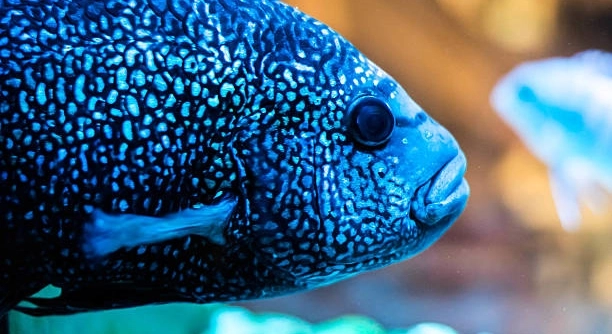
Have you ever noticed your Jack Dempsey fish suddenly swimming frantically around the tank? These energetic fish can sometimes panic without warning. Recognizing the reasons behind this behavior helps keep them healthy and comfortable in their environment.
Sudden panic in Jack Dempsey fish can result from abrupt changes in water quality, overcrowded tanks, aggressive tank mates, sudden loud noises, poor nutrition, lack of hiding spots, or unexpected reflections. Each factor provokes an immediate stress response in these fish.
Understanding these causes will help you create a stable and calm tank environment while supporting the well-being of your Jack Dempsey fish.
Sudden Changes in Water Quality
Jack Dempsey fish are very sensitive to their water environment. Rapid changes in temperature, pH, or ammonia levels can make them panic. Even small fluctuations may trigger erratic swimming, hiding, or frantic movements. It is important to monitor water conditions consistently and keep them stable. Using a reliable thermometer and testing kit helps track temperature and chemical balance. Regular partial water changes are beneficial, but they should be gradual to avoid shocking the fish. Over time, consistent care reduces stress and allows the fish to feel secure. Watching your fish’s behavior after any water adjustment gives clues about their comfort. Sudden water changes are one of the most common reasons these fish react unexpectedly, so attention to detail in water maintenance is essential. This habit protects not only the fish’s health but also its overall behavior and appearance.
Maintaining stable water conditions reduces panic and supports long-term health in Jack Dempsey fish, preventing unnecessary stress and erratic swimming behaviors.
Even when water changes are gradual, observing how fish respond is key. Some may need extra hiding spaces or slow adjustments to feel safe. By taking careful steps, you create a calmer tank where your fish can thrive.
Aggressive Tank Mates
Aggressive or territorial fish can scare Jack Dempsey fish. Being bullied or chased causes sudden panic and erratic movements. Choosing compatible tank mates is crucial. Peaceful, non-aggressive species help maintain harmony. A carefully planned tank layout with plants and shelters can reduce conflict and stress, providing a secure environment.
Introducing new fish gradually and monitoring interactions is important. If aggression occurs, separating the fish temporarily prevents panic episodes. Tank decorations like caves, rocks, and tall plants give Jack Dempsey fish places to retreat. Avoid overcrowding, as too many fish in a confined space increases tension. The tank setup should allow each fish its own territory, minimizing competition. Observing behavior daily helps identify which fish cause stress. Once aggressive interactions are reduced, Jack Dempsey fish regain confidence and swim normally. Consistent monitoring and thoughtful tank management are key to preventing sudden panic triggered by aggressive tank mates. A peaceful community helps them flourish naturally.
Loud Noises and Vibrations
Sudden loud sounds near the tank startle Jack Dempsey fish. They react immediately with frantic swimming or hiding. Everyday household noises like vacuuming, clapping, or dropping objects can trigger panic. Minimizing vibrations around the tank helps keep them calm and reduces stress.
Frequent exposure to loud noises can cause long-term anxiety in Jack Dempsey fish. Even if the fish appears to recover quickly, repeated disturbances can weaken their immune system and make them more susceptible to disease. It is important to place the tank in a quiet area and avoid sudden movements nearby. Using a tank with a sturdy stand reduces vibrations and creates a more stable environment. Observing the fish’s response over time helps identify triggers, and small changes in room layout or habits can make a noticeable difference in their comfort.
Providing hiding spots like caves or tall plants further helps the fish cope with unavoidable noise. Fish that feel secure can recover faster from startling events and regain normal swimming patterns. Monitoring behavior during loud activities ensures they are not excessively stressed, and creating predictable surroundings reduces panic responses overall.
Poor Diet and Nutritional Imbalance
Feeding Jack Dempsey fish an improper diet affects their behavior. Lack of essential nutrients or overfeeding can make them restless and trigger panic. Providing high-quality, balanced food is key to keeping them healthy and calm in the tank.
Nutritional imbalance impacts both physical health and behavior in Jack Dempsey fish. Overfeeding leads to poor water quality, as leftover food decomposes, increasing ammonia levels that stress the fish. Underfeeding or giving only one type of food deprives them of vital vitamins and minerals, weakening their immune system. A varied diet with high-protein pellets, occasional live or frozen food, and occasional vegetables ensures they receive necessary nutrients. Balanced feeding routines help maintain energy levels, reduce anxiety, and improve overall health. Regular observation of feeding behavior helps adjust portions and prevent sudden panic caused by hunger or digestive issues.
Consistent attention to diet creates predictable routines for the fish, which supports calmer behavior. Rotating food types and feeding small amounts multiple times a day can improve digestion and minimize stress. Fish that are well-fed and nutritionally satisfied show less erratic movement and more stable interactions with tank mates. Maintaining this balance not only prevents panic but encourages vibrant colors and strong growth, making them easier to care for long-term.
Overcrowding in the Tank
Too many fish in a tank causes stress for Jack Dempsey fish. Limited space makes it hard to establish territory, leading to sudden panic and frantic swimming. Maintaining an appropriate fish-to-tank ratio keeps them calmer and healthier.
Overcrowding increases competition for food and hiding spots. Jack Dempsey fish may feel constantly threatened, triggering stress responses. A spacious tank with fewer fish allows them to move freely and establish personal space. Providing decorations, plants, and caves gives them areas to retreat, reducing panic episodes. Observing interactions helps identify when the tank has too many occupants. Proper planning and monitoring keep the environment safe and minimize anxiety.
Sudden Reflections or Shadows
Reflections in the tank glass or shadows from nearby movement can scare Jack Dempsey fish. They may interpret these as threats, causing abrupt panic. Positioning the tank carefully and reducing light reflections helps minimize stress.
Lack of Hiding Spaces
Jack Dempsey fish need places to feel secure. Without caves, plants, or other hiding spots, they become anxious and may panic more easily. Providing adequate shelter creates a calmer, more stable environment.
FAQ
What is the most common cause of sudden panic in Jack Dempsey fish?
The most common cause is abrupt changes in water conditions. Rapid shifts in temperature, pH, or ammonia levels can startle them. Even small fluctuations can lead to frantic swimming or hiding. Maintaining stable water quality is essential for their comfort and overall health.
How can I reduce stress caused by loud noises?
Place the tank in a quiet area away from regular household disturbances. Using a sturdy stand can reduce vibrations. Adding hiding spots such as plants or caves gives the fish safe areas to retreat when noise is unavoidable. Observing their reactions helps adjust the environment further.
Do aggressive tank mates always trigger panic?
Not always, but aggressive or territorial fish are a frequent cause. Jack Dempsey fish feel threatened when chased or bullied. Ensuring compatible species and providing enough space and shelters minimizes stress and sudden panic episodes. Monitoring interactions is key for a peaceful tank.
Can diet really affect behavior?
Yes, an improper diet can trigger erratic behavior. Overfeeding leads to poor water quality, while underfeeding or unbalanced meals deprive them of essential nutrients. Feeding high-quality pellets, occasional live or frozen food, and maintaining a regular schedule keeps them calmer and healthier.
How many Jack Dempsey fish should be kept in a tank?
Overcrowding causes stress and panic. A tank should allow each fish to have its own space, reducing competition for territory and hiding spots. Adding decorations like caves and plants also provides retreat areas, which helps maintain a stable environment and calmer behavior.
Why do reflections or shadows startle them?
Jack Dempsey fish are naturally cautious. Reflections in the glass or moving shadows can be mistaken for predators, triggering panic. Positioning the tank to reduce reflections and controlling lighting can prevent sudden stress and allow the fish to feel secure in their surroundings.
What are the signs that my fish is stressed?
Signs include frantic swimming, frequent hiding, loss of appetite, or changes in color. Stressed fish may also appear lethargic after panic episodes. Observing these behaviors and addressing potential causes like water quality, tank mates, or diet is essential for their well-being.
How often should I test water conditions?
Regular testing is crucial. Checking temperature, pH, and ammonia at least once a week helps detect changes before they stress the fish. Using reliable test kits and maintaining consistent partial water changes ensures a healthy and stable environment.
Do Jack Dempsey fish adapt to repeated disturbances?
Some fish may gradually adapt, but repeated disturbances like loud noises or aggressive tank mates can cause chronic stress. Providing a predictable environment with hiding spots and compatible companions supports calmer behavior and long-term health.
Can adding plants and decorations reduce panic?
Absolutely. Plants, caves, and rocks give Jack Dempsey fish places to hide and feel secure. These structures reduce territorial conflicts, provide retreat areas, and help them recover quickly after stressful events, lowering the likelihood of sudden panic.
What should I do if panic episodes continue despite changes?
If panic persists, review water quality, tank size, diet, and tank mates thoroughly. Gradual adjustments, increased hiding spots, and minimizing disturbances usually help. Persistent issues may indicate illness, so consulting a knowledgeable aquarist or vet can provide additional guidance for their care.
How important is consistency in tank care?
Consistency is very important. Sudden changes in water, diet, or environment can trigger panic. Maintaining routines for feeding, cleaning, and monitoring tank conditions keeps Jack Dempsey fish secure and reduces stress-related behaviors over time.
Are young fish more prone to panic than adults?
Yes, juvenile Jack Dempsey fish can be more sensitive to environmental changes because they are still developing territorial awareness and coping skills. Providing extra hiding spots and stable conditions helps them grow confidently and reduces sudden panic episodes.
Can stress affect coloration and growth?
Chronic stress from panic or poor conditions can dull their colors and slow growth. Stable water, proper nutrition, and low-stress surroundings support vibrant coloration and normal development, while repeated panic can negatively impact overall health.
How can I tell if my tank setup is adequate?
Adequate tank setup includes proper space, compatible tank mates, stable water, and hiding places. Observing calm swimming behavior, regular feeding, and minimal panic responses indicates a well-managed environment. Adjustments should be made based on behavior and tank size.
Does tank location matter for reducing panic?
Yes, placing the tank in a quiet, low-traffic area reduces sudden disturbances. Avoid locations near doors, windows, or appliances that produce noise or vibrations. A stable and calm environment helps Jack Dempsey fish feel secure and lowers stress levels.
Can sudden panic damage fish physically?
Repeated frantic swimming or collisions with tank walls can cause injuries like torn fins or bruising. Preventing triggers through stable water, compatible tank mates, hiding spaces, and careful placement reduces the risk of physical harm during panic episodes.
Is it normal for Jack Dempsey fish to panic occasionally?
Occasional panic can occur due to minor disturbances, but frequent episodes indicate an underlying issue. Addressing environmental factors, diet, and tank dynamics helps prevent repeated stress and supports long-term well-being.
How long does it take for a fish to calm down after panic?
Recovery varies depending on the cause and available hiding spots. Fish usually calm within minutes if they feel secure. Chronic stress may prolong recovery, making environmental adjustments essential for faster stabilization.
Can lighting affect panic behavior?
Harsh or fluctuating lighting can startle Jack Dempsey fish. Providing consistent, moderate lighting and avoiding sudden changes reduces stress. Incorporating plants or shaded areas allows the fish to regulate exposure, contributing to calmer behavior.
What is the best way to monitor for stress?
Observe swimming patterns, feeding behavior, and color changes regularly. Noting responses to new tank additions, water changes, or noises helps identify triggers. Keeping a simple log can track behavior over time and guide adjustments for a more stable environment.
Does tank size alone prevent panic?
Tank size is important but not the only factor. A large tank with poor water quality, aggressive tank mates, or no hiding spaces can still cause panic. A balanced approach addressing all environmental needs ensures calmer, healthier fish.
How important is diet variety for reducing stress?
Diet variety ensures proper nutrition and prevents erratic behavior caused by hunger or deficiencies. High-quality pellets, live or frozen foods, and occasional vegetables support physical health and reduce stress-related panic episodes in Jack Dempsey fish.
Can stress make Jack Dempsey fish more aggressive?
Yes, stressed fish may become more territorial or aggressive, especially in crowded tanks. Reducing triggers, providing hiding spaces, and maintaining stable conditions help mitigate both panic and aggression.
How do I know if a hiding spot is effective?
A hiding spot is effective if the fish uses it regularly and appears calmer afterward. Caves, plants, or rocks that provide shelter from light or disturbances give a sense of security, reducing panic and supporting natural behavior.
Are young fish more likely to panic from shadows?
Juveniles are often more reactive to shadows or reflections. Extra hiding spots and gradual acclimation to lighting changes help them adapt and reduce stress, while adults are generally less sensitive but still benefit from secure areas.
Can panic affect appetite?
Yes, stressed fish may eat less or stop feeding temporarily. Maintaining calm conditions, hiding spots, and proper nutrition encourages normal feeding patterns and prevents nutrition-related panic or health problems.
Is water testing frequency important for preventing panic?
Consistent testing is critical. Weekly monitoring of temperature, pH, and ammonia helps detect problems early. Stable water conditions prevent sudden panic and promote long-term health in Jack Dempsey fish.
Can multiple factors trigger panic simultaneously?
Yes, panic is often caused by a combination of stressors like poor water, loud noises, or aggressive tank mates. Addressing all environmental and dietary factors together is the most effective way to reduce sudden panic episodes.
Do Jack Dempsey fish show signs of memory from panic events?
They can associate certain triggers with stress, like shadows, reflections, or specific tank mates. Adjusting the environment helps prevent repeated panic and allows them to feel safe over time.
Is it necessary to isolate a panicked fish?
Isolation may be needed temporarily if aggression or stress is severe. Providing a separate tank or partition allows recovery while addressing underlying causes before reintroducing the fish safely.
Can panic cause long-term health issues?
Repeated stress from panic can weaken the immune system, slow growth, and dull coloration. Stable conditions, proper diet, hiding spots, and compatible tank mates help prevent chronic health problems caused by frequent panic.
What is the simplest way to reduce sudden panic?
Maintain stable water conditions, provide hiding spaces, minimize loud disturbances, and ensure compatible tank mates. Consistency and careful observation are the easiest and most effective ways to keep Jack Dempsey fish calm and healthy.
How do I know if panic episodes are normal?
Occasional startle responses are normal, but frequent or prolonged panic indicates environmental or health issues. Observing patterns and adjusting water, diet, and tank setup ensures a safer and calmer environment.
Can tank lighting or reflections be adjusted without removing decorations?
Yes, changing light angles, using diffusers, or repositioning the tank reduces reflections and shadows. Fish remain secure, and decorations continue providing shelter, which prevents sudden panic without major changes.
Are there signs that a fish has adapted to stress triggers?
Adaptation is shown when the fish remains calm around previously stressful events. Gradual exposure to mild disturbances, stable water, and hiding spots help them become less reactive over time, reducing panic frequency.
Can multiple hiding spots be better than one large cave?
Yes, multiple small hiding spots allow choice and flexibility. Fish can select areas based on preference or threat, reducing stress, territorial conflicts, and sudden panic episodes, supporting overall well-being.
Do Jack Dempsey fish panic more during certain times of day?
They can react to sudden disturbances at any time, but early morning or evening when light changes occur may trigger heightened sensitivity. Maintaining consistent lighting and minimizing sudden activity helps reduce panic occurrences.
How quickly should I act if panic starts?
Immediate observation is key. Ensure water quality is stable, check for aggressive tank mates, and provide hiding options. Gradual adjustments prevent repeated panic and help the fish recover faster from stressful events.
Does tank cover affect panic?
A secure tank cover prevents external objects or pets from startling the fish. It also helps control light reflection and reduces shadows, contributing to a calmer, safer environment for Jack Dempsey fish.
Can I use behavioral cues to predict panic?
Yes, changes in swimming patterns, fin clamping, or sudden hiding can indicate rising stress. Monitoring these behaviors allows proactive adjustments to prevent full panic episodes.
Is water temperature more important than pH for preventing panic?
Both are important. Sudden changes in temperature or pH can trigger panic. Consistency in all water parameters, not just one, ensures a safe and stable environment for Jack Dempsey fish.
How can I maintain calm during necessary water changes?
Perform gradual partial water changes to avoid shocking the fish. Use similar temperature water, add slowly, and observe behavior. Providing hiding spots during changes helps the fish feel secure.
Do reflections affect all fish equally?
Some fish are more sensitive than others. Jack Dempsey fish are particularly reactive. Reducing reflective surfaces, adjusting lighting, and providing shelters minimizes stress from reflections and sudden movements.
Can panic affect social behavior?
Yes, stressed fish may become more territorial or avoid interactions. Providing space, hiding spots, and compatible tank mates encourages normal social behavior and reduces panic incidents.
How long does it take to see improvement after adjustments?
Improvement can be seen within days if environmental stressors are addressed. Consistent care, proper diet, and stable conditions reinforce calmer behavior and reduce sudden panic over time.
Is it necessary to consult an expert for recurring panic?
Yes, persistent panic may indicate health issues or unseen environmental problems. A knowledgeable aquarist or vet can help identify causes and recommend effective solutions for long-term fish well-being.
What is the single most effective preventive measure?
Maintaining a stable, consistent, and secure environment with proper diet, hiding spots, and compatible tank mates is the most reliable way to prevent sudden panic in Jack Dempsey fish.
How can I balance multiple causes of panic simultaneously?
Address water quality, tank mates, diet, lighting, and hiding spaces all together. Monitoring behavior and making gradual adjustments ensures the fish remains calm and healthy while reducing multiple stress triggers.
Do Jack Dempsey fish recover fully from panic events?
With proper care and a stable environment, they typically recover quickly. Consistent monitoring, gradual adjustments, and providing security help them regain confidence and normal behavior after panic episodes.
Can I prevent panic entirely?
While occasional startle responses may occur, reducing environmental stressors, providing hiding spots, and maintaining proper care minimizes panic frequency and severity, creating a safer and more comfortable tank for Jack Dempsey fish.
Is panic more common in newly introduced fish?
Yes, new fish are more sensitive to changes in environment and tank mates. Providing hiding spots, gradual acclimation, and stable conditions helps them adapt without excessive panic episodes.
How does tank decoration placement affect panic?
Proper placement creates natural hiding spots and reduces exposed areas that trigger fear. Well-arranged decorations allow the fish to retreat and feel secure, preventing sudden panic responses.
Are there long-term behavioral changes from repeated panic?
Frequent panic can make fish more skittish, territorial, or withdrawn. Reducing stress through stable care, proper diet, hiding spots, and compatible tank mates helps restore normal behavior over time.
Can water filtration reduce panic?
Yes, efficient filtration keeps water clean and stable, reducing stress caused by poor water quality. Quiet, well-maintained filters also minimize sudden noise or vibration that could trigger panic.
Is monitoring behavior daily necessary?
Daily observation helps catch early signs of stress, erratic swimming, or health issues. Prompt adjustments prevent repeated panic episodes and maintain overall well-being for Jack Dempsey fish.
Can sudden panic affect breeding behavior?
Stress and frequent panic can disrupt mating behavior and reduce reproductive success. Stable water, minimal disturbances, and secure hiding spots support normal breeding activities and protect fry from stress-induced harm.
Do different ages react differently to stress?
Juveniles are generally more reactive, while adults are more resilient but still benefit from secure environments. Adjusting tank setup for all ages ensures reduced panic and better overall health.
How can I track triggers effectively?
Keep a simple log of water tests, feeding times, new tank additions, and observed panic events. Patterns often reveal triggers, allowing timely adjustments to prevent future episodes.
Are there signs that indicate improvement after reducing triggers?
Calmer swimming, regular feeding, less hiding, and brighter coloration indicate reduced stress. Observing consistent behavior over time confirms that environmental adjustments are effective in minimizing panic.
Does tank background color affect panic?
A neutral or dark background can reduce reflections and provide a sense of security. Bright or reflective backgrounds may startle fish and contribute to sudden panic episodes.
Can seasonal changes impact behavior?
Seasonal temperature fluctuations, lighting changes, or household activity levels can affect stress. Monitoring water conditions and maintaining consistent tank care helps prevent seasonal triggers of panic.
Is there a difference in response between male and female fish?
Both sexes can panic, but males may be slightly more territorial. Ensuring sufficient space and hiding spots helps reduce stress-related behaviors in both males and females.
Can stress from panic affect disease susceptibility?
Yes, chronic stress weakens the immune system, making fish more prone to infections. Maintaining stable conditions, proper diet, and calm surroundings helps prevent stress-related illnesses.
How can I prevent panic during routine maintenance?
Perform slow, gradual water changes, minimize sudden movements, and provide hiding spaces. Predictable routines and gentle handling reduce startle responses and help the fish feel secure.
Are Jack Dempsey fish more prone to panic than other cichlids?
They are moderately sensitive. Like many cichlids, they react to environmental stress, but proper care, stable conditions, and hiding spots minimize panic, making them manageable for attentive aquarists.
Does tank size alone prevent panic?
No, while adequate space helps, water quality, diet, hiding spots, and tank mates are equally important. A holistic approach ensures calmer behavior and reduced stress in Jack Dempsey fish.
How can I safely introduce new fish without causing panic?
Use a quarantine tank first, gradually acclimate them to water conditions, and monitor interactions carefully. Providing hiding spots during introduction reduces stress for both new and existing fish.
Can panic be caused by poor lighting schedules?
Yes, sudden changes in lighting or inconsistent day-night cycles can startle fish. Maintaining a regular lighting schedule with gradual transitions reduces stress and panic episodes.
Do Jack Dempsey fish need a predictable routine?
Yes, consistency in feeding, cleaning, and environmental conditions helps them feel secure. Predictable routines reduce anxiety and sudden panic responses, supporting healthier and calmer behavior.
Is water hardness important for reducing stress?
Stable water hardness contributes to overall water quality. Sudden changes can affect fish comfort and trigger panic, so monitoring and maintaining consistent parameters is essential.
Can stress affect coloration permanently?
Chronic stress can dull colors temporarily or over time. Providing stable conditions, proper nutrition, and minimal disturbances allows colors to return and supports normal growth and health.
Are some fish naturally more skittish than others?
Yes, individual temperament varies. Some Jack Dempsey fish are more reactive. Adjusting environment, providing hiding spots, and minimizing disturbances helps even naturally skittish fish remain calmer.
How can I reduce panic from external household activity?
Place the tank in a low-traffic area, use a sturdy stand, and provide hiding spots. Predictable environmental conditions minimize stress caused by activity near the tank.
Does frequent handling cause panic?
Yes, Jack Dempsey fish are sensitive to being handled. Limit handling to necessary situations like medical care, and always be gentle to prevent stress and erratic behavior.
Can tank water additives affect panic?
Sudden use of chemicals or conditioners can startle fish. Always introduce additives gradually and follow instructions carefully. Observing the fish afterward ensures they are not stressed or reacting negatively.
How important is tank stability overall?
High stability in water, diet, lighting, tank mates, and environment minimizes panic. A consistent and secure setup allows Jack Dempsey fish to thrive with reduced stress and healthier behavior.
What is the key to long-term calm behavior?
Consistency, stable water conditions, proper diet, hiding spaces, compatible tank mates, and minimal disturbances together ensure Jack Dempsey fish remain calm, healthy, and less prone to sudden panic.
Can panic responses vary by individual fish?
Yes, each fish reacts differently to stressors
Jack Dempsey fish are striking and lively pets, but they can be sensitive to changes in their environment. Sudden panic is a common behavior that can worry owners, but it is usually linked to specific, manageable factors. Water quality, tank size, diet, tank mates, lighting, and hiding spaces all play a role in how secure and calm these fish feel. When any of these factors are off balance, the fish may react with erratic swimming, hiding, or other stress behaviors. Understanding what triggers panic is the first step toward creating a safe and comfortable home for them. By paying attention to the conditions of the tank and the fish’s behavior, owners can often prevent or reduce sudden episodes.
Creating a stable environment requires consistency and careful observation. Regular water testing helps ensure that temperature, pH, and other chemical levels remain within safe ranges. Gradual changes are important when adjusting the tank, as sudden shifts can startle the fish. Diet also plays a key role. Offering balanced, high-quality food in appropriate amounts prevents nutrition-related stress and maintains energy levels. Tank mates must be chosen carefully, as aggressive or territorial fish increase panic incidents. Decorations, plants, and caves provide essential hiding spots, allowing the fish to feel secure and recover quickly from brief scares. Even small details, like controlling reflections and vibrations or placing the tank in a quiet area, can make a noticeable difference. Paying attention to these elements creates a predictable and safe environment that supports both physical health and calmer behavior.
Observing your Jack Dempsey fish over time allows you to notice patterns and make necessary adjustments. Occasional panics can happen, but repeated or prolonged episodes usually indicate underlying issues. By addressing triggers and maintaining consistent care, fish can regain confidence and stability in their tank. Calm fish are healthier, show brighter coloration, and interact more naturally with their environment and other tank mates. While managing all these factors may seem like a lot, creating a predictable and secure environment ensures your fish feel safe and supported. Consistency, attention to detail, and careful observation are the best ways to prevent sudden panic, promote overall well-being, and enjoy the vibrant, active nature of Jack Dempsey fish in a peaceful and healthy tank.

Hello,
If you enjoy the content that we create, please consider saying a "Thank You!" by leaving a tip.
Every little bit helps us continue crafting quality advice that supports the health, happiness, and well-being of pets around the world, for pets of all shapes, sizes, and species.
We really appreciate the kindness and support that you show us!