
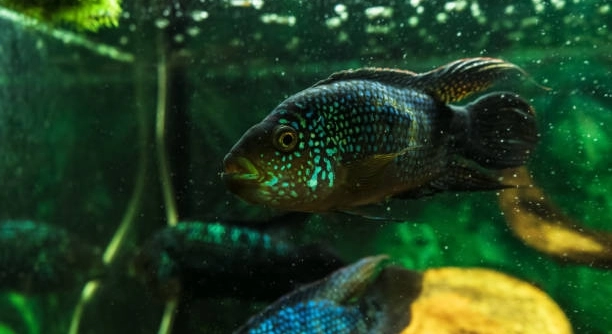
Have you ever noticed your Jack Dempsey fish moving slowly and hiding more than usual in the tank? When the water gets colder than their comfort level, these lively fish begin to change their usual behavior.
Jack Dempsey fish respond to cold temperatures by reducing swimming activity, eating less, and seeking shelter near the tank bottom. Their metabolism slows down, and they become less active as a natural adaptation to lower environmental temperatures.
Recognizing these signs can help you adjust their tank conditions and support their health during cooler periods.
How Cold Affects Jack Dempsey Fish
When the water temperature drops, Jack Dempsey fish react quickly, though subtly. Their movements become slower, and they may spend long periods resting near the bottom of the tank. Feeding habits change as their metabolism decreases, often leading to reduced appetite. You might notice them hiding behind rocks or decorations more often than usual, conserving energy until the water warms. Cold water can also make them more vulnerable to stress, which could affect their immune system over time. Even slight temperature fluctuations can cause noticeable changes in behavior. Observing these shifts is important because it signals that your tank environment needs attention. Adjusting the water temperature gradually and ensuring stable conditions helps maintain their health. Their vibrant colors may also fade temporarily during colder periods, but this usually reverses when the water returns to the proper warmth. Paying attention to these subtle changes can prevent bigger health issues later.
Their metabolism slows significantly, reducing both activity and appetite in colder water.
Providing a stable and slightly warmer environment encourages regular behavior and feeding. Consistent monitoring of water temperature, using a reliable heater or thermometer, can make a noticeable difference.
Signs Your Jack Dempsey Fish Are Too Cold
Behavioral changes are the most obvious indicator that your fish are experiencing cold stress.
Jack Dempsey fish show several clear signs when the water is too cold. They may stop swimming actively and linger near the bottom of the tank, sometimes hiding behind plants or ornaments. Appetite reduction is common, and they may ignore food entirely, which can affect their health if prolonged. Their coloration often dulls slightly, and fins may appear less spread out. Observing these behaviors can help you react before stress causes illness. Maintaining a consistent temperature between 75 and 82 degrees Fahrenheit is ideal. Sudden changes, even a few degrees, can trigger these behaviors, so gradual adjustments are safest. You can improve their comfort by adding a reliable heater, checking the thermostat frequently, and minimizing drafts near the tank. Proper lighting and maintaining water quality also support their resilience to cooler temperatures, helping them return to normal activity more quickly.
Cold water stress can affect overall health and growth. Gradual warming prevents shock.
Adjusting Tank Temperature
Maintaining a stable tank temperature is crucial for Jack Dempsey fish. Small fluctuations can stress them, so a reliable heater and thermometer are essential. Gradual adjustments prevent shock and help your fish return to normal behavior without harming their health.
Using a quality aquarium heater ensures the water stays within a safe range of 75 to 82 degrees Fahrenheit. Avoid sudden changes by adjusting the heater slowly, a degree or two at a time. Monitoring the temperature daily helps detect drops caused by drafts or cold room air. Placing the tank away from windows or vents also reduces temperature swings. Regularly checking the thermometer gives peace of mind, ensuring that your fish remain comfortable and active throughout the day.
In addition to a heater, layering tank insulation can help maintain warmth. Materials like foam or blankets wrapped around the back and sides prevent heat loss. Using a thermostat-controlled heater adds precision, automatically keeping water at the desired temperature. Combining these methods ensures a consistent environment, reduces stress, and supports your fish’s metabolism and coloration.
Feeding Considerations in Cold Water
Jack Dempsey fish eat less when the water is cold, so portion size and frequency should be adjusted.
Cold water slows their metabolism, making it harder to digest food. Feeding smaller amounts less frequently prevents uneaten food from fouling the tank. Offering high-quality, easily digestible foods supports their health during colder periods. Observing their interest in food helps determine the right portion.
Some foods may be too rich for slow metabolism, leading to bloating or digestive issues. Switching to lighter pellets or softened flakes ensures they receive nutrients without overloading their system. Maintaining consistent feeding times helps establish a routine even in cooler water. Avoid overfeeding, as leftovers decompose quickly, harming water quality. Regularly monitoring fish behavior and appetite guides adjustments to feeding schedules. Careful attention ensures your Jack Dempsey stays healthy despite lower activity levels.
Monitoring Fish Behavior
Watching your Jack Dempsey’s behavior helps identify cold stress early. Reduced swimming, hiding, and lack of appetite are common signs. Noticing these changes quickly allows you to adjust tank conditions before problems escalate.
Keeping a log of their activity and feeding patterns makes it easier to spot unusual changes. This simple routine helps maintain a healthy environment and ensures timely responses to temperature issues.
Using Tank Decorations for Warmth
Adding rocks, caves, or plants provides shelter and helps your fish feel secure. These decorations create microclimates where water is slightly warmer and less exposed to drafts. Fish can rest in these areas to conserve energy while avoiding direct exposure to colder water.
Gradual Temperature Adjustment
Changing the water temperature slowly is key. Sudden increases or decreases can shock Jack Dempsey fish, leading to stress or illness. Small, controlled adjustments give their metabolism time to adapt.
Signs of Recovery
Once the water warms, fish become more active, eat normally, and regain color. These changes indicate that they are returning to a healthy state.
FAQ
How cold is too cold for Jack Dempsey fish?
Jack Dempsey fish thrive in water temperatures between 75 and 82 degrees Fahrenheit. Water below 72 degrees can start to slow their metabolism, reduce activity, and affect their appetite. Prolonged exposure to colder temperatures increases stress and may make them more susceptible to disease. Monitoring the tank thermometer regularly helps prevent problems before they become serious.
What happens if my Jack Dempsey stays in cold water for too long?
Extended exposure to cold water can lead to reduced swimming activity, loss of appetite, and hiding behavior. Over time, this stress can weaken their immune system, making them vulnerable to infections. In severe cases, prolonged cold can stunt growth or cause illness, so quick adjustment of water temperature is important.
Can Jack Dempsey fish survive short periods in cold water?
Yes, they can tolerate brief drops in temperature without permanent harm. Short periods of colder water may cause temporary slowing of activity or hiding behavior. However, it’s best to minimize exposure and gradually return the water to their preferred range to prevent stress and maintain overall health.
How do I safely warm up the tank water?
Increase the temperature slowly, a degree or two at a time, using a reliable aquarium heater. Avoid sudden changes, which can shock the fish. Monitoring the thermometer throughout the process ensures you reach a stable, safe temperature without risking health issues. Using insulated materials around the tank can also help maintain warmth.
Should I change my feeding routine during colder periods?
Yes, reduce the amount and frequency of feeding when water is cold. Their metabolism slows, making digestion harder. Offer smaller, easily digestible portions and avoid overfeeding. Observing appetite will help you adjust feeding schedules, keeping the fish healthy without fouling the water.
Can tank decorations help fish cope with cold water?
Yes, caves, rocks, and plants provide shelter where water may be slightly warmer. These areas allow Jack Dempsey fish to rest and conserve energy without direct exposure to colder currents. Proper placement of decorations can make a noticeable difference in comfort and stress reduction.
How do I know if my fish is recovering from cold stress?
Signs of recovery include increased swimming activity, normal feeding behavior, and brighter coloration. Fish that resume exploration of the tank and show interest in food are adjusting well. Monitoring these behaviors confirms that water conditions are returning to a safe and comfortable range.
Is it safe to mix Jack Dempsey with other fish in colder water?
It’s not recommended. Cold water can stress Jack Dempsey fish, and stressed fish are more likely to act aggressively or become vulnerable to disease. Keeping them in a controlled environment with stable temperatures reduces risk and ensures all tank inhabitants remain healthy.
What’s the best way to prevent cold stress in the future?
Maintain consistent tank temperature using a quality heater and thermometer. Avoid placing the tank near windows, vents, or drafts. Regular observation of fish behavior and water temperature allows early detection of problems. Combining these precautions helps Jack Dempsey fish stay active, healthy, and vibrant year-round.
Are there any signs that require immediate attention?
Yes, sudden lethargy, complete refusal to eat, or pale coloring that doesn’t improve are warning signs. These symptoms may indicate severe stress or illness. Quick intervention by gradually adjusting water temperature and monitoring closely can prevent serious health issues.
How does cold water affect coloration in Jack Dempsey fish?
Cold water often causes temporary dulling of their bright colors. This is a natural response to stress and reduced metabolism. Once the water returns to their preferred temperature, colors typically regain vibrancy. Observing color changes helps track recovery and overall well-being.
Can using a thermostat-controlled heater help?
Absolutely. A thermostat-controlled heater maintains precise water temperature, reducing the risk of sudden drops or overheating. It ensures a stable environment, supporting metabolism, activity, and feeding habits. Consistent temperature control is one of the most effective ways to prevent cold-related stress.
How frequently should I monitor temperature during colder months?
Daily checks are ideal, especially during colder seasons. Small drops can occur overnight, near windows, or due to drafts. Frequent monitoring allows you to catch fluctuations early and maintain a stable, comfortable environment for your fish.
Is it normal for Jack Dempsey fish to hide more when cold?
Yes, hiding is a natural response to conserve energy. When water is colder than ideal, fish reduce activity and seek shelter. Providing caves, rocks, or plants helps them feel safe while allowing the body to adjust until temperatures return to normal.
Can water quality affect how fish handle cold temperatures?
Yes, poor water quality increases stress and makes fish more sensitive to temperature changes. Regular cleaning, testing for ammonia, nitrites, and nitrates, and performing partial water changes are crucial. Good water conditions support metabolism, immune function, and recovery from cold stress.
Are younger Jack Dempsey fish more sensitive to cold?
Younger and smaller fish are more vulnerable because their metabolism is less robust and they have less body mass to retain heat. Extra care with stable water temperature, gentle feeding, and safe hiding spots is essential for juvenile fish during cooler periods.
How long does it take for fish to return to normal after cold exposure?
Recovery depends on duration and severity of the cold. Minor drops may take a few hours to a day, while extended exposure could require several days. Gradual warming and monitoring feeding and activity help ensure a smooth recovery.
Can multiple heaters help in larger tanks?
Yes, using two heaters in larger tanks ensures even distribution of warmth. Placing them on opposite sides helps prevent cold spots, keeping the environment consistent. Proper heater placement combined with regular monitoring supports health and reduces stress.
What should I do if my fish shows no improvement?
If there’s no improvement after gradual warming, consult a specialist or aquatic veterinarian. Persistent lethargy, loss of appetite, or pale coloring may indicate illness or complications from prolonged cold stress. Prompt professional guidance can prevent serious health issues and ensure proper care.
Are some Jack Dempsey fish more tolerant of cold than others?
Individual variation exists, but generally, all Jack Dempsey fish prefer similar temperatures. Genetics, age, and health can influence tolerance slightly, but keeping water within their ideal range is the safest approach for all fish in the tank.
How does lighting affect cold water stress?
Consistent lighting helps maintain normal activity and feeding cycles. Sudden changes or dim light combined with cold water can increase stress. Maintaining a regular day-night cycle supports metabolism and helps fish recover more quickly from temperature drops.
Can I use a temporary tank cover to retain heat?
Yes, covering the tank reduces heat loss and prevents drafts. Make sure the cover allows proper ventilation to avoid oxygen depletion. This simple method can help stabilize temperature during colder periods and support overall fish health.
Is it necessary to quarantine fish during cold periods?
Not usually, unless adding new fish. Stress from cold weakens the immune system, so introducing new fish could increase disease risk. Maintaining stable temperatures and observing behavior ensures existing fish remain healthy.
How can I make gradual water changes without shocking the fish?
Use water at the same temperature as the tank for changes, and replace only 10–20% at a time. Slowly adding new water prevents sudden drops in temperature, reduces stress, and keeps Jack Dempsey fish comfortable.
Are there signs of long-term effects from repeated cold exposure?
Repeated exposure can lead to slower growth, weaker immune response, and duller coloration. Observing behavior, feeding, and color over time helps detect long-term stress, allowing you to adjust tank conditions and avoid recurring issues.
Can cold stress affect breeding behavior?
Yes, colder water reduces activity and energy, which can delay or halt breeding. Maintaining stable temperatures and proper feeding encourages normal reproductive behavior when conditions improve.
Do Jack Dempsey fish need extra oxygen in cooler water?
Cooler water holds more oxygen naturally, but reduced activity may lower gill movement. Ensuring proper filtration and gentle water flow helps maintain oxygen levels and supports overall health during cold periods.
What’s the best overall approach to prevent cold stress?
Keep water within 75–82 degrees, use reliable heaters and thermometers, monitor daily, provide shelter, and adjust feeding. Stable, consistent conditions minimize stress, support metabolism, and keep Jack Dempsey fish active, healthy, and vibrant all year.
How can I tell if my heater is working properly?
Check the thermometer daily and observe fish behavior. Inconsistent swimming, hiding, or lethargy may indicate the heater isn’t maintaining temperature. Testing and replacing faulty heaters ensures a stable, safe environment.
Is it normal for fish to be less colorful when cold?
Yes, color fading is a natural response to stress and slower metabolism. Brightness usually returns when water reaches the preferred temperature and fish regain normal activity and appetite.
Can I combine temperature control with water quality maintenance?
Absolutely. Stable temperature and clean water go hand-in-hand. Regular partial water changes, testing, and careful feeding complement heater use, supporting metabolism, activity, and overall health in Jack Dempsey fish.
How long should I observe after adjusting temperature?
Observe at least 24–48 hours after gradual warming. Fish should resume normal swimming, feeding, and color. Continued monitoring ensures that temperature adjustments are effective and no lingering stress affects their health.
Can I use floating plants to help maintain warmth?
Yes, floating plants provide shade and slight insulation, reducing direct heat loss. They also create a calmer environment where fish can rest, conserving energy during cooler periods.
Are there any foods that help fish cope with colder water?
High-quality, easily digestible foods are best. Avoid heavy, rich foods that are harder to digest. Small portions of pellets or softened flakes support health without overloading metabolism during slower activity periods.
What is the biggest mistake owners make during cold periods?
Sudden temperature changes, overfeeding, or ignoring hiding behavior are common mistakes. Gradual adjustments, careful feeding, and observation prevent stress and keep fish healthy throughout colder periods.
Can I use heaters with timers?
Timers are less precise than thermostats but can help simulate day-night cycles. Thermostat-controlled heaters are preferable for maintaining consistent temperatures and reducing cold stress effectively.
How do I maintain consistent water temperature at night?
Use a reliable heater and insulated tank covers if necessary. Avoid placing the tank near drafts or vents. Checking the thermometer in the morning confirms that overnight temperatures stayed stable.
Is it normal for fish to cluster together when cold?
Yes, clustering can help conserve energy and create micro-warmth. Observing this behavior is normal and indicates the fish are adapting to lower temperatures while resting.
Can cold water stress lead to disease?
Yes, weakened immune systems from stress make Jack Dempsey fish more prone to bacterial, fungal, or parasitic infections. Maintaining stable temperatures and clean water reduces risk and supports recovery.
How long does it take for appetite to return?
Appetite usually returns within a day or two after the water warms to their preferred range. Persistent lack of interest may indicate illness and should be addressed promptly.
Should I adjust lighting during cold periods?
Maintain a consistent day-night cycle. Sudden changes in light combined with cold stress can increase lethargy. Proper lighting supports metabolism, feeding, and recovery.
Are all tank locations equally safe during winter?
No, avoid placing tanks near windows, doors, or air vents. Drafts and sudden temperature shifts increase stress. Stable, insulated locations are safest.
How can I combine temperature, feeding, and shelter for best results?
Use a heater and thermometer to maintain warmth, adjust feeding for slower metabolism, and provide hiding spots. Together, these strategies reduce stress, maintain health, and help Jack Dempsey fish thrive even in colder conditions.
Can I safely use water heaters and insulation together?
Yes, combining a quality heater with foam or blankets around the tank maintains stable temperatures. Insulation prevents heat loss, while the heater ensures consistent warmth for optimal fish health.
How do I prevent recurring cold stress each winter?
Monitor water temperature, use heaters and insulation, place the tank away from drafts, and observe fish behavior daily. Consistent attention prevents stress and keeps Jack Dempsey fish active and healthy year-round.
Is gradual temperature change always better than rapid adjustment?
Yes, slow changes allow metabolism to adapt and reduce stress. Sudden shifts can shock fish, cause hiding, reduced appetite, or even illness. Gradual adjustment is the safest and most effective approach.
What’s the simplest way to track cold stress in my fish?
Keep a small log of swimming activity, hiding, feeding, and color. Noting changes daily helps detect early signs of cold stress and guides adjustments to tank conditions.
Are there differences between juveniles and adults in coping with cold?
Juveniles are more sensitive due to smaller size and developing metabolism. Adults tolerate slight drops better but still need consistent temperatures to remain healthy and active.
How important is water circulation during cold periods?
Moderate circulation ensures oxygen levels remain stable and prevents cold spots. Avoid strong currents that could increase stress. Proper flow supports recovery and overall health.
Can cold stress affect social behavior?
Yes, stressed fish may become more aggressive or hide excessively. Stable temperatures and adequate shelter maintain normal social interaction.
Do Jack Dempsey fish need a different diet in winter?
Not a different type, but smaller, more digestible portions are better. Avoid overfeeding, as slower metabolism reduces food processing.
How long can fish tolerate minor drops without harm?
Short periods, a few hours to a day, are usually safe. Prolonged exposure requires intervention to prevent stress and health issues.
Can monitoring behavior replace constant temperature checks?
Behavioral observation helps, but a thermometer provides precise, reliable readings. Combining both ensures early detection of stress and proper temperature control.
What equipment is essential to prevent cold stress?
A reliable heater, thermometer, and optional insulation are key. Regular water quality testing and proper feeding complement these tools to maintain healthy fish.
Is hiding always a sign of cold stress?
Not always, but increased hiding combined with reduced activity and appetite usually indicates colder water stress. Observation of patterns is important for accurate assessment.
How do I know if the water is evenly heated?
Check multiple points in the tank with a thermometer. Uneven temperature can create cold spots, which may stress fish. Using multiple heaters or circulating water can help.
What’s the safest way to reintroduce fish after cold exposure?
Gradually adjust water to ideal temperatures, feed small portions, and provide hiding spots. Monitor behavior and appetite until fish return to normal activity and color.
Can sudden heat spikes be as harmful as cold?
Yes, rapid increases stress metabolism and behavior, just like sudden cold. Gradual adjustments in either direction are necessary to maintain fish health.
Do Jack Dempsey fish need more monitoring in winter?
Yes, colder ambient temperatures can affect water and stress levels. Daily checks of temperature, behavior, and feeding ensure they remain healthy during colder months.
Are there natural indicators in fish behavior for temperature changes?
Yes, lethargy, hiding, and appetite loss are clear signs of colder water. Observing these changes helps owners act quickly to restore proper conditions.
Can floating plants help with both shelter and temperature stability?
Yes, they provide shade, reduce direct heat loss, and create micro-warmth areas for resting fish, helping conserve energy during cooler periods.
Is it necessary to upgrade heaters for larger tanks?
Yes, larger tanks may need multiple heaters to maintain uniform warmth. Proper placement ensures even temperature distribution and reduces stress.
How often should I test water quality during cold stress?
At least weekly, or more often if feeding continues. Cold slows metabolism but uneaten food and waste can still affect water quality, impacting health.
What is the key takeaway for preventing cold stress?
Maintain stable temperatures, observe behavior, provide shelter, adjust feeding, and monitor water quality. These steps keep Jack Dempsey fish healthy and active.
Can improper temperature affect long-term growth?
Yes, repeated or prolonged cold stress can slow growth, weaken immunity, and dull coloration. Maintaining proper conditions supports overall development.
How do I balance feeding and temperature control?
Feed small, digestible portions suited for slower metabolism, while keeping water consistently warm. This combination supports energy levels without causing digestive issues.
Are there seasonal adjustments that make a difference?
Yes, in colder months, extra attention to heater function, insulation, and monitoring helps prevent stress. Minor adjustments in feeding and hiding spots improve comfort.
Can stress from cold water trigger aggression?
Yes, stressed Jack Dempsey fish may act more aggressively or become territorial. Stable conditions and adequate hiding areas reduce conflicts.
What’s the easiest way to observe early cold stress?
Watch for slower swimming, hiding, reduced appetite, and duller colors. These early signs allow prompt adjustments to tank conditions.
Does tank size influence cold tolerance?
Larger volumes maintain heat better and reduce rapid temperature swings, helping fish cope more easily. Small tanks are more sensitive to environmental changes.
Is daily monitoring overkill?
Not at all. Daily checks of temperature, feeding, and behavior prevent stress and ensure fish remain healthy during colder periods.
How do I know when my fish are fully recovered?
Normal swimming, eating, and vibrant coloration indicate recovery. Continued observation confirms they have returned to optimal health.
Are there tools to make monitoring easier?
Digital thermometers, automated heaters, and water quality test kits simplify maintaining a safe environment and detecting early cold stress.
Can temporary covers prevent overnight temperature drops?
Yes, they help retain heat and reduce drafts. Ensure ventilation to prevent oxygen depletion and maintain safe conditions.
Is it better to prevent cold stress than treat it?
Absolutely. Prevention through stable temperature, proper feeding, and observation is far easier and safer than trying to reverse prolonged cold stress effects.
Can repeated minor cold exposures have cumulative effects?
Yes, even small but frequent drops can add up, slowing growth, dulling colors, and weakening the immune system over time. Consistent conditions prevent these issues.
How long should I keep monitoring after recovery?
Continue daily checks for a week or two to ensure fish maintain normal behavior, appetite, and color before returning to standard routines.
Can poor filtration worsen cold stress effects?
Yes, waste buildup increases stress and makes fish more vulnerable. Proper filtration helps maintain water quality and supports recovery.
Do Jack Dempsey fish ever fully stop eating in cold water?
Yes, prolonged cold can lead to temporary refusal of food. Monitoring behavior and adjusting temperature prevents health decline.
How important is consistency for long-term health?
Consistency in temperature, feeding, and water quality is essential. Predictable conditions reduce stress and support growth, color, and immune function.
Are all Jack Dempsey fish equally sensitive?
Individual differences exist, but generally all prefer the same temperature range. Stable conditions
Jack Dempsey fish are beautiful and lively, but they are sensitive to changes in their environment. One of the most important factors affecting their health is water temperature. When the water becomes too cold, their behavior and metabolism change noticeably. They may swim less, hide more often, and eat smaller amounts of food. These changes are natural reactions to colder conditions, but they can also signal stress if they last too long. Observing your fish closely allows you to identify these signs early and take steps to adjust the tank environment. Stable conditions help the fish maintain normal activity and keep their colors bright. Even small drops in temperature can have an impact, so careful attention to water conditions is essential for their overall well-being.
Providing a stable and suitable environment is key to preventing long-term problems. Using a reliable heater and thermometer allows you to monitor and maintain the correct water temperature. Gradual adjustments are safer than sudden changes, which can shock the fish and cause health issues. Tank decorations, such as rocks, caves, and plants, give fish places to rest and conserve energy while reducing stress. Feeding should also be adjusted based on activity levels. In colder water, fish digest food more slowly, so smaller portions given less frequently are ideal. Maintaining water quality, including regular cleaning and testing for ammonia, nitrites, and nitrates, is equally important. Combining proper temperature control, shelter, feeding adjustments, and water maintenance creates a stable environment where Jack Dempsey fish can thrive even during cooler periods.
Understanding how Jack Dempsey fish respond to colder water helps ensure their health and longevity. Recognizing behaviors like hiding, reduced swimming, or color changes allows for timely interventions. Recovery may take hours or several days depending on how long they were exposed to low temperatures, but gradual warming and consistent care typically restore their normal activity, appetite, and coloration. Preventing cold stress is always better than trying to fix its effects after the fact. By maintaining stable water temperatures, observing feeding and behavior, and providing a supportive environment, you can help your fish stay healthy, active, and vibrant throughout the year. Careful attention to these details not only supports their immediate comfort but also contributes to their long-term growth, resilience, and overall well-being, ensuring they continue to flourish in your tank for many years.

Hello,
If you enjoy the content that we create, please consider saying a "Thank You!" by leaving a tip.
Every little bit helps us continue crafting quality advice that supports the health, happiness, and well-being of pets around the world, for pets of all shapes, sizes, and species.
We really appreciate the kindness and support that you show us!