
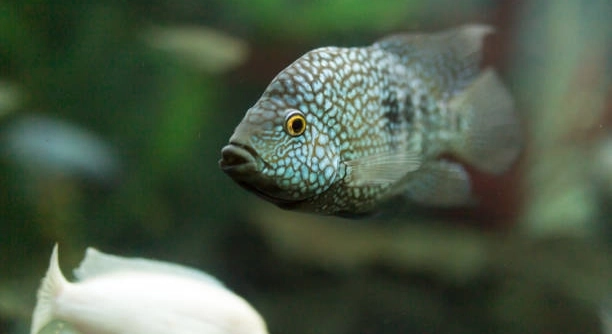
Many fish keepers enjoy creating beautiful and functional aquariums. However, Jack Dempsey fish are known for their strong territorial behavior. Choosing the right tank layout is essential to reduce stress and maintain harmony among tank mates.
Jack Dempsey fish dislike overly open or cluttered tank designs. Ideal layouts include ample hiding spots, moderate decorations, and clear swimming areas to balance territory control and visual enrichment while minimizing aggression and stress. Proper placement of rocks, plants, and structures is crucial.
Knowing the right layouts can prevent conflicts and improve your fish’s well-being, making your aquarium a more peaceful and enjoyable environment.
Open Layouts
Open layouts give Jack Dempsey fish plenty of swimming space, which helps reduce stress and limits aggressive encounters. Large, unobstructed areas allow fish to establish territories without constant conflict, while still providing room for exercise and exploration. This layout works best when hiding spots are placed along the edges. Rocks or tall plants at the corners create boundaries without blocking the central area. Avoid overcrowding decorations, as too many obstacles can trigger fighting. Open layouts also make water maintenance easier and improve circulation, which benefits the health of both the fish and the plants. While simple, this design encourages natural behavior and allows the fish to move freely. Careful placement of substrate and a few sturdy ornaments helps maintain structure without compromising openness. Many keepers find this approach balances aesthetics and functionality.
Open layouts help fish feel secure while keeping aggression manageable and tank upkeep straightforward.
For an open design, I like to place driftwood and broad-leafed plants near the back and sides. This keeps the center free while offering visual interest. Sand or fine gravel substrate gives the tank a natural look, and a few smooth rocks create minor territories. Open layouts are particularly effective for single Jack Dempsey setups or tanks with only one other compatible species. I’ve noticed that fish are calmer and display less chasing behavior, which reduces stress injuries. Lighting should be moderate to highlight decorations without overwhelming the fish. Frequent water changes and proper filtration complement the open layout, keeping the environment healthy. Even with minimal decorations, the tank can look lively and appealing, while promoting the well-being of your fish.
Heavily Planted Layouts
Heavily planted layouts provide hiding places and visual barriers that Jack Dempsey fish use to feel safe and establish territories.
Dense plant arrangements help reduce aggression by breaking sight lines between fish, giving each its own area. Plants like Java fern, Anubias, and Amazon sword are sturdy enough to withstand occasional digging. Placing taller plants at the back and sides creates depth and maintains swimming space in the center. Floating plants add overhead cover, giving shy or stressed fish a place to retreat. Heavily planted setups mimic natural environments, encouraging natural behaviors such as grazing and exploring. Proper lighting ensures plants thrive without causing excessive algae growth. Substrate choice is also important; nutrient-rich soil supports plant growth while giving fish areas to dig safely. In my experience, a planted tank not only looks calming but also balances aggression, making daily care easier. Regular trimming and maintenance prevent overgrowth and ensure water circulation remains adequate. Over time, plants create microhabitats that support overall tank health.
Rock and Cave Layouts
Rocks and caves give Jack Dempsey fish defined territories and hiding spots. This reduces stress and limits aggressive encounters. Strategically placed caves encourage natural behavior while providing a safe retreat when fish feel threatened.
I usually arrange rocks to form small caves along the tank edges. Larger rocks go at the bottom, with smaller ones stacked to create tunnels. Smooth surfaces prevent injuries while giving fish secure spaces. Caves near plants or corners help break up sight lines, minimizing disputes. Fish often claim one cave as their own, which naturally controls aggression. I’ve seen this setup keep multiple fish calmer and reduce chasing, especially when paired with an open center area.
Cave layouts also add visual interest. Using varied rock textures and sizes creates depth. Some fish explore tunnels repeatedly, showing natural curiosity. The design makes cleaning manageable, as open swimming areas remain accessible while hiding spots provide security. Over time, I notice fish returning to preferred caves, which stabilizes tank dynamics and improves overall well-being.
Driftwood-Focused Layouts
Driftwood provides shelter, climbing surfaces, and a natural look while offering Jack Dempsey fish visual boundaries to claim territory. It softens aggression and encourages exploration.
I place large driftwood pieces along the back or sides, leaving a clear central swimming area. Branches and knots create hiding spots and partially block line of sight between fish. Soft lighting highlights textures and creates shade beneath driftwood. Pairing wood with plants enhances natural aesthetics while improving water quality, as tannins slightly lower pH and mimic natural habitats. Multiple driftwood pieces can divide the tank into micro-territories, reducing disputes. Fish often interact with wood by grazing or rubbing against surfaces. Regular cleaning prevents debris buildup while preserving natural charm.
Driftwood-focused tanks balance beauty and function. Choosing wood that is safe, smooth, and stable prevents accidents. Arranging pieces to create pathways and retreat areas allows fish to move freely without feeling exposed. Combined with open swimming space and a few plants, this layout supports both the physical and behavioral needs of Jack Dempsey fish. I’ve found that fish become more confident, showing natural patterns while aggression is noticeably reduced, especially in multi-fish tanks. Proper placement ensures stability, avoids toppling, and creates a visually appealing habitat that looks lively yet controlled.
Sand and Gravel Zones
Creating zones with sand and gravel helps Jack Dempsey fish establish boundaries and reduces fighting. Different textures give them areas to dig, explore, and claim, making tank life calmer and more structured.
I often place sand in the front for open digging and gravel near rocks or plants. This separation supports natural behavior while keeping the tank visually organized. Fish quickly learn where they can dig safely, which lowers stress and prevents substrate conflicts. The combination also makes cleaning easier, as debris collects differently on each surface.
Minimalist Layouts
Minimalist layouts focus on open swimming space with a few essential decorations. This style allows Jack Dempsey fish to move freely while still having limited hiding spots. Fewer obstacles reduce aggression because fish cannot feel crowded, and their territories are easier to establish. Plants or rocks are placed sparingly along edges to maintain structure without restricting movement. I prefer using a simple background and neutral substrate to highlight the fish and create a clean look. Minimalist designs make maintenance straightforward and let fish behavior be easily observed, ensuring a peaceful and functional aquarium.
Floating Plant Cover
Floating plants provide shade and security, softening aggressive behavior. They create a natural barrier above the tank, helping fish feel less exposed.
FAQ
What type of substrate is best for Jack Dempsey fish?
I usually choose a soft sand substrate because Jack Dempsey fish like to dig and rearrange their tank. Sand prevents injuries to their delicate mouths and fins, unlike sharp gravel. A thin layer of gravel can be added near decorations to help anchor plants, but I keep the central area sandy. This setup allows natural digging behavior while keeping the tank safe and visually appealing.
How many hiding spots should I include?
Providing at least one cave or hiding spot per fish is essential. For multiple Jack Dempsey fish, I add extra caves and rock formations to reduce aggression. Hiding spots allow fish to establish territories, retreat when stressed, and avoid constant chasing. Driftwood, rocks, and dense plants work well as shelters. I place these along the edges to keep the center open for swimming.
Do Jack Dempsey fish need plants?
Plants are not required, but they are highly beneficial. They create shade, break up sight lines, and give fish a sense of security. Hardy plants like Anubias, Java fern, and Amazon swords survive digging and occasional nipping. Floating plants provide additional cover and help mimic natural habitats. I’ve noticed that tanks with plants have calmer fish and fewer territorial disputes.
How large should the tank be?
Jack Dempsey fish need space to reduce stress and aggression. A single adult requires at least a 55-gallon tank. For a pair or a community setup, 75–100 gallons is ideal. Larger tanks give fish room to establish territories and reduce constant conflict. Open swimming space combined with structured hiding areas creates a balanced environment. I find that tank size directly impacts fish behavior and health.
Can Jack Dempsey fish live with other species?
Yes, but careful selection is necessary. Peaceful, similarly sized fish work best. Avoid small or slow-moving species that could become targets. I usually pair them with robust cichlids or mid-sized schooling fish. Providing separate territories, caves, and visual barriers ensures less aggression. Observing fish interactions regularly helps prevent bullying and stress.
How often should I clean the tank?
Regular maintenance is key to healthy Jack Dempsey fish. I do partial water changes weekly, about 20–25%, and clean the substrate with a siphon to remove debris. Decorations and plants are checked for algae buildup. Proper filtration reduces the need for frequent full cleanings. Maintaining water quality minimizes stress and keeps fish active and vibrant.
What decorations are safe for Jack Dempsey fish?
Smooth rocks, driftwood, and sturdy plants are ideal. Avoid sharp edges that could injure fins or mouths. I like using natural-looking caves and logs for hiding spaces. Decorations should be stable and heavy enough to resist digging. Positioning them along edges or corners maintains open swimming areas and keeps fish safe.
Do Jack Dempsey fish need dim lighting?
Moderate lighting is sufficient. Too bright light can stress the fish, especially in open tanks. I combine floating plants or shaded areas under driftwood to diffuse lighting. Adjusting light duration to about 8–10 hours daily mimics natural conditions and encourages natural behaviors like foraging and territorial displays.
What water parameters are ideal?
Jack Dempsey fish thrive in slightly acidic to neutral water, pH 6.5–7.5, with a temperature between 74–82°F (23–28°C). Maintaining stable conditions reduces stress and supports coloration. I regularly test pH, temperature, and hardness, adjusting as needed to keep fish healthy. Proper filtration and gentle water flow are also important.
How can I reduce aggression in a tank?
Providing hiding spots, visual barriers, and ample swimming space helps control aggression. Avoid overcrowding and match fish sizes. I often use a mix of rocks, caves, plants, and driftwood to create distinct territories. Open central areas allow movement while edges provide security. Monitoring fish behavior and separating aggressive individuals when necessary prevents injuries.
Can Jack Dempsey fish coexist in a planted tank?
Yes, but choose hardy plants. Java fern, Anubias, and Amazon sword survive digging and occasional nipping. I reinforce plant bases with rocks or pots to prevent uprooting. Floating plants can help reduce stress and offer cover. A balance of open swimming space and planted areas supports natural behavior and tank harmony.
Do Jack Dempsey fish need a strict feeding schedule?
Consistency is key, but flexibility is allowed. I feed adult fish once or twice daily, offering a mix of pellets, live, or frozen food. Avoid overfeeding, which can pollute water and cause health issues. Feeding in small portions ensures all fish get nutrients while maintaining tank cleanliness.
What is the best tank layout for multiple Jack Dempsey fish?
Multiple fish need defined territories. I use a combination of caves, driftwood, rocks, and dense plants along edges. Open swimming space in the center prevents constant fighting. This arrangement allows fish to claim their own areas and retreat when stressed. Observing behavior helps adjust decoration placement to balance aggression.
Are floating plants necessary in a Jack Dempsey tank?
Not required, but highly beneficial. Floating plants reduce stress, soften light, and provide cover. They help fish feel secure, break line of sight, and mimic natural habitats. I often place them above caves or open swimming zones. This small addition can significantly improve behavior and overall tank harmony.
How can I encourage natural behavior?
Providing varied terrain, hiding spots, and open swimming areas promotes natural digging, foraging, and territorial behaviors. I mix sand, gravel, rocks, driftwood, and plants to create a stimulating environment. Regular observation ensures fish interact safely while showing natural habits. Proper care and layout create a healthy, balanced tank environment.
This FAQ covers most common concerns, helping maintain calm, healthy Jack Dempsey fish while keeping the tank manageable and visually appealing.
Final Thoughts
Jack Dempsey fish are beautiful and bold, but they require careful attention to tank layout to thrive. Their natural territorial instincts mean that a poorly arranged tank can lead to stress, aggression, and injuries. Providing a mix of open swimming space and defined hiding spots is essential. Open areas allow the fish to move freely and establish dominance without constant conflict. Hiding spots such as caves, rocks, and driftwood give them security and places to retreat when stressed. Plants, both rooted and floating, add cover and help soften sight lines between fish. Even a few well-placed decorations can make a big difference in reducing aggressive behavior while maintaining a visually appealing tank. When planning a tank, considering both aesthetics and function ensures a healthier, calmer environment.
Tank substrate also plays an important role in Jack Dempsey care. Soft sand is ideal because it allows natural digging behavior without harming their mouths or fins. Gravel can be used near plants or rocks to anchor them, but the center should remain sandy for open swimming. Floating plants and shade from driftwood help mimic natural conditions, which reduces stress and encourages natural behavior. Lighting should be moderate, and water parameters kept stable, with temperatures between 74–82°F and a pH near neutral. Consistency in these conditions supports fish health and coloration. A clean, well-maintained tank reduces disease risk and promotes longevity. Regular water changes, filtration checks, and careful observation of fish behavior allow early intervention if aggression or stress arises.
Finally, creating a balanced environment for Jack Dempsey fish is about observing their behavior and adjusting the tank accordingly. Multiple fish can coexist if there is sufficient space and territories are clearly defined. Overcrowding or poorly arranged decorations often increase fighting. Driftwood, caves, and plants should be arranged to create visual boundaries while leaving open swimming areas. Minimalist layouts, open zones, or heavily planted tanks can all work when planned thoughtfully. By paying attention to their natural instincts, behavior, and needs, tank owners can maintain a peaceful and thriving aquarium. A well-designed tank not only reduces aggression but also allows fish to display their natural patterns and personality. Careful planning, proper decorations, and regular maintenance result in a healthy, calm, and visually pleasing tank that supports both the fish and the keeper’s enjoyment.

Hello,
If you enjoy the content that we create, please consider saying a "Thank You!" by leaving a tip.
Every little bit helps us continue crafting quality advice that supports the health, happiness, and well-being of pets around the world, for pets of all shapes, sizes, and species.
We really appreciate the kindness and support that you show us!