
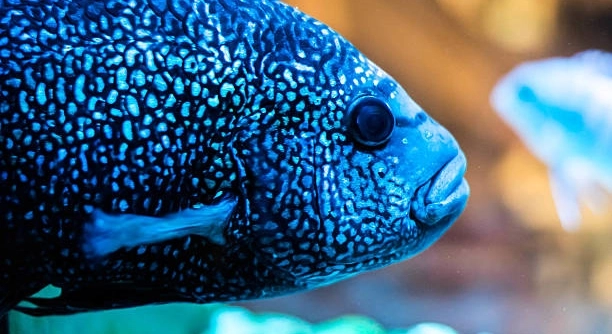
Have you ever noticed your Dempsey cichlids constantly chasing each other, leaving your tank messy and stressful? Aggression can disrupt the harmony of your aquarium, making it harder to enjoy watching your fish thrive and grow.
Reducing Dempsey fights can be achieved by careful tank design. Incorporating hiding spots, visual barriers, and clear territories helps limit aggressive encounters and creates a more balanced environment for the fish. Strategic layout is essential for long-term tank stability.
Small adjustments in tank setup can make a significant difference. Thoughtful placement of decorations and plants promotes calm behavior and healthier interactions among your Dempseys.
Create Clear Territories
Dempseys are naturally territorial, and without clear boundaries, fights are almost inevitable. Start by dividing the tank into separate zones using rocks, driftwood, and plants. Each fish should have its own space to retreat and feel secure. Open areas should be limited, as they often encourage chasing and dominance displays. Rocks and caves work well as both hiding spots and markers for territory lines. Live plants not only provide cover but also break sightlines, reducing stress from constant visual contact. Avoid overcrowding, as too many fish in a small area will increase conflicts regardless of tank layout. Observing your fish regularly helps identify which areas are most contested and may need adjustments. Changing the arrangement gradually allows Dempseys to adapt without causing sudden spikes in aggression. This method promotes a calmer environment where each fish has a place it can claim, reducing constant skirmishes and stress.
Separating territories visually and physically can significantly lower aggressive behavior and make the tank more peaceful overall.
A well-defined territory helps fish establish routines and reduces the need for constant competition. By placing rocks and plants strategically, you encourage natural behavior without forcing interactions. Fish are less likely to chase each other when they have clear boundaries and plenty of hiding spots. Gradual adjustments keep the tank balanced and prevent sudden disputes. Observing fish preferences can inform future layout changes, ensuring each individual feels secure.
Use Hiding Spots Effectively
Hiding spots give Dempseys a sense of security and reduce aggressive encounters.
Caves, plants, and rock formations provide refuge and allow fish to escape from dominant tank mates. Multiple hiding areas ensure that weaker fish are not cornered. Avoid placing all hides in one area, as this can cause clustering and conflicts. Rotate decorations occasionally to prevent territorial disputes over specific spots. Fish will naturally explore new shelters, reducing boredom and stress. Choosing a mix of open and enclosed spaces supports both social interaction and personal retreat. Observation helps determine which areas are preferred and may need reinforcement. Materials should be safe and stable to prevent injuries during fights. Proper lighting and placement enhance the sense of security for shy or aggressive fish alike. By creating a varied and thoughtful environment, the tank becomes less stressful and more harmonious.
Providing multiple, well-placed hiding spots encourages natural behavior and reduces tension among Dempseys. Carefully positioned shelters allow fish to rest, explore, and avoid unnecessary aggression. Over time, this promotes healthier interactions and a calmer atmosphere. Varying the types of hiding spots—rocks, caves, and plants—ensures that all fish have options suited to their temperament. Avoid overcrowding shelters, as this can increase disputes. Observing usage patterns allows for adjustments that maintain balance and security. Combining visual barriers with safe retreats creates a tank where fish feel protected, resulting in less chasing and more peaceful coexistence. Thoughtful placement improves both the mental well-being of the fish and the overall enjoyment of the tank.
Arrange Rocks and Decorations Strategically
Placing rocks and decorations carefully helps break sightlines and reduces direct confrontation. Avoid open spaces where dominant fish can easily chase others. Multiple levels and clusters allow fish to claim areas without constant overlap. Stability is key to prevent accidents during fights.
Rocks and decorations create natural barriers that Dempseys can use to navigate the tank safely. Grouping items into small clusters allows weaker fish to escape and rest without being pursued. Avoid placing all rocks in one corner, as it can lead to territorial disputes. Use tall decorations near edges and lower structures in open areas to guide movement. Consider layering rocks to make climbing or jumping difficult, which can reduce sudden aggressive bursts. Stable placement prevents collapses that might injure fish or trigger fights over fallen territories. Thoughtful arrangements can make the tank feel larger while giving each fish a personal zone.
Decorations also serve as visual stops for fish moving across the tank. By creating a mix of tall, short, and medium structures, you allow fish to establish preferred areas. Clusters near corners provide refuge, while open spaces encourage swimming without direct confrontation. Plants between rocks soften sightlines and add additional hiding spots. Alternating heights prevents dominant fish from monopolizing space. Careful observation helps identify areas where conflicts still occur, allowing adjustments. Over time, structured layouts reduce chasing and create a calmer environment. The combination of rocks, plants, and caves gives each Dempsey choice, promoting peaceful interactions and less stress throughout the tank.
Control Lighting and Shadows
Proper lighting reduces stress and limits aggression by preventing overly bright, exposed areas. Use dimmer lights or floating plants to soften harsh illumination.
Lighting affects fish behavior and mood. Bright, uniform lighting can make Dempseys feel exposed, triggering territorial disputes. Floating plants and shaded areas create pockets of darkness, allowing timid fish to rest safely. Adjust light duration and intensity to mimic natural cycles, reducing constant activity and potential fights. Shadows from decorations also help fish define territories without direct aggression. Monitoring how fish react to lighting changes is essential. Sudden changes can increase stress and provoke more frequent skirmishes. Subtle adjustments provide visual relief and promote calmer interactions.
Shadows and lighting work together to create a balanced environment. Strategic placement of lights, combined with tall plants or rocks, generates areas where fish can hide and recover. Properly diffused lighting prevents overstimulation and reduces constant chasing. Rotating decorations slightly changes shadow patterns, keeping the tank visually interesting and allowing fish to explore safely. Fish often claim shaded areas as personal zones, naturally decreasing conflicts. Light cycles that mimic natural daylight and dusk further support normal behavior. These simple adjustments can have a major impact on overall tank harmony, making aggression less frequent and daily observation more enjoyable.
Introduce Visual Barriers
Visual barriers help break lines of sight and reduce chasing. Plants, rocks, or tank dividers create sections that give Dempseys space to feel secure. Proper placement minimizes confrontations and encourages calmer behavior.
Barriers also allow fish to retreat without being followed. Layering plants or arranging decorations strategically prevents dominant fish from constantly pursuing others, creating a more balanced environment.
Maintain Proper Tank Size
A larger tank reduces territorial stress and allows Dempseys to establish personal zones. Overcrowding increases aggression and limits natural behavior. Adequate swimming space is essential for calmer interactions.
Use Plants to Soften Aggression
Live or artificial plants create hiding spots, break sightlines, and reduce tension. Dense planting gives shy fish refuge and encourages natural behavior, which lowers aggression across the tank.
Monitor Fish Behavior Regularly
Observing interactions helps identify persistent conflicts. Early intervention prevents fights from escalating and ensures adjustments in tank layout maintain harmony.
FAQ
How many Dempseys can I keep in one tank?
Tank size and decoration play a major role in determining capacity. A minimum of 55 gallons is recommended for two Dempseys, with additional space for each extra fish. Crowding increases aggression, so ensuring enough territory and hiding spots is essential. Larger tanks allow fish to swim freely and claim personal areas. Observing behavior regularly helps decide whether the current number of fish is manageable or if adjustments are needed.
What decorations work best to reduce fighting?
Rocks, caves, and driftwood are effective for creating visual barriers and territories. Live plants help soften sightlines and provide hiding spots. Avoid overcrowding decorations in one area, as it can create contested zones. Multiple clusters distributed across the tank encourage natural exploration and reduce dominance disputes. Layering taller items near corners and shorter items in open spaces guides fish movement and provides security.
Can tank mates influence Dempsey aggression?
Yes, Dempseys are territorial and may attack smaller, slower, or less aggressive tank mates. Choosing compatible species reduces stress and aggression. Avoid housing them with overly aggressive fish, as it can escalate fights. Observe new introductions carefully, providing extra hiding spots to minimize conflicts. Spacing out decorations helps separate aggressive and timid fish. Proper planning of tank mates ensures a calmer, more balanced community.
Do lighting and shadows really matter?
Lighting affects fish comfort and stress levels. Bright, uniform lighting can make Dempseys feel exposed, triggering fights. Using floating plants or dimmers creates shaded areas where timid fish can hide. Shadows from rocks and decorations break lines of sight, naturally reducing territorial disputes. Light cycles that mimic natural day and night patterns also encourage calmer behavior. Adjusting lighting gradually avoids sudden stress spikes and keeps the tank peaceful.
How often should I rearrange the tank?
Frequent drastic changes can stress fish, but small, gradual adjustments help redistribute territories. Moving rocks or decorations slightly every few weeks can prevent long-term dominance over specific areas. Observing fish reactions after adjustments ensures changes reduce aggression rather than cause new disputes. Rearrangement should be subtle, maintaining stability while promoting exploration and natural behavior.
Will hiding spots stop all fights?
Hiding spots reduce stress and aggression but do not completely eliminate fights. Dempseys will still assert dominance occasionally. Multiple refuges and visual barriers help weaker fish recover and maintain balance. Over time, properly placed shelters minimize chasing, injuries, and constant territorial disputes, creating a calmer environment overall.
Should I separate fighting Dempseys?
If aggression leads to injuries or prolonged harassment, temporary separation is necessary. Using a divider or moving one fish to another tank allows recovery. After cooling off, reintroduce fish gradually with additional hiding spots to reduce stress and prevent future conflicts. Monitoring behavior closely ensures a safer, more harmonious tank environment.
How can I tell if my Dempseys are stressed?
Signs include constant chasing, torn fins, hiding excessively, or changes in appetite. Stress can also cause color fading or erratic swimming. Proper tank design, hiding spots, and adequate space help reduce these behaviors. Early detection allows quick intervention, preventing escalation and promoting long-term fish health.
Are artificial plants as effective as live plants?
Artificial plants can provide visual barriers and hiding spots similar to live plants. However, live plants offer extra benefits like oxygenation and water filtration. Both types reduce aggression by breaking sightlines, but mixing live and artificial plants can provide maximum coverage and options for territorial fish.
How important is regular observation?
Watching your Dempseys daily helps identify conflicts early, ensuring adjustments to layout, decorations, or hiding spots before serious fights occur. Consistent monitoring also tracks individual behavior, health, and stress levels. Regular observation allows proactive management, creating a more peaceful tank.
Can feeding schedules influence aggression?
Yes, regular feeding prevents competition-driven fights. Feeding multiple areas of the tank ensures all fish have access to food, reducing chasing and stress. Overfeeding can pollute the tank, so maintain balanced portions. Feeding routines also help Dempseys feel secure, supporting calmer interactions.
What is the best way to introduce new Dempseys?
Introduce new fish gradually with plenty of hiding spots. Using a divider initially allows them to observe each other without direct confrontation. Rearrange territories slightly to prevent immediate dominance by existing fish. Slow introductions reduce stress and give all fish a chance to establish personal zones safely.
Can water quality affect aggression?
Poor water quality increases stress, which can intensify aggressive behavior. Regular testing and maintenance of pH, temperature, and ammonia levels are essential. Stable water conditions help Dempseys remain calmer, reduce chasing, and support overall health. Clean water combined with proper tank design enhances a peaceful environment.
Is breeding a factor in aggression?
Yes, breeding pairs become highly territorial. Extra hiding spots, visual barriers, and sometimes separate tanks for fry prevent escalated fights. Recognizing breeding behavior early allows management of tank space and territories, protecting both adults and offspring.
Do tank backgrounds help reduce fights?
Solid or natural backgrounds limit external distractions and reduce stress. Fish feel more secure with less visual stimulation from outside the tank. Backgrounds combined with internal visual barriers contribute to calmer behavior and a more controlled environment.
Can rearranging hiding spots too often cause problems?
Frequent, drastic rearrangement stresses Dempseys, increasing aggression temporarily. Small, gradual changes work best to shift territories without triggering fights. Observing reactions after each adjustment ensures the tank remains balanced while still providing new options for exploration.
How long does it take for aggression to decrease?
With proper tank design, hiding spots, and monitoring, aggression can decrease within weeks. Patience is key, as Dempseys naturally establish dominance hierarchies. Consistent observation, territory management, and environmental adjustments help maintain long-term harmony in the tank.
Can water temperature influence fights?
Yes, temperature outside the ideal range can stress Dempseys, increasing aggression. Maintaining a stable 75–82°F range keeps them active but calm. Sudden fluctuations trigger chasing, fights, and territorial behavior, so a reliable heater and thermometer are essential.
Are there any natural ways to calm Dempseys?
Providing plenty of hiding spots, visual barriers, and a structured tank layout naturally reduces aggression. Proper feeding, consistent light cycles, and stable water conditions also help fish feel secure. These adjustments support calmer interactions without medication or chemical intervention.
Should I remove aggressive fish permanently?
If a fish continuously harms others despite adjustments, permanent removal may be necessary. Safety and health of all tank inhabitants come first. Temporary separation followed by careful monitoring can prevent escalation, but persistent aggressors may need a new home.
Can decorations mimic natural habitats effectively?
Yes, recreating rocky, planted environments similar to their natural habitat encourages normal behavior and reduces territorial disputes. Combining caves, rocks, and plants creates multiple zones and hiding spots, keeping fish occupied and less likely to fight.
Does water flow impact aggression?
Moderate water flow provides stimulation without stressing fish. Strong currents can increase agitation, causing Dempseys to chase or fight. Gentle circulation combined with hiding spots and visual barriers creates a balanced and calm tank environment.
How often should I check for injuries?
Daily observation ensures minor injuries are noticed early. Prompt care prevents infections and stress-related complications. Checking fins, scales, and overall behavior helps maintain a healthy, low-conflict tank.
Can rearranging rocks help resolve disputes?
Slight repositioning of rocks or decorations can shift territories and reduce ongoing conflicts. Avoid major changes, as sudden disruption can increase stress. Incremental adjustments allow fish to adapt and establish calmer interactions naturally.
Is adding more plants better than fewer?
More plants provide additional hiding spots and visual breaks, but overcrowding can reduce swimming space. Balance is key. Adequate coverage without blocking open areas gives fish options and reduces aggression while allowing natural movement and exploration.
Does tank color affect Dempsey behavior?
Subtle, natural-colored backgrounds and decorations help fish feel secure. Bright or reflective surfaces may trigger stress and chasing. Neutral tones combined with hiding spots promote calmer behavior and reduce territorial disputes.
How do I know if hiding spots are enough?
Observe if weaker fish have access without being chased. If fish constantly compete for shelters, more hiding spots or rearrangement is needed. Adequate coverage ensures all fish feel secure and reduces aggressive encounters.
Can seasonal changes impact aggression?
Temperature, light duration, and feeding patterns can vary seasonally, affecting behavior. Maintaining consistent conditions throughout the year helps Dempseys stay calmer and reduces seasonal spikes in aggression.
Is it okay to use tank dividers permanently?
Permanent dividers are useful for highly aggressive fish but limit interaction. Temporary use is preferred for establishing territories or during introductions. Dividers should be part of a broader strategy including hiding spots and tank layout.
Can stress from transport increase fighting?
Yes, new arrivals or recently moved fish may be more aggressive. Allow time to acclimate, provide hiding spots, and avoid sudden rearrangements. Patience reduces fights and helps new or stressed fish integrate safely.
Do Dempseys need social interaction to reduce aggression?
They benefit from observing other fish but require personal space. Proper tank design balances interaction with territory, preventing constant chasing while supporting normal social behavior.
How can I prevent dominance hierarchies from escalating?
Multiple hiding spots, visual barriers, and gradual rearrangement help weaker fish avoid constant harassment. Providing enough space and resources prevents escalation and maintains a balanced environment.
Should I isolate injured fish?
Yes, separating injured fish prevents further attacks and allows recovery. A small hospital tank or divider ensures safe healing without compromising the rest of the tank’s stability.
Does feeding location matter?
Distributing food in multiple spots reduces competition and chasing. Single feeding areas encourage fights, while spread-out portions allow calmer, more equitable feeding.
Can color intensity indicate stress?
Faded or dull colors may indicate stress from aggression or environmental factors. Proper tank layout, hiding spots, and calm conditions help maintain healthy coloration.
Are certain Dempsey personalities more aggressive?
Yes, individual temperament varies. Aggressive fish may require additional hiding spots, monitoring, or separation. Understanding personalities helps manage tank dynamics effectively.
How often should I rearrange hiding spots for long-term peace?
Small changes every few weeks prevent dominance over specific areas. Sudden, drastic moves can trigger fights, so gradual adjustments are safest.
Can adding small fish reduce aggression?
Small, fast-moving species may distract Dempseys temporarily but do not solve underlying territorial disputes. Focus on proper tank design and hiding spots for lasting results.
Is tank maintenance linked to aggression?
Yes, clean water, stable temperature, and proper filtration reduce stress. Stress increases territorial disputes, so regular maintenance supports a calmer tank environment.
Do Dempseys fight more at night?
They are generally less active at night, but inadequate hiding spots or bright lights can provoke nocturnal chasing. Properly shaded areas promote restful periods.
How can I tell if the tank layout is effective?
Fewer fights, calmer swimming, and use of hiding spots indicate success. Observing behavior regularly allows refinement and ensures each fish feels secure and territorial disputes remain minimal.
Creating a peaceful environment for Dempsey cichlids requires careful attention to tank design, decoration, and daily care. Aggression is natural for this species, but thoughtful adjustments can minimize stress and conflicts. Clear territories, hiding spots, and visual barriers are essential components that allow fish to establish personal zones without constant chasing. By placing rocks, caves, and plants strategically, you give weaker fish safe areas to retreat while allowing dominant individuals to claim their own spaces. Observing fish behavior regularly helps identify problem areas, enabling small adjustments before fights escalate. Even minor changes in layout can have a significant impact on the overall atmosphere of the tank, creating calmer interactions among all fish.
Lighting and water conditions also play a major role in reducing aggression. Proper light intensity and shaded areas help Dempseys feel secure, while stable water temperature and quality keep them healthy and less prone to stress-induced fights. Floating plants and soft shadows break sightlines, allowing timid fish to rest without being pursued. Maintaining clean water, balanced feeding schedules, and a stable environment supports normal behavior and prevents unnecessary competition. Gradual adjustments, rather than sudden changes, allow fish to adapt naturally, preserving the delicate balance of territory and hierarchy. Over time, these measures reduce constant chasing and create a tank where Dempseys can interact more peacefully, improving both their well-being and the overall enjoyment of observing them.
Patience is key when managing aggression in Dempsey cichlids. Even with careful planning, occasional skirmishes are normal as fish establish dominance and defend their space. The goal is not to eliminate all conflict but to reduce intensity and frequency, ensuring that interactions do not lead to injury or long-term stress. Incorporating multiple hiding spots, creating natural barriers, and monitoring tank dynamics consistently fosters a more harmonious environment. Thoughtful introductions of new fish, balanced social groups, and gradual rearrangement of decorations help maintain stability. With proper tank design and ongoing care, aggression becomes manageable, allowing Dempseys to display natural behaviors safely and giving you a more enjoyable and visually appealing aquarium to maintain.

Hello,
If you enjoy the content that we create, please consider saying a "Thank You!" by leaving a tip.
Every little bit helps us continue crafting quality advice that supports the health, happiness, and well-being of pets around the world, for pets of all shapes, sizes, and species.
We really appreciate the kindness and support that you show us!