
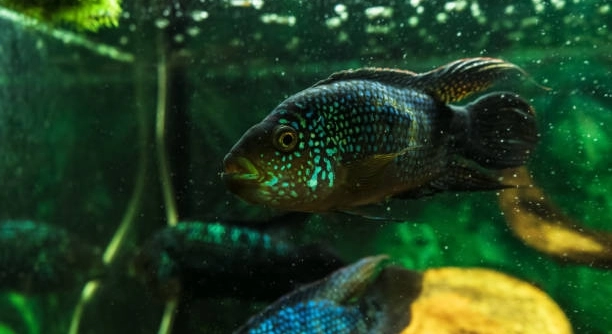
Keeping Jack Dempsey fish together can be rewarding, yet their behavior needs close attention. This article introduces simple signs that show whether these bold cichlids share space calmly or create stress within the aquarium environment.
Jack Dempsey fish are getting along when aggression is minimal, territories remain stable, and feeding occurs without disruption. Consistent coloration, normal swimming patterns, and absence of injuries indicate social compatibility and reduced stress within a shared aquatic environment over time.
Learning these behavioral cues helps prevent conflict, supports healthier tanks, and builds confidence when managing Jack Dempsey fish communities successfully.
Observing Daily Behavior in the Tank
Watching daily behavior offers the clearest insight into whether Jack Dempsey fish tolerate each other. Calm swimming, shared space, and predictable routines suggest balance. Occasional posturing is normal, but it should remain brief and controlled. Fin nipping, constant chasing, or hiding signal rising tension. I pay close attention during feeding times because food often triggers conflict. When fish eat without rushing or guarding, harmony is likely. Coloration also matters. Healthy fish maintain steady tones instead of dark stress markings. Movement should look purposeful, not frantic. Resting spots should rotate naturally rather than being defended nonstop. Over several days, patterns become clear. One isolated incident rarely defines success or failure. Consistency is what matters most. Stable behavior across mornings, evenings, and maintenance days indicates that the fish accept each other and feel secure in their shared environment. This observation routine reduces guesswork and supports better long term aquarium decisions overall health.
Short interactions can still reveal important signals. Brief flaring without pursuit shows boundaries. Balanced pairs recover quickly after contact. When separation ends aggression fast, coexistence is working. I rely on repeated calm outcomes, not isolated displays, to judge stability. This simple check keeps evaluations clear and consistent over time together.
Behavior should be evaluated alongside physical condition. Torn fins, missing scales, or faded color point to ongoing pressure. Healthy tank mates heal quickly and show steady growth. I also watch breathing rates, since rapid gill movement reflects stress. Sleep patterns matter as well. Fish that rest openly usually feel safe. Equipment noise, lighting shifts, and cleaning routines can temporarily change behavior, so timing matters. Observations taken at similar times provide clearer comparisons. Written notes help track change. When physical health aligns with calm conduct, compatibility is far more reliable. This alignment reduces losses and supports long term tank balance overall.
Managing Territory and Tank Conditions
Tank setup strongly influences how Jack Dempsey fish treat each other. Space, structure, and visibility shape behavior. Clear boundaries lower conflict. I notice better outcomes when decorations break lines of sight and provide multiple resting zones for equal access. This approach keeps dominance balanced and reduces repeated confrontations between fish.
Territory management requires planning before fish are added. Tank size should match adult growth, not juvenile appearance. Overcrowding compresses space and increases stress. I aim for stable layouts that avoid constant rearranging, since frequent changes reset boundaries. Rocks, caves, and plants should be placed to form natural divisions. Each fish needs at least one retreat that others cannot easily claim. Lighting should remain consistent, because sudden shifts can heighten tension. Feeding schedules also play a role. Regular portions reduce competition, while scattered feeding spreads attention. Water quality must remain steady. Poor conditions weaken resistance and amplify aggressive responses. I test parameters weekly and adjust slowly. Introducing new fish requires caution. Isolation boxes or visual barriers help reduce immediate conflict. Observation during the first days is critical. Calm adjustment periods often lead to lasting tolerance. When environment and routine support stability, Jack Dempsey fish are far more likely to coexist without ongoing issues. This stability lowers injury risk and simplifies care. Consistent results build confidence over time. I have found patience matters most. Rushing changes often creates setbacks. A measured approach allows fish to settle, establish order, and maintain predictable behavior within the aquarium long term with minimal stress overall daily.
Signs of Stress and Conflict
Stress signs appear quickly when Jack Dempsey fish are not getting along. Darkened colors, clamped fins, and constant hiding suggest discomfort. Repeated chasing or mouth locking shows tension escalating rather than settling through normal boundary displays over time. These patterns often worsen without environmental changes or intervention from the keeper.
Physical damage often follows prolonged stress. Torn fins, missing scales, and bite marks indicate repeated aggression. I check injuries daily, since small wounds worsen fast in poor conditions. Uneven growth also signals pressure, as weaker fish eat less. Rapid breathing and erratic swimming reflect anxiety. If one fish guards territory nonstop, balance is already failing. Separating individuals early prevents lasting harm. Waiting too long increases recovery time and disrupts tank stability. Addressing conflict promptly supports health and reduces unnecessary losses overall. Consistent monitoring allows small issues to be corrected before damage becomes permanent and spreads stress across the tank environment.
Behavior changes often appear before injuries. A fish that once explored may hover near the heater or corners. Reduced appetite is common and easy to miss. I watch feeding closely, noting who approaches first and who retreats. Skipped meals weaken immune response. Sleep patterns also shift, with stressed fish resting only in shadows. These signs together point to incompatibility. Early recognition allows layout changes, stocking adjustments, or separation. Small actions taken early protect long term tank balance and reduce ongoing strain. Consistency in observation makes these shifts easier to detect before conflicts escalate beyond control and disrupt daily care routines.
When to Intervene or Separate
Intervention becomes necessary when aggression persists daily without reduction. Continuous chasing, blocked access to food, or repeated injuries require action. I do not wait for severe damage. Temporary dividers help calm situations. Rearranging decor may reset boundaries. If stress remains high after adjustments, separation protects weaker fish and stabilizes the environment. Delays often increase recovery time and complicate future tank management. Clear decisions reduce losses and maintain consistent care routines for long term success overall.
Separation should be done calmly and with preparation. I match water parameters exactly to avoid added stress. Moving only one fish reduces chaos. Observation continues after separation, since recovery is gradual. Healing fins and steady appetite indicate improvement. If reintroduction is considered, it should happen slowly with visual barriers. Some pairs never regain tolerance, and that outcome is acceptable. Forcing coexistence often leads to repeat problems. Each fish responds differently based on size and temperament. Accepting limits protects health. Stable housing matters more than maintaining original stocking plans over time. I prefer permanent separation over repeated stress cycles. Long term stability improves behavior, color, and feeding consistency. This approach simplifies maintenance and reduces emotional strain for keepers while supporting predictable tank conditions consistently over time.
Tank Size and Stocking Balance
Tank size directly affects how Jack Dempsey fish interact daily. Limited space forces constant contact, raising tension. Larger tanks allow distance, escape routes, and calmer routines. I have seen aggression drop simply by increasing volume and rearranging existing equipment thoughtfully. This change supports stability and reduces stress over time overall.
Overstocking also disrupts social balance, even with proper filtration. Too many fish compete for space and food. I limit stocking carefully and avoid impulse additions. Fewer fish often display stronger color, steadier behavior, and improved health long term by reducing competition and allowing natural spacing within the tank daily conditions.
Feeding Behavior as a Compatibility Indicator
Feeding behavior offers clear evidence of compatibility. Peaceful tanks show orderly feeding with minimal rushing. I watch for equal access rather than speed. Dominant fish may eat first, but others should follow calmly. If one fish guards food aggressively, stress builds quickly. I spread food across the tank to reduce focus. Consistent feeding times create predictability. Skipped meals, frantic darting, or hiding during feeding indicate problems. Balanced feeding supports growth, immune strength, and stable behavior. Over time, calm feeding routines reflect acceptance and reduced conflict within shared space. This pattern remains reliable across age, size differences, and daily tank conditions.
Breeding and Behavioral Shifts
Breeding attempts change behavior quickly and should be monitored closely. Paired fish may defend areas more strongly. I increase observation during this period. Temporary aggression can be normal, but constant attacks signal incompatibility and require separation to protect tank stability and prevent injury, stress, and long term health decline risks.
How long does it take to know if Jack Dempsey fish are getting along?
Compatibility usually becomes clear within one to two weeks. I watch behavior daily during this period. Early tension may fade as territories form, but repeated chasing, hiding, or injuries after this window suggest ongoing issues. Consistency matters more than first impressions. Calm patterns over several days indicate acceptance.
Is occasional chasing normal for Jack Dempsey fish?
Short chasing bursts are common and not always negative. These fish establish boundaries through brief displays. I become concerned only when chasing is constant or targets the same fish repeatedly. Normal behavior resolves quickly. Prolonged pursuit signals imbalance and rising stress within the tank.
Do Jack Dempsey fish need to be kept in pairs to get along?
They do not require pairs to coexist peacefully. Some individuals tolerate tank mates better alone or in carefully planned groups. I focus more on temperament, space, and layout than pairing. Forced pairings often increase conflict instead of reducing it.
Can tank decor really affect how they behave with each other?
Yes, decor plays a major role. Visual barriers reduce confrontation by breaking direct lines of sight. I use rocks and caves to create separation. Open tanks increase contact and stress. Proper layout often improves behavior without needing to move fish.
What should I do if one fish always hides?
Constant hiding is a warning sign. It often means the fish feels threatened. I check for aggression, feeding access, and injuries. Adding shelters or adjusting decor may help. If hiding continues, separation is usually the safest option for recovery.
Does size difference affect compatibility?
Size differences matter greatly. Larger fish often dominate smaller ones, even without obvious aggression. I avoid mixing uneven sizes whenever possible. Smaller fish may eat less and weaken over time. Balanced sizing supports fair access to space and food.
Can Jack Dempsey fish calm down as they age?
Some individuals become less reactive with age, but this is not guaranteed. I have seen both outcomes. Relying on maturity alone is risky. Environment and stocking choices have a stronger influence on long term behavior than age.
Is it safe to reintroduce fish after separation?
Reintroduction can work, but it requires caution. I only try it after full healing and with visual barriers in place. Rearranging decor helps reset territory. If aggression resumes quickly, permanent separation is the better choice.
Do water conditions affect aggression levels?
Poor water quality increases stress and shortens tolerance. I test parameters weekly and avoid sudden changes. Stable conditions support calmer behavior. When water quality declines, even compatible fish may show conflict.
Should I remove the aggressive fish or the injured one?
I usually remove the injured fish first to allow healing. Removing the aggressor can disrupt the tank further. Each case differs, but protecting the weaker fish reduces losses and stress while decisions are made.
Understanding whether Jack Dempsey fish are getting along comes down to steady observation and realistic expectations. These fish are known for strong personalities, so calm behavior does not mean the absence of dominance. It means balance. When I focus on patterns instead of single events, decisions become clearer. A peaceful tank shows predictable routines, stable color, and normal feeding. Conflict shows repetition. Daily checks do not need to be complicated. Watching how fish move, rest, and react to each other provides enough information over time. Reacting too fast can be as harmful as waiting too long. The goal is not perfection but stability. Accepting that some tension is normal helps reduce unnecessary changes. Clear signs of stress, however, should never be ignored. Consistency in care allows fish to settle and display their natural behavior without constant disruption.
Tank management plays an equal role in long term success. Space, layout, and routine influence behavior more than many expect. I have found that small adjustments often lead to noticeable improvement. Rearranging decor, spreading food, or reducing stocking can shift dynamics quickly. Large changes should be made carefully and with patience. Jack Dempsey fish respond poorly to constant disturbance. Once a setup works, keeping it stable supports calmer interactions. It is also important to accept limits. Not every fish will tolerate tank mates, even under ideal conditions. Choosing separation is not failure. It is a responsible decision that protects health. Long term harmony is easier to maintain when each fish has enough space to behave naturally without pressure. This approach reduces stress for both the fish and the keeper.
Confidence grows with experience and careful attention. Over time, it becomes easier to recognize early warning signs and positive trends. I trust behavior more than assumptions based on species reputation. Each fish shows its own tolerance level. Keeping notes, even briefly, helps track changes that may otherwise go unnoticed. Compatibility is not fixed. It can shift with growth, breeding behavior, or environmental changes. Staying observant allows adjustments before problems escalate. A calm tank is the result of patience, structure, and informed choices. When those elements align, Jack Dempsey fish can coexist in a way that supports health, color, and predictable behavior. This steady balance is what makes long term care manageable and rewarding without constant intervention.

Hello,
If you enjoy the content that we create, please consider saying a "Thank You!" by leaving a tip.
Every little bit helps us continue crafting quality advice that supports the health, happiness, and well-being of pets around the world, for pets of all shapes, sizes, and species.
We really appreciate the kindness and support that you show us!