
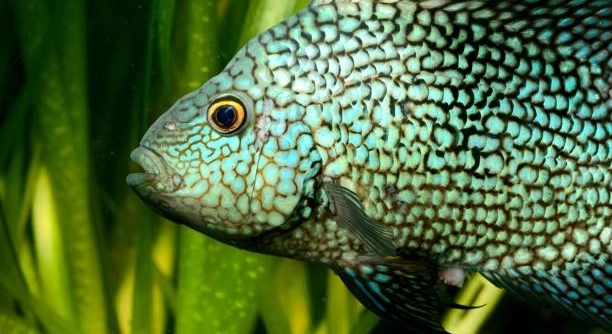
Caring for Jack Dempsey fish requires attention to small details that reflect overall wellbeing. Healthy signs are often visible in daily behavior, appearance, and movement, helping aquarists feel confident about their fish and aquarium conditions.
Indicators of health in Jack Dempsey fish include consistent appetite, stable coloration, clear eyes, intact fins, regular respiration, active swimming patterns, and appropriate social behavior. These characteristics collectively reflect proper nutrition, suitable water parameters, low stress levels, and physiological functioning.
Recognizing these signs early supports better care decisions and promotes a stable environment for long term vitality in home aquariums.
Healthy Appetite and Consistent Feeding Behavior
One of the clearest indicators of health in a Jack Dempsey fish is a steady appetite paired with calm feeding behavior. A healthy fish approaches food confidently, eats without hesitation, and shows interest during regular feeding times. Meals should be consistent, without sudden refusal or aggression. Balanced nutrition supports muscle tone, coloration, and immune strength. I have noticed that fish receiving varied, quality foods tend to maintain better energy levels throughout the day. Overfeeding should still be avoided, as excess food can lead to water quality problems that mask true health signals. Watching how your fish eats offers daily insight into its condition. Subtle changes, such as slower responses or skipped meals, often appear before physical symptoms develop, making feeding habits an important observation point for long term care. This simple routine helps me feel more connected while maintaining a clear understanding of my fish’s overall stability each day consistently.
Regular feeding responses are easy to track and rarely require special tools. Consistency matters more than speed. When appetite remains stable over time, it often reflects proper digestion, low stress, and suitable tank conditions. This pattern allows caretakers to notice small shifts before larger health concerns develop within the aquarium.
Loss of appetite should never be ignored, even if appearance seems normal. Skipped meals may signal stress, internal imbalance, or environmental changes affecting comfort. Temperature shifts, poor water quality, or incompatible tank mates often influence feeding behavior. I have learned that adjusting one factor at a time makes changes easier to evaluate. Monitoring food intake alongside other behaviors creates a clearer picture of health. Early awareness reduces the need for corrective measures later. A consistent feeding schedule also helps reinforce routine, supporting both physical health and behavioral stability over extended periods. This approach promotes calmer observation and confident care decisions.
Clear Eyes and Vibrant Coloration
Visual appearance offers immediate clues about a Jack Dempsey fish’s condition. Clear eyes, even coloration, and smooth skin usually indicate balanced health. Changes in shade or cloudiness often reflect stress or environmental imbalance that requires timely attention. These signs are easy to notice during daily observation without handling the fish.
Healthy coloration in Jack Dempsey fish appears rich and stable rather than dull or blotchy. Natural patterns remain defined, and color does not fade rapidly under normal lighting. Clear eyes should be free from haze, swelling, or visible damage. When I observe bright coloration paired with steady movement, it usually reflects low stress and suitable water chemistry. Poor lighting can sometimes distort perception, so consistent tank lighting helps with accurate assessment. Color loss may occur during brief stress, such as tank cleaning, but prolonged fading deserves attention. Regular water testing supports pigment health by maintaining proper pH and hardness. Diet also plays a role, as foods containing essential nutrients support skin and scale condition. Watching visual changes over time rather than isolated moments provides a more reliable understanding of overall health and stability. I find that keeping a simple observation routine reduces guesswork and prevents overreaction. Sudden changes are easier to spot when baseline appearance is familiar. Consistency in maintenance encourages steady coloration, clearer eyes, and calmer behavior, reinforcing the link between environment, nutrition, and visible wellness. This steady approach helps maintain confidence while supporting long term health through predictable, well managed aquarium conditions for daily care routines overall success.
Intact Fins and Balanced Body Condition
Intact fins and a well proportioned body often signal strong health in Jack Dempsey fish. Fins should appear smooth, open, and free from tears or fraying. The body should look full but not bloated, showing balanced growth and steady condition. This visual balance reflects proper care and stable living conditions.
Fin damage can develop quickly when water quality declines or stress levels rise. Sharp décor, aggressive tank mates, or sudden parameter changes often contribute to deterioration. I have found that maintaining clean water and appropriate space reduces fin wear significantly. Body condition also reflects feeding balance. A sunken belly may indicate underfeeding, while swelling may point to digestive strain. Observing shape from multiple angles helps avoid misjudgment. Regular maintenance routines support tissue repair and reduce irritation. Healthy fins regenerate over time when conditions improve, offering reassurance that corrective steps are working as intended during consistent observation and patient care practices.
Minor fin imperfections are not always alarming, but patterns matter. Repeated damage or slow healing suggests unresolved stressors. I pay attention to symmetry, as uneven wear may signal territorial issues. Body posture also matters. A healthy fish holds itself upright without strain. Clamped fins or curved posture often accompany discomfort. These signs appear before severe illness develops. Adjusting tank layout, reviewing diet, and reducing competition can restore balance. When fins regain shape and posture improves, it confirms the environment supports recovery and ongoing physical stability over time. This awareness helps guide calm decisions during routine care and long term monitoring.
Active Swimming and Steady Breathing
Active swimming paired with steady breathing reflects internal balance. A healthy Jack Dempsey moves with purpose, explores its space, and rests without gasping. Gill movement should appear smooth and regular, not rapid or labored. I notice that calm respiration often aligns with stable temperature and oxygen levels, reinforcing the importance of consistent filtration and gentle water flow within the aquarium. These patterns remain visible during daily observation without special equipment or intrusive handling methods used.
Erratic swimming or rapid breathing often points to environmental imbalance. Fish that hover near the surface or isolate themselves may be responding to low oxygen or poor water quality. I check parameters immediately when movement patterns change. Sudden bursts followed by long stillness can also signal fatigue or irritation. Consistent pacing along glass surfaces may indicate stress rather than curiosity. Maintaining proper aeration and avoiding overcrowding supports natural movement. Breathing rates stabilize when ammonia and nitrite remain controlled. Observing swimming rhythm at different times of day provides clearer insight. When motion appears fluid and breathing remains even, it reassures me that internal systems are functioning efficiently and external conditions remain supportive over extended periods. This consistency reduces uncertainty and supports confident long term care decisions.
Social Behavior and Interaction
Healthy Jack Dempsey fish display consistent social behavior. They interact appropriately with tank mates, showing curiosity without excessive aggression. Territorial disputes are brief and infrequent. Observing these interactions provides insight into stress levels and overall comfort within the aquarium environment.
Abnormal social patterns often indicate discomfort or environmental issues. Fish that hide constantly, chase excessively, or ignore other tank mates may be experiencing stress. Adjusting tank layout or reviewing water parameters usually improves behavior. I have noticed small changes in interaction often signal early issues before physical symptoms appear, making social observation a practical daily check for overall health.
Clear Eyes and Smooth Skin
Clear eyes and smooth skin reflect strong health. Eyes should appear bright and transparent without cloudiness, swelling, or injuries. Scales and skin should lie flat against the body without patches, lesions, or unusual texture. I check these features regularly to ensure no hidden problems develop.
Regular Response to Stimuli
Jack Dempsey fish that respond promptly to movement or feeding cues are generally healthy. Delayed or absent reactions may indicate stress, illness, or environmental issues. I monitor responses daily to track subtle changes and ensure timely care.
FAQ
How often should I feed my Jack Dempsey fish?
Feeding should occur once or twice a day with measured portions. Overfeeding can cause water quality problems, while underfeeding may affect growth and coloration. I usually give amounts the fish can finish within a few minutes, adjusting slightly depending on appetite and activity levels.
What type of food is best for maintaining their health?
A varied diet is key. High-quality pellets designed for cichlids, along with occasional live or frozen foods like brine shrimp or bloodworms, help maintain coloration, muscle tone, and energy. I rotate foods to provide nutrients and prevent boredom, which keeps their appetite steady.
How do I know if my fish is stressed?
Stress can show in several ways: clamped fins, faded coloration, erratic swimming, hiding excessively, or rapid breathing. I watch these signs daily. Identifying stress early allows me to adjust water parameters, tank layout, or social groupings before health problems appear.
What water parameters are ideal for Jack Dempsey fish?
They thrive in slightly hard water with a pH between 6.5 and 8.0 and temperatures around 74–81°F (23–27°C). Stable water conditions reduce stress and prevent disease. I check pH, hardness, and temperature at least weekly and make gradual adjustments when needed.
How important is tank size for their health?
Tank size greatly impacts behavior and growth. A minimum of 55 gallons is recommended for a single adult, with larger tanks required for multiple fish. I have found that providing sufficient space reduces aggression and supports natural swimming patterns.
Can Jack Dempsey fish live with other species?
They are moderately aggressive, so tank mates must be chosen carefully. Larger, non-aggressive cichlids often work best. I avoid small or overly passive species, as they may be stressed or injured. Monitoring interactions closely helps maintain a peaceful environment.
What are common signs of disease I should watch for?
Watch for white spots, fin rot, lethargy, bloating, or sudden changes in appetite. I track behavior and appearance daily. Early detection often makes treatment simpler and more effective. Maintaining clean water and proper nutrition reduces the likelihood of illness.
How often should I clean the tank?
Partial water changes of 20–30% every one to two weeks help maintain water quality. I also vacuum substrate and clean filters regularly to remove debris and waste. Keeping the environment stable prevents stress and supports healthy growth.
Do Jack Dempsey fish require decorations or hiding spaces?
Yes, they appreciate rocks, caves, and plants to establish territory and feel secure. I provide several hiding spots while leaving open swimming areas. This balance encourages natural behavior and reduces stress from territorial disputes.
What should I do if I notice sudden changes in behavior or appearance?
Immediate observation and water testing are essential. I check temperature, pH, ammonia, nitrite, and nitrate levels first. If parameters are normal, I review feeding, tank mates, and recent disturbances. Early action often prevents minor issues from becoming serious health problems.
How can I encourage vibrant coloration?
Balanced nutrition, clean water, and consistent lighting are key. I feed foods rich in carotenoids and provide natural or full-spectrum lighting for several hours a day. Avoiding sudden stressors helps maintain bright, stable colors over time.
Are Jack Dempsey fish sensitive to sudden changes in water?
Yes, they tolerate gradual adjustments better than sudden shifts. I acclimate new fish slowly and introduce water parameter changes in small increments to prevent stress and maintain steady health.
How long do Jack Dempsey fish typically live in captivity?
With proper care, they often live 8–10 years, sometimes longer. I focus on stable water conditions, balanced nutrition, and observing behavior consistently to support longevity and maintain a healthy, active fish.
Is it necessary to quarantine new fish before adding them to the tank?
Quarantining for 2–4 weeks reduces the risk of disease introduction. I keep new arrivals separate, monitor health, and treat minor issues early before introducing them to the main tank, which protects all existing fish.
Can I treat minor fin damage at home?
Yes, minor tears often heal if water quality is good. I keep the tank clean, monitor for signs of infection, and avoid stress from aggressive tank mates to support natural regeneration.
How do I know when a Jack Dempsey is ready to breed?
Adults with strong coloration, healthy fins, and stable weight may display pairing behavior. I observe courtship, nesting preparation, and protective behavior over selected areas. I make space for privacy and ensure water quality is optimal for egg development.
What role does temperature play in their activity?
Temperature affects metabolism and swimming patterns. Fish may slow down in cooler water or become overly active if too warm. I maintain stable temperatures within the recommended range to support natural behavior and reduce stress.
How can I prevent aggression in a community tank?
Providing ample space, hiding spots, and avoiding overly small or passive species reduces fights. I monitor interactions daily and separate fish if conflicts persist. Balanced feeding also reduces competition and territorial tension.
Are supplements necessary for Jack Dempsey fish?
Supplements are not always required if the diet is varied and nutrient-rich. I occasionally provide vitamin-enriched foods or live treats to support coloration and immune function, particularly during growth or after minor stress events.
What is the best way to monitor daily health?
Observation is the most reliable method. I watch swimming patterns, feeding behavior, coloration, and fin condition each day. Recording subtle changes helps identify issues early, making preventative care more effective and manageable over time.
This FAQ covers the most common concerns I have encountered while keeping Jack Dempsey fish. Regular observation, proper feeding, stable water conditions, and awareness of behavior patterns all play critical roles in maintaining their health consistently.
Caring for Jack Dempsey fish requires consistent attention to both their environment and daily behaviors. Observing their appetite, swimming patterns, coloration, and interactions provides clear insight into their overall health. Maintaining clean water, stable temperatures, and proper pH levels supports their immune system and reduces stress. I have found that regular monitoring and small adjustments in tank conditions make a noticeable difference in their activity levels and behavior. Over time, these practices become routine, allowing me to recognize subtle changes before they become serious problems. Paying attention to these details ensures the fish remain active, maintain vibrant coloration, and exhibit natural behaviors that reflect a healthy and balanced life.
Feeding also plays a key role in their wellbeing. A varied diet that includes high-quality pellets, occasional live or frozen foods, and nutrient-rich treats contributes to strong muscle tone, vivid coloration, and consistent energy levels. Overfeeding or underfeeding can disrupt their digestion and affect body condition, so careful measurement of daily portions is important. I have learned that observing their response to food is one of the simplest ways to check health, as changes in appetite often indicate stress or illness. Rotating foods and providing occasional dietary enrichment supports not only physical health but also mental stimulation, helping the fish remain engaged and active in their environment.
Finally, social behavior and interaction should never be overlooked. Jack Dempsey fish are territorial, and observing how they respond to tank mates can reveal a lot about their comfort and stress levels. Proper space, hiding spots, and careful selection of compatible species reduce aggression and promote calmer interactions. I pay close attention to their posture, fin condition, and general movement to ensure they are thriving in the tank environment. By combining careful observation, stable water conditions, balanced nutrition, and attention to social dynamics, it is possible to provide a home where Jack Dempsey fish can live long, healthy, and active lives. This consistent approach creates a stable environment that supports their natural behaviors and overall wellbeing.

Hello,
If you enjoy the content that we create, please consider saying a "Thank You!" by leaving a tip.
Every little bit helps us continue crafting quality advice that supports the health, happiness, and well-being of pets around the world, for pets of all shapes, sizes, and species.
We really appreciate the kindness and support that you show us!