
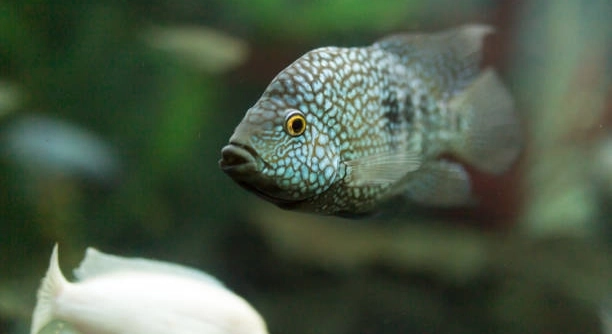
Have you ever noticed how closely Jack Dempseys bond with their partners? Their connections can be strong, yet delicate, requiring careful care. Observing them can be rewarding, but certain factors may quietly weaken these important pair bonds.
Jack Dempsey pair bonds are often disrupted by aggressive tank mates, lack of hiding spaces, poor water quality, inconsistent feeding, sudden environmental changes, overcrowding, and health problems. Each factor increases stress and can cause bonds to break or weaken over time.
Recognizing these issues helps maintain harmony in the tank. Adjusting care and environment supports lasting, peaceful relationships between bonded Jack Dempseys.
Aggressive Tank Mates
Aggressive fish in the same tank can create constant tension for Jack Dempseys. These cichlids are territorial, and the presence of overly aggressive or large tank mates can lead to stress and even injury. When stress levels rise, bonded pairs may separate to protect themselves, reducing their interactions and weakening their connection. Even minor harassment, like chasing or nipping, can disturb daily routines, feeding habits, and resting areas. Providing enough space and separating aggressive species is crucial. Observing behavior closely helps identify signs of stress early. A peaceful environment encourages natural pair bonding and allows both fish to interact without fear. Adjusting tank size, decor, and hiding spaces can prevent unnecessary conflict and support a stable, healthy relationship.
Pair bonds can deteriorate quickly if one or both fish feel threatened or unsafe in their surroundings.
Ensuring compatibility in the tank reduces aggression. Proper planning of tank mates, combined with monitoring and adjustments, helps maintain a strong bond and minimizes potential disruptions, allowing Jack Dempseys to thrive together.
Poor Water Quality
Dirty or unbalanced water is harmful to Jack Dempseys’ health and relationships.
Improper water conditions, including incorrect pH, ammonia spikes, or high nitrate levels, create stress. Stress weakens immune systems, makes fish irritable, and can break pair bonds.
Maintaining clean water is essential for their health and interactions. Frequent testing, partial water changes, and consistent filtration reduce toxins that can harm fish. Even small changes in water chemistry can cause discomfort or illness, making them more defensive or withdrawn. When both fish are stressed, they may stop displaying bonding behaviors, such as cleaning each other or sharing space. Setting up a routine maintenance schedule keeps the environment stable. Using proper substrates, plants, and hiding spots also supports their comfort. By monitoring water quality, owners can prevent stress-induced separation, ensuring that Jack Dempsey pairs remain healthy and connected for longer periods.
Insufficient Hiding Spaces
Without enough hiding spots, Jack Dempseys feel exposed and vulnerable, which can increase stress and lead to the breakdown of pair bonds.
Providing caves, rocks, and plants allows each fish to retreat when needed. Lack of shelter can cause constant chasing or avoidance behaviors. Hiding spaces reduce conflict, encourage natural behavior, and help fish feel secure. When both fish have safe areas, they interact more confidently and maintain their bond. Observing how often they use shelters can indicate comfort levels. Adjusting decor and arranging multiple hiding spots ensures neither fish feels threatened or confined.
Hiding spaces also provide privacy during breeding and resting periods. Ensuring sufficient coverage encourages interaction, reduces stress, and supports long-term stability between bonded Jack Dempseys.
Overcrowding
Overcrowding creates constant competition for space, food, and territory, which can weaken Jack Dempsey pair bonds. Stress levels rise, and interactions become more aggressive or avoidant.
A spacious tank is essential to maintain peace. Too many fish in a limited area forces pairs to compete for territory, leading to separation. Crowding reduces access to hiding spots and feeding zones, which increases stress. When fish cannot establish their own areas, their bond may suffer. Observing behavior in crowded conditions often shows signs of tension, such as chasing, nipping, or withdrawing. Proper tank planning, including size and stocking levels, ensures each fish has enough space to thrive without unnecessary conflict.
Maintaining an appropriate fish population also improves water quality and reduces aggressive encounters. Space allows bonded Jack Dempseys to interact freely, care for each other, and remain connected over time.
Inconsistent Feeding
Irregular feeding schedules can create stress for Jack Dempseys, affecting their behavior and weakening pair bonds. Consistent feeding times help maintain routine and reduce tension in the tank.
Skipping meals or overfeeding disrupts their comfort. Balanced, predictable feeding supports health and encourages bonding behaviors, keeping both fish calm and engaged.
Sudden Environmental Changes
Sudden changes, such as moving the tank, altering decorations, or adjusting lighting, can alarm Jack Dempseys. These changes create stress, which may cause pairs to separate temporarily or permanently. Maintaining a stable environment helps preserve their bond and reduces anxiety.
Health Issues
Illness or injury can weaken a Jack Dempsey’s ability to interact with its partner. Sick fish may hide, become aggressive, or withdraw, which strains the bond. Prompt attention and treatment are necessary to prevent long-term separation and restore normal behavior.
Overhandling
Frequent handling or disturbing the tank stresses Jack Dempseys. Stressful interactions can reduce trust between bonded fish, leading to avoidance or aggression and negatively impacting their relationship.
FAQ
What are the main signs that a Jack Dempsey pair bond is breaking?
One of the clearest signs is when the fish start avoiding each other. They may no longer swim together, share hiding spots, or engage in typical bonding behaviors. Increased aggression, chasing, or nipping is another indicator. A loss of coordinated feeding or protective behavior can also signal stress in the pair. Watching their interactions closely helps identify when the bond is weakening. Sometimes, subtle changes in posture, flaring, or hiding more often reveal early signs of tension. Recognizing these signs allows for timely adjustments to preserve their relationship and maintain a peaceful tank environment.
How can I prevent aggression between Jack Dempseys and other tank mates?
Choose compatible fish carefully, avoiding overly aggressive or territorial species. Provide enough space and multiple hiding areas so each fish can retreat when needed. Observing behavior during introductions is important; separating aggressive fish early prevents long-term stress. Consistent feeding routines reduce competition and tension. Monitoring water conditions and maintaining stable tank parameters also minimizes stress, which can trigger aggression.
Is tank size important for maintaining pair bonds?
Yes, tank size plays a critical role. Overcrowded conditions force competition for space, shelter, and food, increasing stress and causing pairs to separate. A larger tank with defined territories allows each fish to feel secure and encourages bonding behaviors. Proper layout with plants, rocks, and caves reduces conflict.
What role does water quality play in Jack Dempsey bonding?
High-quality water is essential. Poor water conditions, including high ammonia or nitrate levels, can stress the fish, making them more irritable and defensive. Consistent testing, filtration, and partial water changes create a stable environment. Stress from poor water quality reduces interactions, interrupts feeding routines, and weakens pair bonds over time.
Can diet affect pair bonding?
Yes, an inconsistent or poor diet can stress Jack Dempseys. Overfeeding can pollute the water, while irregular feeding creates tension. Balanced nutrition and predictable feeding times support health, reduce stress, and promote normal bonding behaviors, including mutual swimming and territory sharing.
How do hiding spaces impact pair bonds?
Hiding spaces are vital for reducing stress. Jack Dempseys need areas to retreat, rest, and feel secure. Lack of sufficient shelter can lead to constant chasing or avoidance, weakening their bond. Multiple caves, plants, and rocks help maintain peace and encourage natural social behaviors.
What should I do if one fish gets sick?
Illness can disrupt the bond. Sick fish often hide, become aggressive, or lose interest in interactions. Prompt treatment and separation if necessary prevent long-term damage. Maintaining clean water and a stress-free environment supports recovery and allows the pair to reconnect once both fish are healthy.
Can environmental changes break a pair bond?
Yes, sudden changes like rearranging the tank, moving decorations, or altering lighting can stress Jack Dempseys. They may become defensive or withdraw from their partner. Keeping a consistent, stable environment reduces anxiety and supports long-term bonding between pairs.
How does overhandling affect the fish?
Frequent handling or disturbance of the tank stresses the fish, which can reduce trust between bonded pairs. Stressed fish may hide or act aggressively, disrupting natural behaviors. Limiting interaction to necessary maintenance preserves their connection and maintains a calm tank atmosphere.
What is the best way to restore a weakened pair bond?
Identify and remove stressors such as aggressive tank mates, poor water quality, or overcrowding. Ensure sufficient hiding spots and a stable feeding routine. Observe behavior and give the fish time to reconnect naturally. Healthy conditions and minimal disruption encourage the pair to resume normal bonding behaviors.
How can I monitor long-term pair health?
Regular observation is key. Watch for coordinated swimming, mutual feeding, and shared territory use. Note any changes in behavior, aggression, or hiding patterns. Consistently maintaining water quality, tank layout, and feeding schedules supports ongoing health and helps prevent future bond disruptions.
Can stress from other fish species indirectly affect pair bonds?
Yes, even if the other fish do not directly attack, their presence can create tension. Constant activity, competition for food, or territorial displays increase stress, causing Jack Dempseys to withdraw from each other or display aggression, weakening the pair bond over time.
Are pair bonds permanent in Jack Dempseys?
No, bonds are strong but not permanent. Environmental stress, illness, aggression, or overcrowding can break them. Maintaining ideal conditions, monitoring interactions, and reducing stressors helps preserve the bond, but careful management is required to ensure long-term stability.
How important is routine in maintaining pair bonds?
Routine is extremely important. Consistent feeding, water maintenance, and environmental stability reduce stress. Predictable schedules allow fish to feel secure, interact naturally, and maintain normal bonding behaviors, strengthening their connection over time.
What immediate actions can prevent a bond from breaking?
Remove aggressive tank mates, increase hiding spaces, maintain water quality, and ensure proper feeding. Address illness quickly and minimize sudden changes. These steps reduce stress, encourage interaction, and help preserve the bond before issues escalate.
Can bonded Jack Dempseys be separated temporarily without breaking the bond?
Yes, temporary separation for health or safety reasons is possible. Ensure both fish have suitable environments and minimal stress. After a short period, reintroduce them gradually while monitoring behavior. Many pairs resume normal bonding if conditions remain stable and stress is minimized.
How does overcrowding influence long-term pair stability?
Overcrowding forces competition for food, territory, and hiding spots. Stress increases, and the bond may weaken as fish avoid each other or become aggressive. Adequate tank size and careful stocking are essential to ensure long-term stability and reduce tension between bonded pairs.
Can minor environmental adjustments improve pair bonds?
Yes, small changes like adding plants, rearranging hiding spots, or creating separate territories can reduce stress and encourage interaction. These adjustments provide security, improve comfort, and support natural bonding behaviors without causing significant disruption.
What is the role of observation in maintaining pair bonds?
Regular observation helps identify stress, aggression, or behavioral changes early. Monitoring interactions allows timely adjustments to environment, feeding, or tank mates, ensuring the bond remains strong and both fish stay healthy and connected.
How long does it take for a pair bond to recover after stress?
Recovery time varies depending on the severity of stress and environmental conditions. With proper care, adequate hiding spots, consistent feeding, and a stable environment, most pairs gradually resume normal interactions within days to weeks. Patience is key to reestablishing trust.
What common mistakes weaken pair bonds unintentionally?
Mistakes like overcrowding, inconsistent feeding, poor water maintenance, frequent handling, or introducing aggressive tank mates can all weaken bonds. Awareness and prevention are critical. Maintaining a calm, stable environment ensures the pair can thrive without unnecessary stress or disruption.
How do breeding behaviors affect pair bonds?
During breeding, Jack Dempseys require privacy and security. Insufficient hiding spots or disturbances during this period can increase stress and cause temporary separation. Supporting natural breeding behaviors with proper tank setup strengthens bonds and encourages long-term stability.
Are there signs that a bond has fully recovered?
Yes, resumed coordinated swimming, shared territory, mutual feeding, and normal interaction indicate recovery. The fish appear relaxed, confident, and display typical social behaviors, showing that stress has been minimized and the pair bond is stable.
What preventive measures maintain strong pair bonds over time?
Maintain clean water, proper tank size, sufficient hiding spots, consistent feeding, and compatible tank mates. Monitor health and behavior regularly. Avoid sudden environmental changes and overhandling. These preventive measures reduce stress and help Jack Dempseys maintain lasting, healthy bonds.
How do Jack Dempseys express affection or bonding?
Bonded fish often swim together, share hiding spots, and engage in mutual cleaning or guarding behavior. They may display coordinated movements and respond to each other’s presence, signaling trust and connection within the pair.
What environmental factors most commonly cause long-term separation?
Aggressive tank mates, overcrowding, poor water quality, and sudden environmental changes are the most common causes. Stress from these factors can lead to permanent separation if not addressed promptly.
How important is a consistent feeding schedule?
Extremely important. Consistent feeding reduces stress, prevents competition, and supports bonding behaviors. Predictable routines allow Jack Dempseys to interact confidently, maintain health, and preserve their connection over time.
Can adding decorations or plants improve pair interactions?
Yes, strategically placed plants and decorations create territories, provide security, and reduce conflict. This encourages natural behavior, allows private retreat, and strengthens pair bonds by minimizing stress and promoting comfort.
How do I know if environmental stress is affecting bonding?
Signs include increased aggression, hiding, reduced interaction, or withdrawal from the partner. Monitoring behavior alongside water quality, tank layout, and population density helps identify stressors affecting the pair.
What is the most important factor in maintaining a strong pair bond?
A stable, stress-free environment combined with proper care, consistent routines, and adequate space is the most important factor. These conditions allow Jack Dempseys to interact naturally, maintain trust, and keep their bond intact.
How often should I check on my Jack Dempsey pairs?
Daily observation is ideal. Watch for changes in swimming patterns, aggression, feeding behavior, and use of hiding spaces. Early detection of stress or illness prevents bond deterioration and supports long-term stability.
Can seasonal changes affect pair bonds?
Yes, changes in temperature, light, or water parameters due to seasonal shifts can stress fish. Monitoring conditions and making gradual adjustments helps maintain comfort and prevents bond disruption.
Are there specific tank mates that always cause issues?
Highly aggressive or fast-moving species often disrupt Jack Dempsey bonds. Avoiding territorial fish or those prone to chasing ensures the pair can interact peacefully and maintain their connection.
How long do Jack Dempsey pair bonds typically last?
With proper care, bonds can last for years. Maintaining stable conditions, monitoring health, and reducing stress are key to ensuring the pair remains connected and displays natural social behaviors throughout their life.
What is the role of water temperature in bonding?
Stable water temperature reduces stress and supports normal behavior. Sudden fluctuations can cause defensive behavior, withdrawal, or aggression, weakening bonds. Consistency promotes comfort and allows pairs to interact naturally.
Can bonds form again after permanent separation?
Re-pairing is possible but depends on temperament, age, and environment. Gradual introductions in a controlled, stress-free tank may lead to new bonds, though outcomes are not guaranteed. Patience and careful management are essential.
How does tank layout affect pair interactions?
A well-planned layout with territories, hiding spaces, and clear swimming paths reduces stress and competition. Proper organization encourages natural behavior, allowing pairs to interact confidently and maintain their bond over time.
What are the long-term benefits of a strong pair bond?
Stable bonds reduce stress, improve overall health, encourage natural behaviors, and support breeding success. Fish remain calmer, interact more, and exhibit stronger social connections in a stable, well-maintained environment.
How can I identify early signs of stress before it affects bonding?
Look for changes in swimming, increased hiding, decreased interaction, or unusual aggression. Monitoring tank conditions, population, and behavior helps detect stress early, preventing bond disruption and promoting long-term pair stability.
What maintenance routines support bonding long-term?
Consistent water testing, partial changes, proper feeding, and monitoring behavior are key. Avoid overcrowding, maintain hiding spaces, and limit disturbances to create a secure environment for the pair to thrive.
How important is observation during breeding?
Critical. Breeding periods increase stress and require privacy. Observing interactions ensures the pair is comfortable, reduces conflict, and supports the bond during this sensitive time.
Can minor illnesses permanently affect pair bonds?
If untreated, even minor illness can create lasting stress and weaken bonds. Prompt care, isolation if needed, and stable conditions allow recovery and help restore normal interactions.
Do Jack Dempseys ever form new bonds after separation?
Yes, but forming new bonds depends on temperament, age, and environment. Gradual, controlled introductions in a stress-free tank increase chances, though outcomes vary. Patience is essential for success.
How does lighting affect pair behavior?
Sudden or extreme changes in lighting can stress Jack Dempseys, reduce visibility of hiding spots, and cause defensive or withdrawn behavior. Stable, natural lighting supports comfort and bonding.
Can environmental enrichment improve pair stability?
Yes, adding plants, rocks, and caves creates secure territories, reduces stress, and encourages interaction. Enrichment allows natural behaviors, helping maintain long-term pair bonds.
What is the best approach to resolving minor conflicts between pairs?
Observe closely, provide additional hiding spaces, and ensure adequate food. Avoid sudden changes or overhandling. Minor adjustments can restore harmony and strengthen the bond over time.
How does water flow impact bonding?
Strong or uneven currents can stress Jack Dempseys, forcing them to expend energy and reducing interaction. Gentle, consistent flow allows normal swimming patterns and bonding behaviors.
Can seasonal water chemistry changes disrupt pairs?
Yes, natural variations in pH, hardness, or temperature can stress fish. Gradual adjustments and monitoring maintain stability, supporting continued interaction and reducing risk of bond disruption.
What are common mistakes in tank setup that harm pair bonds?
Overcrowding, lack of hiding spaces, incompatible tank mates, and poor water quality are common mistakes. These factors increase stress, reduce interaction, and can permanently weaken the pair’s bond.
How do I know when a bond is fully secure?
When fish swim together confidently, share hiding spots, and engage in mutual behaviors regularly, the bond is considered stable. Observing calm, consistent interaction indicates a healthy, secure pair relationship.
Can stress from feeding competition weaken bonds?
Yes, competition for food can cause aggression and withdrawal. Ensuring adequate feeding space, consistent schedules, and balanced nutrition reduces tension and supports natural bonding behaviors.
Are there behavioral changes that indicate a recovering bond?
Yes, increased interaction, coordinated swimming, shared territory use, and mutual grooming signal recovery. Calm and confident behavior shows that stress has been minimized and the pair is reconnecting.
What is the most common reason for permanent bond loss?
Persistent stress from aggression, overcrowding, illness, or environmental instability is the most common cause. Addressing these factors early can prevent permanent separation.
How do I create a stress-free environment for bonding?
Maintain clean water, stable temperature, hiding spots, compatible tank mates, and consistent routines. Minimize disturbances and monitor interactions regularly to support a secure, lasting pair bond.
Can multiple pair bonds exist in the same tank?
Yes, but each pair requires enough space and hiding areas to prevent stress and aggression. Careful planning and observation ensure multiple pairs can coexist peacefully.
What role does routine observation play in long-term success?
Daily monitoring identifies stress, illness, or behavioral changes early. Timely intervention preserves bonds, prevents conflict, and supports a stable, healthy environment for Jack Dempseys.
How does water hardness influence bonding?
Stable hardness supports comfort and normal behavior. Fluctuations can stress fish, reduce interaction, and disrupt bonding. Maintaining consistent parameters ensures a secure environment.
Can seasonal feeding adjustments affect pair stability?
Yes, changes in feeding frequency or diet quality can cause stress. Consistent, balanced nutrition supports health and bonding, maintaining peaceful interactions between pairs.
How important is tank decoration variety for bonds?
Variety provides territory boundaries, hiding spaces, and security, reducing stress. Well-arranged decor encourages interaction, natural behavior, and long-term bond maintenance.
What immediate steps prevent bond deterioration after stress?
Identify stressors, improve water quality, add hiding spots, adjust feeding, and minimize disturbances. Quick action reduces tension and allows pairs to reconnect naturally.
How can I tell if overhandling is affecting bonding?
Signs include hiding, aggression, reduced interaction, and increased stress. Limiting tank disturbance preserves trust and supports stable pair behavior.
Does water temperature consistency matter year-round?
Yes, maintaining steady temperature prevents stress, supports normal behavior, and encourages bonding. Sudden changes can trigger defensive or withdrawn behavior.
Can tank rearrangement ever improve bonds?
Strategic, minor rearrangements can reduce conflict, provide new hiding spots, and encourage interaction. Avoid sudden, drastic changes to prevent stress.
What is the best feeding strategy for bonded pairs?
Feed at consistent times, provide adequate space, and ensure balanced nutrition. Predictable routines reduce competition and support natural bonding behaviors.
How does stress affect long-term health of bonded pairs?
Chronic stress weakens immune systems, reduces interaction, and may lead to illness. Maintaining calm, stable conditions preserves both health and pair bonds.
Are there environmental factors that consistently strengthen bonds?
Stable water parameters, adequate space, hiding spots, compatible tank mates, and consistent feeding routines all encourage trust, interaction, and lasting pair connections.
What is the role of hiding spaces during conflict resolution?
Hiding spots allow fish to retreat, reduce stress, and prevent aggression. Access to safe areas helps restore calm and encourages normal bonding behaviors.
Can tank lighting schedules impact stress levels?
Yes, consistent and moderate lighting reduces stress. Sudden changes can disrupt routines and behavior, affecting the pair bond.
How do I safely reintroduce a separated pair?
Gradually reintroduce them in a controlled, stress-free tank. Provide hiding spots, monitor interactions, and maintain stable water conditions. Patience ensures trust rebuilds and bonding resumes.
What long-term benefits come from maintaining strong pair bonds?
Strong bonds reduce stress, encourage natural behavior, support breeding, and improve overall health. Fish remain confident, interactive, and connected throughout their life.
How does overcrowding indirectly affect bonding?
Even without direct aggression, overcrowding increases competition, stress, and withdrawal behaviors. Adequate space allows normal interaction and strengthens pair connections.
Can minor illnesses permanently weaken bonds?
Yes, untreated illness can cause stress, withdrawal, and aggression. Prompt care and stable conditions support recovery and restore normal interactions.
How do I monitor recovery after stress?
Observe swimming patterns, feeding, hiding, and interactions. Gradual return to normal behavior signals recovery and restored bonding.
Are there simple environmental changes that prevent bond loss?
Adding hiding spots, providing space, maintaining water quality, and consistent routines reduce stress and preserve connections between pairs.
What role does patience play in pair maintenance?
Patience allows fish to adjust to changes, recover from stress, and reconnect naturally. Rushed interventions can worsen tension and weaken bonds.
How often should I check water quality for bonded pairs?
Frequent monitoring is essential. Regular tests for pH, ammonia, nitrites, nitrates, and temperature maintain stability, reduce stress, and support long-term bonding.
Can tank enrichment prevent aggression?
Yes, providing plants, rocks, caves, and visual barriers reduces stress, territorial disputes, and
Final Thoughts
Maintaining strong pair bonds in Jack Dempseys requires careful attention to both their environment and daily care. These fish are naturally territorial and sensitive to stress, so even small changes can impact their interactions. Overcrowding, aggressive tank mates, poor water quality, and inconsistent feeding schedules are all common factors that weaken bonds. Providing sufficient space, hiding spots, and compatible companions helps reduce stress and allows the fish to interact naturally. A stable and well-organized tank encourages calm behavior, mutual care, and shared territory, which are essential components of a strong pair bond. Observing how each fish responds to its surroundings is equally important, as behavioral changes often indicate stress or discomfort before serious problems arise. By addressing these issues early, owners can prevent disruptions to the bond and support the fish’s overall health and well-being.
Routine maintenance and consistency play a significant role in supporting pair bonds. Regular water testing, partial water changes, and stable water parameters create a safe environment where both fish feel secure. Providing a predictable feeding schedule ensures that neither fish experiences competition or stress related to food. Hiding spots, decorations, and plants give each fish a sense of privacy and control over its territory. Even temporary separations, such as isolating a sick fish, should be managed carefully to minimize stress and maintain the connection between the pair. Gradual reintroductions in a calm environment allow the fish to rebuild trust and reestablish their bond. Small, consistent efforts in tank management and observation can have a significant impact on long-term success, reducing the likelihood of aggression, withdrawal, or permanent separation.
Understanding the behavior and needs of Jack Dempseys is key to sustaining their pair bonds over time. Stress from environmental changes, illness, or social tension can weaken relationships, but proactive care can prevent these issues. Observing interactions, adjusting tank conditions, and maintaining a stable routine are practical ways to encourage natural bonding behaviors. Bonded pairs often display coordinated swimming, shared hiding spaces, and mutual feeding, all signs of trust and comfort. By prioritizing these factors, owners can create a harmonious environment where the fish thrive, remain healthy, and maintain their connection. Long-term success depends on attention, patience, and careful planning, but the rewards include a peaceful tank, active interactions, and a strong, lasting pair bond between Jack Dempseys.

Hello,
If you enjoy the content that we create, please consider saying a "Thank You!" by leaving a tip.
Every little bit helps us continue crafting quality advice that supports the health, happiness, and well-being of pets around the world, for pets of all shapes, sizes, and species.
We really appreciate the kindness and support that you show us!