
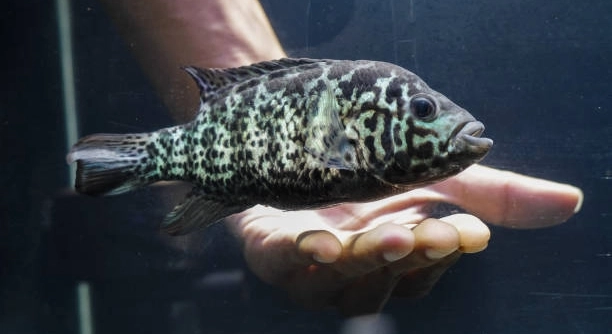
Is your fish turning away from its usual meals, leaving you unsure of what to do? Many fish owners experience this behavior, which can happen suddenly or gradually, and it may indicate changes in their environment or health.
When a fish refuses food, it can signal stress, illness, or changes in water conditions. Reduced appetite often reflects underlying health issues, making careful observation and timely intervention crucial to maintaining the fish’s well-being and proper nutrition.
Observing these behaviors early helps you address potential problems and ensure your fish remains healthy and active in its tank environment.
Common Reasons Your Fish Might Ignore Food
Sometimes, fish stop eating due to changes in their environment or health. Water temperature, pH levels, and tank cleanliness all affect appetite. Stress from overcrowding or aggressive tank mates can also make fish shy away from food. Illnesses like parasites or bacterial infections can reduce interest in eating, and these signs often appear before other symptoms. Even new decorations or sudden lighting changes can trigger temporary refusal. Diet changes, such as introducing new types of food too quickly, may also confuse your fish and lead to refusal. Observing your fish daily helps identify patterns, and small adjustments in feeding routines or tank care often restore appetite. Consistency in water maintenance and feeding schedule is key, as fish thrive on predictable conditions.
Paying attention to small changes in behavior or tank conditions can prevent minor issues from escalating into serious health problems for your fish.
A practical step is to isolate any sick fish in a quarantine tank. Offering familiar foods, adjusting water parameters slowly, and keeping the tank calm can help reduce stress. Monitoring their response to these changes provides insight into the underlying issue. If appetite does not return, consulting a veterinarian who specializes in fish may be necessary. By taking proactive measures early, you can often restore your fish’s eating habits before serious complications arise. Regular observation and consistent care remain essential for healthy, happy fish in any tank.
How to Encourage Your Fish to Eat
Start by offering foods your fish normally enjoy. Consistency in timing and type of food helps re-establish appetite.
Adjusting water temperature slightly to match the species’ natural preference can stimulate feeding. Ensuring clean, stable water and minimizing stress factors also plays a major role. Observing small behavioral cues helps identify when your fish is ready to eat.
If your fish continues to refuse food, try hand-feeding or offering live or frozen food to spark interest. Gradually reintroduce regular food once eating resumes. Monitor tank conditions carefully, keeping water clean and parameters stable. Overfeeding can worsen appetite loss, so feed in small portions. In persistent cases, checking for underlying disease or consulting a professional ensures proper treatment. Through patience and careful attention, most fish regain healthy eating habits, supporting overall vitality and growth in their tank environment.
Monitoring Water Quality
Water quality directly impacts a fish’s appetite. Poor water conditions, such as high ammonia or nitrite levels, can make fish feel unwell and avoid food. Regular testing and adjustments keep the tank safe. Stable water parameters support digestion and overall health.
Keeping the tank clean involves weekly partial water changes, checking filter function, and removing uneaten food. Measuring pH, ammonia, nitrite, and nitrate levels ensures the environment stays within safe ranges for your species. Sudden shifts in temperature or chemicals from cleaning products can stress fish, reducing feeding. Observing behavior alongside water readings helps identify problems early, allowing corrective action before appetite loss worsens.
Even minor changes in water quality, such as a sudden drop in temperature or increase in toxins, can discourage eating. Fish may linger at the bottom or hide, signaling discomfort. Maintaining a consistent feeding schedule in addition to clean, stable water can help restore normal appetite. Overfeeding should be avoided, as decaying food can worsen water quality. By combining careful observation with proper tank maintenance, you create conditions that encourage fish to feed regularly, supporting long-term health and activity.
Adjusting Diet and Feeding Habits
Offering a variety of foods can spark interest in eating. Rotating flakes, pellets, and occasional live or frozen options keeps meals appealing. Proper portion sizes prevent overfeeding and maintain water cleanliness.
Slowly introducing new foods alongside familiar options reduces stress. Observing preferences and feeding behavior provides insight into appetite patterns. Feeding at the same time daily creates a predictable routine. Avoid sudden diet changes, which can confuse fish and cause refusal. Small portions multiple times a day often work better than one large feeding. Keeping food near the surface or where fish normally feed encourages consumption. Noting which types your fish eagerly eat helps guide future meals.
Some species respond better to specific textures or flavors. For example, carnivorous fish may prefer protein-rich frozen food, while herbivores benefit from vegetable-based options. Overfeeding or offering unsuitable foods can lead to digestive issues and decreased interest in eating. Gradually transitioning new foods while maintaining tank conditions supports appetite recovery. Feeding in calm, low-stress conditions allows fish to feel secure, making them more likely to accept meals. Tracking daily feeding response and adjusting portions ensures consistent nutrition and long-term health.
Stress and Tank Environment
Stress can cause fish to stop eating. Overcrowding, aggressive tank mates, or sudden changes in lighting and decorations may make fish feel unsafe.
Providing hiding spots, maintaining a calm environment, and keeping compatible species together helps reduce stress. A predictable routine reassures fish and encourages feeding.
Signs of Illness
Fish refusing food may be showing early signs of illness. Lethargy, clamped fins, unusual swimming, or visible spots can indicate infection or parasites. Observing these symptoms promptly allows for faster intervention. Treatment often requires isolating affected fish and adjusting care to prevent spread.
Temperature Fluctuations
Sudden changes in water temperature can affect a fish’s appetite. Maintaining consistent, species-appropriate temperatures helps support digestion and feeding.
FAQ
Why is my fish ignoring food all of a sudden?
Sudden refusal to eat is usually linked to stress, illness, or changes in water quality. Overcrowding, aggressive tank mates, or sudden temperature shifts can make fish feel unsafe and uninterested in food. Minor infections or parasites can also reduce appetite before other symptoms appear. Observing behavior and checking water parameters can help identify the issue quickly.
How long can a fish go without eating?
Most healthy fish can go a few days without food, but this depends on species, age, and overall health. Young or sick fish may suffer faster from lack of food. Consistently monitoring your fish is key to preventing long-term problems caused by skipped meals.
Can water quality affect feeding habits?
Yes, poor water quality is one of the main reasons fish refuse food. High ammonia, nitrite, or nitrate levels, sudden pH changes, or unclean tanks can stress fish. Regular testing, partial water changes, and proper filtration are essential to maintaining appetite and overall health.
Should I try different foods if my fish refuses regular meals?
Offering a variety of foods can stimulate appetite. Rotating flakes, pellets, and frozen or live options often works best. Introduce new foods slowly alongside familiar ones. Pay attention to preferences, as some species respond better to certain textures or flavors, which can help restore eating habits.
Is it normal for fish to eat less sometimes?
Occasional reduced feeding can be normal, especially during seasonal changes or after a stressful event. However, persistent refusal over several days may signal an underlying problem. Monitoring water, diet, and behavior helps determine if intervention is needed.
Can stress from tank mates cause food refusal?
Yes, aggressive or overly active tank mates can intimidate shy fish. Providing hiding spots, creating territories, and keeping compatible species together reduces stress. A calm, predictable environment encourages fish to feel secure enough to eat normally.
How can I tell if my fish is sick?
Look for unusual swimming, lethargy, clamped fins, or visible spots. Loss of appetite often appears first. Early detection allows treatment before the condition worsens. Quarantine affected fish when necessary to prevent spreading illness and support recovery.
What steps can I take if my fish refuses food for several days?
Start by checking water quality, temperature, and tank conditions. Offer familiar foods in small portions, provide hiding places, and reduce stress. If appetite does not return, isolate the fish and consult a veterinarian specializing in aquatic animals for proper care and treatment.
Can feeding too much affect appetite?
Overfeeding can harm water quality, cause digestive issues, and reduce interest in food. Feeding smaller portions multiple times a day is usually better than one large meal. Removing uneaten food promptly prevents water problems that can further discourage eating.
Will my fish recover its appetite on its own?
Sometimes, appetite returns once stressors or minor illnesses are resolved. However, persistent refusal often requires intervention. Monitoring behavior, adjusting feeding habits, and ensuring clean, stable water conditions support recovery and prevent serious health issues.
Are there specific foods that encourage eating in sick fish?
High-quality, easily digestible foods like brine shrimp, daphnia, or softened flakes often entice reluctant eaters. Offering small portions multiple times helps stimulate appetite without overwhelming digestion. Gradually reintroducing their regular diet supports long-term feeding habits and overall health.
How important is a routine feeding schedule?
Fish benefit from predictable feeding times. A routine reduces stress and encourages consistent appetite. Feeding at the same time each day, with the correct portion size, helps fish feel secure and supports digestion.
Can temperature adjustments help restore appetite?
Yes, maintaining species-appropriate temperatures supports metabolism and digestion. Avoid sudden changes, as these can stress fish further. Gradual adjustments combined with consistent feeding often help reluctant fish start eating again.
When should I consult a veterinarian?
If your fish refuses food for more than a few days, shows signs of illness, or loses weight, professional advice is recommended. Early intervention improves recovery chances and ensures any underlying disease is treated effectively.
How do I prevent future feeding issues?
Maintain clean water, stable temperature, compatible tank mates, and a varied diet. Observing behavior regularly and addressing stressors promptly helps prevent appetite problems. Consistency in care and environment is the best way to support healthy feeding habits long-term.
What if my fish only eats certain foods?
Some fish develop preferences. Rotating preferred foods with nutritionally balanced options helps maintain interest and prevent nutrient deficiencies. Gradual introduction of new foods ensures they continue to receive a varied diet without rejecting meals.
Final Thoughts
Watching a fish refuse food can be worrying, but it is often a signal that something in their environment or health needs attention. Many reasons can cause this behavior, from stress and water quality issues to illness or dietary changes. Recognizing these signs early is important because appetite loss often appears before more obvious health problems. By observing your fish daily, you can notice subtle behavioral changes that indicate discomfort, such as hiding, lethargy, or unusual swimming patterns. These signs are your first clues to take action. Addressing small issues promptly can prevent them from becoming serious, and even minor adjustments in feeding habits or tank conditions can make a significant difference in restoring a fish’s normal appetite. Regularly monitoring water parameters, keeping tanks clean, and ensuring stable temperatures are foundational steps that support your fish’s overall health and feeding behavior.
Feeding habits are closely tied to both environmental stability and stress levels. Fish thrive on predictable routines and consistent conditions, and sudden changes can cause them to reject food temporarily. Overcrowded tanks, aggressive tank mates, or sudden alterations in lighting and decorations can all contribute to reduced appetite. Providing hiding spots, maintaining calm surroundings, and keeping compatible species together help fish feel secure. Diet also plays a role; offering a variety of high-quality foods and observing preferences can stimulate feeding. Gradually introducing new foods alongside familiar options allows your fish to adjust without stress. Avoid overfeeding, as uneaten food can decay, negatively affect water quality, and discourage eating. Paying attention to these factors ensures that feeding becomes a consistent, healthy practice rather than a source of worry.
If your fish continues to refuse food despite these adjustments, professional guidance may be necessary. Veterinarians specializing in aquatic animals can help diagnose underlying illnesses or provide treatment that restores appetite. Isolating sick fish in a quarantine tank, maintaining stable water conditions, and offering easily digestible foods often support recovery. Patience and careful observation are key, as regaining appetite may take time. Preventive measures, such as regular tank maintenance, monitoring water parameters, and maintaining a predictable feeding schedule, help reduce the chances of future feeding issues. By combining attention to environmental factors, stress reduction, and proper nutrition, you can create conditions that encourage healthy feeding habits and long-term well-being for your fish, allowing them to thrive in their tank environment.

Hello,
If you enjoy the content that we create, please consider saying a "Thank You!" by leaving a tip.
Every little bit helps us continue crafting quality advice that supports the health, happiness, and well-being of pets around the world, for pets of all shapes, sizes, and species.
We really appreciate the kindness and support that you show us!