
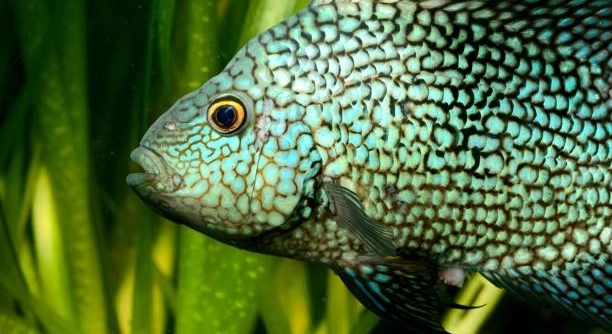
Have you ever noticed your Jack Dempsey fish acting aggressively toward other tank mates or defending every corner of the aquarium? These colorful fish have strong personalities, and their territorial behavior is a key part of their daily routine.
Jack Dempsey fish maintain territorial behavior due to environmental conditions, space limitations, social hierarchy, breeding instincts, and protection of food and shelter. Their aggression ensures dominance, safety, and successful reproduction within the confined aquarium setting.
Understanding what triggers their territorial nature can help owners manage aggression and create a more balanced, peaceful aquarium environment for all fish. Proper care and arrangement are essential for harmony.
Limited Space in the Aquarium
Jack Dempsey fish are highly territorial when kept in small tanks. When space is limited, these fish feel threatened by the presence of others and respond aggressively to protect their area. They often stake out corners, rocks, and plants as personal zones, making it difficult for other fish to coexist peacefully. A cramped tank prevents them from swimming freely and establishing clear boundaries. Without enough room, stress levels increase, leading to more frequent confrontations. Overcrowding can also disrupt their natural behavior, causing them to guard resources like hiding spots and food more intensely. Providing adequate space reduces tension and allows each fish to explore without constant competition. Adding decorations or partitions can help them feel secure while maintaining visibility. Regular observation is essential to notice early signs of stress, like chasing or nipping, before conflicts escalate. Adjusting tank size or layout often makes a noticeable difference in their behavior.
Proper tank size is essential to manage territorial behavior effectively. A minimum of 55 gallons is recommended for one Jack Dempsey fish with others spaced carefully to prevent aggression.
Giving Jack Dempsey fish enough room encourages natural swimming patterns and reduces aggression. Larger tanks allow them to claim distinct territories without constant conflict. Fish can explore and hide as needed, which lowers stress and promotes healthier interactions. Strategic placement of rocks, plants, and driftwood creates visual barriers, helping each fish establish boundaries. Observing their movement can guide further adjustments. Adding multiple hiding spaces prevents a single dominant fish from controlling the entire tank. Separating overly aggressive individuals temporarily can also restore peace. Balancing population density ensures that territorial instincts remain manageable while still allowing social interactions. Consistent water conditions complement space management by keeping fish comfortable. Overall, providing sufficient space combined with careful tank organization creates a more harmonious environment where Jack Dempsey fish display natural behaviors without unnecessary fighting.
Breeding Instincts
Jack Dempsey fish become extremely protective when preparing to breed. During this period, their aggression increases, and they defend their chosen nesting area vigorously.
When breeding, males and females guard eggs and fry, viewing any other fish as threats. Their heightened defense can make them less tolerant of tank mates, even in otherwise peaceful aquariums.
Breeding triggers strong territorial behavior that is both instinctual and necessary for survival. Males often select a flat surface or secluded corner to lay eggs and become highly sensitive to movements nearby. Females may assist in guarding but also contribute to aggression if they feel the area is compromised. Nesting behavior involves cleaning a chosen site, chasing intruders, and displaying vibrant colors to signal dominance. This period is temporary but intense, requiring careful monitoring to prevent injuries to other fish. Adjusting tank layout and providing extra hiding spaces can help reduce conflicts. Understanding their reproductive instincts allows owners to support healthy breeding while keeping the tank environment stable and safe. Proper nutrition and stress management during this time are also key to successful reproduction.
Food and Feeding Areas
Jack Dempsey fish guard their food aggressively, often chasing others away during feeding times. Their territorial instincts are strongest around preferred feeding spots and high-value food items.
They remember where food is placed and defend that area consistently. Even if the tank has multiple feeding zones, dominant fish may patrol the main spot, ensuring they eat first. This behavior can stress smaller or less aggressive fish, limiting their access to nutrition. Feeding at consistent times and using separate feeding locations helps distribute food more evenly. Offering sinking pellets or scattered flakes can reduce competition. Some owners find using feeding rings effective, as they create clear boundaries for each fish’s meal while minimizing conflicts. Observing their patterns helps in adjusting feeding strategies and preventing overfeeding or aggressive disputes during meals.
In addition to feeding behavior, Jack Dempsey fish also mark spaces around plants, rocks, or decorations that are near food areas. They interpret these zones as extensions of their territory, defending them from intruders. Providing multiple hiding spots and distributing food across the tank reduces confrontations. Rotating feeding locations occasionally prevents predictability, which can decrease guarding instincts. Ensuring water quality and nutrition also impacts their behavior, as well-fed, healthy fish show fewer extreme aggressive tendencies. Careful planning of the tank layout and feeding routine promotes a more peaceful environment and reduces stress caused by food-related territoriality.
Social Hierarchy
Jack Dempsey fish establish dominance quickly, and lower-ranking fish adjust their behavior to avoid conflict. Hierarchical order determines access to food, shelter, and preferred swimming areas.
Hierarchy affects daily interactions, as dominant fish patrol and chase others to assert control. Subordinate fish often hide or keep to less desirable areas to avoid confrontation. Aggression is a natural outcome of establishing rank but can escalate if tank conditions are crowded. Proper spacing, hiding places, and monitoring behavior help maintain balance. Observing which fish are dominant informs placement of decorations and feeding strategies.
Dominance among Jack Dempsey fish is reinforced over time. Once hierarchy is established, interactions become predictable, and overall aggression may decrease slightly. However, changes such as adding new fish or rearranging the tank can trigger re-establishment of dominance, leading to temporary spikes in aggression. Subordinate fish adapt by retreating to secure spaces or reducing movement near dominant individuals. Maintaining stable environmental conditions, like consistent lighting, water parameters, and minimal sudden changes, supports a balanced social order. Strategic tank design, including multiple hiding spots and visual barriers, allows all fish to coexist with fewer disputes. Monitoring behavior regularly ensures no fish is overly stressed or injured during hierarchy adjustments.
Shelter and Hiding Spots
Jack Dempsey fish claim rocks, caves, and plants as personal shelters. These areas become key points they defend against any fish that comes too close.
The presence of adequate hiding spots reduces overall aggression. Fish feel secure, lowering stress and territorial disputes. Proper placement of shelters encourages peaceful interactions and gives shy fish space to retreat.
Visual Boundaries
Jack Dempsey fish respond strongly to what they can see. Open spaces without visual barriers often trigger more chasing and displays of dominance.
Using rocks, plants, and decorations to break line of sight helps each fish maintain a sense of territory. Visual separation allows multiple fish to share the same tank without constant confrontation.
Tankmates and Compatibility
Choosing compatible tankmates is critical for reducing territorial aggression. Aggressive or similarly sized fish may escalate conflicts with Jack Dempsey fish.
Selecting calm, non-competing species prevents frequent skirmishes and creates a balanced environment. Smaller, fast-moving, or peaceful fish are less likely to provoke dominance displays. Proper planning and observation ensure all fish coexist safely.
FAQ
Why are Jack Dempsey fish so aggressive?
Jack Dempsey fish have strong territorial instincts that are natural and necessary for survival. Aggression helps them protect food, shelters, and breeding areas. Environmental stressors like overcrowding, lack of hiding spots, or sudden changes in the tank can also increase aggressive behavior. Understanding these triggers helps owners manage conflicts effectively.
How much space does a Jack Dempsey fish need?
A single Jack Dempsey fish requires at least 55 gallons to thrive, with extra space needed for each additional fish. Larger tanks allow them to establish territories and swim freely, reducing constant confrontations. Proper layout with decorations and hiding spots further supports their natural behavior and lowers stress.
Can Jack Dempsey fish live with other species?
Yes, but careful selection is essential. Peaceful, fast-moving, or smaller species that don’t compete for the same space or food work best. Avoid other aggressive or similarly sized cichlids to prevent constant skirmishes. Monitoring interactions and adjusting tank setup helps maintain harmony.
How can I reduce aggression in my tank?
Providing enough space, multiple hiding spots, and visual barriers is key. Feeding in separate areas, using varied decorations, and avoiding sudden changes in lighting or water conditions also help. Observing daily behavior and separating overly aggressive individuals when necessary prevents injuries and stress.
Do Jack Dempsey fish become more aggressive during breeding?
Yes, their aggression spikes during breeding. Males guard nests and eggs aggressively, and females assist in defense. Extra hiding spaces and temporary separation of other fish can prevent injuries. This heightened territorial behavior is temporary but intense and should be monitored closely.
What are the signs of stress in Jack Dempsey fish?
Signs include constant hiding, loss of appetite, faded colors, erratic swimming, and repeated chasing or nipping. Stress often results from overcrowding, poor water quality, or aggressive tankmates. Addressing the root causes quickly improves health and reduces territorial aggression.
Is tank decoration important for managing territory?
Absolutely. Rocks, plants, and caves create natural boundaries and visual barriers, giving each fish a sense of ownership. Properly arranged decorations reduce direct confrontations, allow shy fish to retreat, and support natural behavior patterns. Changing layout gradually can also prevent repeated disputes.
How often should I feed Jack Dempsey fish?
Feed once or twice daily with high-quality pellets, supplemented occasionally with live or frozen foods. Scattering food and using multiple feeding spots ensures all fish have access without increasing competition or fights. Consistent schedules also help reduce anxiety and guarding behavior.
Can adding new fish trigger aggression?
Yes, introducing new fish often forces Jack Dempsey fish to re-establish hierarchy. This can result in temporary spikes in aggression. Quarantining and gradually introducing newcomers, along with providing extra hiding spots, helps reduce conflicts and keeps the tank safe.
Do Jack Dempsey fish recognize individual tankmates?
They do. They remember other fish in the tank and their positions, which influences territorial behavior. Dominant individuals may patrol familiar areas more aggressively, while subordinate fish adjust their movement to avoid confrontation. Visual barriers and space management help manage these interactions.
Can aggression be completely eliminated?
Aggression cannot be fully removed because it is natural behavior. However, with proper tank size, hiding spots, compatible tankmates, and careful management of feeding and layout, it can be minimized to ensure a balanced and safe aquarium environment.
What should I do if fights break out?
Separate aggressive fish temporarily or provide additional barriers. Check for injuries and maintain water quality. Adjust decorations, feeding locations, and tank population to prevent repeated conflicts. Consistent monitoring and intervention keep all fish safe and reduce stress.
Do Jack Dempsey fish always need a mate for breeding?
Yes, breeding requires a compatible pair. Males and females establish nests and guard eggs together. During this period, aggression toward other fish increases, so careful management and extra hiding spots are necessary to protect both the breeding pair and other tank inhabitants.
How do water conditions affect territorial behavior?
Stable water temperature, pH, and cleanliness reduce stress and aggression. Poor conditions make Jack Dempsey fish more reactive and likely to defend territory aggressively. Regular water changes, proper filtration, and monitoring parameters support calmer behavior and overall health.
Can rearranging the tank cause fights?
Yes, moving decorations or changing layout forces fish to reestablish territories. Gradual adjustments minimize stress, while providing extra shelters and visual barriers helps prevent immediate conflicts. Observing how fish adapt to new arrangements ensures peace is maintained.
Are juvenile Jack Dempsey fish less aggressive?
Juveniles are generally less territorial, but they develop strong aggression as they mature. Early planning for tank size, hiding spots, and compatible companions reduces future conflicts. Even young fish may display chasing behavior if space is limited or resources are concentrated.
What role does diet play in aggression?
A balanced diet prevents competition over food. Well-fed Jack Dempsey fish are less likely to chase others aggressively. Providing varied, high-quality food in multiple locations reduces stress and the need to guard meals, supporting calmer interactions and overall health.
Is monitoring daily behavior important?
Yes. Observing how fish interact, defend territory, and respond to changes helps identify early signs of aggression or stress. Prompt adjustments to tank setup, population, or feeding routines prevent injuries and maintain a peaceful, healthy environment for all fish.
Can Jack Dempsey fish live peacefully long-term with others?
Yes, with proper management. Ensuring adequate space, compatible tankmates, hiding spots, and stable conditions allows peaceful coexistence. Aggression may occur occasionally but can be minimized with careful observation and strategic tank planning, supporting long-term health and reduced stress for all fish.
What is the best strategy for new Jack Dempsey owners?
Start with proper tank size, plan decorations and hiding spots, and choose compatible tankmates. Monitor daily behavior, feed consistently, and maintain water quality. Understanding their territorial nature early helps prevent issues and ensures a healthy, balanced aquarium environment.
Jack Dempsey fish are naturally territorial, and understanding this behavior is key to maintaining a healthy aquarium. Their instincts to defend food, shelters, and breeding areas are not signs of poor care but part of their natural biology. Recognizing these behaviors helps owners set up an environment that meets the fish’s needs while reducing conflicts. Providing enough space, adequate hiding spots, and visual boundaries allows these fish to establish territories without constant aggression. Observing how they interact daily can give valuable insight into their comfort level and whether adjustments are needed. Even small changes in tank layout or population can have a noticeable effect on how peacefully they coexist.
Proper management of tankmates is equally important. Jack Dempsey fish are most compatible with species that are calm, non-competing, and able to handle occasional displays of dominance without stress. Avoiding aggressive or similarly sized cichlids helps maintain a stable social hierarchy. Feeding strategies also play a significant role in reducing aggression. Scattering food or using multiple feeding zones ensures that no single fish feels the need to guard resources. Careful planning of breeding periods and monitoring interactions can prevent injuries and stress during more intense territorial phases. Combining these strategies creates a balanced environment where natural behaviors are expressed without compromising the health or safety of other fish.
Ultimately, success with Jack Dempsey fish comes down to preparation, observation, and adjustments. They thrive in tanks that are spacious, well-decorated, and carefully populated. Understanding their tendencies and anticipating their needs allows owners to reduce aggression and maintain harmony. Stable water conditions, consistent feeding schedules, and gradual changes in layout further support their well-being. While territorial instincts will never completely disappear, they can be managed in a way that keeps both the Jack Dempsey and other tank inhabitants safe and comfortable. By respecting their nature and providing proper care, these striking fish can remain vibrant, active, and enjoyable members of the aquarium for many years.

Hello,
If you enjoy the content that we create, please consider saying a "Thank You!" by leaving a tip.
Every little bit helps us continue crafting quality advice that supports the health, happiness, and well-being of pets around the world, for pets of all shapes, sizes, and species.
We really appreciate the kindness and support that you show us!