
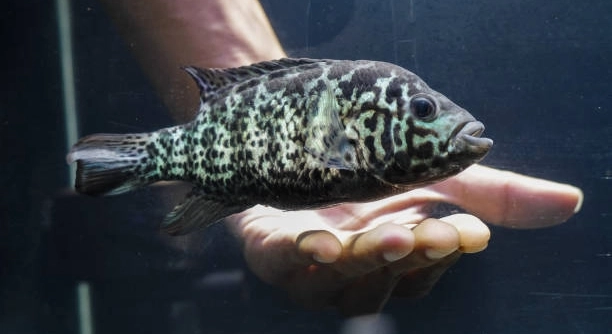
Have you ever noticed your Jack Dempsey fish acting restless or hiding in its tank? These fish can be sensitive to changes, and even small disturbances in their environment may cause noticeable stress reactions. Watching their behavior closely helps.
Calming a nervous Jack Dempsey fish requires reducing sudden movements, maintaining stable water parameters, providing hiding spaces, and limiting loud noises. Consistent feeding routines and gentle handling are also essential for promoting a stress-free and healthy environment.
Small changes in care can make a big difference for your Jack Dempsey’s comfort and well-being. Observing their reactions will help create a calmer aquarium environment.
Understanding Jack Dempsey Stress
Jack Dempsey fish can show stress in many ways, from hiding in corners to rapid gill movements. Their natural behavior is territorial, so sudden changes in their environment can make them anxious. Bright lights, loud noises, or frequent tank disturbances can trigger nervousness. Water quality also plays a major role; poor filtration, sudden temperature changes, or improper pH levels can increase stress levels. Even new tank decorations or unfamiliar fish can make them uneasy. Observing patterns in their behavior helps identify what triggers their anxiety. Some Jack Dempseys may be more sensitive than others, and recognizing these signs early can prevent long-term health problems. Stress can lead to weakened immunity, slower growth, and loss of appetite. Providing a stable, calm environment is key. Hiding spots, gentle water flow, and consistent feeding routines contribute to a balanced, less stressful habitat. Careful observation ensures their comfort and overall health.
Stress in Jack Dempseys often comes from sudden changes or poor water conditions. Stability helps them feel safe.
A stable routine is essential. Feeding at consistent times, keeping water temperature steady, and avoiding abrupt decorations changes can reduce nervous behavior. Adding plants or rocks gives hiding spaces, which makes the fish feel secure. Avoid tapping on the glass or frequent handling, as this can increase anxiety. Over time, these small actions create a more peaceful tank. Each Jack Dempsey may respond differently, so noticing subtle changes in swimming patterns or color can guide adjustments. Even minor improvements in water quality, such as filtering effectively and performing partial water changes, can significantly calm stressed fish. Maintaining a quiet environment and limiting tank disturbances helps them feel in control of their space.
Quick Environmental Adjustments
Adjusting the tank setup can greatly reduce Jack Dempsey stress and promote calm behavior.
Small environmental changes can make a big difference for nervous Jack Dempseys. Start by checking water parameters and keeping them stable. Provide hiding spots using plants, rocks, or decorations that break up open spaces. Soft lighting or using dimmers can reduce stress caused by bright illumination. Avoid sudden movements near the tank or tapping on the glass, as these actions create fear. Temperature fluctuations should be minimized, and regular partial water changes help maintain clarity and cleanliness. Adjusting tank mates may be necessary if aggressive fish are causing tension. Gradually introducing changes allows the fish to adapt without overwhelming them. Observing how they react to these adjustments informs whether more modifications are needed. Over time, these small tweaks create a safer, calmer environment. Consistency in maintenance and gentle interaction encourages natural behavior, reduces anxiety, and improves appetite. Simple, thoughtful care makes a noticeable impact on their overall well-being.
Feeding Practices to Reduce Stress
Feeding Jack Dempseys on a consistent schedule helps them feel secure. Overfeeding or irregular meals can cause anxiety and digestive issues. Providing high-quality food suited to their diet keeps them healthy and less reactive.
Offering balanced meals at the same time each day creates routine. These fish prefer protein-rich diets including pellets, frozen, or live foods. Avoid overfeeding, as uneaten food can foul water, increasing stress. Observing their appetite helps determine correct portion sizes. Treats should be occasional, not daily, to maintain stable digestion. Feeding in calm surroundings without disturbances encourages relaxed behavior. Gradually introducing new foods allows them to adapt without hesitation. A predictable feeding routine also reinforces tank hierarchy, minimizing aggressive encounters.
Feeding methods impact their mood and overall health. Placing food in the same spot consistently helps them locate it without anxiety. Using feeding tools can prevent sudden splashes or disturbances. Rotating protein sources maintains interest without causing stress. Monitoring leftover food ensures water quality remains high, preventing illness. Proper nutrition strengthens immunity, improves coloration, and reduces nervousness. Observing their reactions during meals provides insight into comfort levels. A calm feeding environment contributes to a stress-free tank. Over time, consistent, mindful feeding helps your Jack Dempsey feel secure and promotes stable, natural behavior patterns.
Tank Decorations and Hiding Spots
Providing plants, rocks, or caves reduces stress and offers security. Jack Dempseys need areas to retreat and feel safe.
Strategically placing decorations creates territories, which helps reduce aggressive behavior. Live plants not only offer hiding spots but also improve water quality by absorbing excess nutrients. Rocks and caves mimic natural habitats and provide visual barriers, reducing constant exposure to tank mates. Avoid overcrowding the tank, as this can increase stress. Ensure decorations are stable to prevent accidental tipping that could harm the fish. Creating layered spaces with open swimming areas and shaded retreats helps balance activity and rest. Adjusting layout gradually allows the fish to acclimate without fear. Proper placement encourages exploration while giving them control over their environment.
A mix of natural and artificial decorations works best. Plants, driftwood, and stones create both hiding spots and visual interest. Caves or tunnels allow retreat during aggressive interactions. Open areas for swimming prevent territorial disputes from dominating the tank. Spacing decorations to break line-of-sight between fish minimizes conflict. Lightweight items are easier to adjust, and heavier items stay secure. Varying heights and textures gives fish options for hiding or resting. Observing how your Jack Dempsey uses each area helps optimize placement. Proper tank setup improves mood, reduces anxiety, and encourages natural, confident behavior.
Water Temperature and Stability
Maintaining a stable water temperature reduces stress in Jack Dempseys. Sudden changes can make them anxious and affect their immune system. Using a reliable heater and thermometer helps keep conditions consistent.
Ideal temperatures range between 75 and 82°F. Fluctuations beyond this range may cause nervous behavior or lethargy. Regular checks prevent sudden shifts that upset the fish.
Gentle Interaction
Handling should be minimal and calm. Sudden movements near the tank or tapping on the glass can frighten Jack Dempseys. Approaching slowly and quietly helps them stay relaxed.
Lighting Control
Soft or dimmed lighting helps nervous Jack Dempseys feel secure. Bright, harsh lights can increase stress and cause hiding. Gradually adjusting intensity can make them more comfortable and reduce anxious behavior.
Regular Water Changes
Consistent partial water changes maintain clean conditions and prevent stress. Removing 20–25% weekly helps reduce toxins and keeps the tank stable, promoting calm behavior and overall health.
FAQ
How do I know if my Jack Dempsey is stressed?
Signs of stress in Jack Dempseys include hiding for long periods, rapid gill movements, clamped fins, loss of appetite, and changes in color. Nervous swimming or sudden darting around the tank can also indicate anxiety. Observing their daily behavior helps identify early stress signs before they affect health.
What is the ideal tank size for a Jack Dempsey?
A minimum of 55 gallons is recommended for a single Jack Dempsey. Larger tanks allow more space to establish territories and reduce aggressive encounters. Overcrowding increases stress and can lead to illness, so maintaining proper stocking levels is crucial for their well-being.
How often should I feed a nervous Jack Dempsey?
Feeding once or twice daily with high-quality pellets or frozen foods works best. Overfeeding can pollute the water and cause stress. Providing consistent portion sizes and monitoring leftover food ensures both a healthy diet and a calm environment for the fish.
Can tank mates cause stress?
Yes, aggressive or very active fish can stress Jack Dempseys. Choosing compatible tank mates that are similarly sized and non-aggressive helps maintain peace. Observing interactions and adjusting the tank layout or removing problematic fish may be necessary to reduce tension.
How do water conditions affect their behavior?
Stable temperature, pH, and hardness are essential. Sudden changes can trigger nervousness and weaken their immune system. Regular water testing and partial changes prevent toxin buildup, helping Jack Dempseys stay healthy, calm, and confident in their environment.
Are hiding spots necessary for a nervous Jack Dempsey?
Yes, caves, plants, and rocks give them places to retreat. Hiding spaces reduce anxiety, allow natural behavior, and help them feel safe. Proper placement of decorations also helps establish territories, which minimizes aggressive encounters and promotes a stable, peaceful tank.
How important is lighting for calming my fish?
Lighting plays a major role. Bright lights can make Jack Dempseys nervous, while dim or soft lighting creates a calmer environment. Gradually adjusting brightness can help them adapt, encouraging exploration while reducing hiding and anxious behavior.
Should I handle my Jack Dempsey frequently?
Handling should be limited. Sudden movements or tapping on the glass can startle them. Calm, minimal interaction allows the fish to feel secure. Observing without disturbing the tank helps maintain a stress-free environment and strengthens their natural behavior.
What role does water filtration play in stress reduction?
Effective filtration keeps water clean and oxygenated. Poor water quality increases stress and susceptibility to disease. Regular maintenance and ensuring the filter is appropriate for the tank size supports a healthy environment, which directly reduces nervous behavior in Jack Dempseys.
How long does it take for a nervous Jack Dempsey to calm down?
Time varies depending on the fish and environment. With stable water conditions, proper feeding, and secure hiding spots, most Jack Dempseys gradually show calmer behavior over several weeks. Consistency in care and observation ensures they feel safe and confident in the tank.
Can temperature fluctuations make a Jack Dempsey aggressive?
Yes, rapid changes in water temperature can increase stress and trigger aggressive behavior. Maintaining a consistent temperature range between 75 and 82°F reduces anxiety, promotes natural behavior, and supports overall health in nervous Jack Dempseys.
Is it normal for Jack Dempseys to hide a lot at first?
Yes, new or shy Jack Dempseys often hide as they adjust to a new tank. Providing hiding spots and avoiding sudden disturbances helps them acclimate. Over time, they usually become more confident and begin exploring open areas gradually.
Do live plants help reduce stress?
Live plants improve water quality by absorbing nutrients and offering natural hiding places. They also provide shaded areas that mimic natural habitats, making Jack Dempseys feel secure and encouraging natural, calm behavior patterns.
How can I reduce stress during water changes?
Perform partial water changes slowly to avoid shocking the fish. Using water that matches temperature and pH minimizes anxiety. Consistent weekly maintenance keeps conditions stable, helping nervous Jack Dempseys feel safe and secure in their environment.
Are there signs of chronic stress in Jack Dempseys?
Chronic stress may appear as faded coloration, constant hiding, reduced appetite, or frequent disease. Addressing environmental factors, improving water quality, and ensuring proper diet and tank setup are essential to prevent long-term negative effects on their health.
Can decorations alone calm a nervous Jack Dempsey?
Decorations help, but they are most effective when combined with stable water conditions, proper feeding routines, and minimal disturbances. A well-balanced tank setup supports both mental and physical health, encouraging confidence and reducing nervous behavior.
Do Jack Dempseys respond to gentle sounds or music?
Gentle, consistent background noise may be less stressful than sudden loud sounds. They respond more to vibrations than music itself, so keeping the room calm and avoiding abrupt noises helps them feel safe and relaxed.
Is water hardness important for stress reduction?
Yes, maintaining moderate hardness supports proper physiological functions and reduces stress. Sudden changes in hardness can make the fish uneasy, so regular monitoring ensures a stable and comfortable habitat for Jack Dempseys.
How can I tell if my tank layout is causing stress?
If the fish constantly hides, avoids certain areas, or shows aggressive reactions toward tank mates, the layout may need adjustments. Rearranging decorations gradually or adding more hiding spots can reduce stress and create a more balanced environment.
Can Jack Dempseys calm themselves naturally?
With a stable environment, proper nutrition, and secure hiding spots, Jack Dempseys gradually reduce stress naturally. Observing their behavior and maintaining consistent care supports their ability to feel safe and maintain calm, confident behavior over time.
Jack Dempsey fish can be beautiful and fascinating pets, but they are naturally sensitive and can easily become stressed if their environment is not ideal. Their nervous behavior often shows in subtle ways, like hiding for long periods, clamped fins, or changes in swimming patterns. Recognizing these signs early is important because stress can affect their health and overall well-being. Providing a calm, stable environment with consistent water conditions, proper feeding routines, and suitable hiding spots can help them feel more secure. Even small adjustments, like reducing sudden movements near the tank or maintaining gentle lighting, can make a noticeable difference in how comfortable they feel. Observing your fish closely allows you to understand their needs better and respond to their stress before it becomes a bigger issue.
Feeding routines and diet play a key role in keeping Jack Dempseys calm. Offering high-quality pellets, frozen foods, or occasional live treats at regular intervals helps maintain their health and prevents anxiety caused by inconsistent meals. Overfeeding should be avoided because leftover food can degrade water quality, leading to stress and potential illness. Maintaining clean water through regular partial water changes and proper filtration is also essential. Water quality affects their behavior as much as their diet. Stable temperatures and moderate water hardness are crucial for their comfort. Adding live plants, rocks, and caves gives them a sense of security while encouraging natural behaviors like exploring and retreating when needed. These environmental factors work together to create a balanced habitat where Jack Dempseys can feel safe and thrive.
Managing stress in Jack Dempseys requires attention to both physical and environmental factors. Gentle interaction, careful tank maintenance, and thoughtful decoration placement all contribute to a calmer fish. Every Jack Dempsey is different, and some may take longer to adjust to a new tank or changes in their environment. Patience is key. Consistency in care, including feeding, water changes, and monitoring behavior, helps them develop confidence and reduces anxiety. Over time, a properly maintained tank with predictable routines allows nervous fish to relax, explore, and display their natural beauty. By paying close attention to their needs and making gradual, steady improvements in care, you can create a healthy, stress-free environment that supports both their physical health and emotional comfort. A calm Jack Dempsey is a happy Jack Dempsey, and small efforts in care lead to a long-term, rewarding experience for both the fish and the keeper.

Hello,
If you enjoy the content that we create, please consider saying a "Thank You!" by leaving a tip.
Every little bit helps us continue crafting quality advice that supports the health, happiness, and well-being of pets around the world, for pets of all shapes, sizes, and species.
We really appreciate the kindness and support that you show us!