
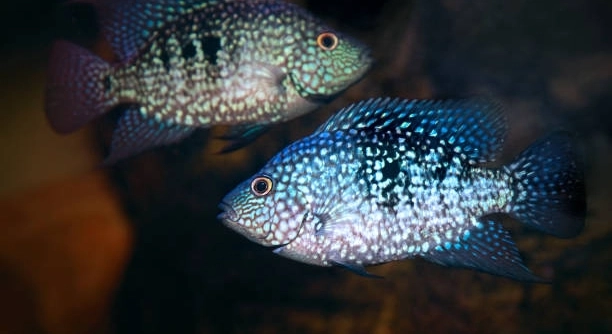
Keeping a Dempsey fish can be a rewarding experience, but they are sensitive creatures with distinct personalities. Even small changes in their environment or routine can startle them and affect their behavior unexpectedly.
Dempsey fish are prone to stress from sudden movements, loud noises, rapid changes in water conditions, aggressive tankmates, poor lighting, unfamiliar objects, and improper handling. These factors can provoke fear responses and negatively impact their overall health and well-being.
Recognizing these potential stressors will help you maintain a calm and safe environment for your Dempsey fish. Understanding them ensures your fish thrives in its aquatic home.
Sudden Movements Around the Tank
Dempsey fish are easily startled by sudden movements near their tank. Quick hand motions, abrupt cleaning, or even someone walking by too fast can trigger a stress response. These fish are highly aware of their surroundings, and unexpected activity can make them retreat or hide for long periods. Over time, frequent disturbances can lead to aggressive behavior, reduced appetite, or weakened immunity. It is important to move slowly and predictably when near the aquarium. Providing consistent, gentle interactions helps your Dempsey feel more secure. Creating a calm environment with minimal sudden visual stimuli will reduce stress significantly. Observing your fish from a slight distance allows them to swim normally without fear. Incorporating decorations or plants gives them hiding spots, which increases their comfort. Being patient and consistent is key to earning their trust while maintaining a peaceful tank atmosphere.
Avoiding abrupt movements ensures your Dempsey fish can swim calmly and remain healthy.
Keeping the tank area predictable benefits their well-being. Repeated sudden actions can create lasting anxiety, causing your fish to hide excessively. When Dempseys feel threatened, they may lash out at tankmates or refuse food. Establishing a routine of gentle care, from feeding to maintenance, fosters a sense of security. Using slow hand movements during water changes or when adding food reduces fear. Hiding spaces, such as rocks or plants, allow them to escape perceived threats, further lowering stress. Even small changes in lighting or reflections on the glass can alarm them. Observing their reactions helps you identify which actions trigger anxiety. Maintaining stable water conditions alongside calm handling supports their natural behavior patterns. Over time, your Dempsey will associate your presence with safety, reducing fear responses and encouraging normal activity in the tank.
Loud Noises and Vibrations
Loud sounds, such as music, banging, or heavy footsteps, can frighten Dempsey fish.
Dempsey fish have sensitive hearing and lateral line systems that detect vibrations in water. Sudden or constant loud noises create stress, making them hide or become aggressive. Even household appliances, if too close, can cause discomfort. Placing the tank in a quieter area and avoiding banging near it helps them feel safe. Vibrations transmitted through furniture or floors can startle them, so securing the tank on a stable stand is crucial. Some fish react by retreating to corners or plants, while others may swim frantically. Stress from noise affects their immune system, making them more prone to illness. Using a tank cover and keeping equipment like filters and pumps stable reduces additional vibrations. A calm, quiet environment encourages natural behavior and feeding, allowing Dempseys to thrive without unnecessary fear. Proper positioning and minimal disturbances significantly improve their comfort and health.
Aggressive Tankmates
Dempsey fish can become stressed when housed with aggressive or overly active tankmates. Constant chasing or territorial fights disrupt their comfort and feeding patterns, leading to fear and potential injury. Choosing compatible fish is essential for a balanced tank environment.
Even small, seemingly harmless fish can trigger anxiety in Dempseys if they invade their space or nip at fins. Stress from aggressive neighbors can result in hiding, reduced appetite, or sudden bursts of aggression. It is important to monitor interactions and separate problematic fish promptly. Providing sufficient space, visual barriers, and territories within the tank helps minimize confrontations. Decorations, plants, and rocks create natural boundaries, allowing each fish to claim its own area. Observing behavior daily ensures early intervention if conflicts arise, protecting both the Dempsey and other tank inhabitants. Gradually introducing new fish under controlled conditions also reduces stress and fosters peaceful coexistence.
Managing tankmates carefully helps maintain a stable, healthy environment. Avoid overcrowding and keep compatible species to prevent fear responses.
Poor Water Conditions
Improper water parameters can frighten and harm Dempsey fish, as they are highly sensitive to changes in temperature, pH, and cleanliness.
Fluctuating or unsuitable water conditions can cause stress, illness, and erratic behavior. High ammonia or nitrite levels, low oxygen, or sudden temperature swings are especially alarming to Dempseys. Maintaining stable water quality requires regular testing and consistent water changes. Filtration should be sufficient to handle waste, and substrate or decorations must not trap debris. Even minor inconsistencies, like adding untreated tap water, can trigger fear responses. Stress from poor conditions affects their immune system and makes them more prone to disease. Keeping water within optimal ranges and avoiding sudden adjustments ensures a calm, healthy environment. Monitoring parameters closely allows quick correction of any problems, keeping your fish comfortable.
Consistent maintenance and monitoring of water quality are essential. Stress from poor water conditions impacts health, feeding, and behavior significantly.
Improper Lighting
Harsh or constantly changing lighting can stress Dempsey fish. Bright lights or sudden flickers make them retreat and hide, disrupting normal swimming and feeding patterns.
Using dimmed or consistent lighting helps them feel secure. Gradual changes in brightness are less alarming, allowing Dempseys to adjust naturally without fear.
Unfamiliar Objects in the Tank
Introducing new decorations, plants, or equipment suddenly can frighten Dempsey fish. They are cautious by nature and may perceive anything new as a threat. Gradually adding items and giving them time to explore reduces stress. Observing their behavior helps identify what causes fear, ensuring a calmer environment.
Improper Handling
Handling Dempsey fish roughly or too frequently causes significant stress. Sudden movements during cleaning or transferring can make them panic.
Minimizing direct contact and using nets carefully prevents fear responses. Gentle, infrequent handling maintains their well-being and encourages normal behavior in the tank.
FAQ
What signs show my Dempsey fish is scared?
Dempsey fish display fear in several ways. They may hide behind decorations, plants, or tank corners for extended periods. Rapid, erratic swimming, flaring fins, or sudden dashes across the tank indicate stress. Loss of appetite or refusing food is also common when they feel threatened. Observing their behavior daily helps you notice subtle changes early.
Can loud noises really stress Dempsey fish?
Yes, Dempsey fish have sensitive hearing and lateral line systems that detect vibrations. Loud music, slamming doors, or heavy footsteps near the tank can frighten them. Even vibrations from household appliances can create stress. Consistent exposure to noise can cause long-term anxiety, reduced feeding, and aggressive behavior. Placing the tank in a quieter area and stabilizing equipment reduces these risks.
How often should I check water conditions?
Water quality is crucial for Dempsey fish health. Testing parameters like pH, ammonia, nitrites, and temperature at least once a week ensures stability. Regular partial water changes and proper filtration help maintain clean water. Sudden fluctuations or untreated water can alarm your fish, leading to hiding or erratic behavior. Monitoring consistently prevents stress and disease.
Are all tankmates safe with Dempsey fish?
Not all fish are compatible with Dempseys. Aggressive or overly active species can provoke fear and fights. Even smaller, seemingly harmless fish can trigger anxiety if they invade personal space. Creating territories with plants or rocks and observing interactions daily helps prevent conflict. Gradual introductions reduce stress and maintain harmony.
Do decorations cause fear?
New or unfamiliar objects can startle Dempseys. Sudden additions like plants, rocks, or equipment may be perceived as threats. Introducing items gradually and letting the fish adjust over days reduces stress. Observing their reaction helps determine which objects are safe and which might provoke anxiety.
How do I handle my Dempsey fish safely?
Minimize handling as much as possible. When necessary, use a soft net and move slowly to avoid sudden motions. Frequent or rough handling causes panic, hiding, and potential injury. Gentle, controlled care ensures comfort and encourages normal swimming and feeding behavior.
Can lighting affect my Dempsey’s stress levels?
Yes, bright or rapidly changing lights can scare Dempseys. Consistent, dimmed lighting helps them feel secure. Gradual changes when adjusting brightness allow them to acclimate naturally, preventing hiding or frantic swimming. Using subdued light during maintenance can reduce stress significantly.
What should I do if my Dempsey hides constantly?
Continuous hiding usually signals stress. Check for aggressive tankmates, sudden movements, loud noises, or poor water conditions. Stabilize the environment, provide hiding spots, and observe behavior closely. Reducing disturbances and maintaining clean water gradually encourages normal activity. Patience is essential to help your fish feel safe again.
How can I prevent long-term fear in my Dempsey?
Consistency is key. Keep water conditions stable, avoid sudden changes, introduce new items slowly, and select compatible tankmates. Calm handling, predictable routines, and minimal noise reduce stress over time. Creating a secure and stable environment helps Dempseys thrive and display natural, relaxed behaviors.
Is it normal for Dempsey fish to be skittish?
Some skittish behavior is normal, especially in new tanks or unfamiliar environments. Frequent fear, hiding, or erratic movements suggest environmental stressors. Addressing these factors ensures your Dempsey feels comfortable and maintains healthy feeding and activity patterns.
How long does it take for Dempseys to adjust to a new tank?
Adjustment periods vary but usually range from several days to a few weeks. Providing hiding spots, stable water, and minimal disturbances accelerates acclimation. Patience is necessary, as forcing interaction or changing conditions too quickly increases stress and fear responses.
Can diet affect stress levels?
Yes, inadequate or irregular feeding contributes to anxiety and lethargy. Offering a balanced diet on a consistent schedule supports health and reduces stress. Overfeeding can also harm water quality, indirectly causing fear and discomfort. Observing feeding behavior helps maintain both nutrition and calmness.
Should I remove a scared Dempsey from the tank?
Removing the fish is generally unnecessary unless aggression from tankmates is severe. Focus on improving the environment: reduce noise, stabilize water, add hiding spaces, and ensure compatible companions. Interventions should address root causes rather than relocating the fish unnecessarily.
Are Dempseys more scared in community tanks?
Yes, community tanks with active or aggressive species can increase fear. Dempseys need space and territories to feel secure. Adding visual barriers, plants, or separate areas minimizes encounters that trigger stress. Observing behavior regularly ensures peaceful coexistence.
Can sudden temperature changes frighten them?
Temperature swings alarm Dempseys. Even small fluctuations can cause hiding, rapid swimming, or reduced feeding. Keeping water within recommended ranges and adjusting gradually prevents stress. Using a reliable heater and thermometer ensures a stable environment.
Do Dempseys get used to their owners?
With patience and consistent routines, Dempseys can recognize and tolerate your presence. Gentle movements, regular feeding, and predictable care reduce fear. Over time, they become more relaxed, swimming openly without constant hiding, indicating comfort in their environment.
What is the best way to reduce overall stress?
Stable water conditions, compatible tankmates, consistent lighting, quiet surroundings, gradual introduction of new objects, and minimal handling all reduce fear. Observing behavior and making adjustments proactively creates a safe, comfortable space for your Dempsey to thrive.
Can stress cause illness in Dempsey fish?
Yes, prolonged fear weakens the immune system, making them prone to disease. Symptoms include lethargy, color fading, loss of appetite, or unusual swimming patterns. Maintaining a calm, stable environment helps prevent stress-related illnesses and supports long-term health.
How do I know if fear is temporary or chronic?
Temporary fear usually resolves after minor disturbances or new introductions. Chronic fear persists despite stable conditions, causing continuous hiding, aggression, or refusal to eat. Evaluating environmental factors and making consistent adjustments helps distinguish between short-term stress and ongoing anxiety.
Is it okay for Dempseys to hide sometimes?
Yes, occasional hiding is normal and provides comfort. Problems arise when hiding is constant or accompanied by erratic behavior. Monitoring patterns helps determine whether fear is normal or indicates environmental issues needing correction.
How can I encourage my Dempsey to feel safe?
Provide consistent routines, hiding spots, stable water, gentle handling, and minimal sudden disturbances. Gradually introducing changes and observing reactions ensures the fish feels secure, reducing stress and encouraging healthy behavior.
Can reflections in the tank scare them?
Yes, reflections from lights or windows can be mistaken for intruders. Adjusting tank placement or covering reflective surfaces reduces unnecessary stress and prevents erratic swimming or aggressive displays.
Do Dempseys remember stressful experiences?
Yes, repeated negative experiences can make them more cautious. Avoiding sudden changes, rough handling, and aggressive tankmates helps them develop trust and feel secure in their environment over time.
What role do hiding spots play in reducing fear?
Hiding spots provide a safe space to retreat when threatened. Plants, rocks, and decorations offer security, reduce anxiety, and encourage natural behaviors. Without adequate shelters, Dempseys may become overly stressed, aggressive, or refuse food.
How quickly do Dempseys recover from stress?
Recovery depends on the cause and environment. With stable water, calm surroundings, and proper care, most Dempseys return to normal behavior within days. Severe or prolonged stress may require weeks, emphasizing the need for consistent management.
Can sudden feeding changes scare them?
Yes, abrupt changes in diet or feeding schedule can cause anxiety. Maintaining a consistent feeding routine with familiar foods helps them feel secure and encourages healthy eating patterns.
How important is tank placement for reducing fear?
Tank placement is critical. Avoid high-traffic areas, loud rooms, or direct sunlight. Quiet, stable environments with minimal external disturbances reduce stress and promote calm, confident behavior.
Are Dempseys naturally aggressive when scared?
They can become defensive or territorial if frightened. Aggression is often a stress response rather than true hostility. Providing adequate space, compatible tankmates, and hiding spots prevents fear-induced aggression and promotes peaceful coexistence.
Do changes in water flow affect them?
Yes, sudden increases in current from filters or pumps can frighten Dempseys. Gradual adjustments or low-flow settings help them adapt without stress, allowing normal swimming and feeding behavior.
How often should I monitor behavior?
Daily observation is recommended. Early detection of stress signs, such as hiding, rapid swimming, or aggression, allows timely intervention, preventing long-term fear and health issues.
Can multiple stressors combine to affect them?
Yes, exposure to several stress factors—loud noises, poor water quality, aggressive tankmates—can amplify fear responses. Addressing each element individually ensures a calm, secure environment for Dempseys.
Is it normal for Dempseys to be wary of new food?
Yes, they may hesitate with unfamiliar foods. Introducing changes gradually and mixing new items with familiar favorites encourages eating without creating fear or stress.
What is the best way to introduce a new Dempsey to a tank?
Acclimate slowly using drip methods or floating bags. Provide hiding spots and monitor interactions with existing fish. Gradual introductions reduce stress and prevent territorial conflicts, allowing smoother adjustment.
Can seasonal changes affect them?
Yes, temperature shifts, lighting changes, or household activity patterns during seasons can stress Dempseys. Maintaining consistent water conditions and minimizing sudden environmental changes helps them remain calm year-round.
How can I tell if a Dempsey is recovering from fear?
They resume normal swimming, feeding, and interaction patterns. Colors brighten, hiding decreases, and aggression toward tankmates reduces. Gradual improvements indicate the environment supports safety and comfort.
Are Dempseys more sensitive as juveniles?
Yes, younger fish are generally more skittish. Gentle care, consistent water quality, and minimal disturbances are especially important during early development to prevent long-term fear responses.
How do I balance activity and calmness in the tank?
Maintain a quiet area with hiding spots while ensuring space for swimming. Selecting compatible tankmates and regulating lighting and water flow creates a healthy balance between stimulation and security.
What common mistakes increase fear in Dempseys?
Frequent handling, sudden tank changes, poor water quality, incompatible tankmates, harsh lighting, and loud noise all contribute to fear. Correcting these mistakes supports calmer, healthier behavior and overall well-being.
Can stress affect breeding in Dempseys?
Yes, chronic fear or stress can reduce breeding activity. Calm, stable conditions with minimal disturbances encourage natural reproductive behavior and increase the likelihood of successful spawning.
How important is consistency for reducing fear?
Consistency in feeding, maintenance, lighting, and tank conditions creates predictability. Predictable routines reduce anxiety, allowing Dempseys to feel secure and engage in normal behaviors without fear.
Should I separate a fearful Dempsey from aggressive fish?
Yes, temporary separation can prevent injury and reduce stress. Providing a safe space allows the Dempsey to recover and regain confidence before reintegration.
Do Dempseys respond to human presence positively over time?
With patience, predictable care, and calm handling, Dempseys become less skittish. They may swim openly during feeding and even recognize familiar movements without panic.
Can tank size impact fear levels?
Smaller, overcrowded tanks increase stress. Larger tanks with sufficient space for hiding and swimming reduce anxiety, provide territories, and encourage natural behavior.
Is it normal for Dempseys to flare when scared?
Yes, fin flaring is a defensive reaction. It signals discomfort or attempts to appear larger. Adequate space and hiding spots reduce the need for constant defensive displays.
How do I maintain calm during cleaning?
Move slowly, avoid splashing, and minimize sudden disturbances. Cleaning in sections and keeping familiar decorations stable reduces fear and prevents stress-related behavior.
Can other pets affect Dempseys?
Yes, cats, dogs, or children near the tank can create vibrations or sudden movements. Positioning the tank safely and limiting disturbances helps keep Dempseys calm and secure.
Are Dempseys more sensitive than other cichlids?
They are moderately sensitive. Compared to some cichlids, Dempseys show higher stress responses to sudden changes, aggressive tankmates, and environmental disruptions, requiring careful management to maintain comfort.
How important is patience in reducing fear?
Patience is crucial. Gradual changes, calm handling, and consistent routines allow Dempseys to feel secure over time, leading to healthier behavior and reduced long-term stress.
Can stress affect coloration?
Yes, fear and anxiety often dull their vibrant colors. Stable water, proper diet, and a calm environment help maintain bright, healthy coloration.
What is the most effective way to reduce fear overall?
Provide a stable, quiet environment with consistent routines, proper water quality, compatible tankmates, hiding spots, gentle handling, and gradual changes. Observing and responding to their behavior ensures long-term comfort and well-being.
How can I encourage natural behavior in a timid Dempsey?
Creating secure territories, minimizing disturbances, and maintaining stable conditions encourages exploration, feeding, and social interaction without fear. Gradual acclimation and patience support confidence.
Does tank décor matter for fear reduction?
Yes, plants, rocks, and hiding areas provide security. Avoid sharp or unstable decorations. Proper arrangement allows Dempseys to establish safe zones and reduces stress.
Can stress affect lifespan?
Chronic fear and stress weaken immunity, making them prone to disease. Maintaining a calm, stable environment supports long-term health and longevity.
Are Dempseys more active at certain times?
They are generally more active during calm, well-lit periods. Stressful environments or disturbances can suppress normal activity. Observing patterns helps optimize tank conditions for comfort and natural behavior.
How often should I rotate tank décor?
Frequent changes can alarm Dempseys. Keep major decorations stable and introduce new items gradually to allow adaptation without causing fear.
Do Dempseys ever forget fear triggers?
With consistent positive experiences and stable environments, they can become less reactive. However, repeated negative encounters may have long-term effects, emphasizing the importance of careful management.
Can stress affect social behavior?
Yes, fearful Dempseys may avoid tankmates, become aggressive, or fail to feed alongside others. Providing secure spaces and calm conditions restores natural social behavior.
How can I tell if my interventions are working?
Improved swimming patterns, reduced hiding, normal feeding, and brighter coloration indicate successful stress reduction. Tracking behavior over time confirms the effectiveness of your efforts.
Do Dempseys react differently to male and female owners?
Not significantly. Reactions depend more on movement, consistency, and calmness than gender. Gentle, predictable care is what reduces fear and builds trust.
Are there natural ways to calm a stressed Dempsey?
Yes, providing hiding spots, consistent routines, calm lighting, and minimal disturbances naturally reduces stress. Observing their response ensures effectiveness without medication.
Can water plants reduce stress?
Yes, plants offer shelter, visual barriers, and territory markers. They allow Dempseys to feel safe, hide when needed, and reduce anxiety from external stimuli.
Do Dempseys get used to tank noises over time?
They may adapt if noises are consistent and not overwhelming. Sudden or irregular sounds continue to trigger fear, so predictability is key to reducing stress.
Is it normal for them to be more fearful at night?
Yes, reduced light and shadows can increase caution. Providing dim lighting or secure hiding areas during nighttime helps them feel safe and reduces stress.
Can diet supplements affect fear levels?
Proper nutrition supports immune health and reduces stress-related behaviors. Overfeeding or poor-quality food can worsen water conditions and indirectly increase fear. Balanced diets contribute to overall calmness.
What is the biggest mistake owners make with Dempseys?
Frequent sudden changes, rough handling, incompatible tankmates, and poor water management increase fear. Consistency, patience, and careful observation are essential to prevent stress and maintain well-being.
Do Dempseys communicate fear to other fish?
Yes, flaring, chasing, or hiding signals stress and may affect nearby fish. Creating enough space and territories helps reduce chain reactions of fear.
How can I track stress levels over time?
Keep a log of behavior, feeding, hiding, and interactions. Regular observation helps identify patterns, triggers, and improvements, allowing proactive care for long-term health.
Can tank size affect recovery from fear?
Larger tanks with more hiding spaces and territory options allow Dempseys to recover more quickly from stressful events, promoting exploration and normal activity.
Is occasional hiding ever a concern?
Hiding for short periods is normal. Persistent, prolonged hiding paired with stress behaviors signals environmental issues that need correction for their comfort and health.
Can fear affect reproduction?
Yes, stressed Dempseys are less likely to breed. Calm, secure environments encourage mating behaviors and successful spawning.
Do Dempseys recognize routine care?
Yes, consistent feeding, water changes, and gentle handling help them anticipate non-threatening interactions, reducing fear and encouraging natural behavior.
How do I balance enrichment and safety?
Provide hiding spots, plants, and decorations for security, while ensuring sufficient open space for swimming. Gradual introduction of new items prevents unnecessary fear.
Can multiple Dempseys stress each other?
Yes, overcrowding or competition for territory can increase anxiety. Providing adequate space, hiding spots, and careful selection of companions reduces stress and encourages peaceful interaction.
Does filter noise matter?
Excessive vibration or loud filters can alarm Dempseys. Using stable, quieter equipment minimizes fear, allowing normal feeding and swimming behavior.
Can Dempseys get used to people?
Yes, patience, gentle movements, and predictable routines help them tolerate human presence, reducing panic and encouraging interaction over time.
Are juvenile Dempseys more sensitive than adults?
Yes, younger fish are often more skittish. Gentle care, stable water, and minimal disturbances are crucial for their development and long-term comfort.
Can reflections and shadows cause stress?
Yes, they may perceive reflections or shadows as threats. Positioning the tank away from windows or using subdued lighting reduces unnecessary fear.
Do they need hiding spots at all times?
Yes, consistent hiding areas allow Dempseys to feel secure. Lack of shelter increases anxiety and can lead to aggression or refusal to eat.
How long should acclimation take for a new Dempsey?
Several days to a few weeks is
Final Thoughts
Caring for a Dempsey fish requires attention to both their physical environment and emotional well-being. These fish are sensitive to changes around them, and even small disturbances can trigger fear or stress. Maintaining stable water conditions, consistent lighting, and proper tank placement are key factors in keeping them calm. Sudden changes, loud noises, or aggressive tankmates can lead to hiding, erratic swimming, or reduced feeding. By understanding their needs and observing behavior carefully, you can create a comfortable space where your Dempsey feels secure. Providing a safe environment helps reduce anxiety and encourages natural behavior.
It is also important to recognize the role of hiding spots and decorations in reducing stress. Plants, rocks, and other objects allow your fish to retreat when they feel threatened. Gradually introducing new items, rather than placing them all at once, prevents unnecessary fear. Dempseys are cautious by nature, and giving them time to explore and adjust is essential. Watching their reactions to changes helps you identify potential stressors before they become a problem. Consistent feeding schedules and gentle handling further reinforce a sense of security. Over time, a calm, stable environment can significantly improve your fish’s health, behavior, and overall quality of life.
Finally, patience and observation are the most important tools for a Dempsey owner. Stress in these fish can lead to long-term health problems if left unaddressed, including weakened immunity, illness, or aggression. By monitoring their behavior daily and making thoughtful adjustments to their environment, you can prevent fear and ensure they thrive. Remember that each Dempsey is unique, and responses to stimuli may vary. Providing predictable routines, compatible tankmates, and a safe, well-maintained tank allows them to feel confident and secure. Attention to these details not only supports their physical health but also promotes emotional well-being, resulting in a fish that is active, colorful, and comfortable in its home.

Hello,
If you enjoy the content that we create, please consider saying a "Thank You!" by leaving a tip.
Every little bit helps us continue crafting quality advice that supports the health, happiness, and well-being of pets around the world, for pets of all shapes, sizes, and species.
We really appreciate the kindness and support that you show us!