
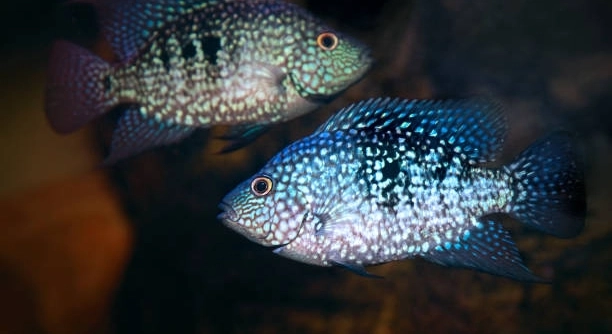
Many aquarium owners notice unique behaviors in Jack Dempsey fish, from recognition of routines to calm interactions. These observations often lead to interest in whether these bold cichlids form emotional connections within their environments daily.
Jack Dempsey fish do not experience emotional attachment in a human sense, yet they exhibit learned behaviors resembling attachment. These responses arise from conditioning, environmental familiarity, and recognition of consistent caretakers, rather than complex emotions or emotional bonding processes only.
Behavior patterns, tank conditions, and interaction all shape these responses, offering insight into how Jack Dempsey fish relate to care.
Behavior That Resembles Attachment
Jack Dempsey fish often display behaviors that appear personal to their keeper. They may swim toward the glass during feeding times, follow movement outside the tank, or remain calmer when familiar routines are maintained. These responses are linked to strong learning ability and memory rather than emotional bonding. Over time, the fish associates specific sights, sounds, and actions with food, safety, and stable conditions. Consistency reinforces these reactions, making them seem selective or intentional. Stress reduction also plays a role, as predictable care lowers defensive behavior. When stress decreases, the fish appears more relaxed and responsive. This combination of conditioning and environmental comfort explains why some owners feel recognized. The behavior reflects adaptation to surroundings, not affection, yet it still creates a meaningful sense of connection for the caretaker observing these patterns daily in home aquariums where consistent care supports predictable behavior over long periods of time without emotional depth.
These behaviors are often misinterpreted as attachment because they mirror familiar responses seen in pets. In reality, the fish is reacting to routine, visual cues, and reduced stress, all of which shape predictable patterns rather than emotional bonds formed through repetition and stable tank conditions over time alone fully explain.
Understanding this distinction helps set realistic expectations for care. Jack Dempsey fish benefit most from stable water parameters, consistent feeding schedules, and limited sudden changes. When these needs are met, behavior becomes calmer and more interactive. This does not indicate emotional attachment, but it does show awareness of surroundings. Owners who respect this difference often provide better care. Observing behavior as learned response encourages patience and consistency. It also prevents stress caused by overhandling or excessive interaction. Viewing these fish through a biological lens allows appreciation of their intelligence without projecting human emotions onto their actions during routine care practices.
Factors That Influence These Behaviors
Several environmental factors influence how these behaviors develop. Tank size, decor, lighting, and water quality all affect stress levels. A stable setting allows learning to occur more clearly, while unstable conditions often result in defensive or withdrawn behavior patterns that reduce visibility of learned responses over extended periods of care.
Human interaction also plays a major role in shaping responses. Regular feeding by the same person helps the fish associate that presence with safety and nourishment. Sudden movements, tapping on glass, or inconsistent schedules can reverse progress quickly. Jack Dempsey fish are intelligent and alert, which makes them sensitive to changes. This sensitivity does not equal emotional attachment, but it does explain recognition behaviors. Over time, repetition strengthens memory pathways related to routine. The fish learns what to expect and reacts accordingly. Owners who move slowly and maintain consistency often notice calmer behavior. Respecting space is equally important, as excessive attention increases stress. Providing hiding areas supports security and reduces defensive reactions. When care is structured and predictable, behavior stabilizes. This stability is sometimes mistaken for bonding. In truth, it reflects adaptation to a controlled environment. Understanding these influences allows caretakers to improve tank conditions while appreciating the fish’s natural intelligence without assigning human emotion based on surface behavior alone within captive aquarium environments managed carefully daily by informed caretakers consistently.
Why These Fish Seem Familiar
Jack Dempsey fish rely on pattern recognition rather than emotion. When daily care stays consistent, they respond with calm movement and predictable positioning. This creates the impression of recognition, even though the behavior reflects learned expectations tied to feeding times, lighting changes, and routine tank maintenance performed over long periods.
Recognition behaviors strengthen when a fish remains in the same environment for long periods. Memory allows association between movement outside the tank and positive outcomes. Over time, the fish positions itself near familiar areas during interaction. This response is practical, not emotional. I noticed calmer reactions once routines stabilized. Sudden changes reversed progress quickly. Consistency supports learning, while inconsistency increases stress responses. Observed behavior reflects survival adaptation. Predictable care lowers alertness levels. Reduced alertness allows more visible responses. These patterns repeat across many captive cichlids, showing intelligence without emotional depth or personal attachment forming through repeated exposure over extended timeframes.
Misunderstanding these behaviors often leads to overinteraction. Extra movement near the glass, frequent rearranging, or unnecessary handling can increase stress. Jack Dempsey fish prefer stability. When space and routine are respected, behavior remains steady. I learned restraint improved visibility of natural patterns. Interaction should remain limited and purposeful. Feeding schedules matter more than attention. Tank layout consistency supports security. These fish respond best to calm environments. Recognizing limits prevents projection of human emotion. Care improves when behavior is viewed as conditioned response rather than affection or bonding based on repetition and environmental familiarity alone within controlled aquarium settings maintained consistently.
Encouraging Healthy Interaction
Healthy interaction focuses on care quality rather than attention. Consistent feeding times, gentle movement, and stable lighting reduce stress. Observing without reacting allows natural behavior to appear. I found that less interference led to calmer positioning. This approach supports learning while avoiding overstimulation. Patience matters more than presence. The fish adapts quietly when conditions remain predictable and secure over time with minimal changes and steady maintenance practices applied consistently during long term care routines daily.
Providing enrichment without disruption is important. Simple decor, defined territories, and hiding spaces help regulate stress. Water quality stability supports predictable behavior. I maintain regular testing to avoid sudden shifts. Feeding should be measured and scheduled. Overfeeding alters behavior patterns and water conditions. Visual interaction should remain calm and brief. Avoid tapping or rapid gestures. These practices reinforce learning without confusion. The fish responds through positioning and reduced defensive movement. Understanding this response improves care decisions. It also prevents disappointment caused by unrealistic expectations. Respecting biological limits allows appreciation of intelligence without assigning emotional meaning that does not exist in this species under consistent captive conditions maintained by attentive keepers over extended periods of routine aquarium care without unnecessary variation or forced interaction patterns forming.
The Role of Consistent Care
Consistency shapes behavior more than interaction. Feeding at the same times, maintaining lighting cycles, and keeping decor stable help reduce stress. I noticed fewer defensive movements once routines stopped changing. Stability allows the fish to learn expectations and respond calmly without confusion or overstimulation during long term care practices daily.
When routines break, behavior shifts quickly. Sudden tank changes or irregular feeding increase alert responses. I learned small adjustments mattered. Even minor schedule changes caused hiding or aggression. Returning to familiar patterns restored balance and predictable movement within a short period of time under consistent daily care conditions overall stability.
Understanding Limits in Behavior
Jack Dempsey fish benefit from boundaries rather than attention. Clear territories reduce tension and improve visibility of natural behavior. I avoid constant interaction and focus on environment instead. Proper tank size supports movement and reduces stress signals. Water quality stability reinforces learning and routine recognition. These factors work together to create calm responses. The fish becomes more visible and predictable. This does not reflect attachment. It reflects adaptation. Understanding this helped me stop expecting emotional feedback. Care improved once expectations aligned with biology, leading to steadier behavior patterns and healthier long term conditions for captive aquarium care consistency overall today.
Avoiding Human Projection
Assigning emotions to fish behavior often leads to misunderstanding. Jack Dempsey fish respond to structure, not affection. I learned to appreciate intelligence without projection. Observing behavior objectively improved care quality. Respecting limits supports stability, health, and predictable responses over time within consistent home aquarium environments maintained daily with proper routines.
FAQ
Do Jack Dempsey fish recognize their owner?
Jack Dempsey fish can recognize repeated patterns linked to one person, especially feeding routines and movement near the tank. This recognition is based on visual cues and consistency, not personal awareness. I noticed mine reacted faster when I approached compared to others. That response came from repetition. Over time, the fish learns which presence predicts food or calm conditions. This is a survival based response. It does not involve emotional understanding, but it can feel personal when seen daily.
Can Jack Dempsey fish feel affection?
Affection, as humans define it, is not present in Jack Dempsey fish. Their brains are not structured for emotional bonding. What appears affectionate is a learned response to safety and routine. When conditions remain stable, behavior becomes calm and predictable. I had to adjust my expectations early on. Once I understood this limit, care became easier. Appreciating behavior as adaptation helps prevent disappointment and improves tank management overall.
Why does my Jack Dempsey follow me along the glass?
Following movement is a learned feeding response. The fish associates motion outside the tank with food delivery. This behavior strengthens when feeding times are consistent. I noticed it increased after weeks of scheduled feeding. It is not a sign of attachment. It reflects anticipation. Sudden changes in schedule often reduce this behavior. Consistency reinforces it again. This pattern is common among intelligent cichlids kept in stable environments.
Does interaction improve their behavior?
Limited, calm interaction supports learning, but excessive attention increases stress. Jack Dempsey fish benefit more from environmental stability than frequent engagement. I reduced interaction and saw calmer behavior. Standing quietly near the tank works better than tapping or waving. Interaction should always support routine. The goal is predictability. When interaction becomes disruptive, defensive behavior increases. Balanced care leads to healthier responses without overstimulation.
Can Jack Dempsey fish become stressed by attention?
Yes, too much attention causes stress. Rapid movements, frequent tank changes, or constant presence can raise alert behavior. I noticed hiding increased during periods of high activity near the tank. Stress reduces visible behavior and increases aggression. Respecting space matters. Providing hiding areas helps the fish feel secure. Stress management plays a major role in long term health and behavior consistency.
Do Jack Dempsey fish prefer certain people?
They appear to prefer familiar patterns, not people. If one person feeds them regularly, the fish responds more to that presence. This preference fades when routines change. I observed equal responses once feeding duties rotated. The behavior is flexible and learned. It does not involve loyalty. Understanding this helps avoid misreading behavior and supports realistic care expectations.
How can I encourage calm behavior without forcing interaction?
Focus on routine and environment. Stable water quality, consistent lighting, and predictable feeding schedules reduce stress. I prioritize maintenance over attention. Calm observation allows natural behavior to show. Avoid rearranging decor often. Keep movements slow near the tank. These steps support learning without confusion. The result is steady, visible behavior that reflects adaptation rather than emotional response.
Final Thoughts
Understanding Jack Dempsey fish requires separating appearance from function. Their behavior can seem personal, especially when routines are consistent and care is stable. Calm swimming, approaching the glass, or remaining visible during feeding times often feel meaningful to the caretaker. In reality, these responses develop through repetition and environmental familiarity. The fish learns what to expect and reacts in ways that support safety and efficiency. This learning process is impressive, but it does not reflect emotional attachment. Accepting this distinction allows appreciation without unrealistic expectations. I found that once I stopped looking for emotional feedback, I became more attentive to practical needs. Water quality, tank layout, and feeding schedules became the focus. The fish responded with steadier behavior. This shift improved both care and observation. Viewing behavior through a biological lens leads to healthier outcomes and reduces stress for both fish and caretaker.
It is easy to project human emotion onto animals we observe daily. Fish are especially prone to this because their reactions are quiet and subtle. Jack Dempsey fish are intelligent and alert, which makes their behavior seem intentional. However, intelligence does not equal emotional bonding. Their actions reflect adaptation to a controlled environment. When conditions remain predictable, behavior stabilizes. When conditions change, stress responses appear quickly. I learned that restraint matters. Less interaction often leads to better results. Avoiding unnecessary changes protects the fish from confusion. Simple routines support learning. The reward is a calm, visible fish that behaves consistently. This consistency feels satisfying, even without emotional attachment. Respecting limits does not reduce the value of care. It strengthens it. Understanding what these fish need rather than what we hope to see creates a more balanced approach to aquarium keeping.
Final thoughts come down to responsibility and perspective. Jack Dempsey fish depend entirely on their environment for stability. Their behavior reflects the quality of care they receive. Emotional attachment is not part of that equation, but awareness and learning are. Providing proper space, clean water, and routine maintenance supports natural behavior. I found fulfillment in meeting those needs rather than seeking connection. Observation became more rewarding when expectations aligned with reality. The fish thrived under consistent care. Health improved. Behavior became predictable. This outcome matters more than perceived bonding. Appreciating these fish for what they are allows a deeper respect for their biology. It also encourages better decisions. When care is grounded in understanding rather than emotion, the aquarium becomes a stable space. That stability benefits the fish first, which is always the priority.

Hello,
If you enjoy the content that we create, please consider saying a "Thank You!" by leaving a tip.
Every little bit helps us continue crafting quality advice that supports the health, happiness, and well-being of pets around the world, for pets of all shapes, sizes, and species.
We really appreciate the kindness and support that you show us!