
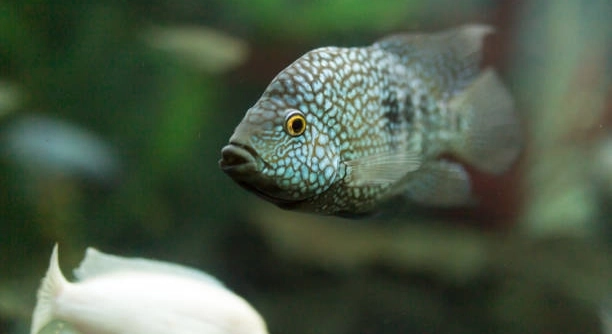
Many aquarium owners notice Jack Dempsey fish remaining inactive, ignoring the substrate, and showing little interest in digging, even when tank conditions appear stable, clean, and carefully maintained over time by dedicated home aquarists everywhere.
Jack Dempsey fish may refuse to dig due to stress, inappropriate substrate texture, limited territory, inconsistent water parameters, or social dominance issues. These conditions inhibit instinctive behaviors, causing reduced excavation activity as the fish prioritizes physiological stability over environmental modification.
Recognizing these underlying influences helps improve care practices, restore natural behaviors, and support a calmer, healthier aquarium environment overall consistently.
Environmental Stress and Tank Conditions
Jack Dempsey fish are sensitive to their surroundings, and stress often affects their natural behaviors. Loud environments, frequent tank movement, or sudden lighting changes can cause them to remain cautious. When stress is present, digging becomes unnecessary. Poor water quality also plays a major role. Elevated ammonia, nitrite, or nitrate levels create discomfort. Even small fluctuations in temperature or pH can lead to inactivity. A tank that lacks stable hiding spaces may further increase tension. If the fish feels exposed, it will avoid drawing attention through digging. Consistency is essential for this species. Regular water testing, steady lighting schedules, and minimal disruptions help establish security. When the environment feels predictable, Jack Dempsey fish are more likely to express instinctive behaviors, including interacting with the substrate in a calm and purposeful manner over time. This stability supports confidence and reduces defensive behavior during daily activity and feeding routines inside home aquariums.
Stress related refusal to dig is often overlooked. Subtle signs like dull coloration, reduced appetite, or constant hiding suggest discomfort. Addressing stress early helps restore confidence, allowing the fish to relax and resume normal behaviors gradually. This approach prevents prolonged inactivity and supports long term health in captive environments consistently.
Tank size and layout also influence digging behavior. Jack Dempsey fish require adequate space to establish territory. Cramped tanks limit movement and reduce interest in substrate interaction. Sparse decor can make the fish feel exposed, while overcrowding increases tension. Smooth sand or fine gravel is preferred, as rough materials may discourage digging. Decorations should be arranged to create visual breaks without blocking swimming areas. When the tank provides balance between open space and shelter, the fish feels secure. That sense of security encourages natural behaviors, including digging, nesting, and gentle substrate rearrangement over consistent daily care routines in home aquariums.
Social Factors and Behavioral Conditioning
Social dynamics strongly affect whether a Jack Dempsey digs. Dominant tank mates may suppress natural behavior. Constant chasing or visual pressure keeps the fish alert, reducing interest in modifying its surroundings through digging. This is common in shared tanks with limited space and mismatched temperaments among resident fish groups overall.
Behavioral conditioning over time also shapes digging habits. Fish raised in bare tanks without suitable substrate may never develop strong digging instincts. If food is always delivered at the surface, the fish has little reason to explore the bottom. Repetition teaches behavior. A predictable feeding routine that never involves the substrate limits engagement. Introducing sinking foods can encourage bottom interaction. Social learning matters as well. Fish kept alone may behave differently than those housed with compatible species. However, overcrowding reverses this benefit. Observation and gradual changes are key. Sudden rearrangements can increase stress, while small adjustments allow adaptation. Providing consistent cues helps reinforce desired behaviors. When digging is not required for comfort, shelter, or feeding, the fish may simply ignore the substrate. This does not always indicate poor health. Instead, it reflects learned patterns shaped by long term care choices. Adjusting those patterns takes patience, structure, and consistency within the aquarium environment. Owners often misinterpret this behavior as stubbornness, yet it is usually a response to routine. By changing feeding methods, improving layout, and reducing pressure, digging behavior may slowly appear without forcing adaptation. Time and observation remain essential parts of successful adjustments in long term aquarium care for keepers.
Substrate Choice and Tank Setup
Substrate choice plays a direct role in digging behavior. Coarse gravel can irritate the mouth and gills, discouraging contact. Very deep layers may feel unstable. Fine sand or smooth, shallow gravel supports comfort, allowing the fish to move material without strain or hesitation during daily activity inside the aquarium environment.
Tank layout also influences whether digging feels worthwhile. Decorations placed directly on the substrate can block access and reduce interest. Heavy rocks resting on sand may feel unsafe. Open areas encourage exploration. When caves and plants are anchored properly, the fish can interact freely. Rearranging decor too often disrupts familiarity. Keeping a stable layout allows confidence to build. Over time, this stability supports natural behaviors, including substrate movement. Simple adjustments, such as clearing one corner or leveling the base, can make a noticeable difference in daily activity levels within a calm, consistent home aquarium setting maintained over long periods carefully.
Lighting and background choices also affect comfort near the bottom. Bright lights without shaded zones can cause avoidance of exposed areas. Dark backgrounds reduce reflection and visual stress. A consistent light schedule helps regulate behavior. Sudden changes may trigger caution. When the fish feels secure across the tank, it is more likely to explore all levels. Substrate interaction becomes part of routine movement rather than a perceived risk. These details often seem minor, yet they influence confidence more than expected during daily aquarium care, especially for sensitive species kept long term in home tanks with minimal disturbance and stable routines.
Health, Age, and Individual Temperament
Health status often determines activity levels. Fish dealing with internal stress, minor infections, or nutritional imbalance may conserve energy. Younger fish tend to dig more than older individuals. Age reduces impulse behaviors. Each Jack Dempsey also has a distinct temperament shaped by experience. Some are naturally less interactive with substrate, even in ideal conditions. This variation is normal and does not always signal a problem within well maintained aquariums over time consistently observed by owners.
Appetite, growth rate, and posture provide useful clues. A healthy fish that eats well and swims steadily may simply lack motivation to dig. In contrast, lethargy paired with clamped fins suggests discomfort. Diet affects energy and interest. Low quality food can reduce engagement. Offering balanced meals supports activity. Past experiences also matter. Fish raised in minimal setups adapt differently than those exposed to complex tanks early on. Behavior reflects conditioning rather than defiance. Observing patterns over several weeks gives clearer insight. Small changes should be spaced out to avoid stress. Patience allows natural habits to surface without pressure. Consistent monitoring helps separate personal preference from environmental or health related influences over time within long term captive care routines practiced by attentive aquarium keepers daily steadily.
Feeding Practices and Substrate Interaction
Feeding methods can directly affect digging behavior. Fish that are always fed at the surface rarely explore the bottom. Introducing sinking pellets or occasional live foods encourages interaction with the substrate. Small changes in feeding routines can stimulate natural instincts over time in a calm aquarium environment.
Consistency in feeding schedules also matters. Sudden changes in timing or food type can cause hesitation or stress. Predictable routines help Jack Dempsey fish feel secure. Once trust in the feeding process is established, substrate exploration and digging often increase naturally without forcing behavior, supporting a healthier, more active fish.
Tank Mates and Social Stress
Aggressive or dominant tank mates can suppress digging. Jack Dempsey fish may stay alert or hide to avoid conflict. Overcrowded conditions reduce space for personal territory. Ensuring compatible species and adequate swimming room allows the fish to feel safe and express instinctive behaviors like substrate interaction and nest building naturally over time.
Water Parameters and Stability
Stable water conditions are crucial. Fluctuating pH, temperature, or hardness discourages movement and digging. Jack Dempsey fish require steady, clean water to feel secure. Minor inconsistencies can trigger stress responses, making them less likely to engage with the substrate even when other tank conditions are ideal and consistent over time.
Individual Personality Differences
Each Jack Dempsey has a unique temperament. Some fish are naturally less active or less interested in digging. Observing patterns helps distinguish between personality and environmental issues. Accepting individual differences allows for more realistic expectations and reduces unnecessary adjustments in tank management for long term care.
FAQ
Why is my Jack Dempsey fish not digging even though the tank looks perfect?
Even if the tank appears ideal, stress or environmental factors can limit digging. Fish may feel exposed, lack stable hiding spots, or be distracted by sudden movements, loud noises, or bright lighting. Substrate texture can also discourage activity. Fine sand or smooth gravel encourages digging, while rough or deep layers may feel unsafe. Consistent water quality and a calm environment often help fish feel secure enough to explore and interact naturally with the substrate. Patience is important, as adjustments may take several days or weeks before behaviors return.
Can the type of substrate stop my fish from digging?
Yes, substrate plays a major role in digging behavior. Jack Dempsey fish prefer soft, fine sand or smooth gravel that is easy to move and does not irritate their mouths or gills. Rough or uneven gravel can make digging uncomfortable or unsafe. Very deep layers may feel unstable and discourage exploration. Providing a substrate that feels natural and secure allows the fish to exhibit instinctive behaviors comfortably and encourages more frequent interaction with the bottom areas of the tank over time.
Do tank mates affect digging behavior?
Tank mates have a strong influence on whether Jack Dempsey fish dig. Dominant or aggressive fish may prevent them from exploring the substrate. Crowded tanks can increase stress and reduce personal territory, discouraging instinctive behaviors like substrate movement or nest building. Housing compatible species with sufficient swimming space gives the fish confidence to dig and express natural behaviors. Observation over time helps determine if social stress is the reason for inactivity, and adjusting tank mates or rearranging space can improve comfort and encourage engagement with the substrate.
How do feeding habits impact substrate interaction?
Feeding routines shape digging behavior significantly. Fish that are always fed at the surface rarely explore the bottom. Sinking pellets, live foods, or scattered feeding on the substrate encourage natural foraging instincts. Consistent schedules also build trust and reduce stress, allowing fish to explore freely. Over time, integrating substrate-based feeding can stimulate digging behaviors without forcing interaction, promoting both mental stimulation and physical activity in Jack Dempsey fish.
Can age or temperament affect digging?
Yes, age and personality strongly influence digging. Younger fish are usually more active and willing to explore the substrate. Older fish may naturally dig less due to decreased energy or confidence. Individual temperament varies; some Jack Dempsey fish are cautious and may not interact with the substrate frequently, even under ideal conditions. Recognizing these differences helps set realistic expectations, so you can focus on environmental improvements and gentle encouragement rather than expecting all fish to behave the same way.
Do water conditions matter for digging?
Water quality is critical. Fluctuations in pH, temperature, or hardness can stress Jack Dempsey fish and reduce activity. Stable parameters make the fish feel safe, encouraging normal behaviors like substrate interaction. Minor inconsistencies can be enough to prevent digging, even if other conditions are ideal. Regular testing, proper filtration, and gradual adjustments help maintain stability and support natural behaviors over time.
How can I encourage my Jack Dempsey to start digging again?
Encouragement comes from improving environmental conditions and reducing stress. Provide soft substrate, consistent water quality, stable lighting, and secure hiding spots. Adjust tank mates if needed and introduce feeding methods that stimulate bottom interaction. Small changes, patience, and observation help the fish regain confidence and gradually return to natural digging behaviors without forcing activity, supporting both health and comfort.
Is it normal for a Jack Dempsey to refuse digging sometimes?
Yes, it can be normal. Refusal to dig does not always indicate a problem. Personality, age, past experiences, or temporary stress can reduce activity. Observing overall health, appetite, and swimming patterns helps determine whether behavior is natural or needs intervention. Adjusting the environment thoughtfully usually restores confidence and substrate interaction over time.
Can tank layout prevent digging?
Absolutely. Decorations, rocks, or plants directly on the substrate can block access or make digging feel unsafe. Overcrowding reduces usable space and discourages exploration. Arranging decor to balance open areas and shelter provides security and encourages natural behaviors. Stability is key; frequent rearrangement can increase stress, so small, gradual adjustments are preferable to sudden changes.
How long does it take for a Jack Dempsey to resume digging?
Recovery varies. With consistent conditions, gentle encouragement, and reduced stress, some fish begin digging within days, while others may take weeks. Patience is essential. Observing patterns, avoiding sudden changes, and gradually improving the environment helps the fish regain instinctive behaviors naturally, supporting long-term health and confidence in the tank.
Final Thoughts
Jack Dempsey fish are fascinating and strong willed, but their behavior can sometimes be puzzling. When they refuse to dig, it is often not a sign of illness or stubbornness. Instead, it usually reflects how they feel about their environment. Factors such as water quality, substrate type, tank layout, lighting, and social dynamics all influence their comfort level. Even small changes, like a sudden shift in lighting or a new tank mate, can make them pause and avoid natural behaviors like digging. Understanding these influences is key to helping your fish feel safe and confident enough to interact naturally with their surroundings over time.
Providing the right environment starts with the basics. Consistent water parameters are essential. Jack Dempsey fish prefer stable conditions in temperature, pH, and hardness. Irregularities can create stress, and stressed fish tend to conserve energy rather than engage in substrate activity. Choosing the right substrate is equally important. Fine sand or smooth gravel is easier for them to move, while rough or uneven materials may feel uncomfortable. Tank layout also matters; open spaces combined with secure hiding spots allow them to feel protected. Decorations should be placed carefully to avoid blocking areas where the fish might dig. Consistency is key. Frequent rearrangements or sudden changes in decor, lighting, or feeding can discourage digging and make fish more cautious. Small, gradual adjustments tend to work best, allowing fish to adapt without stress.
Behavior is also influenced by individual temperament and past experiences. Some Jack Dempsey fish are naturally more reserved, while others are adventurous and curious. Age can play a role too, as younger fish are usually more active and willing to explore, while older fish may dig less frequently. Feeding habits have an impact as well. Fish that are always fed at the surface often lose interest in substrate interaction. Introducing sinking foods or scattering meals across the substrate encourages natural foraging behaviors and can increase digging activity over time. Observation and patience are essential. By carefully monitoring their behavior and making thoughtful, incremental improvements to their environment, you can create a tank where your Jack Dempsey fish feels secure, stimulated, and confident enough to display natural digging behaviors regularly, supporting both mental and physical health.

Hello,
If you enjoy the content that we create, please consider saying a "Thank You!" by leaving a tip.
Every little bit helps us continue crafting quality advice that supports the health, happiness, and well-being of pets around the world, for pets of all shapes, sizes, and species.
We really appreciate the kindness and support that you show us!