
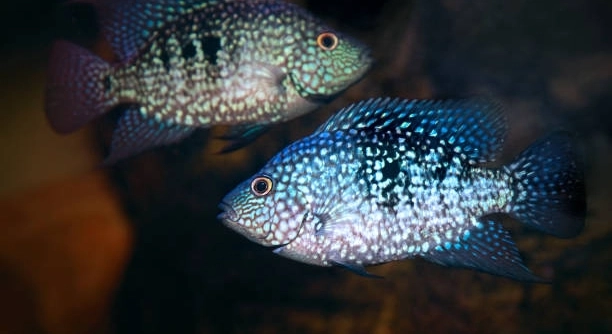
Have you ever noticed how your Jack Dempsey fish act differently around various parts of the tank? These colorful cichlids have clear preferences, and the water flow can influence their comfort and activity levels noticeably.
Jack Dempsey fish tend to prefer moderate to low water flow in aquariums. Excessive currents can stress them, reduce feeding efficiency, and alter natural behaviors, while gentle circulation promotes optimal health, territorial comfort, and natural swimming patterns in their environment.
Understanding these flow preferences will help you create a tank that supports their natural behavior and overall wellbeing. It can make a noticeable difference in how your fish thrive day-to-day.
Ideal Water Flow for Jack Dempsey Fish
Jack Dempsey fish prefer tanks with gentle to moderate water flow. Strong currents can stress them, making them hide or swim awkwardly. A tank with proper flow allows these cichlids to move comfortably, explore their territory, and feed without difficulty. Filters and pumps should be positioned to reduce turbulence near their favorite areas. Rocks, plants, and driftwood can help break up flow, giving calmer zones for resting. Observing your fish daily helps determine if they are struggling against the current or swimming normally. Adjusting water flow gradually ensures they adapt without sudden stress. Over time, a well-planned flow supports both their health and natural behaviors. Creating calm spots near decorations also provides shelter, reducing aggressive interactions. Consistent, moderate flow encourages healthy oxygenation and filtration while keeping your fish happy.
Maintaining moderate water flow minimizes stress and supports natural behaviors, while creating calm zones ensures Jack Dempsey fish can feed and rest comfortably.
Proper water flow affects more than activity—it influences their aggression levels, territory marking, and even coloration. Fish in well-balanced flow tend to display brighter colors and more confident movements. Overly strong currents may lead to hiding or fatigue, while stagnant areas can reduce oxygen circulation. Arranging decorations to create breaks in the flow provides natural shelters, letting fish rest and claim territory. Observing behavior after adjustments allows for fine-tuning and ensures each fish feels secure. Water pumps and filters should circulate water effectively without creating constant turbulence near main swimming areas. Over time, this balance helps maintain their health and encourages natural behaviors like foraging and exploring. Maintaining clean water, consistent temperature, and moderate flow all work together to create a comfortable habitat for Jack Dempsey fish.
Signs of Incorrect Tank Flow
Jack Dempsey fish struggling against strong currents often hide excessively or seem lethargic.
Improper water flow can cause stress, reduce feeding efficiency, and increase aggression among tank mates. Fish may constantly fight currents, avoid certain areas, or display faded colors. Slow flow may lead to debris accumulation and poor oxygenation. Observing swimming patterns and reactions to currents is key to detecting issues early. Gradual adjustments help fish adapt while improving comfort.
When flow is too strong, fish may tire quickly or develop fin damage from fighting the current. They may avoid open areas, limiting their exploration and social interaction. Too little flow can result in stagnant zones where waste accumulates, negatively affecting water quality and oxygen levels. Using flow modifiers, such as sponge filters or adjusting pump output, allows precise control without disrupting overall circulation. Regular observation ensures your adjustments meet the fish’s needs. By balancing flow with decorations and hiding spots, you can create a habitat that promotes health, natural behavior, and vibrant coloration. Properly managed flow helps reduce aggression, supports feeding, and encourages your Jack Dempsey fish to thrive in their environment.
Adjusting Flow with Filters
Filters should be positioned to reduce strong currents while maintaining proper water circulation. Using adjustable pumps or spray bars helps control direction and speed. Placing decorations strategically breaks up flow, giving calmer areas for Jack Dempsey fish to rest.
Adjustable filters allow precise control over water movement, which is essential for Jack Dempsey tanks. Strong currents can overwhelm these fish, leading to stress, hiding, and reduced feeding. By directing flow along tank edges or using deflectors, calmer swimming zones are created. Sponge filters or pre-filters also soften strong outflows. Monitoring fish behavior after adjustments ensures they are comfortable. Over time, these changes help balance oxygenation, filtration efficiency, and comfort. Proper filter placement supports natural swimming, territorial behavior, and overall health without creating constant turbulence that could harm fins or increase aggression.
Breaking up the flow using rocks, driftwood, and plants helps create natural shelters. Fish can rest, forage, or claim territories without fighting the current. Adjusting pump speed gradually ensures Jack Dempsey fish adapt without stress. Calm zones reduce aggression and allow more natural behaviors.
Observing Fish Behavior
Jack Dempsey fish that frequently hide or avoid certain areas may be stressed by flow. Watch their swimming patterns carefully for signs of discomfort or fatigue.
Stress from improper flow can show through hiding, lethargy, or faded colors. Fish may avoid open spaces or spend too much time near decorations, indicating strong currents. Observing how they interact with water movement helps determine if adjustments are needed. Regular monitoring also highlights changes in aggression or feeding, which can indicate flow issues. By taking notes on daily behavior, owners can fine-tune the setup to support comfort and reduce unnecessary stress. Adjusting flow gradually ensures that fish adapt smoothly while maintaining oxygenation and filtration efficiency in the tank.
Pay attention to swimming strength, fin condition, and territorial behavior. Fish that struggle against currents may damage fins or become overly aggressive toward tank mates. Observing feeding patterns also reveals flow impact, as fish in strong currents often eat less efficiently. Combining behavioral observation with flow adjustments ensures Jack Dempsey fish stay healthy, active, and confident in their environment. Consistent monitoring allows early detection of stress, giving time to modify flow or tank layout before issues worsen. This proactive approach maintains overall wellbeing while supporting natural behaviors and coloration.
Creating Calm Zones
Calm zones give Jack Dempsey fish places to rest and feel secure. Using rocks, plants, and driftwood helps break up strong currents. These areas reduce stress and allow fish to swim naturally without constantly fighting water movement.
Placing decorations strategically can guide flow away from resting areas. Calm zones encourage exploration and territorial behavior while keeping aggression lower. Fish spend more time in comfortable spaces, improving feeding and overall activity.
Using Spray Bars
Spray bars distribute water evenly across the tank. They reduce strong currents by spreading flow along the surface, creating a gentle circulation suitable for Jack Dempsey fish.
Regular Flow Adjustments
Adjusting flow gradually prevents sudden stress. Observe fish daily and make small changes to pumps or filter settings. Gradual modifications help them adapt without disrupting natural behavior or comfort.
Signs of Comfort
Fish swimming confidently, feeding regularly, and displaying vibrant colors indicate proper flow. Calm zones and moderate currents support these positive behaviors.
FAQ
How strong should the water flow be for Jack Dempsey fish?
Jack Dempsey fish do best with moderate to low water flow. Strong currents can tire them quickly, stress them, and make it harder for them to feed. Gentle movement allows them to swim naturally, explore the tank, and maintain proper territorial behavior without constant effort.
Can I use a standard filter for their tank?
Yes, a standard filter can work if the flow is adjustable or can be softened with deflectors. Positioning the filter to avoid strong direct currents and using spray bars or sponge pre-filters helps create calm areas, which are necessary for Jack Dempsey fish to rest.
How can I tell if my fish dislikes the current?
Signs include hiding frequently, swimming against decorations, struggling near outflows, or showing faded colors. Fish may also spend excessive time in corners or behind plants. Observing behavior during feeding or swimming periods can help identify areas where flow is too strong or uneven.
Is it necessary to break up the current with decorations?
Yes, rocks, driftwood, and plants not only provide hiding spaces but also reduce strong water movement. Calm zones let fish rest and claim territory without constant stress. Arranging decorations to guide flow around open areas also helps maintain natural swimming patterns.
How often should I adjust the flow?
Adjustments should be gradual and based on observation. Daily or weekly checks are helpful. Make small changes to pumps or spray bars, then watch how fish adapt. Sudden changes can stress them and may reduce feeding or cause aggressive behavior.
Can flow affect feeding habits?
Yes, strong currents make feeding harder because food can be swept away, and fish may tire before eating. Moderate flow and calm zones help them feed efficiently. Observing where they naturally swim during meals can help position feeding spots in low-flow areas.
Do tank size and layout impact flow preference?
Absolutely. Larger tanks may require stronger circulation, but too much flow in small areas can stress fish. Layout matters—placing rocks, plants, and driftwood can reduce turbulence and provide calm zones. Balancing flow with tank size ensures both proper filtration and comfortable swimming areas.
Will Jack Dempsey fish fight in strong currents?
Yes, strong currents can increase aggression. Fish may compete for calm areas or become more territorial due to stress. Providing multiple hiding spots and evenly distributed flow reduces conflict, allowing each fish to feel secure while swimming freely.
Can I use multiple pumps or filters to manage flow?
Yes, multiple sources can help create balanced circulation. Adjusting each pump or filter to reduce strong direct currents allows gentle movement throughout the tank. Combining decorations and multiple flow sources ensures calm zones while maintaining proper oxygenation and filtration efficiency.
How do I know if the flow is too weak?
Weak flow can result in stagnant water, debris accumulation, and reduced oxygen levels. Fish may swim sluggishly, and waste may settle in certain areas. Proper flow keeps water moving evenly, distributes oxygen, and helps maintain clean tank conditions while still being gentle for Jack Dempsey fish.
What is the best way to create calm zones?
Use rocks, driftwood, and plants to break up flow and provide resting spots. Position decorations to shield areas from direct currents while still allowing circulation for oxygenation. Observing where fish naturally gather helps identify ideal locations for calm zones.
Do Jack Dempsey fish change flow preferences as they grow?
Yes, juveniles may prefer slightly stronger currents as they are more active swimmers, while adults tend to favor calmer areas for resting and territory. Gradually adjusting flow as they grow ensures comfort without sudden stress or disrupted behavior.
Can improper flow cause health issues?
Yes, strong currents can cause fatigue, fin damage, and stress-related illness. Weak or stagnant flow may reduce oxygenation, leading to lethargy or susceptibility to disease. Properly balanced flow supports both physical health and natural behavior.
Should I monitor flow constantly?
Regular observation is important. Watch swimming, feeding, and resting patterns to ensure flow remains comfortable. Minor adjustments over time are better than large, sudden changes, which can stress Jack Dempsey fish and reduce their overall wellbeing.
How long does it take for fish to adapt to new flow settings?
Adaptation usually takes a few days to a week. Gradual changes help them get used to new conditions without stress. Observing behavior during this time ensures they are comfortable and not avoiding certain areas or struggling against currents.
Does water temperature affect flow preference?
Indirectly, yes. Colder water slows metabolism, so fish may tolerate slightly stronger currents, while warmer water increases activity, making strong currents more tiring. Maintaining consistent temperature and gentle flow together supports optimal health and behavior.
Can I combine flow adjustments with feeding routines?
Yes, placing food in calm zones helps fish feed efficiently. Adjusting flow around feeding areas reduces stress and ensures food is not swept away. This method encourages natural foraging behavior while keeping fish comfortable during meals.
Do Jack Dempsey fish enjoy hiding areas near calm zones?
Yes, calm zones paired with hiding spots provide security and reduce aggression. Fish can rest, claim territory, and explore at their own pace without constantly fighting currents. These areas also improve feeding and coloration by reducing stress and encouraging natural activity.
Are there any flow tips for breeding Jack Dempsey fish?
Keep water movement gentle around breeding sites. Strong currents can stress parents and disrupt spawning behavior. Calm zones with moderate oxygenation help eggs and fry survive, and careful observation ensures flow supports both adult fish and developing offspring.
What equipment helps control tank flow best?
Adjustable pumps, spray bars, sponge pre-filters, and flow deflectors are effective tools. Combining these with strategically placed decorations allows precise control of water movement, creating calm zones, proper circulation, and comfortable swimming areas for Jack Dempsey fish.
How important is observation compared to equipment?
Observation is just as important. Even the best equipment can create stress if flow isn’t suited to fish behavior. Watching daily swimming patterns, feeding habits, and hiding tendencies helps fine-tune equipment settings for optimal comfort and natural behavior.
Can too many decorations reduce flow too much?
Yes, excessive decorations may create stagnant zones, trapping waste and lowering oxygen levels. Balance is key—decorations should break up currents without blocking circulation entirely. Calm zones should complement flow rather than restrict it, maintaining both comfort and water quality.
How do I maintain flow consistency long-term?
Regularly clean filters, check pumps, and monitor decorations for blockages. Gradually adjust flow when needed and continue observing fish behavior. Consistent maintenance ensures oxygenation, proper filtration, and stable conditions that support health and natural behaviors over time.
What is the simplest way to test flow strength?
Use a small floating object or observe how fish swim near the filter output. Moderate flow moves the object steadily without creating turbulence that pushes it around violently. Watching fish reactions also indicates whether the current is comfortable or too strong.
How do seasonal changes affect flow?
Temperature fluctuations can alter water density and pump efficiency. Warmer water may increase fish activity, making strong currents more stressful, while colder water may slow swimming. Adjusting flow slightly with seasonal changes ensures consistent comfort and oxygenation.
Can other tank mates affect flow preferences?
Yes, more active or territorial species may increase water movement through swimming and chasing. Providing calm zones and observing interactions ensures Jack Dempsey fish remain comfortable even with other fish present. Proper flow management balances all species’ needs in the tank.
Is using multiple observation points helpful?
Yes, observing behavior in different areas of the tank helps identify strong or weak currents. Fish may tolerate flow in one area but avoid others. Adjusting equipment and decorations based on these observations creates a balanced environment with comfortable zones throughout the tank.
Do Jack Dempsey fish show clear preferences for specific tank areas?
Yes, they often choose calmer spots near hiding places or breaks in flow. Observing these preferences allows precise placement of decorations and adjustments to pumps, creating an environment that supports natural swimming, feeding, and territorial behavior.
How long should calm zones be maintained daily?
Calm zones should always exist. Fish use them continuously for resting, feeding, and territory. Even short periods of strong currents can stress them if there are no calm areas. Maintaining permanent gentle-flow areas ensures consistent comfort.
Can flow affect coloration in Jack Dempsey fish?
Yes, stress from strong currents can fade colors, while calm zones and moderate flow enhance natural brightness. Comfortable swimming conditions support healthy pigmentation, stress reduction, and overall vitality.
Are there visual signs of proper flow?
Fish swimming confidently, exploring open areas, feeding efficiently, and showing vibrant colors indicate balanced flow. Calm zones with gentle circulation are essential for these positive behaviors and overall tank health.
Does substrate type influence flow effects?
Yes, fine sand or small gravel can shift in strong currents, creating uneven surfaces or debris buildup. Coarser substrates resist movement better, helping maintain stable areas while allowing moderate flow for circulation and oxygenation.
Can over-filtering cause stress?
Yes, excessive flow from powerful filters can fatigue fish and increase aggression. Adjusting output and combining with decorations or flow deflectors reduces turbulence while maintaining water quality and oxygenation.
Should I track behavior changes after adjustments?
Always. Noting swimming patterns, feeding, and hiding tendencies helps evaluate whether flow changes are effective. Gradual adjustments combined with observation maintain comfort, natural behavior, and overall wellbeing for Jack Dempsey fish.
How important is trial and error in flow management?
Trial and error is essential. Each tank and fish group behaves differently. Observing responses and adjusting gradually ensures the best balance between filtration, circulation, and comfort, supporting health, behavior, and vibrant coloration consistently.
Can lighting affect flow perception?
Indirectly, yes. Shadows and bright areas may influence where fish swim, making them avoid strong currents. Combining lighting with calm zones helps create comfortable spaces and balanced activity.
Are plant types important for flow management?
Yes, tall or bushy plants can break currents, creating gentle areas, while low plants have minimal effect. Using a mix of plant types allows both circulation and calm zones, supporting resting, feeding, and natural swimming behavior.
Do Jack Dempsey fish benefit from flow variation?
Slight variations mimic natural conditions but should remain within moderate ranges. Sudden strong currents stress fish, but gentle, consistent variations can encourage activity and exploration without fatigue or discomfort.
How often should equipment be checked for flow efficiency?
Filters, pumps, and deflectors should be checked weekly for blockages or reduced output. Regular maintenance ensures proper circulation, calm zones, and oxygenation remain effective, supporting healthy behavior and reduced stress.
Can proper flow reduce aggression?
Yes, moderate flow and calm zones minimize stress and territorial disputes. Fish feel secure, which lowers conflicts, improves feeding efficiency, and encourages natural swimming patterns throughout the tank.
Is it necessary to document flow adjustments?
Documenting changes helps track what works best. Recording pump settings, decoration placement, and fish responses allows fine-tuning over time, ensuring consistent comfort and natural behavior for Jack Dempsey fish.
Can I replicate natural river currents in the tank?
Yes, but only moderately. Gentle, varied flow mimics natural conditions without exhausting the fish. Strong, continuous currents should be avoided. Observing behavior ensures flow remains comfortable while supporting health and activity.
Do Jack Dempsey fish prefer surface or bottom flow?
They usually favor moderate surface flow with calmer areas at mid-levels or near the bottom. This allows natural swimming, resting, and feeding while avoiding constant turbulence from high surface currents.
How do I balance filtration with gentle flow?
Use adjustable pumps, spray bars, or deflectors. Combining decorations and calm zones allows effective water filtration without creating stress from strong currents, maintaining oxygenation and cleanliness throughout the tank.
Can strong flow impact breeding behavior?
Yes, strong currents can disrupt spawning, egg laying, or fry survival. Calm zones near breeding sites allow safe, undisturbed reproduction and reduce stress for both adults and offspring.
Is there a preferred flow for juvenile vs. adult fish?
Juveniles may tolerate slightly stronger flow due to higher activity, while adults prefer calmer areas for resting and territory. Gradual adjustments as fish grow maintain comfort and natural behavior across all life stages.
How does flow interact with tank aeration?
Flow improves oxygen distribution but must remain gentle. Excessive turbulence can stress fish, while poor flow reduces oxygenation. Balanced movement ensures water remains healthy and supports natural behavior without causing fatigue.
Can decorative caves influence flow comfort?
Yes, caves break currents and provide hiding spots. Calm interiors allow rest, feeding, and territory claiming without constant fighting against water movement, supporting both security and activity.
Do Jack Dempsey fish ever prefer still water?
They tolerate low flow but need some circulation for oxygenation and waste removal. Still water for long periods can reduce oxygen levels and increase debris accumulation, negatively affecting health and behavior.
How can I combine multiple tips for optimal flow?
Use adjustable pumps, spray bars, and decorations together. Create calm zones, observe behavior, and make gradual adjustments. Balance circulation, oxygenation, and resting areas to support natural swimming, feeding, and territorial behavior consistently.
What’s the most common mistake in flow management?
Ignoring fish behavior or creating too strong currents is common. Observing responses and gradually adjusting equipment ensures comfort, natural activity, and healthy coloration while maintaining proper filtration and oxygenation.
Does substrate slope affect flow impact?
Yes, sloped substrates may increase localized currents or debris buildup. Level or gently sloped areas combined with decorations help maintain even flow, calm zones, and comfortable swimming conditions throughout the tank.
How important is patience in adjusting flow?
Patience is crucial. Gradual changes allow fish to adapt without stress, ensuring long-term comfort, natural behavior, and health. Rapid modifications can reduce feeding, increase aggression, and cause fatigue.
Can improper flow shorten lifespan?
Yes, chronic stress from strong or uneven currents can lead to fatigue, weakened immunity, and higher disease risk. Balanced, moderate flow supports long-term health and longevity.
Should I adjust flow for nighttime?
Mild reduction at night can be helpful as fish rest. Maintaining calm zones ensures they remain comfortable while still providing minimal circulation for oxygenation and waste removal.
Are there visual tools to measure flow?
Small floating objects or gentle observation of fish swimming patterns help estimate flow strength. Consistent observation ensures currents remain moderate and comfortable.
Can I experiment with different filter brands?
Yes, but monitor output carefully. Each brand may vary in flow strength, and adjustments may be needed to maintain calm zones and gentle circulation suitable for Jack Dempsey fish.
Is it possible to overdo calm zones?
Yes, too many decorations can create stagnant areas, trap waste, and reduce oxygenation. Balance calm zones with open areas to maintain proper flow and water quality.
How often should spray bars be cleaned?
Weekly or biweekly cleaning ensures even distribution and prevents blockages. Proper maintenance keeps flow consistent, oxygenation efficient, and calm zones effective for Jack Dempsey fish.
Do Jack Dempsey fish have individual flow preferences?
Yes, some may prefer slightly stronger or calmer areas. Observing each fish and providing multiple calm zones helps meet individual needs and reduces stress or conflict.
Can external pumps or wave makers be used?
Yes, if carefully controlled. These can create gentle surface movement or moderate currents, but strong or constant waves can stress Jack Dempsey fish. Observation and adjustment are key.
What role does tank height play in flow management?
Taller tanks can create stronger vertical currents. Adjusting pump output, decorations, and spray bar placement ensures gentle movement throughout all levels, supporting natural swimming behavior.
Can improper flow affect social behavior?
Yes, excessive currents can increase aggression or stress, while calm zones reduce conflict. Proper flow management helps fish interact naturally, maintain territories, and feel secure.
Is there a best time to make flow adjustments?
Adjust during active periods to observe immediate reactions. Avoid making changes during feeding or rest times. Gradual adjustments with careful observation lead to optimal comfort.
How do I combine all tips effectively?
Use adjustable pumps, decorations, spray bars, and observation together. Gradually fine-tune flow, create calm zones, and monitor fish behavior to maintain comfort, natural swimming, feeding efficiency, and overall health.
Can over-cleaning affect flow?
Yes, removing too many plants or decorations at once may increase currents abruptly. Gradual cleaning and maintenance help maintain stable, gentle flow.
Do seasonal water changes impact flow?
Yes, adding water can temporarily alter currents or temperature. Gradual addition and observation ensure fish adapt without stress.
What is the role of aeration devices in flow management?
Air stones or bubblers add gentle movement and oxygenation. Combined with calm zones, they support healthy circulation without creating stress from strong currents.
Are there signs of long-term stress from flow issues?
Faded colors, fin damage, lethargy, and increased hiding indicate chronic stress. Correcting flow gradually and maintaining calm zones improves overall health and behavior.
Can proper flow improve overall tank health?
Yes, balanced flow supports filtration, oxygenation, and waste removal while keeping Jack Dempsey fish comfortable. Healthy, active fish also maintain better water quality through natural behavior.
Do I need professional guidance for complex tanks?
Optional, but helpful for large or heavily stocked tanks. Professionals can advise on optimal pump placement, flow control, and calm zones to ensure Jack Dempsey fish thrive.
Is there a simple rule for flow management?
Moderate, adjustable flow with calm zones works best. Observe fish, adjust gradually, and combine with decorations for a balanced environment that supports natural behavior, health, and comfort.
Can I combine natural and artificial flow methods?
Yes, using plants, rocks, driftwood, and adjustable pumps together creates gentle, effective circulation. Observation ensures fish remain comfortable and calm zones function properly.
Do fish prefer certain flow directions?
They may favor areas where flow is deflected along tank sides or around decorations. Observation helps identify preferred zones for feeding, resting, and territory.
Can strong currents cause feeding competition?
Yes, currents may make some fish more dominant by accessing food first. Calm feeding zones reduce competition and allow all fish to eat efficiently.
How long does it take to see results after adjustments?
Behavioral changes, improved feeding, and calmer swimming can appear within days, while long-term comfort and coloration improvements may take weeks. Gradual adjustment ensures sustainable results.
Can external water sources influence flow?
Yes, overflows, waterfalls, or pumps can increase currents. Balancing these with calm zones is essential for Jack Dempsey comfort and natural behavior.
Should I consider tank shape when adjusting flow?
Rectangular tanks may create uneven currents along sides, while square tanks distribute flow differently. Decorations and spray bars help balance movement regardless of shape.
**Can stress from flow affect
Final Thoughts
Proper water flow is one of the most important factors in keeping Jack Dempsey fish healthy and comfortable. These fish naturally prefer moderate to low currents, which allow them to swim freely without exhausting themselves. When the flow is too strong, fish can become stressed, hide more often, or struggle to feed properly. By adjusting pumps, filters, and spray bars, and by using decorations such as rocks, plants, and driftwood, you can create calm zones that let fish rest and explore safely. Observing their behavior is essential because each fish may respond differently to flow levels, and small adjustments over time are usually more effective than sudden changes. Calm zones also help reduce aggression, as fish have safe areas to retreat and claim territory, which is important in maintaining harmony in a tank with multiple individuals. Consistent, gentle flow supports natural swimming patterns, feeding habits, and territorial behaviors, helping the fish feel secure in their environment.
Maintaining balanced water flow also has practical benefits for tank health. Proper circulation helps distribute oxygen evenly throughout the aquarium while ensuring waste does not accumulate in certain areas. Even with calm zones, moderate movement of water prevents stagnation, keeping both the fish and the environment healthy. Adjustable filters and careful placement of decorations can control turbulence while still allowing proper filtration. Spray bars, deflectors, and sponge pre-filters are effective tools for moderating flow without compromising water quality. Watching how fish interact with these adjustments can help you identify areas that need softer currents or more calm spots. Flow management is not only about comfort for your fish but also about maintaining a stable, clean, and oxygen-rich environment that supports long-term health. Regular observation and gradual adjustments create a tank that feels natural, safe, and consistent for Jack Dempsey fish.
Creating a comfortable and well-maintained tank requires attention to both equipment and behavior. Observing fish daily lets you notice subtle changes in swimming patterns, feeding habits, or coloration that indicate how well the flow meets their needs. Gentle, consistent water movement paired with calm zones ensures the fish can swim, feed, rest, and interact naturally. Adjustments should always be gradual, as sudden changes can cause stress or fatigue. Over time, a well-managed flow supports healthy coloration, reduces aggression, and allows your Jack Dempsey fish to thrive. Combining proper equipment, careful decoration placement, and consistent observation gives your aquarium a balanced environment that benefits both the fish and the overall ecosystem. With patience and attention to detail, you can provide a tank where your Jack Dempsey fish feel secure, active, and healthy.

Hello,
If you enjoy the content that we create, please consider saying a "Thank You!" by leaving a tip.
Every little bit helps us continue crafting quality advice that supports the health, happiness, and well-being of pets around the world, for pets of all shapes, sizes, and species.
We really appreciate the kindness and support that you show us!