
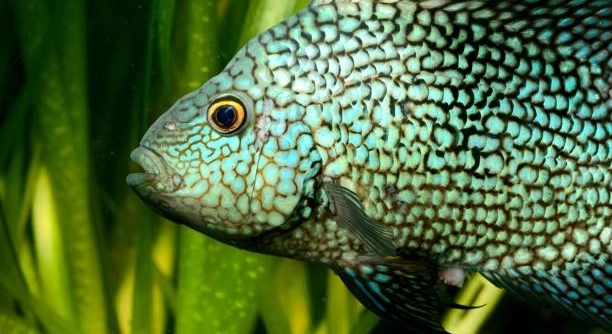
Have you ever noticed your Jack Dempsey fish suddenly changing colors in your aquarium? These shifts can be surprising, especially when you expect your fish to stay bright and consistent, adding beauty and life to your tank.
Sudden color changes in Jack Dempsey fish are primarily caused by stress, water quality issues, dietary differences, illness, hormonal fluctuations, social interactions, and natural aging. Each factor directly influences pigmentation and overall health, affecting the fish’s appearance and behavior.
Understanding these triggers can help you maintain a healthy tank and keep your Jack Dempsey vibrant and strong every day.
Stress and Environmental Changes
Jack Dempsey fish are sensitive to changes in their surroundings. Even small adjustments in water temperature, lighting, or tank decorations can cause them to lose their vibrant colors temporarily. Stress can come from overcrowding, sudden movements near the tank, or frequent handling. Fish respond to stress by changing pigmentation, which is a natural survival mechanism. In some cases, this color shift is subtle, while in others it can be dramatic. Ensuring a stable environment helps reduce these sudden changes and keeps your fish calm. Observing your fish daily can help identify stress triggers before they affect health. Providing hiding spots, consistent water parameters, and minimal disturbances allows Jack Dempsey fish to feel secure and maintain their usual coloration. Over time, a calm, stable environment encourages natural behaviors and reduces the likelihood of prolonged color fading. Stress management is key for a vibrant, healthy aquarium that showcases these fish at their best.
Stress can fade Jack Dempsey’s colors quickly, but stable conditions help them regain their normal appearance over time.
Monitoring water quality, adjusting lighting, and reducing disturbances ensures your Jack Dempsey recovers color naturally. Calm surroundings support both health and vivid pigmentation, keeping your aquarium visually appealing.
Diet and Nutrition
The type and quality of food directly impact a Jack Dempsey’s coloration. Poor diet or inconsistent feeding can cause dull or uneven coloring. High-quality pellets, live foods, and occasional vegetables provide necessary nutrients. Protein and carotenoids play a vital role in enhancing vibrant shades. Feeding too little or too much can stress the fish, which may also lead to color changes. Rotating food types ensures balanced nutrition, preventing deficiencies that affect pigmentation. Fresh and properly stored food reduces the risk of contamination, which can harm fish and influence their appearance. Homemade or commercially prepared diets enriched with color-enhancing ingredients help maintain brightness. Over time, a balanced and nutrient-rich diet strengthens the immune system, reduces stress, and allows the fish to display natural coloration consistently. Careful attention to feeding habits contributes to healthier, more visually striking Jack Dempsey fish that reflect proper care and maintenance.
Regular feeding with nutritious food maintains vibrant colors and overall health in Jack Dempsey fish.
Balanced diet, variety in food types, and enriched ingredients prevent dulling, support growth, and encourage consistent coloration throughout the fish’s life.
Illness and Disease
Illness can quickly change a Jack Dempsey’s colors. Bacterial infections, parasites, or fungal issues often cause dull or patchy pigmentation. Early detection is important to prevent long-term damage and restore the fish’s natural appearance.
Sick Jack Dempsey fish may show other signs alongside color changes, including lethargy, loss of appetite, and unusual swimming patterns. Water quality issues can make fish more susceptible to disease, so maintaining clean, well-filtered water is essential. Quarantining new fish before adding them to the main tank reduces the risk of spreading pathogens. Treating infections promptly with appropriate medications and monitoring recovery helps restore both health and color. Observing behavioral changes alongside pigmentation shifts provides a clearer picture of the fish’s condition.
Long-term illness can permanently affect a Jack Dempsey’s vibrancy if untreated. Providing a stress-free environment, proper nutrition, and timely medical care allows fish to regain their bright, natural colors while supporting overall health and longevity.
Social Interactions and Hierarchy
Jack Dempsey fish are territorial, and social dynamics can influence coloration. Dominant fish often display brighter colors, while submissive ones may appear duller to avoid conflict.
Aggressive behavior, frequent chasing, and crowding increase stress levels and trigger color fading. Establishing clear territories, using tank dividers when necessary, and monitoring fish interactions can reduce conflicts. Proper tank size and hiding spots help balance dominance among fish. Social stress can also lead to health issues, so observing interactions closely is important. Introducing new fish gradually prevents sudden disruptions to established hierarchies.
Changes in social structure, such as the removal or addition of fish, can significantly impact color patterns. Subordinate fish may remain dull for extended periods until dominance is established or the environment stabilizes. Maintaining consistent social conditions encourages natural coloration and healthier behaviors. Encouraging peaceful coexistence and minimizing territorial disputes creates a calmer tank where all fish can display their full range of colors without prolonged stress-induced fading.
Water Quality Fluctuations
Poor water quality can cause sudden color changes in Jack Dempsey fish. High ammonia, nitrite, or nitrate levels stress the fish, leading to dull or faded colors. Regular water testing and maintenance help prevent these issues.
Sudden shifts in pH, hardness, or temperature also affect pigmentation. Keeping parameters stable and consistent supports vibrant colors. Frequent partial water changes and proper filtration are essential to maintain a healthy environment where your fish can thrive. Monitoring and adjusting water conditions promptly ensures stress is minimized and natural coloration is preserved over time.
Hormonal Changes
Hormonal shifts, especially during breeding or growth phases, can alter a Jack Dempsey’s color. Males may become brighter, while females may darken. These changes are temporary but noticeable, reflecting reproductive readiness or maturity.
Aging and Natural Pigmentation
As Jack Dempsey fish grow older, their colors can naturally shift. Young fish often have more muted tones that intensify with age. Environmental stability, proper nutrition, and minimal stress help maintain the best coloration throughout their life.
What causes sudden color changes in Jack Dempsey fish?
Sudden color changes are usually caused by stress, illness, social interactions, hormonal shifts, poor water quality, diet, or aging. Each factor affects pigmentation in different ways, and sometimes multiple triggers can occur at once. Stress and environmental changes are the most common reasons for quick shifts.
How can I tell if my Jack Dempsey is stressed?
Stressed fish often appear dull or faded, hide more than usual, swim erratically, or lose appetite. Rapid color changes combined with unusual behavior are strong indicators. Monitoring your fish daily helps detect early signs of stress, which can prevent long-term health issues.
Can diet improve my fish’s color?
Yes, a balanced diet rich in protein, carotenoids, and vitamins helps maintain vibrant colors. High-quality pellets, live foods, and occasional vegetables provide necessary nutrients. Overfeeding or underfeeding can reduce pigmentation, so consistency is key for healthy coloration.
Does tank size affect color?
Smaller tanks increase stress due to crowding, leading to faded colors. Jack Dempsey fish need enough space to establish territory and swim freely. A larger tank with proper hiding spots reduces aggression and supports natural coloration.
Are color changes permanent?
Some color changes are temporary, caused by stress, social hierarchy, or breeding hormones. Long-term issues like illness or aging can produce permanent shifts. Providing stable water conditions, a good diet, and minimizing stress helps fish regain their natural colors when possible.
How does social hierarchy affect coloration?
Dominant Jack Dempsey fish usually display brighter colors, while submissive fish may become dull to avoid conflict. Changes in group dynamics, like adding or removing fish, can cause temporary or prolonged fading in subordinate individuals.
When should I be worried about color changes?
If color changes are sudden, accompanied by lethargy, loss of appetite, or unusual swimming, this may indicate illness or extreme stress. Promptly testing water quality, checking for aggression, and isolating sick fish can prevent serious problems.
Can water quality cause fading?
Yes, poor water quality including high ammonia, nitrites, nitrates, and sudden pH or temperature shifts can stress fish and fade colors. Regular testing and consistent maintenance help keep Jack Dempsey fish vibrant and healthy.
Do hormones change color temporarily?
During breeding or maturity, males often intensify in color while females may darken. These changes are natural and typically reversible once hormonal activity stabilizes. Providing a stress-free environment supports healthier hormonal transitions.
Is aging responsible for color changes?
As Jack Dempsey fish age, some natural fading or deepening of colors occurs. Young fish may be muted, while older fish develop stronger pigmentation. Stable care, good nutrition, and minimal stress help maintain the most vivid colors possible throughout life.
Can disease permanently affect color?
Bacterial, fungal, or parasitic infections can cause long-lasting or permanent discoloration if untreated. Early detection and proper treatment restore both health and color. Observing behavior alongside pigmentation changes is essential for timely intervention.
What can I do to help my fish regain color?
Ensure consistent water quality, provide a balanced diet, reduce stress, and monitor social interactions. Treat illnesses promptly and maintain a calm environment. With proper care, many Jack Dempsey fish recover their natural vibrancy over time.
How often should I check water parameters?
Weekly testing of pH, ammonia, nitrite, nitrate, and temperature is recommended. Sudden fluctuations can stress fish and cause color changes. Regular monitoring helps detect issues early and prevents long-term fading or health problems.
Can lighting affect color?
Lighting influences how fish display pigments. Too bright or inconsistent light can stress fish, while proper, stable lighting highlights natural colors. Combining correct lighting with other care practices enhances overall vibrancy.
Are there signs my fish is healthy besides color?
Yes, a healthy Jack Dempsey is active, eats regularly, maintains normal swimming patterns, and interacts with its environment. Bright color is a strong indicator, but behavior and appetite are equally important for assessing well-being.
Can multiple factors trigger color changes at once?
Yes, stress, diet, social hierarchy, and water quality often interact. A stressed fish with poor nutrition in an overcrowded tank is more likely to show sudden and dramatic color shifts. Addressing all factors together produces the best results.
How long does it take for color to return?
Recovery depends on the cause. Temporary stress or hormonal changes may reverse in days, while illness or long-term environmental issues can take weeks. Consistent care and proper treatment speed up the return of natural pigmentation.
Is it normal for Jack Dempsey colors to fluctuate daily?
Mild daily variations can occur due to mood, light, or feeding activity. Significant or prolonged fading is a signal of stress, poor water quality, or health concerns. Observing patterns helps distinguish normal fluctuation from problematic changes.
Can supplements help maintain color?
Color-enhancing supplements can improve pigmentation when added to a balanced diet. Vitamins, carotenoids, and minerals support natural vibrancy, but supplements cannot replace good water quality, proper diet, or stress management.
Does temperature affect coloration?
Extreme or fluctuating temperatures stress fish and dull colors. Maintaining consistent, species-appropriate water temperature helps preserve natural pigmentation. Rapid changes can trigger both temporary and long-term color loss.
Are hiding spots important for color maintenance?
Yes, providing caves, plants, or decorations reduces stress and aggression, allowing fish to feel secure. A calm environment supports brighter, more stable colors and healthier overall behavior.
Can breeding cause long-term color changes?
Breeding temporarily alters color due to hormonal shifts, especially in males. Usually, colors return to normal afterward. Repeated breeding without proper care may stress fish, affecting long-term pigmentation and overall health.
Do Jack Dempsey fish have naturally different color patterns?
Yes, genetics determine baseline coloration. Some fish may naturally display darker or lighter shades. Understanding individual differences helps distinguish between normal variation and concerning color changes.
What steps prevent sudden color changes?
Stable water conditions, proper diet, adequate tank size, minimal stress, monitoring social hierarchy, and early illness detection collectively prevent sudden or dramatic fading. Consistent care promotes long-lasting vibrancy and overall fish health.
How often should I feed to maintain color?
Feeding once or twice daily with high-quality, nutrient-rich food ensures consistent energy and pigmentation. Overfeeding causes stress and water quality issues, while underfeeding reduces vibrancy. Balanced portions maintain both health and natural coloration.
Are there signs that color changes are irreversible?
Permanent fading may occur with chronic illness, prolonged stress, or aging. Fish that remain dull despite proper care may have reached a natural limit of pigmentation or suffered long-term damage. Regular observation and early intervention help minimize irreversible changes.
Can adding new fish trigger color changes?
Yes, introducing new tankmates can disrupt social hierarchies, increase stress, and cause temporary fading in both new and existing fish. Gradual introductions and monitoring reduce conflicts and support color stability.
Do seasonal changes affect Jack Dempsey color?
Light cycles, temperature fluctuations, and activity levels vary with seasons and can influence pigmentation. Maintaining consistent tank conditions helps minimize seasonal fading and keeps colors vibrant year-round.
What is the most important factor to maintain color?
Stable water quality, balanced nutrition, minimal stress, and careful attention to social interactions are the most critical factors. Addressing these consistently ensures Jack Dempsey fish retain bright, healthy, and natural colors over time.
How can I tell if fading is temporary or permanent?
Temporary fading often coincides with stress, minor illness, or hormonal shifts and improves with care. Permanent fading usually results from chronic issues, aging, or untreated disease. Observing duration and accompanying behavior helps determine the cause.
Can tank decorations influence color?
Yes, sharp or poorly placed decorations can increase stress and territorial disputes, dulling colors. Providing safe, well-arranged decor supports security and allows natural pigmentation to show without interference.
Does water hardness affect pigmentation?
Extreme hardness or sudden changes in water chemistry can stress Jack Dempsey fish and trigger color loss. Maintaining moderate, consistent water hardness suitable for the species supports both health and coloration.
Is it normal for Jack Dempsey color to darken at night?
Yes, darker coloration at night or during rest periods is natural. This temporary shift is not harmful and usually reverses when the fish becomes active again under normal lighting conditions.
Can overcrowding cause permanent fading?
Long-term overcrowding increases stress, aggression, and susceptibility to disease. Prolonged exposure can lead to lasting color loss and health issues. Adequate tank size and proper stocking densities prevent these problems and maintain vibrant pigmentation.
How can I monitor color changes effectively?
Daily observation and noting behavior, water conditions, diet, and interactions allow you to detect subtle shifts. Photographs taken weekly can help track progress, identify causes, and guide adjustments to care routines.
Does stress from handling affect color?
Yes, frequent or rough handling stresses Jack Dempsey fish, causing temporary fading. Minimizing handling and using proper techniques preserves both color and overall well-being.
Can lighting intensity enhance or dull color?
Appropriate lighting highlights natural pigments, while overly bright or inconsistent lighting may stress fish, causing dulling. Consistent, moderate lighting helps maintain vibrant coloration.
Are all color changes cause for concern?
Not all shifts are harmful. Minor daily fluctuations, hormonal changes, or temporary stress-induced fading are normal. Persistent, dramatic, or accompanied by behavioral changes require attention. Observing context helps distinguish natural variations from problematic changes.
How do I support aging fish’s color?
Aging fish benefit from stable environments, nutrient-rich diets, and minimal stress. While some fading is natural, consistent care preserves the most vibrant colors possible for older Jack Dempsey fish.
Can live plants help maintain color?
Yes, live plants reduce stress, provide hiding spots, and improve water quality. A well-planted tank encourages natural behavior and helps Jack Dempsey fish retain their vivid colors.
Does water flow influence color?
Strong currents can stress fish and dull pigmentation. Moderate, consistent water flow supports health and natural coloration while promoting exercise and oxygenation.
Can seasonal diet adjustments help?
Offering seasonal variations in food with fresh, nutrient-rich items supports consistent pigmentation. Rotating protein sources and color-enhancing ingredients prevents dulling and boosts overall health.
How long should I observe after changes?
Monitor for at least one to two weeks after any environmental, social, or dietary change. Gradual recovery or continued fading indicates whether adjustments are effective or further action is needed.
Are color changes always visible immediately?
No, some changes appear gradually. Stress, illness, or diet-related fading can take days to become noticeable. Consistent monitoring is essential to detect and address issues early.
Does tank placement affect coloration?
Proximity to windows, vibrations, or frequent human activity can stress fish, causing color changes. Placing the tank in a stable, low-disturbance area supports consistent coloration and reduces stress.
Can seasonal temperature shifts be mitigated?
Yes, using heaters or chillers maintains stable temperatures despite seasonal changes. Consistent conditions prevent stress-induced fading and support long-term vibrant pigmentation.
How do I balance multiple triggers?
Address water quality, diet, social dynamics, and stress simultaneously. Neglecting one factor can prolong fading. A holistic approach ensures stable conditions and maintains the most vibrant colors in Jack Dempsey fish.
Does breeding frequency impact color long-term?
Frequent breeding without adequate recovery increases stress and may gradually reduce coloration. Allowing rest periods and maintaining proper care preserves both health and natural vibrancy.
Can supplements replace proper care?
No, supplements support nutrition but cannot replace water quality, stress management, or social balance. They enhance color only when combined with overall good care practices.
Is it normal for males and females to differ in color?
Yes, males are usually brighter, especially during breeding, while females may appear darker. This natural difference reflects hormonal and reproductive roles and is not a sign of poor health.
How often should tankmates be rotated or added?
Frequent changes disrupt social hierarchy and increase stress. Gradual introductions and minimal rotations reduce fading and maintain a stable environment.
Can seasonal lighting cycles affect color recovery?
Yes, consistent daily light periods support natural rhythms. Abrupt changes can stress fish, slowing recovery from fading caused by other triggers. Stable lighting promotes both health and pigmentation.
Does tank shape matter for color?
Long, spacious tanks allow free swimming and territory establishment, reducing stress. Small or awkwardly shaped tanks can increase aggression and dull coloration over time.
How do I know if fading is from stress or illness?
Observe behavior, appetite, swimming patterns, and water quality. Stress-induced fading usually resolves with environment adjustment, while illness often presents additional symptoms like lethargy, abnormal spots, or frayed fins.
Are there natural remedies for color fading?
Stress reduction, improved diet, stable water, and proper tank setup are the most effective remedies. Some additives or supplements may help, but they cannot replace proper care and environmental management.
Can multiple stress factors interact?
Yes, stress from overcrowding, poor diet, and temperature fluctuations can combine, causing more significant and prolonged fading than a single factor. Addressing all triggers together yields better results.
How long should color recovery take after treatment?
Depending on the cause, recovery may take a few days for stress-related fading, or several weeks for illness or social adjustments. Patience and consistent care are key.
Is it normal for older fish to show patchy coloration?
Yes, aging can cause uneven pigmentation. While some patchiness is natural, drastic changes may indicate health issues. Monitoring water quality and diet helps minimize negative effects.
Can introducing hiding spots restore color?
Yes, hiding spots reduce stress and allow fish to feel secure. When fish feel safe, natural pigmentation often returns more quickly and consistently.
Does water chemistry consistency matter more than exact numbers?
Yes, stability is often more important than hitting perfect parameters. Sudden changes in pH, hardness, or temperature stress fish and trigger color fading. Maintaining consistent conditions is critical for long-term coloration.
Can I prevent hormonal color changes?
Hormonal changes during breeding or growth are natural and unavoidable. You can support color stability by reducing other stress factors, providing good nutrition, and keeping social interactions calm.
Are color changes reversible in all cases?
Not always. Stress, hormonal shifts, or minor environmental changes are usually reversible. Long-term illness, aging, or untreated conditions may result in permanent fading. Observing patterns helps determine which cases can improve with care.
Do Jack Dempsey fish have individual color ranges?
Yes, genetics determine baseline coloration. Some fish naturally display darker or lighter shades. Recognizing individual patterns helps differentiate normal variation from concerning changes.
How can I track subtle changes effectively?
Photographs, notes on behavior, water conditions, diet, and tank interactions allow accurate monitoring. Tracking over time helps identify trends and underlying causes for fading or changes.
Are all water additives safe for color enhancement?
No, some additives may stress fish or alter water chemistry. Only use safe, species-appropriate products to support color, health, and overall tank stability.
How important is routine observation?
Daily observation is critical. Quick detection of color changes, unusual behavior, or environmental shifts allows prompt intervention, preserving both health and pigmentation.
Can stress from transport affect color?
Yes, moving fish between tanks or during transport often triggers temporary fading. Providing a calm environment afterward helps recovery and restores natural coloration.
Does tank noise affect pigmentation?
Excessive vibrations, loud sounds, or frequent disturbances can stress fish, leading to color loss. Placing the tank in a quiet, stable location supports vibrant, healthy pigmentation.
Can seasonal diet changes support hormonal color shifts?
Yes, providing high-protein, nutrient-rich foods during breeding or growth phases helps maintain natural pigmentation and supports overall health during hormonal transitions.
Are temporary color fades a cause for concern?
Not always. Minor fading due to mood, lighting, or activity is normal. Persistent, dramatic, or accompanied by other health issues requires attention and corrective measures.
Does tank lid coverage affect stress and color?
Yes, uncovered tanks may increase stress from outside movements or light fluctuations. Proper coverage reduces disturbances, helping maintain calm behavior and vibrant coloration.
Can overcrowding lead to both stress and disease?
Yes, crowding increases aggression, stress, and susceptibility to illness. This combination often results in color fading, poor health, and long-term vitality loss. Adequate tank space prevents these problems.
Does color intensity indicate overall health?
Bright, consistent coloration usually signals good health, but behavior, appetite, and activity are equally important indicators. Dull colors combined with abnormal behaviors suggest underlying issues that need attention.
How can I maintain color long-term?
Provide stable water quality, balanced nutrition, proper tank size, minimal stress, and careful social management. Routine observation and early intervention for health issues ensure Jack Dempsey fish remain vibrant throughout life.
Do all Jack Dempsey fish respond the same to stress?
No, individual temperament, age, and genetics affect sensitivity. Some fish fade quickly, while others tolerate minor disturbances without noticeable color changes. Understanding your fish’s personality helps manage care more effectively.
Can adding plants and hiding spots prevent fading from social stress?
Yes, these additions reduce aggression, allow territory establishment, and provide safe spaces, helping subordinate fish retain color and decreasing overall tank stress.
Are color changes always visible under all lighting conditions?
Lighting affects how pigments appear. Fish may look dull under low or harsh light even if their natural coloration is healthy. Consistent, appropriate lighting helps monitor true color changes.
Does water flow direction influence color?
Strong or turbulent flow can stress Jack Dempsey fish, causing fading. Gentle, consistent currents support exercise, oxygenation, and stable coloration without triggering stress-related changes.
Can prolonged stress permanently reduce color intensity?
Yes, chronic stress from poor water quality, overcrowding, or social conflicts can lead to lasting color loss. Minimizing stress is essential to preserve natural pigmentation and overall health.
Do temperature extremes cause temporary or permanent fading?
Both. Short-term extremes may cause temporary dulling, while prolonged exposure to unsuitable temperatures can permanently affect coloration and health. Maintaining stable, appropriate temperatures prevents these issues.
Are there behavioral signs that accompany color changes?
Yes, lethargy, hiding, reduced feeding, and unusual swimming often accompany fading. Observing these behaviors alongside pigmentation helps identify underlying causes quickly.
Can tank maintenance routines affect coloration?
Yes, irregular cleaning or sudden large water changes stress fish, leading to fading. Gradual, consistent maintenance supports stable color and a healthy environment.
Is it normal for Jack Dempsey to darken when sleeping?
Yes, temporary darkening during rest is natural. Colors return when the fish becomes
Jack Dempsey fish are beautiful and striking, but their colors can change for many reasons. Stress, water quality, diet, social interactions, hormones, illness, and aging all play a role in how they look at different times. Understanding these factors helps keep the fish healthy and maintains their natural vibrancy. Observing your fish daily and knowing their normal behavior and coloration makes it easier to notice sudden changes. Small adjustments to their environment or care routine can often restore color quickly, and paying attention to details helps prevent long-term issues. Taking care of water quality, providing a balanced diet, and reducing stress are the most effective ways to support bright, stable coloration over time.
Consistency is important for Jack Dempsey fish. They respond best to stable conditions in their tank. Rapid or frequent changes in water temperature, pH, or hardness can stress them and cause fading. Overcrowding and social conflicts can also trigger color changes, so ensuring enough space and providing hiding spots is essential. Nutrition is another key factor. Feeding high-quality, nutrient-rich foods that include protein and carotenoids enhances natural pigmentation. Avoid overfeeding or underfeeding, as both can affect color and overall health. Even factors like lighting and water flow can influence appearance. Moderate lighting that mimics natural conditions helps show off the fish’s colors, while strong currents or harsh light can cause stress and temporary fading. Paying attention to these small details ensures your Jack Dempsey maintains vibrant, healthy colors throughout its life.
Color changes do not always indicate a problem, but persistent fading combined with unusual behavior may point to illness or stress. Temporary shifts caused by hormonal changes, mood, or environmental adjustments are often normal and reversible. Long-term or permanent fading can happen if stress, illness, or poor conditions are not addressed. Providing a calm, well-maintained tank with proper nutrition and space for each fish supports both health and appearance. Regular observation, patience, and attention to care routines help prevent issues before they become serious. Maintaining consistent water quality, reducing stress, monitoring social interactions, and addressing any health concerns promptly ensures Jack Dempsey fish can display their full, natural range of colors. By focusing on these core aspects of care, you create an environment where the fish are more likely to thrive, enjoy better health, and maintain the vibrant coloration that makes them such a striking addition to any aquarium.

Hello,
If you enjoy the content that we create, please consider saying a "Thank You!" by leaving a tip.
Every little bit helps us continue crafting quality advice that supports the health, happiness, and well-being of pets around the world, for pets of all shapes, sizes, and species.
We really appreciate the kindness and support that you show us!