
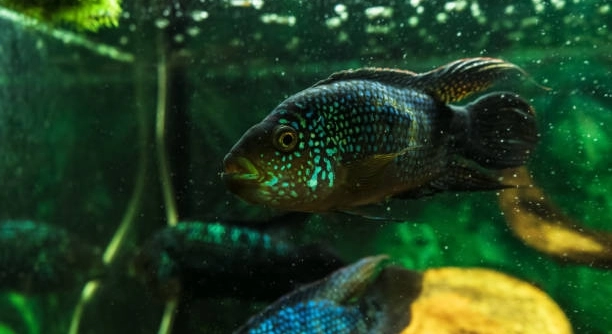
Keeping a Dempsey fish in a community tank can be rewarding, but these fish have distinct personalities. They may show aggression or stress when certain tankmates display inappropriate behaviors. Observing these interactions ensures a harmonious aquarium environment.
Dempsey fish will not tolerate aggressive chasing, fin nipping, territorial dominance, constant harassment, food theft, overcrowding, or sudden, erratic movements from other tankmates. These actions can provoke stress, injury, or persistent conflict, which may negatively affect their health and well-being.
Recognizing these behaviors early allows you to maintain peace in your aquarium and protect your Dempsey fish from unnecessary stress. Proper tankmate management promotes a healthy, balanced environment for all fish.
Aggressive Chasing
Aggressive chasing is one of the most common issues Dempsey fish face with certain tankmates. These fish have a strong territorial instinct, and when another fish constantly pursues them, it can cause significant stress. Over time, the Dempsey may hide, refuse food, or become more aggressive in response. Even fish that seem small or harmless can trigger this behavior if they repeatedly invade the Dempsey’s space. Observing your tank closely will help you identify which fish are instigating these chases. Removing or separating overly active fish can prevent injuries and improve the overall harmony in the tank. Providing plenty of hiding spots and decorations also reduces stress and allows the Dempsey to feel more secure. In some cases, rearranging the tank layout can break established territories and limit chasing behavior. Maintaining a balance of tankmates and monitoring interactions is key to keeping your Dempsey healthy and calm.
Aggressive chasing often leads to physical harm and heightened stress levels in Dempsey fish.
Setting up visual barriers or larger tank spaces can help minimize chasing. A calm, structured environment keeps interactions controlled, reducing long-term aggression.
Fin Nipping
Fin nipping is another behavior Dempsey fish do not tolerate. Fish that bite fins create wounds and increase the risk of infections. Continuous nipping can permanently damage fins, making the Dempsey more vulnerable to illness and stress. Even minor bites can escalate if not addressed promptly. Tankmates that are naturally aggressive or overly active are often the source of fin nipping. Ensuring that all fish have similar temperaments and activity levels reduces the likelihood of conflict. Sometimes adding slow-moving or bottom-dwelling fish can distract more aggressive species and lower tension. Regular observation and timely intervention are essential. Adjusting feeding schedules and providing enrichment, like plants or rocks, can also keep aggressive fish occupied. In more severe cases, separating the Dempsey from persistent nippers may be the only solution to prevent serious injury. Maintaining proper water quality and monitoring recovery of any minor wounds also support the Dempsey’s health.
Territorial Dominance
Dempsey fish are highly territorial and may become aggressive when other fish invade their space. Encroachment can lead to fights, stress, and injuries. Proper tank size and layout help minimize territorial disputes.
A Dempsey’s territorial behavior intensifies in smaller tanks or when hiding spots are limited. Fish that swim too close to the Dempsey’s preferred area may trigger constant displays of aggression. Rearranging decorations and adding plants or rocks can create separate zones, giving both the Dempsey and other fish a sense of security. Consistent observation is necessary to identify patterns of dominance and reduce conflicts effectively.
Territorial disputes often escalate during feeding or breeding periods. If left unmanaged, they can result in injuries, stunted growth, and heightened stress. Limiting aggressive interactions through tank design, compatible tankmate selection, and visual barriers ensures the Dempsey maintains control without harming others, supporting long-term health and stability.
Constant Harassment
Constant harassment wears down a Dempsey’s tolerance quickly, causing stress and fatigue. Persistent chasing, nudging, or crowding can prevent proper rest and feeding, affecting overall health.
Fish that repeatedly harass the Dempsey create an environment of constant tension. This behavior often comes from more active or aggressive species that do not recognize boundaries. Even minor interactions, if continuous, can elevate stress hormones, weaken the immune system, and reduce appetite. Providing multiple hiding spots and visual barriers can reduce exposure to harassing tankmates. Adjusting feeding schedules ensures the Dempsey receives enough food without competition. Monitoring interactions closely allows you to intervene before minor harassment turns into serious aggression, protecting the Dempsey from long-term stress and potential injury.
Food Theft
Food theft is a serious issue for Dempsey fish. When tankmates steal their meals, it can lead to malnutrition and increased aggression. Ensuring the Dempsey gets enough food is essential for health and growth.
Separate feeding zones or timed feedings help reduce competition. Observing mealtime behavior allows you to identify fish that consistently take the Dempsey’s food, preventing stress and maintaining proper nutrition.
Overcrowding
Overcrowding increases stress and triggers aggressive behavior. Dempseys require enough space to establish territories and swim comfortably. Without sufficient room, conflicts rise, and injuries become more likely. Proper stocking levels and tank size are critical to maintain harmony among all fish.
Sudden Movements
Sudden, erratic movements from tankmates can startle Dempsey fish. Quick darting or unexpected approaches provoke defensive reactions, often leading to aggressive displays or chasing. Reducing high-energy fish in the tank can help maintain a calm environment.
FAQ
What tankmates are safe for Dempsey fish?
Dempsey fish do best with similarly sized, semi-aggressive or calm species. Avoid tiny, fast-moving fish that may trigger chasing or fin nipping. Cichlids of comparable size, larger catfish, and certain peaceful bottom dwellers often coexist well. Proper tank layout with hiding spots also improves compatibility.
Why does my Dempsey act aggressively toward certain fish?
Aggression is often territorial or stress-related. Dempseys naturally establish dominance and react to encroachment, chasing or nipping intruders. Overcrowding, lack of hiding spots, or active tankmates can worsen behavior. Adjusting tank size, rearranging decorations, or separating aggressive individuals reduces stress and prevents injuries.
How can I stop fin nipping in my tank?
Fin nipping usually occurs when fish are overly active or aggressive. Identifying the offending tankmates is key. Increasing hiding spaces, providing enrichment, and selecting compatible species helps minimize attacks. In severe cases, separating persistent nippers from the Dempsey prevents permanent damage and stress.
What signs indicate my Dempsey is stressed?
Stress manifests as hiding, loss of appetite, faded colors, or constant aggression. Restlessness or frequent darting may also appear. Monitoring interactions, water quality, and tank conditions helps identify triggers. Reducing stressors like overcrowding or aggressive neighbors improves the Dempsey’s health and behavior.
Is feeding an issue in community tanks with Dempseys?
Yes, Dempseys can lose food to faster or aggressive fish. This may lead to malnutrition or increased aggression during feeding times. Separate feeding areas or careful timing ensures the Dempsey receives enough food without competition. Observing mealtimes allows adjustments to prevent ongoing stress.
Can tank size affect Dempsey aggression?
Absolutely. Smaller tanks increase territorial disputes and stress. Dempseys need space to swim freely and establish territories. Overcrowding amplifies aggression toward tankmates. Proper tank size, around 55 gallons or more for one Dempsey with compatible fish, ensures adequate space and reduces conflicts.
Do decorations help reduce conflicts?
Yes. Rocks, plants, and hiding spots allow Dempseys and other fish to establish separate zones. Visual barriers reduce direct confrontation and give shy or stressed fish refuge. Rearranging decor periodically can break established territories and limit aggressive patterns among tankmates.
Can Dempseys coexist with bottom dwellers?
Generally, yes. Peaceful bottom dwellers like certain catfish or loaches rarely provoke Dempseys and occupy different zones. Avoid aggressive bottom dwellers that compete for food or space. Providing adequate substrate and hiding spots ensures both species coexist without conflict.
How often should I monitor tank interactions?
Daily observation is recommended, especially after introducing new fish. Watch for chasing, nipping, or stress signs. Early detection of aggression prevents injuries and allows timely intervention. Adjusting tank layout, separating incompatible fish, or monitoring feeding behavior maintains a calm environment.
What should I do if aggression persists?
Persistent aggression may require separating the Dempsey or the offending fish. Re-evaluating tankmate compatibility, rearranging decorations, or increasing tank size can reduce conflicts. Ensuring proper feeding, hiding spots, and calm water conditions supports long-term health and minimizes stress-related behaviors.
How can I prevent sudden movement stress?
Minimize high-energy fish and avoid frequent tapping or disturbances near the tank. Providing visual barriers and ample swimming space reduces startled reactions. Calm, predictable tankmates create a stable environment, allowing Dempseys to feel secure and maintain normal behavior.
Are Dempseys suitable for community tanks?
They can be, but careful planning is essential. Choosing compatible fish, maintaining proper tank size, and providing hiding spots are critical. Monitoring interactions and adjusting conditions proactively ensures a harmonious setup where the Dempsey thrives without harming other tankmates.
What is the best diet for Dempsey fish in a community tank?
A varied diet of high-quality pellets, occasional frozen or live foods, and vegetables supports health. Ensuring the Dempsey receives enough food despite tankmate competition is crucial. Feeding multiple small portions or at different locations prevents food theft and keeps the fish well-nourished.
Can Dempseys tolerate changes in tankmates?
They may react aggressively to new arrivals initially. Gradual introductions, visual barriers, and rearranged territories help reduce tension. Closely monitoring interactions during the first days prevents injuries and allows a smoother adjustment period for both the Dempsey and other fish.
How do I maintain long-term harmony in a Dempsey tank?
Consistent monitoring, proper tank size, compatible tankmates, hiding spots, and careful feeding routines are essential. Addressing aggression early, reducing stressors, and maintaining water quality ensures a healthy, balanced environment where Dempseys and their tankmates coexist peacefully.
This FAQ section provides practical solutions to common challenges, ensuring the Dempsey fish stays healthy while living in a community tank.
Final Thoughts
Keeping a Dempsey fish can be highly rewarding, but it requires careful planning and attention. These fish have strong personalities and clear boundaries, and their reactions to tankmates are predictable when observed closely. Understanding which actions they tolerate and which provoke aggression is essential for maintaining a peaceful aquarium. By recognizing behaviors such as chasing, fin nipping, or territorial dominance, you can prevent injuries and reduce stress. Providing proper tank size, hiding spots, and compatible fish helps create an environment where the Dempsey can thrive without constant conflict. Observing interactions regularly allows you to identify potential problems before they escalate.
In addition to tankmate management, feeding and environmental conditions play a key role in a Dempsey’s well-being. Ensuring the fish receives sufficient food without interference from faster or aggressive tankmates is critical. Overcrowding can increase tension, so maintaining appropriate stocking levels is equally important. Decorations, plants, and rocks not only enhance the aesthetic of the tank but also provide zones for fish to establish territories safely. Visual barriers and varied landscapes help minimize direct confrontation and create a more balanced environment. Water quality and regular maintenance further support health and reduce the likelihood of stress-induced aggression, which is often overlooked but vital for long-term care.
Ultimately, success with Dempsey fish depends on observation, preparation, and timely intervention. Their behavior may appear aggressive at first, but much of it is natural and manageable when proper steps are taken. Carefully selecting tankmates, designing a thoughtful layout, and monitoring interactions will allow both the Dempsey and other fish to coexist. By addressing issues like constant harassment, sudden movements, and food competition proactively, you can create a stable, harmonious tank environment. Paying attention to these details ensures your Dempsey remains healthy, vibrant, and less prone to stress, giving you the satisfaction of a well-maintained, peaceful aquarium.

Hello,
If you enjoy the content that we create, please consider saying a "Thank You!" by leaving a tip.
Every little bit helps us continue crafting quality advice that supports the health, happiness, and well-being of pets around the world, for pets of all shapes, sizes, and species.
We really appreciate the kindness and support that you show us!