
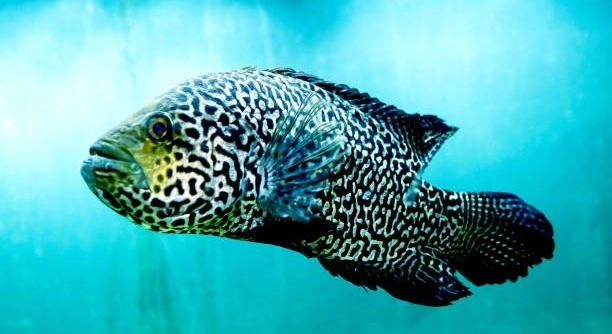
Have you ever noticed your Dempsey fish suddenly darting across the tank without warning? These colorful cichlids are usually calm, but certain situations can trigger sudden lunges that startle even experienced owners.
Dempsey fish may suddenly lunge due to environmental stress, territorial behavior, feeding responses, or interactions with other fish. Sudden movements are often instinctual reactions to perceived threats, competition, or excitement, and they can occur even in well-maintained aquariums.
Observing these behaviors closely can help you manage your tank more effectively and create a safer environment for your fish. Understanding the triggers provides insight into their natural instincts and daily patterns.
Territorial Displays
Dempsey fish are naturally territorial, especially males. They often lunge when they feel their space is being invaded. In a crowded tank, this behavior can happen frequently. Even small movements near their hiding spots can trigger sudden bursts of activity. Observing where they establish boundaries helps in arranging decorations and plants effectively. Providing multiple hiding spots reduces stress and the need to defend territory constantly. These fish can be aggressive when new tankmates are introduced. Careful monitoring during feeding or cleaning also helps minimize sudden attacks. Over time, they may learn to tolerate other fish if the environment feels secure.
Territorial lunging is a normal behavioral pattern for Dempsey fish, often signaling the need for personal space within the aquarium. Managing tank layout and population density can reduce the frequency of these movements effectively.
Watching these interactions carefully can improve tank harmony. By arranging rocks and plants to create defined territories, you can limit conflict. Paying attention to their preferred spaces also helps prevent accidents and reduces stress. Over time, Dempseys adapt to their environment, and their sudden lunges may decrease as boundaries are respected. Observation and adjustment are key to maintaining a peaceful aquarium without overhandling the fish.
Feeding Excitement
Dempsey fish often lunge when food is introduced.
Feeding time triggers strong responses. They may dart toward pellets or live food with surprising speed. This behavior is instinctive and shows their natural hunting reflex. Timing and consistency in feeding can help manage their excitement.
Fish can become highly reactive during feeding because it stimulates their predatory instincts. Even if they are well-fed, the sight of food can provoke lunging. Providing smaller portions or using feeding tools like tongs can reduce sudden movements. Over time, they associate feeding with a routine, lowering the intensity of these bursts. It is important to ensure that multiple fish receive food to avoid competition-driven aggression. Observing their reactions allows you to adjust feeding techniques and maintain calm. By understanding these patterns, you create a healthier environment where each Dempsey can eat safely without causing stress or injury to tankmates. Proper spacing and timing are essential to prevent unnecessary excitement.
Stress and Sudden Movements
Stress can cause Dempsey fish to lunge unexpectedly. Changes in water temperature, poor water quality, or sudden noises can trigger these reactions. Keeping conditions stable is essential for calmer behavior.
Environmental stressors directly affect fish behavior. Sudden movements in Dempseys often indicate discomfort or anxiety. High nitrate levels, low oxygen, or frequent vibrations from outside the tank can make them reactive. Even small changes, like moving decorations or introducing new tankmates, can increase stress. Observing water parameters regularly and maintaining a consistent routine helps minimize these triggers. A stable environment supports healthier fish and reduces the chances of unexpected lunges, promoting a calmer and more predictable aquarium dynamic.
Fish may also react to chemical or visual changes in the tank. Strong scents, sudden lighting adjustments, or reflections on the glass can provoke lunging. Dempseys respond instinctively to potential threats, even if none exist. Keeping feeding and cleaning schedules consistent, avoiding abrupt changes, and providing secure hiding spots reduces stress-driven bursts. Recognizing early signs of agitation, such as rapid gill movement or erratic swimming, allows for preventive action. Over time, fish become more comfortable and less reactive when their environment remains predictable, reducing the frequency of sudden lunges.
Interaction with Tankmates
Dempsey fish lunge to assert dominance or respond to other fish. They react quickly when smaller or similar-sized tankmates enter their space. Maintaining appropriate stocking ratios helps limit conflict.
Aggression often occurs when tankmates compete for territory or food. Dempseys may chase or lunge at fish they perceive as threats, particularly during breeding periods. They can also react defensively if crowded or stressed. Using dividers, adding hiding spots, and monitoring fish interactions are effective strategies to reduce these incidents. Observing body language, such as flared fins or sudden retreats, helps identify potential problems before they escalate. Adjusting tank layout and population allows each fish to maintain personal space, keeping the aquarium calmer.
Some interactions are unavoidable, but understanding social hierarchy minimizes stress. Male Dempseys are especially prone to asserting dominance through lunges. Introducing new fish gradually and providing multiple zones for hiding reduces competition. Grouping compatible species and avoiding overcrowding is critical to maintaining balance. Careful observation of behavior patterns ensures that aggressive interactions do not lead to injury. Over time, fish establish territories and social structure, reducing the frequency of lunges. Consistent monitoring, environmental adjustments, and strategic placement of decorations help maintain peace while allowing Dempseys to express natural behavior safely.
Reflections and Shadows
Dempsey fish may lunge at reflections on the glass. They often mistake them for rival fish, reacting aggressively. Adjusting lighting and reducing reflective surfaces can help limit this behavior.
Mirrored surfaces, windows, or bright lights can trigger sudden lunges. Even small reflections from ornaments or water ripples can be enough to provoke a reaction.
Breeding Behavior
During breeding, Dempsey fish become highly protective of their eggs and fry. Lunging at other fish or objects near their nest is a defensive response. Their aggression peaks until fry are free-swimming and safe. Monitoring and separating overly aggressive individuals ensures the safety of all tank inhabitants.
Quick Movements from Excitement
Rapid movement during play or exploration can cause sudden lunges. Fish often dart unexpectedly while exploring new areas or investigating objects in the tank.
FAQ
Why does my Dempsey fish lunge at the glass?
Lunging at the glass is usually caused by reflections or shadows that the fish mistakes for another competitor. Dempseys are territorial, so they react instinctively to perceived threats. Reducing bright light near the tank and covering reflective areas can minimize this behavior.
Is it normal for Dempsey fish to lunge at tankmates?
Yes, it is a natural behavior. Dempseys establish dominance and defend their territory through lunges and short bursts of speed. Proper tank spacing, multiple hiding spots, and monitoring social interactions help reduce unnecessary aggression while allowing them to express natural instincts.
Can feeding times trigger sudden lunges?
Absolutely. Feeding excites Dempseys and triggers their hunting instincts. They may dart quickly toward food or competitors. Using smaller portions, spreading food across the tank, or feeding with tongs can help manage these bursts of activity and prevent accidental injuries.
Do water conditions affect lunging behavior?
Yes, poor water quality, fluctuating temperatures, or low oxygen levels increase stress and can make Dempseys more reactive. Maintaining stable water parameters, regular testing, and performing consistent water changes are essential to reduce sudden lunges caused by stress.
How can I tell if lunging is aggression or play?
Aggressive lunges are usually directed at tankmates, often accompanied by flared fins or chasing. Playful lunges tend to be short, sporadic, and not focused on other fish. Observing patterns over time helps distinguish between natural curiosity and territorial behavior.
Will lunging decrease as Dempsey fish get used to the tank?
Yes, over time, as fish settle and establish territories, lunging may become less frequent. Providing hiding spots, stable conditions, and compatible tankmates helps them feel secure, reducing the need for sudden bursts of defensive or aggressive behavior.
Do Dempseys lunge more during breeding?
Yes, lunging increases significantly during breeding. Males become highly protective of eggs and fry, lunging at anything that comes near the nest. Careful observation, separating fry if necessary, and giving breeding pairs adequate space helps prevent injuries to other fish.
Can tank layout reduce sudden lunges?
A well-planned tank with plants, rocks, and hiding spots allows Dempseys to establish territories and feel safe. Clear sightlines and multiple zones reduce confrontations and the frequency of sudden lunges caused by stress or competition.
Are sudden lunges dangerous for other fish?
Yes, they can injure smaller or less aggressive tankmates if the lunging is aggressive. Monitoring interactions, adjusting tank population, and providing escape spaces ensures that lunging does not result in harm.
What should I do if lunging becomes excessive?
Identify the trigger, whether it’s tankmates, reflections, or water conditions. Adjust the environment accordingly, separate overly aggressive fish if necessary, and maintain consistent feeding and cleaning routines to reduce stress-induced lunges.
Do Dempsey fish ever lunge at humans?
Occasionally, they may lunge at hands entering the tank due to curiosity or perceived threat. Approaching slowly and avoiding sudden movements helps prevent stress or accidental bites while feeding or cleaning.
Is it normal for young Dempseys to lunge more often?
Yes, juveniles are often more active and reactive as they explore their environment and establish dominance. Providing space and monitoring interactions ensures healthy development without excessive aggression toward tankmates.
Can adding tank decorations change lunging behavior?
Yes, decorations create hiding spots and reduce direct lines of sight between fish, lowering territorial disputes. Carefully arranging rocks, plants, and ornaments can help Dempseys feel secure and reduce sudden lunges caused by perceived threats.
Does tank size affect lunging frequency?
Smaller tanks increase encounters and stress, leading to more lunges. A larger, well-structured aquarium allows each fish to establish personal space, reducing aggressive and defensive lunging. Ensuring adequate swimming space is essential for calmer behavior.
How can I safely observe lunging behavior?
Observe from a distance without tapping the glass or making sudden movements. Keep a record of triggers like feeding or interactions. This helps identify patterns and allows adjustments to reduce stress and aggression in the tank.
Will adding peaceful species reduce lunging?
Compatible, non-territorial species can coexist, but Dempseys will still establish dominance. Choosing fish that occupy different tank levels or are less competitive helps minimize conflicts and sudden lunges.
Can sudden noises cause lunging?
Yes, loud bangs, music, or tapping on the glass can startle Dempseys. Minimizing external disturbances and keeping the tank in a quiet location reduces stress-induced lunging.
Do Dempseys lunge more during water changes?
Yes, sudden changes in environment or movement around the tank can trigger lunging. Performing water changes slowly and calmly, while keeping the tank stable, helps prevent stress reactions.
Is lunging linked to health problems?
Occasionally, unusual lunging may indicate illness or discomfort. Watch for other signs like lethargy, loss of appetite, or abnormal swimming. Prompt water testing and, if needed, consultation with a fish specialist can prevent serious issues.
How can I train my Dempsey to be less reactive?
Consistent feeding, gentle handling, and stable conditions gradually reduce stress. Avoid sudden movements near the tank and maintain predictable routines, which helps the fish feel secure and lowers the frequency of sudden lunges.
Can lighting affect lunging behavior?
Bright or fluctuating lighting can cause reflections or shadows, triggering lunges. Using subdued, consistent lighting and minimizing glare helps Dempseys feel secure and reduces reactive movements.
Are sudden lunges more common in certain times of day?
Yes, Dempseys are often more active during feeding times or morning and evening periods when natural instincts prompt exploration. Predictable schedules help manage these active periods safely.
Do Dempsey fish ever lunge out of curiosity?
Yes, lunging can occur as a form of investigation. They may dart toward new objects or decorations to explore their environment. Providing enrichment and avoiding overly sharp objects ensures safe exploration.
Is it normal for lunging to continue throughout life?
Yes, lunging is a natural behavior that persists, but its frequency usually decreases as the fish establish territory and feel secure. A stable environment helps maintain calmer, predictable activity levels.
How can I prevent injuries from lunging?
Provide hiding spots, monitor interactions, maintain stable water conditions, and avoid overcrowding. Gradual introductions of new fish and careful feeding routines also reduce the risk of injuries from lunging.
What is the main takeaway about Dempsey lunging?
It is a natural, instinctive behavior influenced by territory, stress, feeding, and social interactions. Managing the tank environment thoughtfully ensures healthier, calmer fish and minimizes aggressive or defensive lunging.
Dempsey fish are vibrant and fascinating, but their sudden lunges can be surprising for any aquarist. These behaviors are mostly natural reactions to their environment, tankmates, or daily routines. Understanding why they lunge helps create a calmer and safer aquarium. Many triggers, like reflections, feeding times, or territorial disputes, are instinctual and not signs of illness. Observing your fish regularly allows you to notice patterns in behavior, which is the first step to managing and reducing sudden bursts of movement. Even small changes in the tank setup, such as adding hiding spots or rearranging decorations, can make a noticeable difference. By paying attention to how they react to various situations, you can better anticipate moments of aggression or excitement, preventing injuries and maintaining harmony among all tank inhabitants.
Water quality, temperature, and overall tank conditions play a significant role in fish behavior. Dempseys, like other cichlids, are sensitive to changes in their environment. Poor water conditions, overcrowding, or sudden movements outside the tank can increase stress, making lunging more frequent. Maintaining clean water, stable temperatures, and a balanced tank population reduces unnecessary stress and promotes a calmer atmosphere. Consistency in feeding schedules and tank maintenance also helps fish feel secure. Stress management isn’t just about preventing aggression; it also supports the overall health and longevity of your Dempsey. By creating a predictable, comfortable environment, you reduce sudden behaviors that may startle other fish or cause injuries. It’s important to remember that lunging is a natural part of their behavior and, with the right care, can be managed effectively.
Social interactions among tankmates are another important factor to consider. Dempseys establish territories and hierarchies, and their lunges are often a reflection of these social structures. Aggressive lunging is usually directed at other fish as a form of dominance or defense. Providing ample space, multiple hiding areas, and compatible species helps reduce these conflicts. Breeding periods require extra attention, as protective behaviors can increase sharply. Over time, fish usually settle into their roles and the frequency of lunges decreases, especially when their environment feels safe. By combining careful observation, proper tank management, and an understanding of natural behaviors, you can enjoy the beauty of Dempsey fish without constant worry about sudden lunges. Creating a balanced and thoughtful aquarium environment ensures that both you and your fish have a peaceful and enjoyable experience.

Hello,
If you enjoy the content that we create, please consider saying a "Thank You!" by leaving a tip.
Every little bit helps us continue crafting quality advice that supports the health, happiness, and well-being of pets around the world, for pets of all shapes, sizes, and species.
We really appreciate the kindness and support that you show us!