
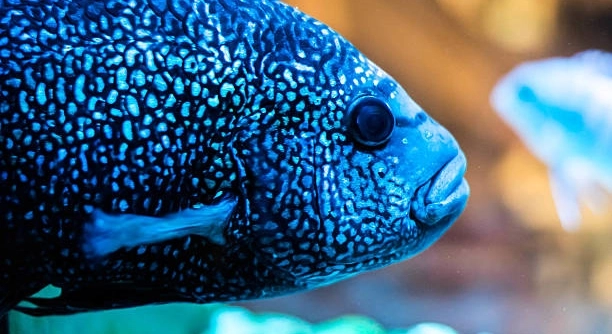
Have you ever noticed your Jack Dempsey fish looking rounder than usual after feeding time? Sometimes, even well-intentioned care can lead to overfeeding. Understanding the signs can help you keep your fish healthy and active in its tank.
Overfeeding in Jack Dempsey fish is often indicated by excess body fat, bloating, and uneven swimming patterns. Consistently providing more food than needed can disrupt their metabolism and water quality, leading to stress and potential long-term health issues.
Recognizing these warning signs early allows you to adjust feeding habits and maintain a balanced environment for your Jack Dempsey’s wellbeing. Proper care ensures a happier, healthier fish in your home aquarium.
Common Signs Your Jack Dempsey Fish Is Overfed
Overfeeding your Jack Dempsey fish can show in several ways. One of the first signs is a noticeably swollen belly, which is often more pronounced after meals. Another indication is slow or lazy swimming, as extra weight can make movement harder. Uneaten food sinking to the bottom is also a warning. Over time, your fish may develop cloudy eyes or frayed fins, which are signs of stress. Excess food in the tank breaks down and affects water quality, causing spikes in ammonia or nitrate levels. This can create a cycle where poor water conditions make your fish eat more or appear unhealthy. Observing your fish daily can help catch these issues early. Adjusting portion sizes and feeding frequency is key to preventing these problems. Keeping a balanced feeding routine helps your fish stay active and reduces the risk of illness.
Consistently watching for bloating and leftover food will help you spot overfeeding early and act quickly.
Maintaining proper feeding habits means giving your Jack Dempsey the right amount of food once or twice a day, depending on its size and activity. Feeding small portions and removing uneaten food within a few minutes prevents water issues. Combining live, frozen, or high-quality pellets ensures a balanced diet. This approach helps maintain a healthy weight and vibrant coloration. Observing how your fish reacts after feeding can guide portion adjustments.
How Overfeeding Affects Health
Overfeeding can lead to digestive problems, including constipation or swim bladder issues, which affect movement and comfort.
Long-term effects of overfeeding go beyond bloating. Excess fat can stress internal organs and reduce lifespan. Poor water quality from leftover food can trigger bacterial or fungal infections. Behavioral changes, such as aggression or hiding, may appear as stress increases. Nutritional imbalance may cause dull colors or stunted growth. By carefully monitoring food amounts and tank cleanliness, these health issues can be prevented. Adjusting feeding habits, offering varied diets, and performing regular water changes help your Jack Dempsey remain healthy and active. Consistent observation allows early intervention, ensuring any signs of overfeeding or illness are addressed promptly. Overfeeding is not always obvious, so learning these subtle cues helps protect your fish. Small changes in feeding practices make a noticeable difference in health and behavior. Keeping a journal of feeding and behavior patterns can also guide better decisions for long-term care.
Adjusting Feeding Habits
Overfeeding can be controlled by reducing portion sizes and feeding your Jack Dempsey once or twice a day. Small, measured amounts prevent bloating and uneaten food. Observing how quickly the fish eats helps determine the correct portion. Consistency in timing is important for its digestion.
Start by feeding only what your fish can finish in three to five minutes. Remove leftovers immediately to prevent water quality issues. Gradually reducing the amount over a week helps your fish adjust without stress. Using a feeding schedule, rather than random amounts, keeps your tank cleaner and ensures your Jack Dempsey maintains a healthy weight. This approach also allows you to monitor its appetite and detect early signs of health issues.
In addition to portion control, vary the diet to keep it balanced. Combining high-quality pellets with occasional live or frozen food supports proper nutrition. Avoid feeding too many high-fat foods, which contribute to bloating. Observing behavior and body shape over time will help refine feeding practices. Proper feeding supports active swimming, strong immunity, and bright coloration, creating a healthier and more energetic fish.
Monitoring Tank Conditions
Maintaining clean water is essential for preventing problems from overfeeding. Uneaten food can quickly decay, affecting water quality and fish health. Regular water tests help detect rising ammonia or nitrate levels.
A stable environment reduces stress and keeps your Jack Dempsey healthy. Perform partial water changes weekly to remove excess nutrients and debris. Use a reliable filter suitable for your tank size, and avoid overcrowding, which worsens waste buildup. Keeping substrate clean also limits leftover food from decomposing at the bottom. Tracking water parameters like pH, hardness, and temperature ensures a comfortable habitat. A properly maintained tank supports digestion, activity, and coloration while preventing illness.
Consistent monitoring allows you to catch issues early and make necessary adjustments. Observing both water conditions and your fish’s behavior provides insight into its overall wellbeing. Small changes, such as adjusting feeding or cleaning frequency, can have significant positive effects. Keeping the environment stable and food controlled prevents long-term problems. Regular care ensures a healthier, more active Jack Dempsey. By paying attention to subtle signs, you can maintain an ideal balance between diet, tank cleanliness, and fish behavior.
Recognizing Behavioral Changes
Overfed Jack Dempsey fish often become sluggish or hide more than usual. They may swim less or linger near the surface, showing discomfort from excess food. Monitoring these changes helps prevent long-term health problems and guides adjustments in feeding routines.
Aggression can also increase when fish feel stressed from overfeeding. Your Jack Dempsey may chase or nip tank mates more often. These behaviors are subtle signals that its diet and environment need attention. Observing interactions with other fish provides insight into overall wellbeing and helps maintain a balanced, calm tank.
Importance of Portion Control
Feeding the right amount is essential for health. Excess food leads to bloating, digestive issues, and water quality problems. Limiting portions ensures your fish gets nutrition without harming its system. Small, frequent meals work better than large, irregular feedings. A consistent schedule supports metabolism and activity.
Using Quality Food
High-quality pellets or frozen foods provide necessary nutrients while preventing overfeeding. Avoid low-quality flakes that can contribute to weight gain and poor digestion. Choosing nutrient-rich options supports your Jack Dempsey’s growth, energy, and coloration, making portion control more effective.
FAQ
How often should I feed my Jack Dempsey fish?
Adult Jack Dempsey fish typically do well with one to two small feedings per day. Juveniles may require more frequent feedings, up to three times daily. The key is to provide only what your fish can consume in three to five minutes to prevent leftover food from polluting the tank. Feeding at consistent times helps regulate digestion and keeps your fish active.
What are the best types of food for a Jack Dempsey?
High-quality pellets are the most reliable staple, as they provide balanced nutrition. Supplementing with frozen or live foods like bloodworms, brine shrimp, or small insects adds variety and protein. Avoid low-quality flakes or fatty treats that contribute to bloating and overfeeding. Rotating foods supports digestion and overall health while keeping your fish interested in mealtime.
How can I tell if my Jack Dempsey is overfed?
Signs of overfeeding include a swollen or rounded belly, slower swimming, hiding, or staying near the surface. Uneaten food at the bottom and cloudy water can indicate excess feeding. Long-term effects may include frayed fins, dull coloration, and increased susceptibility to illness. Regular observation is key to catching these issues early.
What should I do if my fish is overfed?
Stop feeding for a short fasting period of one to two days. This allows the digestive system to clear excess food. Reduce portion sizes and feed smaller amounts going forward. Check water quality and perform partial water changes to remove leftover food and waste. Observe your fish closely for improved behavior and reduced bloating.
Can overfeeding affect other fish in the tank?
Yes. Uneaten food decomposes, raising ammonia and nitrate levels, which can stress all tank inhabitants. Overfed Jack Dempseys may become more aggressive due to discomfort or territorial behavior. Maintaining proper feeding and cleaning routines protects all fish and supports a stable, healthy tank environment.
How much food is too much for a Jack Dempsey?
A good rule is to feed only what the fish can eat within three to five minutes. Overfeeding occurs when leftovers remain after feeding or when the fish’s belly appears noticeably swollen. Adjust portions gradually until your fish eats everything quickly and shows healthy activity afterward.
Are there long-term risks of overfeeding?
Chronic overfeeding can lead to digestive issues, swim bladder problems, liver damage, and reduced lifespan. It also increases susceptibility to bacterial and fungal infections. Maintaining portion control and clean water conditions prevents these health risks and helps your Jack Dempsey maintain bright coloration and normal behavior.
How do I balance diet and tank maintenance?
Feed measured portions and remove uneaten food promptly. Regular water changes and proper filtration are essential to remove waste. Observing your fish daily for changes in behavior or body shape allows early intervention. Combining good feeding practices with clean tank management ensures a healthy, active fish.
Is it okay to feed live food every day?
Feeding live food daily is not recommended because it can lead to overfeeding and potential nutrient imbalance. Use live food as an occasional supplement to pellets or frozen options. This provides stimulation and protein without increasing the risk of bloating or digestive stress.
Can I use feeding tools to prevent overfeeding?
Yes. Tools like feeding rings, portioned cups, or tweezers help control the amount of food delivered. They also reduce waste and prevent uneaten food from sinking to the bottom, protecting water quality. Regularly monitoring portions ensures your Jack Dempsey receives the right nutrition without excess.
How do I encourage my Jack Dempsey to eat less?
Gradually reduce portion sizes and stick to a consistent feeding schedule. Avoid overindulging with treats. Observe the fish’s behavior and adjust as needed. Combining smaller meals with a varied diet helps the fish stay healthy while preventing bloating or weight gain.
What role does tank size play in overfeeding?
Smaller tanks are more sensitive to leftover food, making overfeeding effects more pronounced. Larger tanks dilute waste but still require portion control. Ensure the tank is appropriate for the fish’s size and population to prevent stress and maintain clean, stable conditions.
Can fasting help an overfed Jack Dempsey?
Yes, fasting for a day or two allows the digestive system to recover. This is safe for healthy adult fish but should not be prolonged. During this time, closely monitor behavior and water quality. Resume feeding with smaller portions afterward to maintain balance.
How do I adjust feeding during seasonal changes?
During cooler months, metabolism slows, and less food is needed. Feed smaller portions and reduce frequency if activity decreases. Warmer months may require slightly more food, but always follow portion control guidelines. Observing behavior and belly shape helps determine the right adjustments.
How important is observation for preventing overfeeding?
Daily observation is crucial. Monitoring swimming patterns, appetite, and appearance lets you detect early signs of overfeeding. Tracking leftover food and tank conditions ensures the fish stays healthy. Adjusting feeding habits based on these observations supports long-term wellbeing and prevents complications.
What should I avoid feeding my Jack Dempsey?
Avoid low-quality flakes, fatty foods, and excessive human food. These contribute to bloating, poor digestion, and nutrient imbalance. Stick to pellets, frozen, or occasional live food. Choosing high-quality options helps maintain a healthy weight, proper digestion, and bright coloration.
How can I make feeding more controlled?
Use small portions, consistent schedules, and remove uneaten food promptly. Tools like feeding rings or tweezers help deliver precise amounts. Observe appetite and adjust accordingly. Proper control prevents bloating, protects water quality, and ensures balanced nutrition.
Is overfeeding reversible?
Yes, with proper fasting, portion adjustments, and clean water, most overfeeding effects can be reduced. Recovery may take time for bloating or digestive issues to improve. Maintaining consistent care prevents recurrence and supports long-term health.
Can tank decorations affect overfeeding signs?
Yes. Dense plants or hiding spots may hide uneaten food or make bloating harder to notice. Keep decorations manageable and check the substrate regularly. Proper observation of your fish ensures feeding issues are caught early.
What is the safest feeding routine?
Feed small, measured portions once or twice daily. Remove leftovers immediately. Combine high-quality pellets with occasional frozen or live foods. Observe fish behavior and adjust as needed. This routine balances nutrition, prevents overfeeding, and maintains a healthy tank environment.
How do I handle multiple fish with different appetites?
Feed each fish according to size and activity. Use target feeding techniques like tweezers or feeding rings. Remove leftovers after each session to prevent overfeeding more passive fish. Consistent observation ensures all fish remain healthy.
How long does it take to correct overfeeding?
Depending on the severity, improvement may take several days to weeks. Fasting, portion control, and clean water accelerate recovery. Gradual adjustments prevent stress and help your fish regain normal behavior, digestion, and body shape.
What signs indicate recovery from overfeeding?
A return to normal swimming, reduced belly size, and improved appetite show recovery. Water quality remains stable, and behavior stabilizes. Regular observation ensures recovery continues without relapse.
How important is variety in the diet?
Variety prevents boredom, supports proper nutrition, and helps maintain healthy digestion. Pellets, frozen foods, and occasional live options provide protein and vitamins while minimizing the risk of overfeeding. Consistent rotation keeps your Jack Dempsey healthy and active.
Can overfeeding cause aggression?
Yes. Overfed or stressed fish may become territorial or chase tank mates. Adjusting feeding and observing interactions helps reduce stress and aggressive behavior. Balanced diet and clean environment minimize conflicts.
How can I track proper feeding amounts?
Use a log or note daily portions and behavior. Observe how much food is consumed within minutes. Adjust future feedings based on appetite and leftover amounts. Tracking helps maintain balance and prevents overfeeding.
What should I do if my Jack Dempsey refuses food after fasting?
Start with small portions or favorite foods like frozen bloodworms. Ensure water parameters are stable. Appetite should return within a day or two. Avoid overfeeding immediately; gradual reintroduction prevents digestive stress.
Are there signs of long-term damage from overfeeding?
Persistent bloating, slow swimming, dull coloration, and susceptibility to infections may indicate long-term effects. Adjust feeding habits and maintain clean water to reduce ongoing risks. Regular observation helps prevent further damage.
Can overfeeding affect breeding behavior?
Yes. Excess weight or poor water quality can reduce spawning activity and egg health. Balanced feeding and stable tank conditions support reproductive success. Avoid high-fat foods during breeding preparation.
Is it necessary to change feeding habits as fish age?
Yes. Older fish may require smaller portions and less frequent feedings. Metabolism slows with age, so monitoring appetite and adjusting diet is important for long-term health.
How does overfeeding impact tank maintenance?
Excess food increases waste and algae growth. Filters may become overloaded, and water changes become more frequent. Proper feeding reduces maintenance needs and keeps the tank stable.
What is the best way to prevent overfeeding long-term?
Consistent portion control, scheduled feedings, and observation are key. Use high-quality food, remove leftovers, and monitor water quality. Adjust as needed based on fish behavior and seasonal changes. Proper habits prevent overfeeding and support overall health.
How do I balance nutrition with overfeeding prevention?
Provide nutrient-rich foods in small, controlled portions. Combine pellets with occasional frozen or live options. Avoid excessive treats. Monitor behavior and body shape to maintain health while preventing weight gain.
Can tank size influence feeding habits?
Yes. Smaller tanks require stricter portion control due to faster water degradation. Larger tanks dilute waste but still need controlled feeding. Observe fish and tank conditions to adjust portions effectively.
How do I safely reintroduce regular feeding after overfeeding?
Resume with small, measured portions once or twice daily. Observe digestion and behavior closely. Gradually increase only if the fish appears healthy and active. Maintaining consistency prevents recurrence of overfeeding.
What role does water temperature play in feeding?
Temperature affects metabolism. Cooler water slows digestion, requiring smaller portions. Warmer water increases appetite, but portion control remains important. Observe fish behavior and adjust accordingly.
Can overfeeding be detected without visible bloating?
Yes. Changes in swimming patterns, increased hiding, leftover food, and water quality issues can indicate overfeeding even without obvious belly swelling. Careful observation is key.
How do I handle overfeeding in community tanks?
Feed target fish individually if possible. Remove uneaten food quickly. Observe each species’ appetite to ensure no fish is under- or overfed. Proper management keeps all fish healthy.
Are supplements necessary for Jack Dempsey diet?
Not usually if feeding high-quality pellets and occasional frozen or live foods. Supplements may be used sparingly to support health or coloration. Overuse can contribute to overfeeding.
What is the safest feeding tool for portion control?
Feeding rings, small cups, or tweezers allow precise delivery of food. They reduce waste and help monitor portions. Using these tools supports clean water and healthy fish behavior.
Can I prevent overfeeding by feeding less often?
Yes, fewer feedings with controlled portions prevent bloating and leftover food. Observe fish activity and appetite to maintain proper nutrition while reducing risk of overfeeding.
How do I teach children to feed without overfeeding?
Demonstrate portion sizes and feeding times. Supervise to ensure leftovers are removed. Encourage observation of fish behavior to adjust future feedings responsibly.
Can stress mimic overfeeding signs?
Yes. Stress from water changes, tankmates, or temperature fluctuations can cause hiding, sluggishness, or reduced appetite. Observe overall conditions before changing feeding habits.
How often should I check water parameters with overfeeding risk?
At least weekly, or more often if food waste accumulates. Monitor ammonia, nitrate, and pH. Maintaining proper conditions prevents health issues and supports digestion.
What is the role of fasting in routine care?
Occasional fasting, once a week, allows digestion rest and prevents mild overfeeding effects. It also supports water quality management and helps maintain a healthy routine.
Can overfeeding affect coloration?
Yes. Poor diet and bloating may dull colors. Balanced portions, high-quality food, and proper tank conditions support vibrant coloration.
How do I adjust feeding for sick fish?
Feed smaller portions of easily digestible food. Monitor closely for recovery. Avoid overfeeding, as stress and illness reduce digestive efficiency.
Is portion control more important than food type?
Both matter, but controlling portions directly prevents bloating and water issues. Food type ensures proper nutrition and supports health over time.
How do I know if a feeding schedule works?
Observe fish behavior, belly shape, and leftover food. A schedule is effective if fish remain active, healthy, and water quality is stable.
Can overfeeding affect lifespan?
Yes. Chronic overfeeding can lead to organ stress, disease, and reduced longevity. Proper portions, diet, and tank maintenance support a longer, healthier life.
How do I adjust feeding for young vs. adult fish?
Juveniles need smaller, more frequent meals to support growth. Adults require fewer feedings with controlled portions. Adjusting feeding by age prevents overfeeding and supports proper development.
Are there signs of digestive issues from overfeeding?
Constipation, floating, uneven swimming, and bloating indicate digestive stress. Reducing portions and fasting helps recovery while preventing water quality problems.
How important is observation during feeding?
Observation is critical. It ensures food is consumed quickly, detects early signs of overfeeding, and helps maintain healthy behavior and water conditions.
Can tank mates affect feeding habits?
Yes. Aggressive or fast-eating fish may take more food, leaving others overfed or underfed. Targeted feeding and observation prevent imbalances and stress.
How do I prevent overfeeding during holidays or vacations?
Use automatic feeders set to measured portions. Have someone check tank conditions or remove leftover food if possible. This prevents overfeeding while maintaining a stable environment.
Can overfeeding be completely avoided?
Yes, with consistent portion control, observation, proper diet, and regular tank maintenance. Awareness and routine care prevent overfeeding and its effects.
What is the role of tank cleaning in overfeeding prevention?
Regular cleaning removes uneaten food and waste, preventing ammonia spikes. A clean tank reduces stress and supports digestion while minimizing overfeeding consequences.
How does water flow affect feeding?
Strong currents may disperse food quickly, leading to uneven consumption. Adjust feeding location and portion sizes to ensure all fish get proper amounts without leftovers.
Is it better to feed fewer times with larger portions or more frequent small feedings?
Small, frequent feedings are preferred. They match natural behavior, reduce bloating risk, and help maintain water quality while providing consistent nutrition.
How can I tell if overfeeding has caused long-term damage?
Persistent bloating, slow movement, dull coloration, frequent illness, and abnormal behavior indicate long-term effects. Adjust care practices to prevent worsening conditions.
Can overfeeding affect spawning success?
Yes. Excess weight and poor water quality can reduce fertility and egg viability. Proper diet, clean water, and portion control improve breeding outcomes.
Should I adjust feeding after water changes?
Yes. Feed smaller amounts immediately after changes, as stress may reduce appetite. Observe behavior and adjust portions gradually to maintain balance.
How do I prevent overfeeding when introducing new fish?
Feed new fish separately if possible. Monitor intake closely and adjust portions for all fish. Gradual integration prevents leftover food and stress.
What tools help measure correct portions?
Tweezers, small cups, feeding rings, or pre-measured scoops allow precise control. Using these reduces waste and prevents overfeeding while maintaining water quality.
How often should I adjust feeding amounts?
Adjust based on appetite, behavior, and seasonal changes. Observe consumption and body shape to maintain proper nutrition without overfeeding.
Is overfeeding more common in certain fish sizes?
Juveniles are more sensitive to portion size errors, while adults may show subtle signs. Careful monitoring for all sizes prevents bloating and digestive issues.
What are signs of recovery after adjusting feeding?
Normal swimming, reduced belly size, active behavior, and improved coloration indicate recovery. Consistency in portion control and water quality ensures lasting improvement.
How does tank population affect feeding?
Overcrowded tanks make portion control harder. Aggressive or fast eaters may dominate. Feeding carefully and monitoring each fish ensures proper nutrition and prevents overfeeding.
Can overfeeding cause stress even if fish appear healthy?
Yes. Internal strain, liver stress, and digestive issues may occur without visible signs. Monitoring and controlling portions protect long-term health.
How can I create a feeding plan?
Determine tank population, fish size, and activity level. Measure small portions, schedule feedings, rotate food types, and monitor consumption. Adjust based on behavior, appetite, and water quality to maintain balance.
Is portion control different for coldwater vs. tropical tanks?
Yes. Metabolism varies with temperature. Coldwater fish need smaller, less frequent meals, while tropical fish may eat more often. Always observe appetite and adjust accordingly.
How do I handle leftover food in the tank?
Remove immediately with a net or siphon. Uneaten food decomposes quickly, affecting water quality. Prompt cleanup prevents overfeeding consequences and keeps the tank stable.
Can overfeeding lead to illness without bloating?
Yes. Poor water quality, stress, and nutrient imbalance may cause disease even if the belly appears normal. Observation and proper feeding prevent hidden health risks.
What is the safest way to transition to a controlled feeding routine?
Gradually reduce portions over several days while observing appetite and behavior. Maintain consistent feeding times and remove leftovers. Combine pellets with occasional frozen or live foods to ensure nutrition while preventing bloating.
How do I balance treats with daily feeding?
Limit treats to occasional small portions. Include them as part of total daily intake. Avoid high-fat snacks that contribute to bloating or digestive problems.
Can overfeeding affect tank filtration?
Yes. Excess food increases waste load, reducing filter efficiency. Clean or upgrade filters as needed to maintain water quality and prevent stress on fish.
How do I monitor water quality alongside feeding?
Test ammonia, nitrate, pH, and hardness regularly. Remove uneaten food promptly. Adjust feeding amounts based on water readings to maintain a stable, healthy tank environment.
Are there visual tools to track overfeeding?
Yes. Use a feeding chart, timer, or marked cups to monitor portion size. Recording consumption helps maintain balance and reduces accidental overfeeding.
How do I prevent overfeeding when multiple people care for the tank?
Create a clear feeding schedule with portion instructions. Communicate rules and supervise feedings. Consistency prevents accidental overfeeding and keeps the tank healthy.
Can seasonal changes affect portion control?
Yes. Cooler temperatures slow metabolism
Final Thoughts
Proper feeding is one of the most important aspects of keeping a Jack Dempsey fish healthy. Overfeeding can happen easily because it seems natural to give extra food, especially when the fish appears eager to eat. However, giving too much can cause bloating, digestive problems, and stress. Keeping portions small and consistent ensures your fish receives enough nutrition without risking its health. Daily observation of appetite, behavior, and body shape helps you recognize early signs of overfeeding before serious issues develop. This careful attention allows your fish to remain active, vibrant, and comfortable in its environment.
Maintaining a clean and balanced tank goes hand in hand with proper feeding. Uneaten food decomposes quickly, leading to spikes in ammonia and nitrates, which affect all fish in the aquarium. Regular water changes, appropriate filtration, and checking water parameters like pH and hardness create a stable environment that supports digestion and overall health. Tank maintenance is not only about cleanliness; it also prevents stress that can worsen the effects of overfeeding. By combining portion control with a well-maintained tank, you reduce the risk of disease, improve behavior, and maintain bright coloration. Your Jack Dempsey will swim more freely and show natural activity when both feeding and tank conditions are managed carefully.
Feeding practices should also consider the age, size, and activity level of your fish. Juvenile Jack Dempseys may require smaller, more frequent meals to support growth, while adults need fewer, carefully measured portions. Introducing variety in the diet, such as high-quality pellets combined with occasional frozen or live foods, ensures proper nutrition and prevents boredom. Fasting occasionally, for a day or two, can also help regulate digestion and prevent minor overfeeding. Overfeeding can be reversed with consistent portion control, careful monitoring, and clean tank management. Ultimately, maintaining balance in feeding habits, tank conditions, and observation will keep your Jack Dempsey healthy, reduce long-term risks, and allow you to enjoy the natural behavior and beauty of this striking fish for years to come.

Hello,
If you enjoy the content that we create, please consider saying a "Thank You!" by leaving a tip.
Every little bit helps us continue crafting quality advice that supports the health, happiness, and well-being of pets around the world, for pets of all shapes, sizes, and species.
We really appreciate the kindness and support that you show us!