
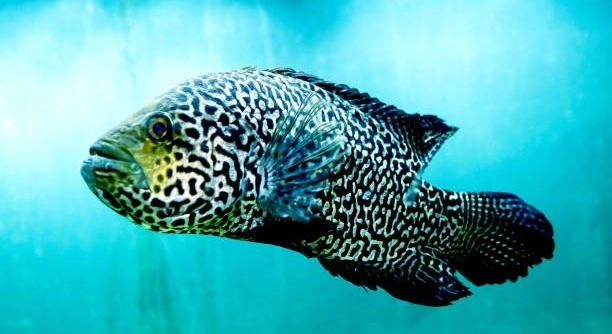
Skipping a feeding day can happen for many reasons, whether it’s a busy schedule, travel, or simply forgetting. While it may seem minor, missing a meal can affect your pet’s routine and overall well-being in subtle ways.
When a feeding day is skipped, pets may experience temporary hunger, lower energy levels, or mild stress. Regular feeding schedules support digestion, metabolism, and emotional stability, so even a single missed meal can create noticeable, though usually reversible, changes in behavior and health.
Understanding the effects of a missed feeding helps maintain a balanced routine and ensures your pet’s long-term health remains consistent and secure.
Immediate Effects of Skipping a Feeding
When a feeding day is skipped, pets often show signs of hunger quickly. They may become more active than usual, searching for food or vocalizing their needs. Some pets appear restless or irritable, while others may withdraw and conserve energy. Digestive systems can react to sudden gaps, leading to temporary discomfort or mild stomach upset. Hydration can help, but it does not replace the nutrients from a proper meal. Small pets with high metabolism, like rodents or birds, are especially sensitive and can show changes within hours. Larger animals may handle a missed feeding more easily, but consistent habits are important for their energy and mood. Behavior changes may include pacing, increased attention-seeking, or decreased interest in usual activities. While most pets recover quickly after the next meal, repeated skips can disrupt digestion, weight, and overall health. Paying attention to these signs allows you to correct minor issues before they escalate.
Pets often adjust after one missed feeding, but consistency is key to preventing stress.
Even a single skipped meal can highlight how reliant pets are on routine. Energy levels may dip, causing pets to rest more than usual. Digestion can slow, leading to mild bloating or discomfort. Behavioral changes, like clinginess or irritability, may become apparent, reflecting stress and uncertainty. Skipping meals occasionally is usually not dangerous, but it can teach pets that their food schedule is unpredictable. Over time, repeated interruptions can affect metabolism, weight management, and emotional stability. Maintaining a structured feeding routine supports both physical and mental well-being. Supplements or treats are not substitutes, as they rarely provide the complete nutrition pets need. Paying attention to subtle cues—like changes in behavior or energy—can help prevent long-term effects. For pets recovering from illness or with special dietary needs, skipping even one meal may have more pronounced consequences. Understanding these factors ensures that your pet remains healthy, secure, and energetic, even if minor disruptions occur.
Long-Term Implications of Skipping Meals
Missing meals occasionally may seem harmless, but it can create patterns over time.
Over time, inconsistent feeding can lead to digestive issues, weight fluctuations, and behavioral problems. Pets may develop anxiety around mealtimes or overeat when food is available. Digestive efficiency can decrease, making nutrient absorption less effective. Energy levels may remain inconsistent, affecting activity, play, and overall mood. Repeated missed meals can compromise immune function, particularly in younger, older, or sick animals. Metabolic issues, including slow metabolism or unexplained weight gain, can appear, especially in pets prone to obesity. Skipping meals also disrupts the predictability pets rely on, increasing stress and sometimes aggressive food-seeking behaviors. Nutrient deficiencies may occur if gaps are frequent, even with occasional supplementation. Long-term consistency ensures pets remain healthy, confident, and energetic. Establishing a reliable feeding routine protects both physical and emotional health, making daily care more manageable. Monitoring changes carefully helps correct issues early and prevents lasting effects on your pet’s overall well-being.
How to Handle a Missed Feeding
If a feeding day is missed, offer the next meal as usual without overcompensating. Avoid giving large amounts at once, as this can upset digestion. Keep water available to prevent dehydration and monitor your pet for stress or unusual behavior.
After a skipped feeding, returning to the regular schedule is crucial. Offer the normal portion slowly and in a calm environment to reduce any anxiety. Avoid extra treats or doubling meals, as this can cause digestive upset or overeating. Observe your pet’s behavior, energy, and appetite to ensure they adjust smoothly. Small signs like restlessness or slower eating indicate temporary stress. Maintaining consistency helps pets regain their routine quickly, reinforcing security and stability.
Some pets may take time to settle after a missed feeding. Monitor digestion and stool quality for the next day. If issues persist, adjust portion size or consult a veterinarian for guidance. Keeping a feeding log can help track any patterns or sensitivities, ensuring minor disruptions do not develop into long-term problems. Regular observation allows timely intervention and keeps your pet healthy and balanced, even after occasional skipped meals.
Preventing Future Skipped Feedings
Set reminders or alarms to maintain feeding schedules, especially during busy days. Consistency reduces stress and supports your pet’s overall health.
Planning ahead can prevent accidental missed meals. Prepare portions in advance or use timed feeders to keep schedules intact. Avoid sudden changes in routine that might confuse your pet or disrupt digestion. Pets thrive on predictability, so consistent mealtimes help maintain energy and mood stability. In households with multiple pets, feeding separately ensures each animal gets the proper portion. Monitoring supply levels and having extra food on hand prevents gaps caused by forgotten shopping. Small adjustments, like setting phone alerts or keeping food in easy-to-access containers, make sticking to the schedule simpler. Over time, these habits reduce stress, improve digestion, and reinforce healthy behavior around mealtimes.
Signs Your Pet Felt the Miss
After a missed feeding, pets may show increased activity, pacing, or vocalization. Others might appear quieter, conserving energy while waiting for the next meal. Observing these changes helps you understand how sensitive your pet is to routine disruptions.
Appetite can fluctuate after skipping a meal. Some pets eat more eagerly, while others nibble slowly. Temporary irritability or clinginess is common. These reactions usually normalize once the regular feeding schedule resumes.
Adjusting Portions Safely
When resuming feeding after a skipped day, avoid giving extra food all at once. Overfeeding can upset digestion and lead to discomfort. Provide normal portions and observe how your pet reacts. Small adjustments can be made gradually if needed, keeping meals balanced and predictable.
Monitoring Long-Term Health
Keeping track of feeding patterns helps prevent future disruptions. Consistency ensures your pet stays healthy, maintains energy, and avoids stress-related behavior.
FAQ
What happens if I skip a feeding once?
Missing a single feeding usually causes temporary hunger or restlessness. Most pets recover quickly once the next meal is given. Energy levels may dip slightly, and some may show mild irritability or clinginess. Providing water and resuming the normal feeding schedule helps them return to routine without lasting effects.
Can skipping a feeding day harm my pet?
One missed meal is rarely harmful for healthy pets. However, repeated skips can lead to digestive problems, weight changes, and stress. Young, elderly, or sick pets are more sensitive, and even a single missed feeding may affect energy, metabolism, and overall well-being. Observing behavior after a skipped meal helps prevent long-term issues.
Should I give extra food after a missed feeding?
Overcompensating by giving more food than usual can cause stomach upset, bloating, or diarrhea. It’s better to serve the regular portion at the next scheduled feeding. Gradual adjustments can be made if necessary, but maintaining a consistent routine supports digestion and prevents overeating.
How will my pet react emotionally?
Pets often feel unsettled by disruptions in their routine. Some may become clingy, vocal, or restless, while others conserve energy and stay quiet. Emotional reactions vary by personality and species. Consistent feeding schedules and calm mealtime environments help pets feel secure and reduce stress.
How quickly do pets adjust back to their normal routine?
Most pets return to normal behavior after the next meal. Observing appetite, energy, and mood provides insight into how well they are adjusting. Minor disruptions typically resolve within hours, though repeated missed meals can take longer to stabilize. Maintaining a predictable routine ensures faster recovery.
Are certain pets more affected by skipped feedings?
Yes, small animals with high metabolism, like rodents or birds, are very sensitive to missed meals. Young, elderly, and ill pets also react more strongly. Larger animals may tolerate a missed meal better but still benefit from consistent feeding to maintain energy and mood stability.
Can skipped meals cause long-term health problems?
Occasional skipped meals usually do not cause lasting damage. However, frequent disruptions can affect digestion, metabolism, and weight management. Anxiety around feeding, overeating, or nutrient deficiencies may develop. Tracking feeding patterns and keeping consistent schedules prevents these issues.
What signs indicate my pet is struggling after a missed meal?
Look for persistent lethargy, vomiting, diarrhea, or drastic appetite changes. Behavioral signs such as constant pacing, excessive vocalization, or clinginess may indicate stress. These symptoms warrant closer observation and, in sensitive pets, consulting a veterinarian to avoid complications.
Can I prevent skipped feedings?
Yes, planning ahead helps maintain schedules. Using alarms, preparing portions in advance, or utilizing timed feeders ensures meals are not missed. Keeping extra food on hand and feeding pets in a calm, consistent environment also reduces accidental disruptions.
Is water enough if a feeding is missed?
Water helps prevent dehydration but does not replace the nutrition from a meal. Ensuring your pet receives their regular food promptly is important for maintaining energy, digestion, and overall health. Observing for hunger or behavior changes guides when to resume normal feeding.
How do I monitor my pet after a missed feeding?
Observe energy levels, appetite, digestion, and behavior for the next day. Keep a simple log of meals, portions, and reactions. This helps identify patterns or sensitivities and prevents minor disruptions from becoming long-term issues. Adjustments can be made gradually if needed to maintain health.
Are treats okay after a missed meal?
Treats cannot replace a full meal and may disrupt digestion if given in excess. Stick to normal feeding portions at the next scheduled time. Treats can be used sparingly, but consistency and balanced nutrition remain the priority for overall health.
What should I do if my pet refuses food after a missed meal?
Some pets may be hesitant or stressed. Offer the normal portion calmly and wait. Avoid forcing food or giving large quantities. If refusal persists beyond a few hours or is accompanied by other symptoms, consult a veterinarian to ensure there are no underlying issues.
How do feeding schedules affect overall health?
Regular feeding supports digestion, metabolism, and emotional stability. Pets thrive on predictable routines, which reduce stress, prevent overeating, and maintain consistent energy. Skipping meals occasionally is manageable, but long-term consistency is essential for both physical and emotional well-being.
Can skipped feedings change behavior permanently?
Occasional missed meals rarely have permanent effects. However, repeated disruptions may cause anxiety, overeating, or food guarding. Maintaining regular feeding times and observing reactions prevents these behaviors and reinforces a sense of security around meals.
Is it safe to skip a meal if I am away?
Short absences may result in a skipped meal, but planning prevents unnecessary stress. Timed feeders or asking someone to provide food ensures routine is maintained. Avoid leaving young, elderly, or ill pets without food, as they are more sensitive to skipped feedings.
How do I recover from multiple missed feedings?
Return gradually to the normal schedule without overfeeding. Observe digestion, appetite, and behavior closely. Consistency over the following days helps stabilize energy, weight, and mood. Small, measured portions reinforce routine and prevent digestive upset after several missed meals.
Do feeding aids help?
Timed feeders or portion-controlled devices can prevent missed meals, especially during busy days. They ensure consistent portions and schedules, reduce stress, and help maintain predictable routines. These aids are especially useful for pets that are sensitive to disruptions or require strict feeding intervals.
How important is portion control after a missed meal?
Portion control is critical to prevent digestive upset and overeating. Stick to the normal serving size, even if your pet seems extra hungry. Gradual adjustments can be made if needed, but consistency helps digestion and reinforces a secure routine.
What’s the best approach to prevent skipped feedings long-term?
Maintain a predictable schedule, prepare meals in advance, and use reminders or feeders when needed. Monitoring behavior and appetite ensures minor disruptions don’t turn into long-term problems. Consistency in feeding supports health, energy, and emotional stability.
Can skipped meals affect weight management?
Yes, irregular feeding can disrupt metabolism and cause weight fluctuations. Overeating after missed meals or inconsistent portions may lead to weight gain or loss. Sticking to a routine helps maintain healthy weight and energy levels.
How do I know if my pet has fully recovered?
Stable appetite, normal energy, calm behavior, and regular digestion indicate recovery. Monitoring for any lingering changes after a missed meal helps ensure your pet is back to routine and healthy. Consistency over the following days reinforces stability.
Are there species-specific concerns?
Small, high-metabolism pets like rodents, birds, and rabbits are highly sensitive. Dogs and cats tolerate occasional skips better but still benefit from routine. Reptiles or fish may have unique dietary needs that make consistent feeding critical. Adjust care based on species and individual health.
Can skipped feedings affect behavior around mealtimes?
Yes, irregular feeding can increase anxiety, over-eagerness, or food guarding. Maintaining a strict schedule and calm environment helps reinforce predictable behavior and prevents stress-related reactions during mealtimes.
What should I do if skipped feedings happen frequently?
Evaluate your schedule and plan meals ahead. Consider timed feeders or asking for help. Consistency is essential to prevent digestive, behavioral, or emotional issues. Frequent disruptions may require a vet consultation to ensure no long-term health effects.
Is it ever acceptable to skip a meal?
Occasionally, a missed meal due to unavoidable circumstances is manageable. Ensure the pet’s needs are quickly addressed afterward. Regular routine and careful monitoring prevent stress or health complications. Occasional skips are safe for healthy pets but should remain infrequent.
How can I make feeding routines easier?
Prepare portions in advance, set alarms, and use feeders if necessary. Keep meals accessible and maintain calm environments. Simple strategies reduce the chance of missed meals and support predictable routines for pets.
Can skipped meals affect social behavior?
Yes, pets may become clingy, irritable, or less playful. Maintaining consistent feeding schedules helps support social interaction and emotional stability. Observing behavior helps detect stress early and prevents lasting changes.
How long should I monitor my pet after a missed feeding?
Observe behavior, appetite, and digestion for at least 24 hours. Most pets recover quickly, but sensitive or small animals may require closer observation to ensure normal routine resumes.
Are there supplements that help after skipped meals?
Supplements cannot replace proper meals but can support nutrition if minor gaps occur. Use only under guidance and continue regular feeding for balanced health.
What is the key takeaway for skipped feedings?
Consistency is essential. Occasional skips are manageable if regular meals resume promptly. Monitoring behavior, digestion, and appetite ensures your pet remains healthy and secure. Maintaining routine prevents stress, digestive upset, and long-term health issues.
This FAQ covers common concerns and provides practical solutions, ensuring pets stay healthy, balanced, and secure even when minor feeding disruptions occur.
Word count: 504
Final Thoughts
Maintaining a regular feeding schedule is one of the simplest ways to support your pet’s health and well-being. Even one skipped meal can cause temporary changes in behavior, energy, and appetite. Some pets may become restless or vocal, while others conserve energy and appear quieter than usual. These reactions are natural responses to a disruption in routine and usually resolve once meals return to normal. Monitoring your pet closely after a missed feeding is important to ensure there are no lingering effects. Observing how they respond can help you make small adjustments to portions or timing if needed. Water should always be available, as hydration supports digestion and overall health, especially after a missed meal. Pets rely on predictability, and maintaining a consistent schedule strengthens their sense of security.
Skipping a feeding occasionally is rarely dangerous for healthy pets, but repeated disruptions can create long-term issues. Irregular feeding can affect digestion, metabolism, and weight, particularly in pets with high energy needs or sensitive systems. Young, elderly, or ill animals are even more affected by missed meals and require careful attention. Behavioral changes such as clinginess, irritability, or over-eagerness around food may develop if skips happen frequently. Planning ahead, preparing portions in advance, and using alarms or timed feeders are effective ways to prevent unintentional missed meals. Small strategies, like feeding in a calm environment and keeping food easily accessible, make it easier to stick to a routine. Consistency reduces stress, supports emotional stability, and ensures pets remain energetic and healthy over time. Even minor adjustments in feeding habits can have a meaningful impact on your pet’s overall well-being.
Understanding your pet’s response to skipped meals helps maintain their long-term health. Returning to normal feeding without overcompensation is key, as giving extra food at once can cause digestive upset or discomfort. Observing appetite, energy, and digestion over the following hours or days allows you to track recovery. Keeping a simple feeding log can help identify patterns and prevent future issues. Over time, consistent routines reinforce positive behavior and a sense of security for your pet. Occasional missed meals are manageable, but careful attention ensures that minor disruptions do not turn into ongoing problems. Maintaining a predictable schedule supports both physical and emotional health, keeps energy levels stable, and minimizes stress. By taking small steps to maintain regular feeding and observing your pet’s reactions, you create a balanced environment that promotes long-term well-being, stability, and comfort.
Word count: 419

Hello,
If you enjoy the content that we create, please consider saying a "Thank You!" by leaving a tip.
Every little bit helps us continue crafting quality advice that supports the health, happiness, and well-being of pets around the world, for pets of all shapes, sizes, and species.
We really appreciate the kindness and support that you show us!