
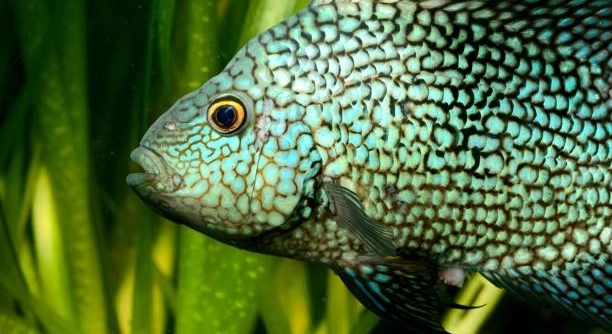
Have you ever noticed your Jack Dempsey fish acting differently in the aquarium? These fish can form strong bonds with one another, and recognizing when a pair is forming helps you support their behavior effectively and safely.
Jack Dempsey fish display specific indicators when forming a pair, such as synchronized swimming, shared territorial defense, nest preparation, gentle nudging, and mutual displays of coloration. Identifying these behaviors allows aquarists to confirm pairing and manage tank conditions appropriately.
Observing these clues ensures a balanced aquarium and helps maintain harmony among your fish, promoting both their well-being and a more enjoyable viewing experience.
Recognizing Synchronized Swimming
When Jack Dempsey fish form a pair, one of the first signs you may notice is synchronized swimming. They often move together in the tank, mirroring each other’s movements. This behavior is not random; it is a way for the pair to bond and establish a connection. Swimming side by side or following each other closely indicates growing familiarity and comfort. In a tank with multiple fish, synchronized swimming helps the pair signal their bond to others. You might also notice that they become more territorial around their swimming area, patrolling the same sections and gently nudging intruders away. These coordinated movements show the strength of their pairing instincts and help reinforce their relationship. Observing them over several days can confirm this behavior. It’s a reliable visual cue that your fish are forming a true pair and preparing for possible breeding or shared territory management.
Synchronized swimming is an early, clear sign that a pair is forming, showing both bonding and territorial awareness.
Watching this behavior closely can help you understand how your fish interact. It provides insight into their comfort level, tank dynamics, and potential readiness for nesting. Recognizing synchronized swimming early allows you to adjust tank conditions, provide adequate space, and minimize stress from other fish. Over time, the pair may become more protective and coordinated, showing even more consistent patterns in their swimming and interactions. Proper observation also helps prevent misunderstandings with other fish in the tank, ensuring a stable and healthy environment for everyone. By noting these movements, you can support the pair and appreciate the subtleties of their relationship, creating a more harmonious aquarium overall.
Mutual Nesting Behavior
Mutual nesting is another key indicator of a Jack Dempsey pair forming. Both fish often contribute to preparing a nesting site, clearing a flat surface or moving small stones together.
This shared nesting activity demonstrates cooperation and a developing bond. The pair works as a team, arranging the area carefully, which also signals to other fish that the territory is claimed. Nest preparation can include cleaning a chosen spot repeatedly, fanning the substrate, and guarding the area against intruders. Male and female fish may take turns inspecting the site, showing mutual investment in the nesting process. Observing this behavior allows aquarists to identify potential breeding pairs and ensure the tank environment supports their needs. Adequate hiding spaces and proper water conditions are essential during this stage to prevent stress and conflict with other fish. Mutual nesting is a strong behavioral clue that a pair is forming, highlighting both their bonding and natural reproductive instincts.
Gentle Nudging and Touch
Jack Dempsey pairs often show gentle nudging, lightly bumping each other with their heads or bodies. This is a way to maintain connection and communicate comfort.
This nudging behavior appears frequently near their chosen territory or nesting site. The fish may swim close and softly push one another, signaling reassurance and reinforcing their bond. Nudging helps establish trust between the pair and can reduce aggression toward one another. Over time, these interactions become more consistent and predictable, showing that the fish recognize each other as partners. Observing this behavior regularly can confirm a forming pair and indicate strong social cohesion within the tank.
Gentle nudging also helps the pair coordinate activities, such as patrolling their area or preparing the nest. By nudging, they communicate intentions without aggressive displays. This subtle interaction shows that the fish are comfortable together and are investing in a partnership. Consistent nudging patterns indicate stability in the relationship, allowing aquarists to anticipate behaviors and support the pair effectively. Maintaining proper tank conditions ensures that these interactions remain positive and stress-free, enhancing the overall harmony of the aquarium.
Color Display and Flaring
Pairs of Jack Dempsey fish often display brighter coloration and flaring during interactions. This behavior signals attraction and readiness to bond.
Enhanced color is most noticeable when the pair swims together or defends their chosen area. The male often intensifies his colors to show strength, while the female’s tones also brighten in response. Flaring of fins and body posture can accompany these color changes, emphasizing their connection and signaling to other fish that they are a pair. These visual displays are part of natural courtship and help reinforce their bond, while also warning other tank mates to respect their territory.
Color display and flaring are strong indicators of pairing because they are both communicative and protective behaviors. The fish are not only showing attraction but also testing boundaries within the tank. Brightening colors, combined with flaring, helps the pair coordinate movements and establish dominance over their shared territory. Watching these interactions over time reveals patterns of mutual recognition and cooperation. Ensuring adequate space and hiding spots reduces stress and allows the pair to express these behaviors naturally. Understanding these visual signals helps in managing the tank environment and supports the health and stability of the bonded pair.
Shared Territory
Jack Dempsey pairs often claim and defend the same area of the tank together. This shared space helps strengthen their bond and maintain safety.
The pair patrols their territory side by side, discouraging other fish from entering. Cooperation in guarding the area shows mutual trust and commitment to the partnership.
Mutual Feeding
Pairs may eat close to each other and even share food without aggression. This behavior reflects comfort and social harmony. Observing feeding patterns can reveal how well the pair interacts, showing coordination and reduced territorial conflict during mealtime.
Protective Behavior
Bonded Jack Dempsey fish frequently show protective actions, guarding one another from perceived threats. This includes flaring at intruders and staying close to their partner while moving around the tank.
Resting Together
Paired fish often rest near each other, side by side or in close proximity. This indicates trust and a strong connection, providing reassurance and security within the aquarium environment.
FAQ
What are the first signs that Jack Dempsey fish are forming a pair?
The earliest indicators include synchronized swimming and spending more time close together. They often patrol the same sections of the tank and follow each other consistently. Gentle nudging and mutual attention around a specific area are also signs that a bond is developing. Observing these behaviors over several days can confirm pairing.
How does synchronized swimming show bonding?
Synchronized swimming is more than coincidence. When the pair swims in unison, it signals trust, comfort, and coordination. They mirror each other’s movements, maintain consistent proximity, and often adjust their speed together. This behavior strengthens the partnership and helps communicate their relationship to other tank mates.
Why do they prepare a nest together?
Mutual nesting is a clear indicator of a forming pair. Both male and female contribute to selecting and cleaning a suitable surface. They may fan the substrate, move small stones, or clear debris together. Nesting demonstrates cooperation and readiness for potential breeding. It also reinforces their bond and signals to other fish that this territory is claimed.
What is the role of nudging and gentle touch?
Nudging is subtle but meaningful. Fish lightly push each other with heads or bodies to maintain connection and signal comfort. This behavior is non-aggressive and helps coordinate activities like patrolling or nest preparation. Repeated nudging over time shows a stable, cooperative relationship.
How can you tell a pair by color display?
Pairs often show brighter coloration and flaring during interactions. The male intensifies his colors to signal strength, while the female responds with subtle brightening. Flaring fins and body posture accompany this display, highlighting attraction, bonding, and territory defense. It is a visual cue that the pair recognizes each other as partners.
Do paired fish share territory differently?
Yes. A forming pair often claims a common space, patrolling and defending it together. They coordinate movements to discourage intruders and maintain safety. Shared territory strengthens their connection and helps reduce conflicts with other fish in the aquarium.
Will paired Jack Dempseys eat together?
Pairs often feed near each other without aggression. They may share food or take turns eating, reflecting comfort and social harmony. Observing feeding patterns is a simple way to monitor bonding and see how they manage resources together.
How do they protect each other?
Bonded fish often stay close to guard one another from potential threats. They flare at intruders, position themselves strategically, and alert their partner to danger. Protective behaviors indicate trust and a developing partnership.
Do they rest together?
Yes, resting near each other is common. Side-by-side or close proximity during rest shows trust, security, and a strong connection. This behavior reinforces their bond while conserving energy and maintaining vigilance over their shared territory.
Can a pair form in a community tank?
It is possible, but requires careful observation and adequate space. Other fish can disrupt bonding if the environment is crowded. Providing hiding spots and a clear territory helps pairs establish and maintain their relationship while minimizing stress.
How long does it take for a pair to form?
Pairing can take several days to weeks, depending on individual temperaments and tank conditions. Consistent interactions like synchronized swimming, nudging, and mutual nesting indicate the formation of a stable bond over time.
What should you do when a pair forms?
Ensure enough space, provide proper hiding spots, and monitor tank conditions. Avoid disturbing their territory, and maintain stable water parameters. Supporting natural behaviors like nest building and shared feeding encourages long-term stability and reduces stress for the pair.
Are there signs a pair might break up?
Aggression, avoidance, or one fish leaving the shared territory may indicate stress or incompatibility. Environmental factors, tank size, or overcrowding can contribute. Monitoring behavior and adjusting conditions can help maintain the partnership.
Can pairs breed successfully in home aquariums?
Yes, paired Jack Dempseys may breed if conditions are favorable. A well-maintained tank with adequate space, appropriate water parameters, and a prepared nesting site increases the chances of successful spawning and egg care.
How do you support a bonded pair long-term?
Provide a stable environment, maintain proper water conditions, and avoid introducing stressors. Observing behaviors like synchronized swimming, mutual nesting, and gentle nudging helps ensure the pair remains connected. Proper diet, territory management, and minimal disturbances promote lasting harmony.
What behaviors indicate strong trust between pair members?
Resting together, feeding in close proximity, synchronized movements, and shared defense of territory all indicate trust. Consistent nudging and coordinated interactions show the pair recognizes each other as partners, reinforcing their bond and overall stability in the tank.
Are there differences in male and female behavior during pairing?
Males often display brighter coloration and more pronounced flaring, while females may show subtle responses and assist in nest preparation. Both contribute to territory defense, synchronized swimming, and nudging, demonstrating cooperation and mutual investment in the partnership.
How can you observe pairing without stressing the fish?
Maintain a calm environment, avoid excessive handling, and watch from a distance. Focus on natural behaviors such as swimming patterns, nudging, and nesting. Patience and careful observation reveal the pair’s development while keeping stress minimal.
What if the pair shows aggression toward others?
Aggression toward other fish is normal during territory establishment. Ensure the tank has enough space and hiding areas. Monitoring interactions and separating overly aggressive individuals when necessary can protect the pair and other tank inhabitants.
Can pairing behavior change over time?
Yes. Environmental changes, tank overcrowding, or health issues can alter interactions. Consistent observation and proper care help maintain stability, while recognizing behavioral shifts early allows corrective actions to support the bond.
Why is recognizing a pair important for aquarists?
Understanding pairing behavior helps manage tank dynamics, reduce aggression, and support natural behaviors. Observing clues like synchronized swimming, mutual nesting, and nudging ensures the pair’s well-being and creates a harmonious aquarium environment for all fish.
Forming a pair is a natural part of Jack Dempsey fish behavior, and recognizing the signs can make caring for them much easier. When you observe synchronized swimming, mutual nudging, shared territory, or nesting activities, it indicates that two fish are developing a strong bond. Understanding these behaviors allows you to provide a more suitable environment, reducing stress for both the pair and the other fish in the tank. Acknowledging these early signs helps prevent misunderstandings about aggression or dominance because many of these behaviors are part of bonding rather than hostility. Paying attention to these interactions ensures that your fish feel secure, which contributes to their overall health and longevity.
Caring for a bonded pair requires maintaining proper tank conditions and giving them enough space to move freely. Shared territory is a key part of their relationship, so making sure there are hiding spots, flat surfaces for nesting, and adequate open water can help them thrive. Observing their feeding patterns, color displays, and protective behaviors provides insight into how strong their bond is and whether they are comfortable in their surroundings. By supporting natural behaviors such as flaring, nudging, and cooperative nest preparation, you help the pair build trust and stability. These small adjustments in care can make a noticeable difference, allowing both fish to express themselves naturally and live harmoniously in a shared environment.
Understanding Jack Dempsey pairs also benefits the aquarium as a whole. A bonded pair that feels secure is less likely to engage in aggressive or disruptive behavior toward other tank mates. When the pair rests together or swims in synchrony, it demonstrates a level of trust and connection that supports calm interactions throughout the tank. Being aware of the signs of pairing helps you anticipate their needs, from feeding to defending their space, and allows you to act proactively rather than reactively. Supporting the pair with proper care, observation, and minimal interference ensures that both fish remain healthy, stress-free, and socially fulfilled. Over time, these attentive practices strengthen the bond, encourage natural behaviors, and create a balanced environment where both the pair and other inhabitants can coexist peacefully. Recognizing and supporting the pairing process is a key part of responsible fish keeping.

Hello,
If you enjoy the content that we create, please consider saying a "Thank You!" by leaving a tip.
Every little bit helps us continue crafting quality advice that supports the health, happiness, and well-being of pets around the world, for pets of all shapes, sizes, and species.
We really appreciate the kindness and support that you show us!